
คำอธิบายผลิตภัณฑ์
คำอธิบายผลิตภัณฑ์
structural carbon steel :45# with details in under sheet :
| Standard No. | Alloy No. | Chemical compositions(%) | ||||||
| C | Cr | Mn | Ni | P | S | Si | ||
| GB/T699-1999 | 45# | 0.42~0.50 | ≤0.25 | 0.50~0.80 | ≤0.25 | ≤0.035 | ≤0.035 | 0.17~0.37 |
| Mechanical Property |
Tensile Strength(Mpa) | Yeild Strength(Mpa) | Elongation(%) | Contraction of area Z(%) | ||||
| ≥600 | ≥355 | ≥16 | ≥40 | |||||
The correlation between properties and parameters-S45C (JIS)-SAE1045(Aisi)-SM45 of No. 45 steel(45 steel) was studied:
No. 45 steel is a carbon structural steel with 0.45% carboncontent. It is characterized by low price, good cutting performance, high hardness after quenching, good strength, toughness and wear resistance after quenching and temperingtreatment, is widely used in manufacturing structural partsand low-grade plastic mold. “45 steel” is a popular name, thesymbol is generally recorded as”45 #”. In fact GB standardsteel number is”45″, it is not a sequential number, read as”45steel” is not very accurate. Ingredient code 45 steels of similar designation are S45C (JIS) and 1045(Aisi) . In addition, ourcountry metallurgical technology standard has SM45 brandnumber to express the plastic mold use specially. Comparedwith 45 steel, SM45 has lower phosphorus and sulfur contentand better steel purity.
| มาตรฐาน | YB/T 094 | ไอเอสไอ | JIS G4051 |
| Alloy No. | SM45 | 1045 | S45C |
| C | 0.42-0.48 | 0.43-0.50 | 0.42-0.48 |
| Si | 0.17-0.37 | 0.15-0.35 | |
| Mn | 0.50-0.80 | 0.60-0.90 | 0.60-0.90 |
| P | <0.030 | <0.030 | <0.030 |
| S | <0.035 | <0.035 | <0.035 |
Recommended process specification for heat treatment andhardness: quenching temperature 820 – 860″ C, water-oroil-cooled, hardness 250 HRC. Recommended tempering pro-cess specifcation: tempering temperature is 500 – 560″ C, aircooling, hardness is 25 – 33HRC. Tempering in this temperature range is the tempering treatment, Quenching and tempering make the strength, plasticity and toughness of 45 steelget a good balance, the comprehensive performance is good,can adapt to the alternating load environment. After quench-ing and tempering, the surface hardness of 45 steel is low anddoes not wear well. So commonly used quenching and tempering + surface quenching to improve the surface hardnessof parts.
| Tempering temperature | After quenching | Unit centigrade | |||||
| 200 | 300 | 400 | 500 | 550 | 600 | ||
| ความแข็ง เอชอาร์ซี |
57 | 55 | 50 | 41 | 33 | 26 | 22 |
| Mechanical properties (GB/T 699-1999) | |||
| Sample size | มม. | 25 | |
| Heat treatments recommended | Normalizing | ºC | 850 |
| Quenching | ºC | 840 | |
| Tempering | ºC | 600 | |
| Mechanical properties | Tensile strongth | Mpa | ≥600 |
| Strong yield | Mpa | ≥355 | |
| Elongation | Mpa | ≥16 | |
| Section shrinkago | Mpa | ≥40 | |
| Impact | Mpa | ≥39 | |
| Hardness of delivery | HB | ≤229 | |
| HB | ≤197 | ||
Main Products
ข้อมูลบริษัท
ZheJiang Xihu (West Lake) Dis. Equipment Manufacturing Co, Ltd., located in HangZhou City, ZheJiang Province, is a steel forging manufacturing enterprise specializing in the production of forged round steel, square steel, shaft forgings, ring forgings, cylinder forgings, and forging processing, heat treatment, mechanical processing, and finished parts processing. 0.75 tons to 30 tons of ingot steel can also be supplied. The company has a strong special steel supply channel as support, especially in the special steel forgings more resource advantages, products include “chromium-nick- el-molybdenum steel, bonded steel, carbon steel, stainless steel, spring steel, bearing steel, rolls and other series.”Our company can also ensure flaw detection at all levels according to customer requirements and provide quality certification documents.
Forging Equipment
The main equipment is 2000 tons of hydraulic press, ring rolling machine, 3 tons of forging hammer, 2 tons of forging hammer, 1 ton forging hammer, 750KG forging hammer, 30T heat treatment and temper- ing furnace, lathe, sawing machine and other more than 30 sets of equipment, which can produce
forgings weighing 20Kg-20000Kg. Products are not only widely used in domestic large locomotives, coal machines, petroleum machinery, shipbuilding and other industries, but also exported to Europe, South- east Asia, and other countries and regions, forging products using advanced production technology
“high-power electric CZPT (EF)furnace external refining (LF) vacuum degassing (VD) fast forging annealing (or normalizing) turning, Ensure chemical composition and mechanical property require-ments.
คำถามที่พบบ่อย
-
What is the difference between forging and casting?
Forging: It is the process of transforming a CZPT from 1 shape to another. Casting: It is the process of transforming a shapeless liquid metal into a CZPT with a shape. The so-called casting is the process of casting molten metal into a model to obtain a casting. The casting profession focuses on the metal melting process and the control of processes during the casting process. Forging is a plastic forming process in the CZPT state, which can be divided into hot processing and cold processing. Forgings include extrusion, drawing, roughening, punching, and so on. Casting is a CZPT liquid CZPT process, while forging is a CZPT to CZPT process where a CZPT can change its shape into another shape at high temperatures. There are still differences in the shape process and process of the two.
-
How to choose high-quality forgings?
In the quality inspection of forgings, there are mainly external observation methods and internal inspection methods. The appearance method, as the name suggests, is to observe the appearance of the product, such as the shape, geometric dimensions, surface condition, etc. of the forging, in order to understand whether it meets the standards and whether there are external defects. Specifically, it is to check whether the external dimensions of the forging meet the specifications and whether there are defects on the surface, such as cracks, wrinkles, bubbles, indentations, pits, impurities, scratches, etc. on the surface of the forging. Internal testing mainly involves analyzing the chemical composition, macroscopic and microscopic structures, and mechanical properties of forgings. This inspection process requires the use of specialized instruments for high magnification inspection, with the aim of checking for any phenomena such as fractures and shrinkage within the forging, as well as defects such as dendrites and white spots, disordered flow lines, and throughflow. It also includes the tensile strength, ductility, hardness, plasticity, and heat resistance temperature of the forging.
-
What are the characteristics of the forging process for blank forgings?
The forging process of circular forgings mainly consists of the following processes: pier roughening, elongation, punching, and expanding. The difference between free forging and ring rolling processes is mainly in the process of expanding holes. In the production of ring forgings, free forging is usually used to expand the hole with a horse screw, while ring rolling is mainly used to expand the hole with rolling.
/* 22 มกราคม 2571 19:08:37 */!function(){function s(e,r){var a,o={};try{e&&e.split(“,”).forEach(function(e,t){e&&(a=e.match(/(.*?):(.*)$/))&&1
| Processing Object: | Metal |
|---|---|
| Molding Style: | การตีขึ้นรูป |
| Molding Technics: | Hot Forging |
| แอปพลิเคชัน: | Machinery Parts |
| วัสดุ: | Steel |
| Heat Treatment: | Tempering |
| ตัวอย่าง: |
US$ 1100/Ton
1 Ton(Min.Order) | |
|---|
| การปรับแต่ง: |
มีอยู่
| คำขอที่กำหนดเอง |
|---|
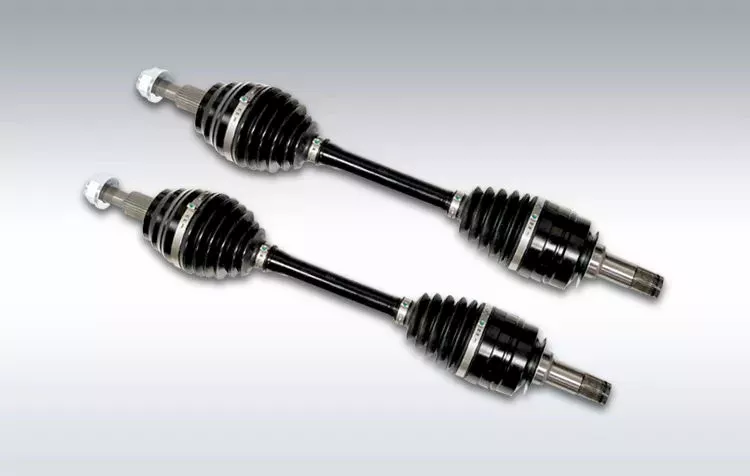
How do manufacturers ensure the compatibility of drive shafts with different equipment?
Manufacturers employ various strategies and processes to ensure the compatibility of drive shafts with different equipment. Compatibility refers to the ability of a drive shaft to effectively integrate and function within a specific piece of equipment or machinery. Manufacturers take into account several factors to ensure compatibility, including dimensional requirements, torque capacity, operating conditions, and specific application needs. Here’s a detailed explanation of how manufacturers ensure the compatibility of drive shafts:
1. Application Analysis:
Manufacturers begin by conducting a thorough analysis of the intended application and equipment requirements. This analysis involves understanding the specific torque and speed demands, operating conditions (such as temperature, vibration levels, and environmental factors), and any unique characteristics or constraints of the equipment. By gaining a comprehensive understanding of the application, manufacturers can tailor the design and specifications of the drive shaft to ensure compatibility.
2. Customization and Design:
Manufacturers often offer customization options to adapt drive shafts to different equipment. This customization involves tailoring the dimensions, materials, joint configurations, and other parameters to match the specific requirements of the equipment. By working closely with the equipment manufacturer or end-user, manufacturers can design drive shafts that align with the equipment’s mechanical interfaces, mounting points, available space, and other constraints. Customization ensures that the drive shaft fits seamlessly into the equipment, promoting compatibility and optimal performance.
3. Torque and Power Capacity:
Drive shaft manufacturers carefully determine the torque and power capacity of their products to ensure compatibility with different equipment. They consider factors such as the maximum torque requirements of the equipment, the expected operating conditions, and the safety margins necessary to withstand transient loads. By engineering drive shafts with appropriate torque ratings and power capacities, manufacturers ensure that the shaft can handle the demands of the equipment without experiencing premature failure or performance issues.
4. Material Selection:
Manufacturers choose materials for drive shafts based on the specific needs of different equipment. Factors such as torque capacity, operating temperature, corrosion resistance, and weight requirements influence material selection. Drive shafts may be made from various materials, including steel, aluminum alloys, or specialized composites, to provide the necessary strength, durability, and performance characteristics. The selected materials ensure compatibility with the equipment’s operating conditions, load requirements, and other environmental factors.
5. Joint Configurations:
Drive shafts incorporate joint configurations, such as universal joints (U-joints) or constant velocity (CV) joints, to accommodate different equipment needs. Manufacturers select and design the appropriate joint configuration based on factors such as operating angles, misalignment tolerances, and the desired level of smooth power transmission. The choice of joint configuration ensures that the drive shaft can effectively transmit power and accommodate the range of motion required by the equipment, promoting compatibility and reliable operation.
6. Quality Control and Testing:
Manufacturers implement stringent quality control processes and testing procedures to verify the compatibility of drive shafts with different equipment. These processes involve conducting dimensional inspections, material testing, torque and stress analysis, and performance testing under simulated operating conditions. By subjecting drive shafts to rigorous quality control measures, manufacturers can ensure that they meet the required specifications and performance criteria, guaranteeing compatibility with the intended equipment.
7. การปฏิบัติตามมาตรฐาน:
Manufacturers ensure that their drive shafts comply with relevant industry standards and regulations. Compliance with standards, such as ISO (International Organization for Standardization) or specific industry standards, provides assurance of quality, safety, and compatibility. Adhering to these standards helps manufacturers meet the expectations and requirements of equipment manufacturers and end-users, ensuring that the drive shafts are compatible and can be seamlessly integrated into different equipment.
8. Collaboration and Feedback:
Manufacturers often collaborate closely with equipment manufacturers, OEMs (Original Equipment Manufacturers), or end-users to gather feedback and incorporate their specific requirements into the drive shaft design and manufacturing processes. This collaborative approach ensures that the drive shafts are compatible with the intended equipment and meet the expectations of the end-users. By actively seeking input and feedback, manufacturers can continuously improve their products’ compatibility and performance.
In summary, manufacturers ensure the compatibility of drive shafts with different equipment through a combination of application analysis, customization, torque and power capacity considerations, material selection, joint configurations, quality control and testing, compliance with standards, and collaboration with equipment manufacturers and end-users. These efforts enable manufacturers to design and produce drive shafts that seamlessly integrate with various equipment, ensuring optimal performance, reliability, and compatibility in different applications.

เพลาขับช่วยเพิ่มประสิทธิภาพของรถยนต์และรถบรรทุกได้อย่างไร?
เพลาขับมีบทบาทสำคัญในการเพิ่มประสิทธิภาพของรถยนต์และรถบรรทุก มันมีส่วนช่วยในด้านต่างๆ ของสมรรถนะของยานพาหนะ รวมถึงการส่งกำลัง การยึดเกาะ การควบคุม และประสิทธิภาพโดยรวม ต่อไปนี้เป็นคำอธิบายโดยละเอียดเกี่ยวกับวิธีการที่เพลาขับช่วยเพิ่มประสิทธิภาพของรถยนต์และรถบรรทุก:
1. ระบบจ่ายพลังงาน: เพลาขับมีหน้าที่ส่งกำลังจากเครื่องยนต์ไปยังล้อ ทำให้รถเคลื่อนที่ไปข้างหน้า การส่งกำลังอย่างมีประสิทธิภาพโดยไม่สูญเสียกำลังมากนัก ทำให้เพลาขับสามารถใช้กำลังของเครื่องยนต์ได้อย่างมีประสิทธิภาพ ส่งผลให้การเร่งความเร็วและสมรรถนะโดยรวมดีขึ้น เพลาขับที่ออกแบบมาอย่างดีโดยมีการสูญเสียกำลังน้อยที่สุด ช่วยให้รถสามารถส่งกำลังไปยังล้อได้อย่างมีประสิทธิภาพ
2. การส่งถ่ายแรงบิด: เพลาขับทำหน้าที่ส่งแรงบิดจากเครื่องยนต์ไปยังล้อ แรงบิดคือแรงหมุนที่ขับเคลื่อนรถไปข้างหน้า เพลาขับคุณภาพสูงที่มีความสามารถในการแปลงแรงบิดอย่างเหมาะสมจะช่วยให้แรงบิดที่สร้างโดยเครื่องยนต์ถูกส่งไปยังล้อได้อย่างมีประสิทธิภาพ ซึ่งจะช่วยเพิ่มความสามารถของรถในการเร่งความเร็ว ลากจูงของหนัก และปีนขึ้นทางลาดชันได้ดีขึ้น ส่งผลให้สมรรถนะโดยรวมดีขึ้น
3. การยึดเกาะและความมั่นคง: เพลาขับมีส่วนช่วยในการยึดเกาะและเสถียรภาพของรถยนต์และรถบรรทุก มันส่งกำลังไปยังล้อ ทำให้ล้อสามารถออกแรงกดบนพื้นผิวถนนได้ ซึ่งช่วยให้รถรักษาการยึดเกาะได้ดี โดยเฉพาะอย่างยิ่งในขณะเร่งความเร็วหรือเมื่อขับขี่บนพื้นผิวที่ลื่นหรือขรุขระ การส่งกำลังอย่างมีประสิทธิภาพผ่านเพลาขับช่วยเพิ่มเสถียรภาพของรถโดยการกระจายกำลังอย่างสมดุลไปยังล้อทั้งสี่ ทำให้ควบคุมและบังคับรถได้ดียิ่งขึ้น
4. การควบคุมและการบังคับเลี้ยว: เพลาขับมีผลต่อการควบคุมและการบังคับเลี้ยวของรถยนต์ มันช่วยสร้างการเชื่อมต่อโดยตรงระหว่างเครื่องยนต์และล้อ ทำให้สามารถควบคุมได้อย่างแม่นยำและตอบสนองได้ดี เพลาขับที่ออกแบบมาอย่างดีโดยมีระยะคลอนหรือการคลายตัวน้อยที่สุด จะช่วยให้การตอบสนองต่อการควบคุมของผู้ขับขี่รวดเร็วและทันทีมากขึ้น เพิ่มความคล่องตัวและการควบคุมรถให้ดียิ่งขึ้น
5. การลดน้ำหนัก: เพลาขับสามารถช่วยลดน้ำหนักในรถยนต์และรถบรรทุกได้ เพลาขับน้ำหนักเบาที่ทำจากวัสดุ เช่น อลูมิเนียมหรือวัสดุคอมโพสิตเสริมใยคาร์บอน จะช่วยลดน้ำหนักโดยรวมของรถ น้ำหนักที่ลดลงช่วยปรับปรุงอัตราส่วนกำลังต่อน้ำหนัก ส่งผลให้การเร่งความเร็ว การควบคุม และประสิทธิภาพการใช้เชื้อเพลิงดีขึ้น นอกจากนี้ เพลาขับน้ำหนักเบายังช่วยลดมวลการหมุน ทำให้เครื่องยนต์เร่งรอบได้เร็วขึ้น ซึ่งช่วยเพิ่มประสิทธิภาพการทำงานให้ดียิ่งขึ้น
6. ประสิทธิภาพเชิงกล: เพลาขับที่มีประสิทธิภาพสูงช่วยลดการสูญเสียพลังงานระหว่างการส่งกำลัง โดยการใช้วัสดุคุณภาพสูง เช่น ตลับลูกปืนคุณภาพดี ซีลลดแรงเสียดทาน และระบบหล่อลื่นที่เหมาะสม เพลาขับจะลดแรงเสียดทานและลดการสูญเสียพลังงานเนื่องจากแรงต้านภายใน ซึ่งจะช่วยเพิ่มประสิทธิภาพเชิงกลของระบบส่งกำลัง ทำให้สามารถส่งกำลังไปยังล้อได้มากขึ้น และปรับปรุงสมรรถนะโดยรวมของรถยนต์
7. การอัปเกรดประสิทธิภาพ: การอัปเกรดเพลาขับเป็นวิธีเพิ่มประสิทธิภาพที่ได้รับความนิยมสำหรับผู้ที่ชื่นชอบรถยนต์ เพลาขับที่ได้รับการอัปเกรด เช่น เพลาที่ทำจากวัสดุที่แข็งแรงกว่าหรือมีกำลังรับแรงบิดสูงกว่า สามารถรองรับกำลังขับที่สูงขึ้นจากเครื่องยนต์ที่ได้รับการดัดแปลง การอัปเกรดเหล่านี้ช่วยให้ประสิทธิภาพเพิ่มขึ้น เช่น อัตราเร่งที่ดีขึ้น ความเร็วสูงสุดที่สูงขึ้น และไดนามิกการขับขี่โดยรวมที่ดีขึ้น
8. ความเข้ากันได้กับการปรับแต่งประสิทธิภาพ: การดัดแปลงเพื่อเพิ่มประสิทธิภาพ เช่น การอัพเกรดเครื่องยนต์ การเพิ่มกำลังขับ หรือการเปลี่ยนแปลงระบบส่งกำลัง มักต้องใช้เพลาขับที่เข้ากันได้ เพลาขับที่ออกแบบมาเพื่อรองรับแรงบิดที่สูงขึ้นหรือปรับให้เข้ากับการกำหนดค่าระบบส่งกำลังที่ดัดแปลงแล้ว จะช่วยให้มั่นใจได้ถึงประสิทธิภาพและความน่าเชื่อถือสูงสุด เพลาขับเหล่านี้ช่วยให้รถสามารถใช้ประโยชน์จากกำลังและแรงบิดที่เพิ่มขึ้นได้อย่างมีประสิทธิภาพ ส่งผลให้ประสิทธิภาพและการตอบสนองดีขึ้น
9. ความทนทานและความน่าเชื่อถือ: เพลาขับที่แข็งแรงและได้รับการบำรุงรักษาอย่างดีมีส่วนช่วยให้รถยนต์และรถบรรทุกมีความทนทานและเชื่อถือได้ เพลาขับได้รับการออกแบบมาให้ทนต่อแรงกดและภาระที่เกี่ยวข้องกับการส่งกำลัง วัสดุคุณภาพสูง การปรับสมดุลที่เหมาะสม และการบำรุงรักษาอย่างสม่ำเสมอ ช่วยให้มั่นใจได้ว่าเพลาขับทำงานได้อย่างราบรื่น ลดความเสี่ยงต่อความล้มเหลวหรือปัญหาด้านประสิทธิภาพ เพลาขับที่เชื่อถือได้ช่วยเพิ่มประสิทธิภาพโดยรวมโดยการส่งกำลังที่สม่ำเสมอและลดเวลาหยุดทำงาน
10. ความเข้ากันได้กับเทคโนโลยีขั้นสูง: เพลาขับกำลังพัฒนาไปพร้อมกับความก้าวหน้าของเทคโนโลยีรถยนต์ มีการนำไปผสานรวมกับระบบขั้นสูงต่างๆ มากขึ้น เช่น ระบบขับเคลื่อนไฮบริด มอเตอร์ไฟฟ้า และระบบเบรกแบบสร้างพลังงานกลับคืน เพลาขับที่ออกแบบมาให้ทำงานร่วมกับเทคโนโลยีเหล่านี้ได้อย่างราบรื่น จะช่วยเพิ่มประสิทธิภาพและสมรรถนะให้สูงสุด ส่งผลให้สมรรถนะโดยรวมของรถยนต์ดีขึ้น
โดยสรุปแล้ว เพลาขับช่วยเพิ่มสมรรถนะของรถยนต์และรถบรรทุกโดยการปรับปรุงการส่งกำลัง การถ่ายโอนแรงบิด การเพิ่มแรงฉุดและการทรงตัว การเพิ่มการควบคุมและการบังคับเลี้ยว การลดน้ำหนัก การเพิ่มประสิทธิภาพเชิงกล การรองรับการอัพเกรดสมรรถนะและเทคโนโลยีขั้นสูง และการรับประกันความทนทานและความน่าเชื่อถือ เพลาขับมีบทบาทสำคัญในการรับประกันการส่งกำลังที่มีประสิทธิภาพ การเร่งความเร็วที่ตอบสนองได้ดี การควบคุมที่แม่นยำ และสมรรถนะโดยรวมที่ดีขึ้นของยานพาหนะ

What is a drive shaft and how does it function in vehicles and machinery?
A drive shaft, also known as a propeller shaft or prop shaft, is a mechanical component that plays a critical role in transmitting rotational power from the engine to the wheels or other driven components in vehicles and machinery. It is commonly used in various types of vehicles, including cars, trucks, motorcycles, and agricultural or industrial machinery. Here’s a detailed explanation of what a drive shaft is and how it functions:
1. Definition and Construction: A drive shaft is a cylindrical metal tube that connects the engine or power source to the wheels or driven components. It is typically made of steel or aluminum and consists of one or more tubular sections with universal joints (U-joints) at each end. These U-joints allow for angular movement and compensation of misalignment between the engine/transmission and the driven wheels or components.
2. Power Transmission: The primary function of a drive shaft is to transmit rotational power from the engine or power source to the wheels or driven components. In vehicles, the drive shaft connects the transmission or gearbox output shaft to the differential, which then transfers power to the wheels. In machinery, the drive shaft transfers power from the engine or motor to various driven components such as pumps, generators, or other mechanical systems.
3. Torque and Speed: The drive shaft is responsible for transmitting both torque and rotational speed. Torque is the rotational force generated by the engine or power source, while rotational speed is the number of revolutions per minute (RPM). The drive shaft must be capable of transmitting the required torque without excessive twisting or bending and maintaining the desired rotational speed for efficient operation of the driven components.
4. ข้อต่อแบบยืดหยุ่น: The U-joints on the drive shaft provide a flexible coupling that allows for angular movement and compensation of misalignment between the engine/transmission and the driven wheels or components. As the suspension system of a vehicle moves or the machinery operates on uneven terrain, the drive shaft can adjust its length and angle to accommodate these movements, ensuring smooth power transmission and preventing damage to the drivetrain components.
5. Length and Balance: The length of the drive shaft is determined by the distance between the engine or power source and the driven wheels or components. It should be appropriately sized to ensure proper power transmission and avoid excessive vibrations or bending. Additionally, the drive shaft is carefully balanced to minimize vibrations and rotational imbalances, which can cause discomfort, reduce efficiency, and lead to premature wear of drivetrain components.
6. Safety Considerations: Drive shafts in vehicles and machinery require proper safety measures. In vehicles, drive shafts are often enclosed within a protective tube or housing to prevent contact with moving parts and reduce the risk of injury in the event of a malfunction or failure. Additionally, safety shields or guards are commonly installed around exposed drive shafts in machinery to protect operators from potential hazards associated with rotating components.
7. Maintenance and Inspection: Regular maintenance and inspection of drive shafts are essential to ensure their proper functioning and longevity. This includes checking for signs of wear, damage, or excessive play in the U-joints, inspecting the drive shaft for any cracks or deformations, and lubricating the U-joints as recommended by the manufacturer. Proper maintenance helps prevent failures, ensures optimal performance, and prolongs the service life of the drive shaft.
In summary, a drive shaft is a mechanical component that transmits rotational power from the engine or power source to the wheels or driven components in vehicles and machinery. It functions by providing a rigid connection between the engine/transmission and the driven wheels or components, while also allowing for angular movement and compensation of misalignment through the use of U-joints. The drive shaft plays a crucial role in power transmission, torque and speed delivery, flexible coupling, length and balance considerations, safety, and maintenance requirements. Its proper functioning is essential for the smooth and efficient operation of vehicles and machinery.


editor by CX 2024-03-07























