
Productbeschrijving
Productbeschrijving
structural carbon steel :45# with details in under sheet :
| Standard No. | Alloy No. | Chemical compositions(%) | ||||||
| C | Cr | Mn | Ni | P | S | Si | ||
| GB/T699-1999 | 45# | 0.42~0.50 | ≤0.25 | 0.50~0.80 | ≤0.25 | ≤0.035 | ≤0.035 | 0.17~0.37 |
| Mechanical Property |
Tensile Strength(Mpa) | Yeild Strength(Mpa) | Elongation(%) | Contraction of area Z(%) | ||||
| ≥600 | ≥355 | ≥16 | ≥40 | |||||
The correlation between properties and parameters-S45C (JIS)-SAE1045(Aisi)-SM45 of No. 45 steel(45 steel) was studied:
No. 45 steel is a carbon structural steel with 0.45% carboncontent. It is characterized by low price, good cutting performance, high hardness after quenching, good strength, toughness and wear resistance after quenching and temperingtreatment, is widely used in manufacturing structural partsand low-grade plastic mold. “45 steel” is a popular name, thesymbol is generally recorded as”45 #”. In fact GB standardsteel number is”45″, it is not a sequential number, read as”45steel” is not very accurate. Ingredient code 45 steels of similar designation are S45C (JIS) and 1045(Aisi) . In addition, ourcountry metallurgical technology standard has SM45 brandnumber to express the plastic mold use specially. Comparedwith 45 steel, SM45 has lower phosphorus and sulfur contentand better steel purity.
| Standards | YB/T 094 | AISI | JIS G4051 |
| Alloy No. | SM45 | 1045 | S45C |
| C | 0.42-0.48 | 0.43-0.50 | 0.42-0.48 |
| Si | 0.17-0.37 | 0.15-0.35 | |
| Mn | 0.50-0.80 | 0.60-0.90 | 0.60-0.90 |
| P | <0.030 | <0.030 | <0.030 |
| S | <0.035 | <0.035 | <0.035 |
Recommended process specification for heat treatment andhardness: quenching temperature 820 – 860″ C, water-oroil-cooled, hardness 250 HRC. Recommended tempering pro-cess specifcation: tempering temperature is 500 – 560″ C, aircooling, hardness is 25 – 33HRC. Tempering in this temperature range is the tempering treatment, Quenching and tempering make the strength, plasticity and toughness of 45 steelget a good balance, the comprehensive performance is good,can adapt to the alternating load environment. After quench-ing and tempering, the surface hardness of 45 steel is low anddoes not wear well. So commonly used quenching and tempering + surface quenching to improve the surface hardnessof parts.
| Tempering temperature | After quenching | Unit centigrade | |||||
| 200 | 300 | 400 | 500 | 550 | 600 | ||
| Hardheid HRC |
57 | 55 | 50 | 41 | 33 | 26 | 22 |
| Mechanical properties (GB/T 699-1999) | |||
| Sample size | mm | 25 | |
| Heat treatments recommended | Normalizing | ºC | 850 |
| Quenching | ºC | 840 | |
| Tempering | ºC | 600 | |
| Mechanical properties | Tensile strongth | Mpa | ≥600 |
| Strong yield | Mpa | ≥355 | |
| Elongation | Mpa | ≥16 | |
| Section shrinkago | Mpa | ≥40 | |
| Impact | Mpa | ≥39 | |
| Hardness of delivery | HB | ≤229 | |
| HB | ≤197 | ||
Main Products
Bedrijfsprofiel
ZheJiang Xihu (West Lake) Dis. Equipment Manufacturing Co, Ltd., located in HangZhou City, ZheJiang Province, is a steel forging manufacturing enterprise specializing in the production of forged round steel, square steel, shaft forgings, ring forgings, cylinder forgings, and forging processing, heat treatment, mechanical processing, and finished parts processing. 0.75 tons to 30 tons of ingot steel can also be supplied. The company has a strong special steel supply channel as support, especially in the special steel forgings more resource advantages, products include “chromium-nick- el-molybdenum steel, bonded steel, carbon steel, stainless steel, spring steel, bearing steel, rolls and other series.”Our company can also ensure flaw detection at all levels according to customer requirements and provide quality certification documents.
Forging Equipment
The main equipment is 2000 tons of hydraulic press, ring rolling machine, 3 tons of forging hammer, 2 tons of forging hammer, 1 ton forging hammer, 750KG forging hammer, 30T heat treatment and temper- ing furnace, lathe, sawing machine and other more than 30 sets of equipment, which can produce
forgings weighing 20Kg-20000Kg. Products are not only widely used in domestic large locomotives, coal machines, petroleum machinery, shipbuilding and other industries, but also exported to Europe, South- east Asia, and other countries and regions, forging products using advanced production technology
“high-power electric CZPT (EF)furnace external refining (LF) vacuum degassing (VD) fast forging annealing (or normalizing) turning, Ensure chemical composition and mechanical property require-ments.
Veelgestelde vragen
-
What is the difference between forging and casting?
Forging: It is the process of transforming a CZPT from 1 shape to another. Casting: It is the process of transforming a shapeless liquid metal into a CZPT with a shape. The so-called casting is the process of casting molten metal into a model to obtain a casting. The casting profession focuses on the metal melting process and the control of processes during the casting process. Forging is a plastic forming process in the CZPT state, which can be divided into hot processing and cold processing. Forgings include extrusion, drawing, roughening, punching, and so on. Casting is a CZPT liquid CZPT process, while forging is a CZPT to CZPT process where a CZPT can change its shape into another shape at high temperatures. There are still differences in the shape process and process of the two.
-
How to choose high-quality forgings?
In the quality inspection of forgings, there are mainly external observation methods and internal inspection methods. The appearance method, as the name suggests, is to observe the appearance of the product, such as the shape, geometric dimensions, surface condition, etc. of the forging, in order to understand whether it meets the standards and whether there are external defects. Specifically, it is to check whether the external dimensions of the forging meet the specifications and whether there are defects on the surface, such as cracks, wrinkles, bubbles, indentations, pits, impurities, scratches, etc. on the surface of the forging. Internal testing mainly involves analyzing the chemical composition, macroscopic and microscopic structures, and mechanical properties of forgings. This inspection process requires the use of specialized instruments for high magnification inspection, with the aim of checking for any phenomena such as fractures and shrinkage within the forging, as well as defects such as dendrites and white spots, disordered flow lines, and throughflow. It also includes the tensile strength, ductility, hardness, plasticity, and heat resistance temperature of the forging.
-
What are the characteristics of the forging process for blank forgings?
The forging process of circular forgings mainly consists of the following processes: pier roughening, elongation, punching, and expanding. The difference between free forging and ring rolling processes is mainly in the process of expanding holes. In the production of ring forgings, free forging is usually used to expand the hole with a horse screw, while ring rolling is mainly used to expand the hole with rolling.
/* 22 januari 2571 19:08:37 */!function(){function s(e,r){var a,o={};try{e&&e.split(“,”).forEach(function(e,t){e&&(a=e.match(/(.*?):(.*)$/))&&1
| Processing Object: | Metal |
|---|---|
| Molding Style: | Smeden |
| Molding Technics: | Hot Forging |
| Sollicitatie: | Machinery Parts |
| Materiaal: | Steel |
| Heat Treatment: | Tempering |
| Voorbeelden: |
US$ 1100/Ton
1 Ton(Min.Order) | |
|---|
| Aanpassing: |
Beschikbaar
| Aanvraag op maat |
|---|
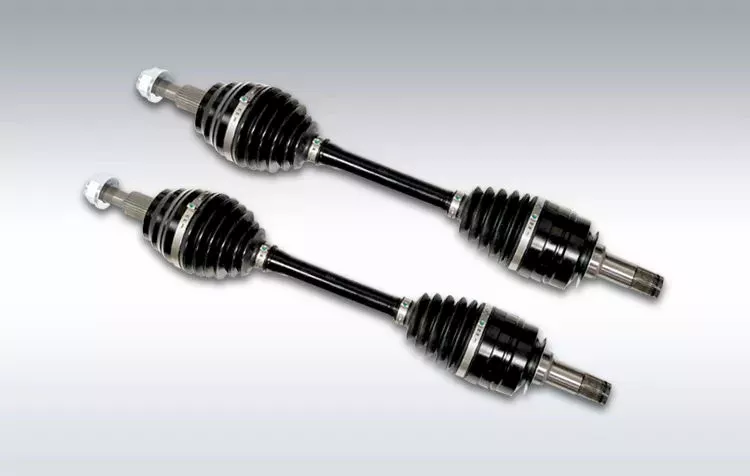
Hoe zorgen fabrikanten ervoor dat aandrijfassen compatibel zijn met verschillende apparatuur?
Fabrikanten hanteren diverse strategieën en processen om de compatibiliteit van aandrijfassen met verschillende apparatuur te garanderen. Compatibiliteit verwijst naar het vermogen van een aandrijfas om effectief te integreren en te functioneren binnen een specifiek apparaat of machine. Fabrikanten houden rekening met verschillende factoren om compatibiliteit te waarborgen, waaronder dimensionale vereisten, koppelcapaciteit, bedrijfsomstandigheden en specifieke toepassingsbehoeften. Hieronder volgt een gedetailleerde uitleg over hoe fabrikanten de compatibiliteit van aandrijfassen garanderen:
1. Applicatieanalyse:
Fabrikanten beginnen met een grondige analyse van de beoogde toepassing en de vereisten van de apparatuur. Deze analyse omvat het in kaart brengen van de specifieke koppel- en snelheidseisen, de bedrijfsomstandigheden (zoals temperatuur, trillingsniveaus en omgevingsfactoren) en eventuele unieke kenmerken of beperkingen van de apparatuur. Door een volledig inzicht in de toepassing te verkrijgen, kunnen fabrikanten het ontwerp en de specificaties van de aandrijfas afstemmen om compatibiliteit te garanderen.
2. Aanpassing en ontwerp:
Fabrikanten bieden vaak maatwerkopties aan om aandrijfassen aan te passen aan verschillende apparatuur. Dit maatwerk omvat het afstemmen van de afmetingen, materialen, verbindingsconfiguraties en andere parameters op de specifieke eisen van de apparatuur. Door nauw samen te werken met de fabrikant van de apparatuur of de eindgebruiker, kunnen fabrikanten aandrijfassen ontwerpen die aansluiten op de mechanische interfaces, bevestigingspunten, beschikbare ruimte en andere beperkingen van de apparatuur. Maatwerk zorgt ervoor dat de aandrijfas naadloos in de apparatuur past, wat compatibiliteit en optimale prestaties bevordert.
3. Koppel en vermogen:
Fabrikanten van aandrijfassen bepalen zorgvuldig het koppel en het vermogen van hun producten om compatibiliteit met verschillende apparatuur te garanderen. Ze houden rekening met factoren zoals het maximale koppel dat de apparatuur vereist, de verwachte bedrijfsomstandigheden en de veiligheidsmarges die nodig zijn om tijdelijke belastingen op te vangen. Door aandrijfassen te ontwerpen met de juiste koppelwaarden en vermogens, zorgen fabrikanten ervoor dat de as de eisen van de apparatuur aankan zonder voortijdige slijtage of prestatieproblemen.
4. Materiaalselectie:
Fabrikanten kiezen materialen voor aandrijfassen op basis van de specifieke behoeften van verschillende apparatuur. Factoren zoals koppelcapaciteit, bedrijfstemperatuur, corrosiebestendigheid en gewichtseisen beïnvloeden de materiaalkeuze. Aandrijfassen kunnen van diverse materialen worden gemaakt, waaronder staal, aluminiumlegeringen of speciale composieten, om de benodigde sterkte, duurzaamheid en prestatie-eigenschappen te garanderen. De gekozen materialen zorgen voor compatibiliteit met de bedrijfsomstandigheden, belastingseisen en andere omgevingsfactoren van de apparatuur.
5. Gewrichtsconfiguraties:
Aandrijfassen zijn voorzien van koppelingen, zoals kruiskoppelingen (U-koppelingen) of homokinetische koppelingen (CV-koppelingen), om aan de verschillende behoeften van de apparatuur te voldoen. Fabrikanten selecteren en ontwerpen de juiste koppeling op basis van factoren zoals werkingshoeken, toleranties voor uitlijningsfouten en de gewenste mate van soepele krachtoverbrenging. De keuze van de koppeling zorgt ervoor dat de aandrijfas effectief kracht kan overbrengen en het vereiste bewegingsbereik van de apparatuur kan opvangen, wat compatibiliteit en een betrouwbare werking bevordert.
6. Kwaliteitscontrole en testen:
Fabrikanten hanteren strenge kwaliteitscontroleprocessen en testprocedures om de compatibiliteit van aandrijfassen met verschillende apparatuur te verifiëren. Deze processen omvatten dimensionale inspecties, materiaaltesten, koppel- en spanningsanalyses en prestatietesten onder gesimuleerde bedrijfsomstandigheden. Door aandrijfassen aan strenge kwaliteitscontroles te onderwerpen, kunnen fabrikanten ervoor zorgen dat ze voldoen aan de vereiste specificaties en prestatiecriteria, waardoor compatibiliteit met de beoogde apparatuur gegarandeerd is.
7. Naleving van normen:
Fabrikanten zorgen ervoor dat hun aandrijfassen voldoen aan de relevante industrienormen en -voorschriften. Naleving van normen, zoals ISO (Internationale Organisatie voor Standaardisatie) of specifieke industrienormen, biedt zekerheid over kwaliteit, veiligheid en compatibiliteit. Door zich aan deze normen te houden, kunnen fabrikanten voldoen aan de verwachtingen en eisen van fabrikanten van apparatuur en eindgebruikers, en ervoor zorgen dat de aandrijfassen compatibel zijn en naadloos in verschillende apparatuur kunnen worden geïntegreerd.
8. Samenwerking en feedback:
Fabrikanten werken vaak nauw samen met fabrikanten van apparatuur, OEM's (Original Equipment Manufacturers) of eindgebruikers om feedback te verzamelen en hun specifieke eisen te integreren in het ontwerp- en productieproces van aandrijfassen. Deze samenwerkingsaanpak zorgt ervoor dat de aandrijfassen compatibel zijn met de beoogde apparatuur en voldoen aan de verwachtingen van de eindgebruikers. Door actief input en feedback te vragen, kunnen fabrikanten de compatibiliteit en prestaties van hun producten continu verbeteren.
Samenvattend zorgen fabrikanten voor de compatibiliteit van aandrijfassen met verschillende apparatuur door een combinatie van toepassingsanalyse, maatwerk, overwegingen met betrekking tot koppel- en vermogenscapaciteit, materiaalkeuze, verbindingsconfiguraties, kwaliteitscontrole en -testen, naleving van normen en samenwerking met fabrikanten van apparatuur en eindgebruikers. Deze inspanningen stellen fabrikanten in staat aandrijfassen te ontwerpen en te produceren die naadloos integreren met diverse apparatuur, waardoor optimale prestaties, betrouwbaarheid en compatibiliteit in verschillende toepassingen worden gegarandeerd.

How do drive shafts enhance the performance of automobiles and trucks?
Drive shafts play a significant role in enhancing the performance of automobiles and trucks. They contribute to various aspects of vehicle performance, including power delivery, traction, handling, and overall efficiency. Here’s a detailed explanation of how drive shafts enhance the performance of automobiles and trucks:
1. Power Delivery: Drive shafts are responsible for transmitting power from the engine to the wheels, enabling the vehicle to move forward. By efficiently transferring power without significant losses, drive shafts ensure that the engine’s power is effectively utilized, resulting in improved acceleration and overall performance. Well-designed drive shafts with minimal power loss contribute to the vehicle’s ability to deliver power to the wheels efficiently.
2. Torque Transfer: Drive shafts facilitate the transfer of torque from the engine to the wheels. Torque is the rotational force that drives the vehicle forward. High-quality drive shafts with proper torque conversion capabilities ensure that the torque generated by the engine is effectively transmitted to the wheels. This enhances the vehicle’s ability to accelerate quickly, tow heavy loads, and climb steep gradients, thereby improving overall performance.
3. Traction and Stability: Drive shafts contribute to the traction and stability of automobiles and trucks. They transmit power to the wheels, allowing them to exert force on the road surface. This enables the vehicle to maintain traction, especially during acceleration or when driving on slippery or uneven terrain. The efficient power delivery through the drive shafts enhances the vehicle’s stability by ensuring balanced power distribution to all wheels, improving control and handling.
4. Handling and Maneuverability: Drive shafts have an impact on the handling and maneuverability of vehicles. They help establish a direct connection between the engine and the wheels, allowing for precise control and responsive handling. Well-designed drive shafts with minimal play or backlash contribute to a more direct and immediate response to driver inputs, enhancing the vehicle’s agility and maneuverability.
5. Weight Reduction: Drive shafts can contribute to weight reduction in automobiles and trucks. Lightweight drive shafts made from materials such as aluminum or carbon fiber-reinforced composites reduce the overall weight of the vehicle. The reduced weight improves the power-to-weight ratio, resulting in better acceleration, handling, and fuel efficiency. Additionally, lightweight drive shafts reduce the rotational mass, allowing the engine to rev up more quickly, further enhancing performance.
6. Mechanical Efficiency: Efficient drive shafts minimize energy losses during power transmission. By incorporating features such as high-quality bearings, low-friction seals, and optimized lubrication, drive shafts reduce friction and minimize power losses due to internal resistance. This enhances the mechanical efficiency of the drivetrain system, allowing more power to reach the wheels and improving overall vehicle performance.
7. Performance Upgrades: Drive shaft upgrades can be popular performance enhancements for enthusiasts. Upgraded drive shafts, such as those made from stronger materials or with enhanced torque capacity, can handle higher power outputs from modified engines. These upgrades allow for increased performance, such as improved acceleration, higher top speeds, and better overall driving dynamics.
8. Compatibility with Performance Modifications: Performance modifications, such as engine upgrades, increased power output, or changes to the drivetrain system, often require compatible drive shafts. Drive shafts designed to handle higher torque loads or adapt to modified drivetrain configurations ensure optimal performance and reliability. They enable the vehicle to effectively harness the increased power and torque, resulting in improved performance and responsiveness.
9. Durability and Reliability: Robust and well-maintained drive shafts contribute to the durability and reliability of automobiles and trucks. They are designed to withstand the stresses and loads associated with power transmission. High-quality materials, appropriate balancing, and regular maintenance help ensure that drive shafts operate smoothly, minimizing the risk of failures or performance issues. Reliable drive shafts enhance the overall performance by providing consistent power delivery and minimizing downtime.
10. Compatibility with Advanced Technologies: Drive shafts are evolving in tandem with advancements in vehicle technologies. They are increasingly being integrated with advanced systems such as hybrid powertrains, electric motors, and regenerative braking. Drive shafts designed to work seamlessly with these technologies maximize their efficiency and performance benefits, contributing to improved overall vehicle performance.
In summary, drive shafts enhance the performance of automobiles and trucks by optimizing power delivery, facilitating torque transfer, improving traction and stability, enhancing handling and maneuverability, reducing weight, increasing mechanical efficiency, enabling compatibility with performance upgrades and advanced technologies, and ensuring durability and reliability. They play a crucial role in ensuring efficient power transmission, responsive acceleration, precise handling, and overall improved performance of vehicles.

What is a drive shaft and how does it function in vehicles and machinery?
A drive shaft, also known as a propeller shaft or prop shaft, is a mechanical component that plays a critical role in transmitting rotational power from the engine to the wheels or other driven components in vehicles and machinery. It is commonly used in various types of vehicles, including cars, trucks, motorcycles, and agricultural or industrial machinery. Here’s a detailed explanation of what a drive shaft is and how it functions:
1. Definition and Construction: A drive shaft is a cylindrical metal tube that connects the engine or power source to the wheels or driven components. It is typically made of steel or aluminum and consists of one or more tubular sections with universal joints (U-joints) at each end. These U-joints allow for angular movement and compensation of misalignment between the engine/transmission and the driven wheels or components.
2. Power Transmission: The primary function of a drive shaft is to transmit rotational power from the engine or power source to the wheels or driven components. In vehicles, the drive shaft connects the transmission or gearbox output shaft to the differential, which then transfers power to the wheels. In machinery, the drive shaft transfers power from the engine or motor to various driven components such as pumps, generators, or other mechanical systems.
3. Torque and Speed: The drive shaft is responsible for transmitting both torque and rotational speed. Torque is the rotational force generated by the engine or power source, while rotational speed is the number of revolutions per minute (RPM). The drive shaft must be capable of transmitting the required torque without excessive twisting or bending and maintaining the desired rotational speed for efficient operation of the driven components.
4. Flexible Coupling: The U-joints on the drive shaft provide a flexible coupling that allows for angular movement and compensation of misalignment between the engine/transmission and the driven wheels or components. As the suspension system of a vehicle moves or the machinery operates on uneven terrain, the drive shaft can adjust its length and angle to accommodate these movements, ensuring smooth power transmission and preventing damage to the drivetrain components.
5. Length and Balance: The length of the drive shaft is determined by the distance between the engine or power source and the driven wheels or components. It should be appropriately sized to ensure proper power transmission and avoid excessive vibrations or bending. Additionally, the drive shaft is carefully balanced to minimize vibrations and rotational imbalances, which can cause discomfort, reduce efficiency, and lead to premature wear of drivetrain components.
6. Safety Considerations: Drive shafts in vehicles and machinery require proper safety measures. In vehicles, drive shafts are often enclosed within a protective tube or housing to prevent contact with moving parts and reduce the risk of injury in the event of a malfunction or failure. Additionally, safety shields or guards are commonly installed around exposed drive shafts in machinery to protect operators from potential hazards associated with rotating components.
7. Maintenance and Inspection: Regular maintenance and inspection of drive shafts are essential to ensure their proper functioning and longevity. This includes checking for signs of wear, damage, or excessive play in the U-joints, inspecting the drive shaft for any cracks or deformations, and lubricating the U-joints as recommended by the manufacturer. Proper maintenance helps prevent failures, ensures optimal performance, and prolongs the service life of the drive shaft.
In summary, a drive shaft is a mechanical component that transmits rotational power from the engine or power source to the wheels or driven components in vehicles and machinery. It functions by providing a rigid connection between the engine/transmission and the driven wheels or components, while also allowing for angular movement and compensation of misalignment through the use of U-joints. The drive shaft plays a crucial role in power transmission, torque and speed delivery, flexible coupling, length and balance considerations, safety, and maintenance requirements. Its proper functioning is essential for the smooth and efficient operation of vehicles and machinery.


editor by CX 2024-03-07























