
Описание продукта
Описание продукта
structural carbon steel :45# with details in under sheet :
| Standard No. | Alloy No. | Chemical compositions(%) | ||||||
| С | Кр | Мн | Ни | П | С | Си | ||
| GB/T699-1999 | 45# | 0.42~0.50 | ≤0.25 | 0.50~0.80 | ≤0.25 | ≤0,035 | ≤0,035 | 0.17~0.37 |
| Mechanical Property |
Tensile Strength(Mpa) | Yeild Strength(Mpa) | Elongation(%) | Contraction of area Z(%) | ||||
| ≥600 | ≥355 | ≥16 | ≥40 | |||||
The correlation between properties and parameters-S45C (JIS)-SAE1045(Aisi)-SM45 of No. 45 steel(45 steel) was studied:
No. 45 steel is a carbon structural steel with 0.45% carboncontent. It is characterized by low price, good cutting performance, high hardness after quenching, good strength, toughness and wear resistance after quenching and temperingtreatment, is widely used in manufacturing structural partsand low-grade plastic mold. “45 steel” is a popular name, thesymbol is generally recorded as”45 #”. In fact GB standardsteel number is”45″, it is not a sequential number, read as”45steel” is not very accurate. Ingredient code 45 steels of similar designation are S45C (JIS) and 1045(Aisi) . In addition, ourcountry metallurgical technology standard has SM45 brandnumber to express the plastic mold use specially. Comparedwith 45 steel, SM45 has lower phosphorus and sulfur contentand better steel purity.
| Standards | YB/T 094 | AISI | JIS G4051 |
| Alloy No. | SM45 | 1045 | S45C |
| С | 0.42-0.48 | 0.43-0.50 | 0.42-0.48 |
| Си | 0.17-0.37 | 0.15-0.35 | |
| Мн | 0.50-0.80 | 0.60-0.90 | 0.60-0.90 |
| П | <0.030 | <0.030 | <0.030 |
| С | <0.035 | <0.035 | <0.035 |
Recommended process specification for heat treatment andhardness: quenching temperature 820 – 860″ C, water-oroil-cooled, hardness 250 HRC. Recommended tempering pro-cess specifcation: tempering temperature is 500 – 560″ C, aircooling, hardness is 25 – 33HRC. Tempering in this temperature range is the tempering treatment, Quenching and tempering make the strength, plasticity and toughness of 45 steelget a good balance, the comprehensive performance is good,can adapt to the alternating load environment. After quench-ing and tempering, the surface hardness of 45 steel is low anddoes not wear well. So commonly used quenching and tempering + surface quenching to improve the surface hardnessof parts.
| Tempering temperature | After quenching | Unit centigrade | |||||
| 200 | 300 | 400 | 500 | 550 | 600 | ||
| Твердость HRC |
57 | 55 | 50 | 41 | 33 | 26 | 22 |
| Mechanical properties (GB/T 699-1999) | |||
| Sample size | мм | 25 | |
| Heat treatments recommended | Normalizing | ºC | 850 |
| Quenching | ºC | 840 | |
| Tempering | ºC | 600 | |
| Mechanical properties | Tensile strongth | Mpa | ≥600 |
| Strong yield | Mpa | ≥355 | |
| Elongation | Mpa | ≥16 | |
| Section shrinkago | Mpa | ≥40 | |
| Impact | Mpa | ≥39 | |
| Hardness of delivery | HB | ≤229 | |
| HB | ≤197 | ||
Main Products
Профиль компании
ZheJiang Xihu (West Lake) Dis. Equipment Manufacturing Co, Ltd., located in HangZhou City, ZheJiang Province, is a steel forging manufacturing enterprise specializing in the production of forged round steel, square steel, shaft forgings, ring forgings, cylinder forgings, and forging processing, heat treatment, mechanical processing, and finished parts processing. 0.75 tons to 30 tons of ingot steel can also be supplied. The company has a strong special steel supply channel as support, especially in the special steel forgings more resource advantages, products include “chromium-nick- el-molybdenum steel, bonded steel, carbon steel, stainless steel, spring steel, bearing steel, rolls and other series.”Our company can also ensure flaw detection at all levels according to customer requirements and provide quality certification documents.
Forging Equipment
The main equipment is 2000 tons of hydraulic press, ring rolling machine, 3 tons of forging hammer, 2 tons of forging hammer, 1 ton forging hammer, 750KG forging hammer, 30T heat treatment and temper- ing furnace, lathe, sawing machine and other more than 30 sets of equipment, which can produce
forgings weighing 20Kg-20000Kg. Products are not only widely used in domestic large locomotives, coal machines, petroleum machinery, shipbuilding and other industries, but also exported to Europe, South- east Asia, and other countries and regions, forging products using advanced production technology
“high-power electric CZPT (EF)furnace external refining (LF) vacuum degassing (VD) fast forging annealing (or normalizing) turning, Ensure chemical composition and mechanical property require-ments.
Часто задаваемые вопросы
-
What is the difference between forging and casting?
Forging: It is the process of transforming a CZPT from 1 shape to another. Casting: It is the process of transforming a shapeless liquid metal into a CZPT with a shape. The so-called casting is the process of casting molten metal into a model to obtain a casting. The casting profession focuses on the metal melting process and the control of processes during the casting process. Forging is a plastic forming process in the CZPT state, which can be divided into hot processing and cold processing. Forgings include extrusion, drawing, roughening, punching, and so on. Casting is a CZPT liquid CZPT process, while forging is a CZPT to CZPT process where a CZPT can change its shape into another shape at high temperatures. There are still differences in the shape process and process of the two.
-
How to choose high-quality forgings?
In the quality inspection of forgings, there are mainly external observation methods and internal inspection methods. The appearance method, as the name suggests, is to observe the appearance of the product, such as the shape, geometric dimensions, surface condition, etc. of the forging, in order to understand whether it meets the standards and whether there are external defects. Specifically, it is to check whether the external dimensions of the forging meet the specifications and whether there are defects on the surface, such as cracks, wrinkles, bubbles, indentations, pits, impurities, scratches, etc. on the surface of the forging. Internal testing mainly involves analyzing the chemical composition, macroscopic and microscopic structures, and mechanical properties of forgings. This inspection process requires the use of specialized instruments for high magnification inspection, with the aim of checking for any phenomena such as fractures and shrinkage within the forging, as well as defects such as dendrites and white spots, disordered flow lines, and throughflow. It also includes the tensile strength, ductility, hardness, plasticity, and heat resistance temperature of the forging.
-
What are the characteristics of the forging process for blank forgings?
The forging process of circular forgings mainly consists of the following processes: pier roughening, elongation, punching, and expanding. The difference between free forging and ring rolling processes is mainly in the process of expanding holes. In the production of ring forgings, free forging is usually used to expand the hole with a horse screw, while ring rolling is mainly used to expand the hole with rolling.
/* 22 января 2571 19:08:37 */!function(){function s(e,r){var a,o={};try{e&&e.split(“,).forEach(function(e,t){e&&(a=e.match(/(.*?):(.*)$/))&&1
| Processing Object: | Металл |
|---|---|
| Molding Style: | Ковка |
| Molding Technics: | Hot Forging |
| Приложение: | Machinery Parts |
| Материал: | Steel |
| Heat Treatment: | Tempering |
| Образцы: |
US$ 1100/Ton
1 тонна (минимальный заказ) | |
|---|
| Настройка: |
Доступный
| Индивидуальный запрос |
|---|
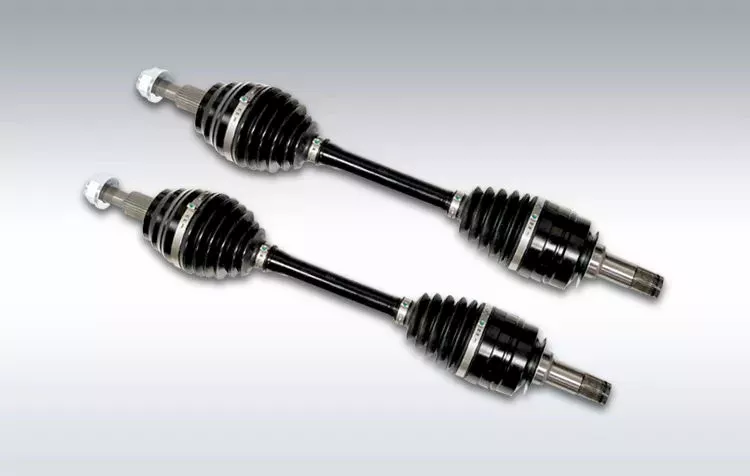
How do manufacturers ensure the compatibility of drive shafts with different equipment?
Manufacturers employ various strategies and processes to ensure the compatibility of drive shafts with different equipment. Compatibility refers to the ability of a drive shaft to effectively integrate and function within a specific piece of equipment or machinery. Manufacturers take into account several factors to ensure compatibility, including dimensional requirements, torque capacity, operating conditions, and specific application needs. Here’s a detailed explanation of how manufacturers ensure the compatibility of drive shafts:
1. Application Analysis:
Manufacturers begin by conducting a thorough analysis of the intended application and equipment requirements. This analysis involves understanding the specific torque and speed demands, operating conditions (such as temperature, vibration levels, and environmental factors), and any unique characteristics or constraints of the equipment. By gaining a comprehensive understanding of the application, manufacturers can tailor the design and specifications of the drive shaft to ensure compatibility.
2. Customization and Design:
Manufacturers often offer customization options to adapt drive shafts to different equipment. This customization involves tailoring the dimensions, materials, joint configurations, and other parameters to match the specific requirements of the equipment. By working closely with the equipment manufacturer or end-user, manufacturers can design drive shafts that align with the equipment’s mechanical interfaces, mounting points, available space, and other constraints. Customization ensures that the drive shaft fits seamlessly into the equipment, promoting compatibility and optimal performance.
3. Torque and Power Capacity:
Drive shaft manufacturers carefully determine the torque and power capacity of their products to ensure compatibility with different equipment. They consider factors such as the maximum torque requirements of the equipment, the expected operating conditions, and the safety margins necessary to withstand transient loads. By engineering drive shafts with appropriate torque ratings and power capacities, manufacturers ensure that the shaft can handle the demands of the equipment without experiencing premature failure or performance issues.
4. Material Selection:
Manufacturers choose materials for drive shafts based on the specific needs of different equipment. Factors such as torque capacity, operating temperature, corrosion resistance, and weight requirements influence material selection. Drive shafts may be made from various materials, including steel, aluminum alloys, or specialized composites, to provide the necessary strength, durability, and performance characteristics. The selected materials ensure compatibility with the equipment’s operating conditions, load requirements, and other environmental factors.
5. Joint Configurations:
Drive shafts incorporate joint configurations, such as universal joints (U-joints) or constant velocity (CV) joints, to accommodate different equipment needs. Manufacturers select and design the appropriate joint configuration based on factors such as operating angles, misalignment tolerances, and the desired level of smooth power transmission. The choice of joint configuration ensures that the drive shaft can effectively transmit power and accommodate the range of motion required by the equipment, promoting compatibility and reliable operation.
6. Quality Control and Testing:
Manufacturers implement stringent quality control processes and testing procedures to verify the compatibility of drive shafts with different equipment. These processes involve conducting dimensional inspections, material testing, torque and stress analysis, and performance testing under simulated operating conditions. By subjecting drive shafts to rigorous quality control measures, manufacturers can ensure that they meet the required specifications and performance criteria, guaranteeing compatibility with the intended equipment.
7. Соответствие стандартам:
Manufacturers ensure that their drive shafts comply with relevant industry standards and regulations. Compliance with standards, such as ISO (International Organization for Standardization) or specific industry standards, provides assurance of quality, safety, and compatibility. Adhering to these standards helps manufacturers meet the expectations and requirements of equipment manufacturers and end-users, ensuring that the drive shafts are compatible and can be seamlessly integrated into different equipment.
8. Collaboration and Feedback:
Manufacturers often collaborate closely with equipment manufacturers, OEMs (Original Equipment Manufacturers), or end-users to gather feedback and incorporate their specific requirements into the drive shaft design and manufacturing processes. This collaborative approach ensures that the drive shafts are compatible with the intended equipment and meet the expectations of the end-users. By actively seeking input and feedback, manufacturers can continuously improve their products’ compatibility and performance.
In summary, manufacturers ensure the compatibility of drive shafts with different equipment through a combination of application analysis, customization, torque and power capacity considerations, material selection, joint configurations, quality control and testing, compliance with standards, and collaboration with equipment manufacturers and end-users. These efforts enable manufacturers to design and produce drive shafts that seamlessly integrate with various equipment, ensuring optimal performance, reliability, and compatibility in different applications.
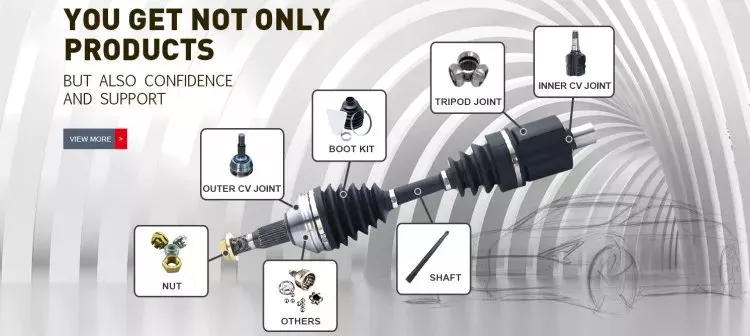
Каким образом карданные валы повышают производительность автомобилей и грузовиков?
Карданные валы играют важную роль в повышении производительности легковых и грузовых автомобилей. Они влияют на различные аспекты работы транспортного средства, включая передачу мощности, сцепление с дорогой, управляемость и общую эффективность. Вот подробное объяснение того, как карданные валы повышают производительность легковых и грузовых автомобилей:
1. Подача питания: Drive shafts are responsible for transmitting power from the engine to the wheels, enabling the vehicle to move forward. By efficiently transferring power without significant losses, drive shafts ensure that the engine’s power is effectively utilized, resulting in improved acceleration and overall performance. Well-designed drive shafts with minimal power loss contribute to the vehicle’s ability to deliver power to the wheels efficiently.
2. Передача крутящего момента: Карданные валы обеспечивают передачу крутящего момента от двигателя к колесам. Крутящий момент — это вращательная сила, которая приводит автомобиль в движение. Высококачественные карданные валы с надлежащими возможностями преобразования крутящего момента гарантируют эффективную передачу крутящего момента, создаваемого двигателем, на колеса. Это повышает способность автомобиля быстро разгоняться, буксировать тяжелые грузы и преодолевать крутые подъемы, тем самым улучшая общие ходовые характеристики.
3. Сцепление с дорогой и устойчивость: Карданные валы обеспечивают сцепление с дорогой и устойчивость легковых и грузовых автомобилей. Они передают мощность на колеса, позволяя им оказывать усилие на дорожное покрытие. Это обеспечивает автомобилю сцепление с дорогой, особенно при разгоне или движении по скользкой или неровной местности. Эффективная передача мощности через карданные валы повышает устойчивость автомобиля, обеспечивая сбалансированное распределение мощности на все колеса, улучшая управляемость и маневренность.
4. Управляемость и маневренность: Карданные валы влияют на управляемость и маневренность автомобилей. Они обеспечивают прямую связь между двигателем и колесами, что позволяет точно контролировать движение и обеспечивает отзывчивость. Хорошо спроектированные карданные валы с минимальным люфтом способствуют более прямой и мгновенной реакции на действия водителя, повышая маневренность и управляемость автомобиля.
5. Снижение веса: Карданные валы могут способствовать снижению веса автомобилей и грузовиков. Легкие карданные валы, изготовленные из таких материалов, как алюминий или композиты, армированные углеродным волокном, уменьшают общий вес транспортного средства. Снижение веса улучшает соотношение мощности к весу, что приводит к улучшению разгона, управляемости и топливной экономичности. Кроме того, легкие карданные валы уменьшают вращающуюся массу, позволяя двигателю быстрее набирать обороты, что еще больше повышает производительность.
6. Механическая эффективность: Эффективные карданные валы минимизируют потери энергии при передаче мощности. Благодаря использованию таких элементов, как высококачественные подшипники, уплотнения с низким коэффициентом трения и оптимизированная смазка, карданные валы снижают трение и минимизируют потери мощности из-за внутреннего сопротивления. Это повышает механическую эффективность трансмиссии, позволяя передавать больше мощности на колеса и улучшая общие характеристики автомобиля.
7. Повышение производительности: Drive shaft upgrades can be popular performance enhancements for enthusiasts. Upgraded drive shafts, such as those made from stronger materials or with enhanced torque capacity, can handle higher power outputs from modified engines. These upgrades allow for increased performance, such as improved acceleration, higher top speeds, and better overall driving dynamics.
8. Совместимость с модификациями, повышающими производительность: Модификации, повышающие производительность, такие как модернизация двигателя, увеличение мощности или изменения в трансмиссии, часто требуют совместимых карданных валов. Карданные валы, рассчитанные на более высокие крутящие нагрузки или адаптированные к модифицированным конфигурациям трансмиссии, обеспечивают оптимальную производительность и надежность. Они позволяют автомобилю эффективно использовать возросшую мощность и крутящий момент, что приводит к улучшению характеристик и отзывчивости.
9. Долговечность и надежность: Прочные и исправно обслуживаемые карданные валы способствуют долговечности и надежности автомобилей и грузовиков. Они рассчитаны на то, чтобы выдерживать нагрузки и напряжения, связанные с передачей мощности. Высококачественные материалы, правильная балансировка и регулярное техническое обслуживание помогают обеспечить бесперебойную работу карданных валов, минимизируя риск поломок или проблем с производительностью. Надежные карданные валы повышают общую производительность, обеспечивая стабильную передачу мощности и минимизируя время простоя.
10. Совместимость с передовыми технологиями: Карданные валы развиваются параллельно с достижениями в автомобильных технологиях. Они все чаще интегрируются с передовыми системами, такими как гибридные силовые установки, электродвигатели и системы рекуперативного торможения. Карданные валы, разработанные для бесперебойной работы с этими технологиями, максимально повышают их эффективность и производительность, способствуя улучшению общих характеристик автомобиля.
In summary, drive shafts enhance the performance of automobiles and trucks by optimizing power delivery, facilitating torque transfer, improving traction and stability, enhancing handling and maneuverability, reducing weight, increasing mechanical efficiency, enabling compatibility with performance upgrades and advanced technologies, and ensuring durability and reliability. They play a crucial role in ensuring efficient power transmission, responsive acceleration, precise handling, and overall improved performance of vehicles.

Что такое карданный вал и как он функционирует в транспортных средствах и механизмах?
Карданный вал, также известный как гребной вал или карданный вал, — это механический компонент, играющий важнейшую роль в передаче вращательной мощности от двигателя к колесам или другим приводным компонентам в транспортных средствах и механизмах. Он широко используется в различных типах транспортных средств, включая автомобили, грузовики, мотоциклы, а также сельскохозяйственную и промышленную технику. Вот подробное объяснение того, что такое карданный вал и как он функционирует:
1. Определение и построение: Карданный вал — это цилиндрическая металлическая трубка, соединяющая двигатель или источник энергии с колёсами или приводными компонентами. Обычно он изготавливается из стали или алюминия и состоит из одной или нескольких трубчатых секций с карданными шарнирами (U-образными шарнирами) на каждом конце. Эти карданные шарниры обеспечивают угловое перемещение и компенсацию несоосности между двигателем/трансмиссией и приводными колёсами или компонентами.
2. Передача энергии: Основная функция карданного вала — передача вращательной мощности от двигателя или источника питания к колесам или приводным компонентам. В транспортных средствах карданный вал соединяет выходной вал трансмиссии или коробки передач с дифференциалом, который затем передает мощность на колеса. В машинах карданный вал передает мощность от двигателя или мотора к различным приводным компонентам, таким как насосы, генераторы или другие механические системы.
3. Крутящий момент и скорость: Приводной вал отвечает за передачу как крутящего момента, так и скорости вращения. Крутящий момент — это вращательная сила, создаваемая двигателем или источником энергии, а скорость вращения — это число оборотов в минуту (об/мин). Приводной вал должен быть способен передавать требуемый крутящий момент без чрезмерного скручивания или изгиба и поддерживать желаемую скорость вращения для эффективной работы приводимых в движение компонентов.
4. Гибкая связь: Карданные шарниры на карданном валу обеспечивают гибкое соединение, позволяющее осуществлять угловые перемещения и компенсировать несоосность между двигателем/трансмиссией и ведущими колесами или компонентами. При движении подвески автомобиля или работе оборудования на неровной местности карданный вал может изменять свою длину и угол наклона для компенсации этих перемещений, обеспечивая плавную передачу мощности и предотвращая повреждение компонентов трансмиссии.
5. Длина и баланс: Длина карданного вала определяется расстоянием между двигателем или источником энергии и ведущими колесами или компонентами. Он должен быть соответствующего размера, чтобы обеспечить надлежащую передачу мощности и избежать чрезмерных вибраций или изгиба. Кроме того, карданный вал тщательно балансируется для минимизации вибраций и дисбаланса вращения, которые могут вызывать дискомфорт, снижать эффективность и приводить к преждевременному износу компонентов трансмиссии.
6. Вопросы безопасности: В транспортных средствах и механизмах приводные валы требуют надлежащих мер безопасности. В транспортных средствах приводные валы часто заключены в защитную трубу или корпус, чтобы предотвратить контакт с движущимися частями и снизить риск травм в случае неисправности или поломки. Кроме того, вокруг открытых приводных валов в механизмах обычно устанавливаются защитные экраны или ограждения для защиты операторов от потенциальных опасностей, связанных с вращающимися компонентами.
7. Техническое обслуживание и осмотр: Регулярное техническое обслуживание и осмотр карданных валов необходимы для обеспечения их надлежащего функционирования и долговечности. Это включает в себя проверку на наличие признаков износа, повреждений или чрезмерного люфта в карданных шарнирах, осмотр карданного вала на наличие трещин или деформаций, а также смазку карданных шарниров в соответствии с рекомендациями производителя. Правильное техническое обслуживание помогает предотвратить поломки, обеспечивает оптимальную производительность и продлевает срок службы карданного вала.
Вкратце, карданный вал — это механический компонент, передающий вращательную мощность от двигателя или источника энергии к колесам или приводным компонентам в транспортных средствах и механизмах. Он обеспечивает жесткое соединение между двигателем/трансмиссией и приводными колесами или компонентами, а также позволяет осуществлять угловые перемещения и компенсацию несоосности с помощью карданных шарниров. Карданный вал играет решающую роль в передаче мощности, крутящего момента и скорости, гибкой муфте, учете длины и балансировки, безопасности и требованиях к техническому обслуживанию. Его правильное функционирование необходимо для плавной и эффективной работы транспортных средств и механизмов.


editor by CX 2024-03-07























