
Описание продукта
custom large aisi 4340 cast iron long mild steel rolling mill transmission propeller pto drive shaft
The drive shaft and the passive shaft shall be a pair of directly adjacent shafts connected by transmission pairs (gears, pulleys, sprockets, etc.). driving shaft is closer to the power source .on the contrary, the passive shaft is similar to the working shaft, it is mainly used in lathes, milling machines, fans, conveyors, injection molding machines, processing centers, steam turbines, drilling machines, hydraulic turbines, machinery industry, etc.
We are manufacture main shaft,transmission shaft, rotor shaft,propeller shaft,wind power shaft,passive shaft, support roller shaft,gear shaft,eccentric shaft,custom and oem are accepted.
|
Product name |
OEM machining forged 42CrMo steel thread axis shaft |
||
|
Материал |
ZG45,ZG42CrMo,35CrMo,ect |
||
|
Structure |
Casting or forging |
||
|
Process |
Lathing, milling,grinding |
||
|
Max.diameter |
2000mm |
||
|
Max.length |
8000mm |
||
|
Max.tolerance |
±0.3 |
||
|
Тип |
According to drawings |
||
|
Упаковка |
Seaworthy packing |
||
|
Delivery time |
15-45 days |
||
|
Сертификация |
SGS,ISO |
||
process equipment list
| equipment | process part size | qty | model |
| gantry milling machine | 6000*2300*1600 | 1 | BX2571 |
| gantry milling machine | 3000*1200*800 | 1 | XQ2012 |
| CNC centre | 1000*600 | 1 | 1060 |
| CNC centre | 1300*700 | 1 | 1370 |
| CNC centre | 4300*2700 | 1 | 4370 |
| vertical milling machine | 1500 | 1 | X53T |
| gantry boring and milling | 1800*4000 | 1 | B**2018 |
| horizontal milling machine | 960*1200*1200 | 1 | TP *611B |
| horizontal lathe | dia300*3000 | 4 | CW6163E |
| saw machine | dia5—300 | 4 | |
| grinding machine | 1000*300 | 1 | M71304 |
| grinding macnine for outer dia | 1500*3200 | 1 | M1332B |
| gantry CNC centre | 4000*2700 | 1 | YR4571 |
| common lathe | dia20–1280,L 20–5000 | 6 | |
| common drilling machine | dia2–80 | 6 | |
| plasma cut machine | 4000*12000 | 1 | SXL-400 |
| arc welding machine | 2 | 500-2 | |
| co2 welding machine | 14 | 350 500 | |
| other common machine | common milling ,lathe , driling and milling machine etc | ||
Часто задаваемые вопросы
Q1: Are you a factory or trading company?
A:We are a factory and have more years manufacture and sales experience.
Q2: What is your sample policy?
A:We can supply the sample if we have , but the customers have to pay the sample cost and the courier cost.If sample quantity is more than our regular one, we will extra collect sample cost.
Q3: Can you produce according to the samples?
A:Yes, we can produce by your samples or technical drawings. We can build the molds.
Q4: What’s your delivery time?
A:For regular products, we keep them in stock. The specific delivery time depends on the items and the quantity of your order,usually15-20 days
Q5:What is your terms of payment?
A:T/T 30% as deposit, and 70% before delivery.
Q6:Do you test all your goods before delivery?
A:Yes, we have 100% test before delivery.
/* 10 марта 2571 17:59:20 */!function(){function s(e,r){var a,o={};try{e&&e.split(“,).forEach(function(e,t){e&&(a=e.match(/(.*?):(.*)$/))&&1
| Материал: | Углеродистая сталь |
|---|---|
| Нагрузка: | карданный вал |
| Жесткость и гибкость: | Жесткость / Жесткая ось |
| Точность размеров диаметра цапфы: | IT6-IT9 |
| Форма оси: | Прямой вал |
| Форма вала: | Stepped Shaft |
| Образцы: |
US$ 2000/Piece
1 штука (минимальный заказ) | |
|---|
| Настройка: |
Доступный
| Индивидуальный запрос |
|---|
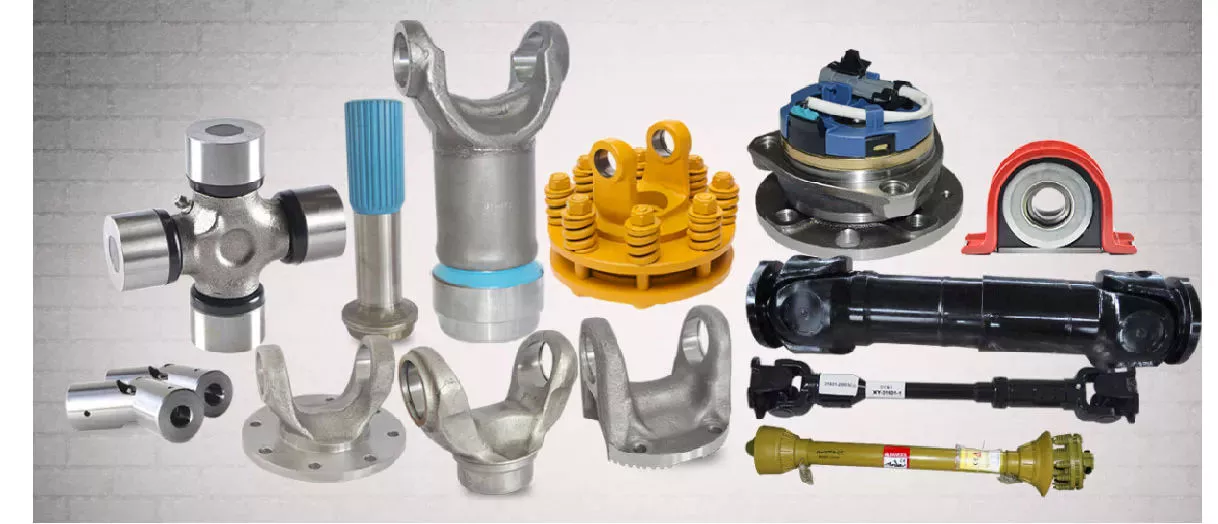
Are there variations in PTO shaft designs for different types of machinery?
Yes, there are variations in PTO (Power Take-Off) shaft designs to accommodate the specific requirements of different types of machinery. PTO shafts are highly versatile and adaptable components used to transfer power from a power source, such as a tractor or engine, to driven machinery or equipment. The design variations in PTO shafts are necessary to ensure compatibility, efficiency, and safety in various applications. Here’s a detailed explanation of the different PTO shaft designs for different types of machinery:
1. Standard PTO Shafts: Standard PTO shafts are the most common design and are widely used in a variety of applications. They typically consist of a solid steel shaft with a universal joint at each end. These universal joints allow for angular misalignment between the power source and the driven machinery. Standard PTO shafts are suitable for applications where the distance between the power source and the driven machinery remains relatively fixed. They are commonly used in agricultural implements, such as mowers, balers, tillers, and seeders, as well as in industrial applications.
2. Telescopic PTO Shafts: Telescopic PTO shafts feature a telescoping design that allows for length adjustment. These shafts consist of two or more concentric shafts that can slide within each other. Telescopic PTO shafts are beneficial in applications where the distance between the power source and the driven machinery varies. By adjusting the length of the shaft, operators can ensure proper power transmission without the risk of the shaft dragging on the ground or being too short to reach the equipment. Telescopic PTO shafts are commonly used in front-mounted implements, snow blowers, self-loading wagons, and other applications where the distance between the power source and the implement changes.
3. CV (Constant Velocity) PTO Shafts: CV PTO shafts incorporate Constant Velocity joints to accommodate misalignment and angular variations. These joints maintain a constant speed and torque transfer even when the driven machinery is at an angle relative to the power source. CV PTO shafts are beneficial in applications where the driven machinery requires flexibility and a wide range of movement. They are commonly used in articulated loaders, telescopic handlers, self-propelled sprayers, and other equipment that requires continuous power transmission while operating at various angles.
4. Gearbox Driven PTO Shafts: Some machinery requires specific speed or torque ratios between the power source and the driven equipment. In such cases, PTO shafts may incorporate gearbox systems. Gearbox driven PTO shafts allow for speed reduction or increase and can change the rotational direction if necessary. The gear ratios in the gearbox can be adjusted to match the speed and torque requirements of the driven machinery. These PTO shafts are commonly used in applications where the power source operates at a different speed or torque level than the equipment it drives, such as in certain industrial manufacturing processes and specialized machinery.
5. High-Torque PTO Shafts: Some heavy-duty machinery requires high torque levels for power transmission. High-torque PTO shafts are designed to handle these demanding applications. They are constructed with reinforced components, including larger diameter shafts and heavier-duty universal joints, to withstand the increased torque requirements. High-torque PTO shafts are commonly used in equipment such as wood chippers, crushers, and heavy-duty agricultural implements that require substantial power and torque for their operation.
6. Safety PTO Shafts: Safety is a crucial consideration when using PTO shafts. Safety PTO shafts incorporate mechanisms to reduce the risk of accidents and injuries. One common safety feature is the use of protective guards that cover the rotating shaft to prevent accidental contact. These guards are typically made of metal or plastic and are designed to shield the rotating components while allowing the necessary movement for power transmission. Safety PTO shafts are used in various applications where the risk of entanglement or accidental contact with the rotating shaft is high, such as in grass mowers, rotary cutters, and other equipment used in landscaping and agriculture.
These are some of the key variations in PTO shaft designs for different types of machinery. The specific design used depends on factors such as the application requirements, power source characteristics, torque levels, movement flexibility, and safety considerations. PTO shaft manufacturers offer a range of designs to ensure compatibility and efficient power transmission in diverse industries and applications.
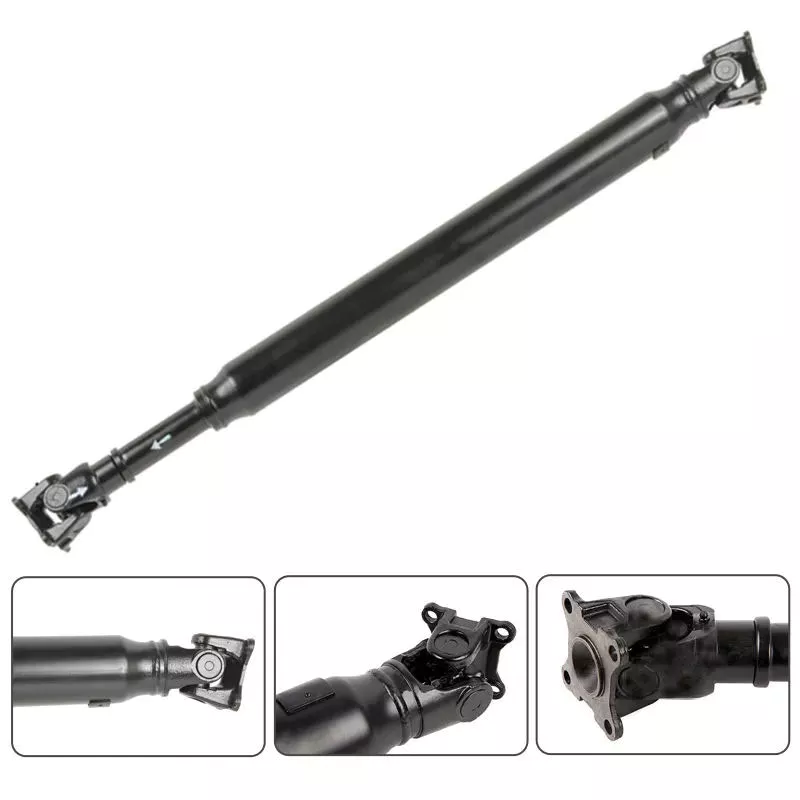
Существуют ли какие-либо ограничения или недостатки, связанные с валами отбора мощности?
Хотя валы отбора мощности (ВОМ) обладают многочисленными преимуществами с точки зрения передачи мощности и универсальности, они также имеют определенные ограничения и недостатки. Важно учитывать эти факторы при использовании валов ВОМ для обеспечения безопасной и эффективной работы. Ниже приведено подробное объяснение некоторых ограничений и недостатков, связанных с валами ВОМ:
1. Опасности для безопасности: Одна из главных проблем, связанных с валами отбора мощности, — это потенциальная опасность для безопасности. Валы отбора мощности вращаются с высокой скоростью и могут представлять значительную опасность, если они не защищены должным образом или с ними не обращаются должным образом. Случайный контакт с открытым или недостаточно защищенным валом отбора мощности может привести к серьезным травмам, включая запутывание, ампутацию или даже летальный исход. Крайне важно соблюдать правила техники безопасности, устанавливать надлежащие защитные ограждения и обеспечивать надлежащую подготовку операторов по безопасным методам обращения с валами для снижения этих рисков.
2. Техническое обслуживание и смазка: Валы отбора мощности требуют регулярного технического обслуживания и смазки для обеспечения оптимальной производительности и долговечности. Движущиеся части, такие как карданные шарниры и шлицы, необходимо осматривать, очищать и смазывать с рекомендуемой периодичностью. Пренебрежение техническим обслуживанием может привести к преждевременному износу, снижению эффективности и потенциальным поломкам. Правильные методы технического обслуживания, включая регулярные осмотры и своевременную смазку, необходимы для предотвращения этих проблем.
3. Выравнивание и углы: Для эффективной передачи мощности вал отбора мощности (ВОМ) нуждается в правильном выравнивании и углах наклона. Несоосность или чрезмерные углы между источником энергии и приводимым в движение механизмом могут привести к повышенному износу и нагрузке на компоненты, вызывая преждевременный выход из строя. Обеспечение правильного выравнивания и регулировки углов с помощью регулируемых скользящих вилок или других средств важно для предотвращения чрезмерной нагрузки на вал ВОМ и связанное с ним оборудование.
4. Ограничения по длине: Валы отбора мощности имеют ограничения по максимальной и минимальной длине из-за инженерных особенностей. Телескопическая конструкция позволяет производить некоторую регулировку, но существует практический предел того, насколько вал может выдвигаться или убираться. Если расстояние между источником питания и приводимым в движение механизмом превышает максимальную или становится меньше минимальной длины вала отбора мощности, могут потребоваться альтернативные решения или модификации. В некоторых случаях для преодоления этого расстояния могут потребоваться дополнительные компоненты, такие как удлинители приводного вала или редукторы.
5. Совместимость: Хотя производители стремятся обеспечить совместимость, поиск подходящего вала отбора мощности для конкретных конфигураций оборудования может представлять собой проблему. Оборудование может иметь уникальные требования к размерам шлицов, крутящему моменту или способам соединения, которые могут быть недоступны или несовместимы со стандартными валами отбора мощности. Для решения этих проблем совместимости может потребоваться изготовление на заказ, что может привести к увеличению затрат или сроков поставки.
6. Шум и вибрации: В процессе работы валы отбора мощности могут создавать значительный шум и вибрации, особенно на высоких скоростях. Это может доставлять неудобства операторам и потребовать дополнительных мер для снижения уровня шума или гашения вибраций. Чрезмерные вибрации также могут повлиять на общую производительность и срок службы вала отбора мощности и подключенного оборудования. Внедрение виброгасителей или использование гибких муфт может помочь смягчить эти проблемы.
7. Ограничения мощности: Валы отбора мощности имеют определенные ограничения по мощности, зависящие от их конструкции, материалов и компонентов. Превышение этих ограничений может привести к преждевременному износу, выходу из строя компонентов или даже поломке вала. Крайне важно понимать и соблюдать рекомендуемые значения мощности для валов отбора мощности, чтобы обеспечить безопасную и надежную работу. В некоторых случаях для удовлетворения более высоких требований к мощности может потребоваться замена вала отбора мощности на вал большей грузоподъемности или установка дополнительных компонентов передачи мощности.
8. Сложная установка и демонтаж: Установка и снятие валов отбора мощности могут быть сложным процессом, особенно в ограниченных пространствах или при работе с тяжелой техникой. Это может потребовать выравнивания шлицов, зацепления муфт и фиксации стопорных механизмов. Неправильные методы установки или снятия могут привести к повреждению вала или связанного с ним оборудования. Надлежащая подготовка, правильное обращение с оборудованием и следование рекомендациям производителя необходимы для упрощения и обеспечения безопасной установки и снятия валов отбора мощности.
Несмотря на эти ограничения и недостатки, валы отбора мощности остаются широко используемыми и ценными компонентами для передачи энергии в различных отраслях промышленности. Учитывая эти факторы и внедряя надлежащие меры безопасности, методы технического обслуживания и процедуры выравнивания, потенциальные недостатки валов отбора мощности могут быть эффективно смягчены, что позволит обеспечить безопасную и эффективную работу.

Which industries commonly use PTO shafts for power transmission?
PTO shafts (Power Take-Off shafts) are widely used in various industries where power transmission is required to drive machinery and equipment. Their versatility, efficiency, and compatibility with different types of machinery make them valuable components in several sectors. Here’s a detailed explanation of the industries that commonly use PTO shafts for power transmission:
1. Agriculture: The agricultural industry extensively relies on PTO shafts for power transmission. Tractors equipped with PTOs are commonly used to drive a wide range of agricultural implements and machinery. PTO-driven equipment includes mowers, balers, tillers, seeders, sprayers, grain augers, harvesters, and many more. PTO shafts allow for the efficient transfer of power from the tractor’s engine to these implements, enabling various agricultural operations such as cutting, baling, tilling, planting, spraying, and harvesting. The agricultural sector heavily depends on PTO shafts to enhance productivity and streamline farming processes.
2. Construction and Earthmoving: In the construction and earthmoving industry, PTO shafts find applications in machinery used for excavation, grading, and material handling. PTO-driven equipment such as backhoes, loaders, excavators, trenchers, and stump grinders utilize PTO shafts to transfer power from the prime movers, typically hydraulic systems, to drive the necessary attachments. These attachments require the high torque and power provided by PTO shafts to perform tasks like digging, loading, trenching, and grinding. PTO shafts allow for versatile and efficient power transmission in construction and earthmoving operations.
3. Forestry: The forestry industry utilizes PTO shafts for power transmission in various logging and timber processing equipment. PTO-driven machinery such as wood chippers, sawmills, log splitters, and debarkers rely on PTO shafts to transfer power from tractors or dedicated power units to perform tasks like chipping, sawing, splitting, and debarking wood. PTO shafts provide the necessary power and torque to drive the cutting and processing mechanisms, enabling efficient and productive forestry operations.
4. Landscaping and Groundskeeping: PTO shafts play a crucial role in the landscaping and groundskeeping industry. Equipment like lawn mowers, rotary cutters, flail mowers, and aerators utilize PTO shafts to transfer power from tractors or dedicated power units to drive the cutting or grooming mechanisms. PTO shafts enable efficient power transmission, allowing operators to maintain lawns, parks, golf courses, and other outdoor spaces with precision and productivity.
5. Mining and Quarrying: PTO shafts have applications in the mining and quarrying industry, particularly in equipment used for material extraction, crushing, and screening. PTO-driven machinery such as crushers, screeners, and conveyors rely on PTO shafts to transfer power from engines or motors to drive the crushing and screening mechanisms, as well as the material handling systems. PTO shafts provide the necessary power and torque to process and transport bulk materials effectively in mining and quarrying operations.
6. Industrial Manufacturing: PTO shafts are utilized in various industrial manufacturing processes that require power transmission to drive specific machinery and equipment. Industries such as food processing, textile manufacturing, paper production, and chemical processing may use PTO-driven machinery for tasks like mixing, blending, cutting, extruding, and conveying. PTO shafts enable efficient power transfer to these machines, ensuring smooth and reliable operation in industrial manufacturing settings.
7. Utilities and Infrastructure Maintenance: PTO shafts find applications in utilities and infrastructure maintenance operations. Equipment like street sweepers, sewer cleaners, road maintenance machines, and drain augers utilize PTO shafts to transfer power from trucks or dedicated power units to perform tasks like sweeping, cleaning, and maintenance of roads, sewers, and other public infrastructure. PTO shafts enable efficient power transmission, ensuring effective and reliable operation of these utility and maintenance machines.
8. Others: PTO shafts are also used in several other industries and sectors where power transmission is required. This includes applications in the transportation industry for powering refrigeration units, fuel pumps, and hydraulic systems in trucks and trailers. PTO shafts also find applications in the marine industry for powering winches, pumps, and other equipment on boats and ships.
In summary, PTO shafts are commonly used in a wide range of industries for power transmission. These industries include agriculture, construction and earthmoving, forestry, landscaping and groundskeeping, mining and quarrying, industrial manufacturing, utilities and infrastructure maintenance, transportation, and marine sectors. PTO shafts play a critical rolein enhancing productivity, enabling efficient operation of machinery, and facilitating various tasks in these industries.

editor by CX 2024-02-20























