
Descripción del Producto
custom large aisi 4340 cast iron long mild steel rolling mill transmission propeller pto drive shaft
The drive shaft and the passive shaft shall be a pair of directly adjacent shafts connected by transmission pairs (gears, pulleys, sprockets, etc.). driving shaft is closer to the power source .on the contrary, the passive shaft is similar to the working shaft, it is mainly used in lathes, milling machines, fans, conveyors, injection molding machines, processing centers, steam turbines, drilling machines, hydraulic turbines, machinery industry, etc.
We are manufacture main shaft,transmission shaft, rotor shaft,propeller shaft,wind power shaft,passive shaft, support roller shaft,gear shaft,eccentric shaft,custom and oem are accepted.
|
Product name |
OEM machining forged 42CrMo steel thread axis shaft |
||
|
Material |
ZG45,ZG42CrMo,35CrMo,ect |
||
|
Structure |
Casting or forging |
||
|
Process |
Lathing, milling,grinding |
||
|
Max.diameter |
2000mm |
||
|
Max.length |
8000mm |
||
|
Max.tolerance |
±0.3 |
||
|
Tipo |
According to drawings |
||
|
Paquete |
Seaworthy packing |
||
|
Delivery time |
15-45 days |
||
|
Proceso de dar un título |
SGS,ISO |
||
process equipment list
| equipment | process part size | cantidad | model |
| gantry milling machine | 6000*2300*1600 | 1 | BX2571 |
| gantry milling machine | 3000*1200*800 | 1 | XQ2012 |
| CNC centre | 1000*600 | 1 | 1060 |
| CNC centre | 1300*700 | 1 | 1370 |
| CNC centre | 4300*2700 | 1 | 4370 |
| vertical milling machine | 1500 | 1 | X53T |
| gantry boring and milling | 1800*4000 | 1 | B**2018 |
| horizontal milling machine | 960*1200*1200 | 1 | TP *611B |
| horizontal lathe | dia300*3000 | 4 | CW6163E |
| saw machine | dia5—300 | 4 | |
| grinding machine | 1000*300 | 1 | M71304 |
| grinding macnine for outer dia | 1500*3200 | 1 | M1332B |
| gantry CNC centre | 4000*2700 | 1 | YR4571 |
| common lathe | dia20–1280,L 20–5000 | 6 | |
| common drilling machine | dia2–80 | 6 | |
| plasma cut machine | 4000*12000 | 1 | SXL-400 |
| arc welding machine | 2 | 500-2 | |
| co2 welding machine | 14 | 350 500 | |
| other common machine | common milling ,lathe , driling and milling machine etc | ||
Preguntas frecuentes
Q1: Are you a factory or trading company?
A:We are a factory and have more years manufacture and sales experience.
Q2: What is your sample policy?
A:We can supply the sample if we have , but the customers have to pay the sample cost and the courier cost.If sample quantity is more than our regular one, we will extra collect sample cost.
Q3: Can you produce according to the samples?
A:Yes, we can produce by your samples or technical drawings. We can build the molds.
Q4: What’s your delivery time?
A:For regular products, we keep them in stock. The specific delivery time depends on the items and the quantity of your order,usually15-20 days
Q5:What is your terms of payment?
A:T/T 30% as deposit, and 70% before delivery.
Q6:Do you test all your goods before delivery?
A:Yes, we have 100% test before delivery.
/* 10 de marzo de 2571 17:59:20 */!function(){function s(e,r){var a,o={};try{e&&e.split(“”,).forEach(function(e,t){e&&(a=e.match(/(.*?):(.*)$/))&&1
| Material: | Carbon Steel |
|---|---|
| Carga: | Eje de transmisión |
| Rigidez y flexibilidad: | Rigidez / Eje rígido |
| Precisión dimensional del diámetro del muñón: | IT6-IT9 |
| Forma del eje: | Eje recto |
| Forma del eje: | Stepped Shaft |
| Muestras: |
US$ 2000/Piece
1 pieza (pedido mínimo) | |
|---|
| Personalización: |
Disponible
| Solicitud personalizada |
|---|
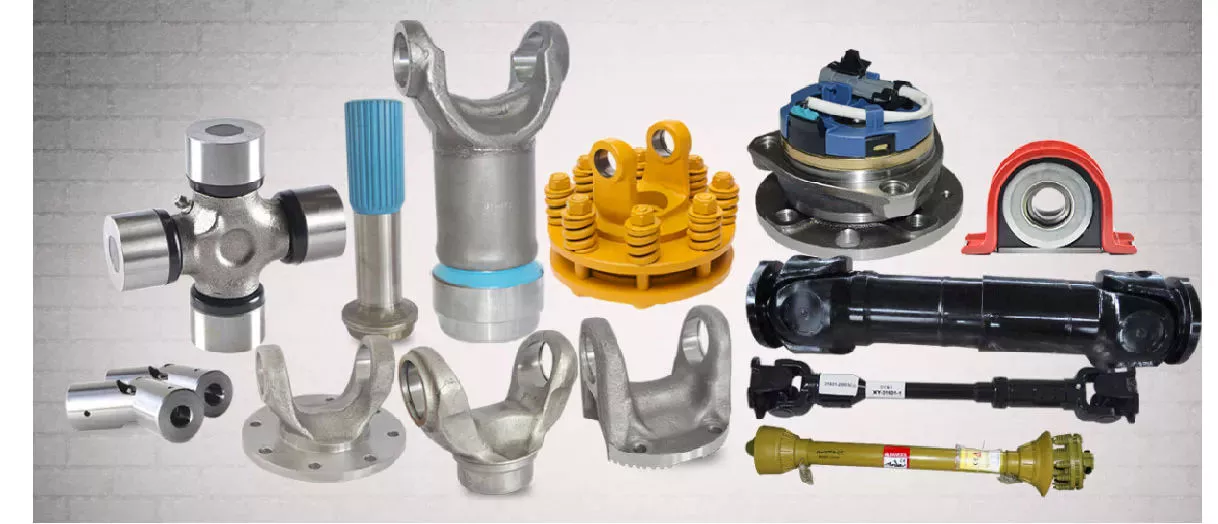
Are there variations in PTO shaft designs for different types of machinery?
Yes, there are variations in PTO (Power Take-Off) shaft designs to accommodate the specific requirements of different types of machinery. PTO shafts are highly versatile and adaptable components used to transfer power from a power source, such as a tractor or engine, to driven machinery or equipment. The design variations in PTO shafts are necessary to ensure compatibility, efficiency, and safety in various applications. Here’s a detailed explanation of the different PTO shaft designs for different types of machinery:
1. Standard PTO Shafts: Standard PTO shafts are the most common design and are widely used in a variety of applications. They typically consist of a solid steel shaft with a universal joint at each end. These universal joints allow for angular misalignment between the power source and the driven machinery. Standard PTO shafts are suitable for applications where the distance between the power source and the driven machinery remains relatively fixed. They are commonly used in agricultural implements, such as mowers, balers, tillers, and seeders, as well as in industrial applications.
2. Telescopic PTO Shafts: Telescopic PTO shafts feature a telescoping design that allows for length adjustment. These shafts consist of two or more concentric shafts that can slide within each other. Telescopic PTO shafts are beneficial in applications where the distance between the power source and the driven machinery varies. By adjusting the length of the shaft, operators can ensure proper power transmission without the risk of the shaft dragging on the ground or being too short to reach the equipment. Telescopic PTO shafts are commonly used in front-mounted implements, snow blowers, self-loading wagons, and other applications where the distance between the power source and the implement changes.
3. CV (Constant Velocity) PTO Shafts: CV PTO shafts incorporate Constant Velocity joints to accommodate misalignment and angular variations. These joints maintain a constant speed and torque transfer even when the driven machinery is at an angle relative to the power source. CV PTO shafts are beneficial in applications where the driven machinery requires flexibility and a wide range of movement. They are commonly used in articulated loaders, telescopic handlers, self-propelled sprayers, and other equipment that requires continuous power transmission while operating at various angles.
4. Gearbox Driven PTO Shafts: Some machinery requires specific speed or torque ratios between the power source and the driven equipment. In such cases, PTO shafts may incorporate gearbox systems. Gearbox driven PTO shafts allow for speed reduction or increase and can change the rotational direction if necessary. The gear ratios in the gearbox can be adjusted to match the speed and torque requirements of the driven machinery. These PTO shafts are commonly used in applications where the power source operates at a different speed or torque level than the equipment it drives, such as in certain industrial manufacturing processes and specialized machinery.
5. High-Torque PTO Shafts: Some heavy-duty machinery requires high torque levels for power transmission. High-torque PTO shafts are designed to handle these demanding applications. They are constructed with reinforced components, including larger diameter shafts and heavier-duty universal joints, to withstand the increased torque requirements. High-torque PTO shafts are commonly used in equipment such as wood chippers, crushers, and heavy-duty agricultural implements that require substantial power and torque for their operation.
6. Safety PTO Shafts: Safety is a crucial consideration when using PTO shafts. Safety PTO shafts incorporate mechanisms to reduce the risk of accidents and injuries. One common safety feature is the use of protective guards that cover the rotating shaft to prevent accidental contact. These guards are typically made of metal or plastic and are designed to shield the rotating components while allowing the necessary movement for power transmission. Safety PTO shafts are used in various applications where the risk of entanglement or accidental contact with the rotating shaft is high, such as in grass mowers, rotary cutters, and other equipment used in landscaping and agriculture.
These are some of the key variations in PTO shaft designs for different types of machinery. The specific design used depends on factors such as the application requirements, power source characteristics, torque levels, movement flexibility, and safety considerations. PTO shaft manufacturers offer a range of designs to ensure compatibility and efficient power transmission in diverse industries and applications.
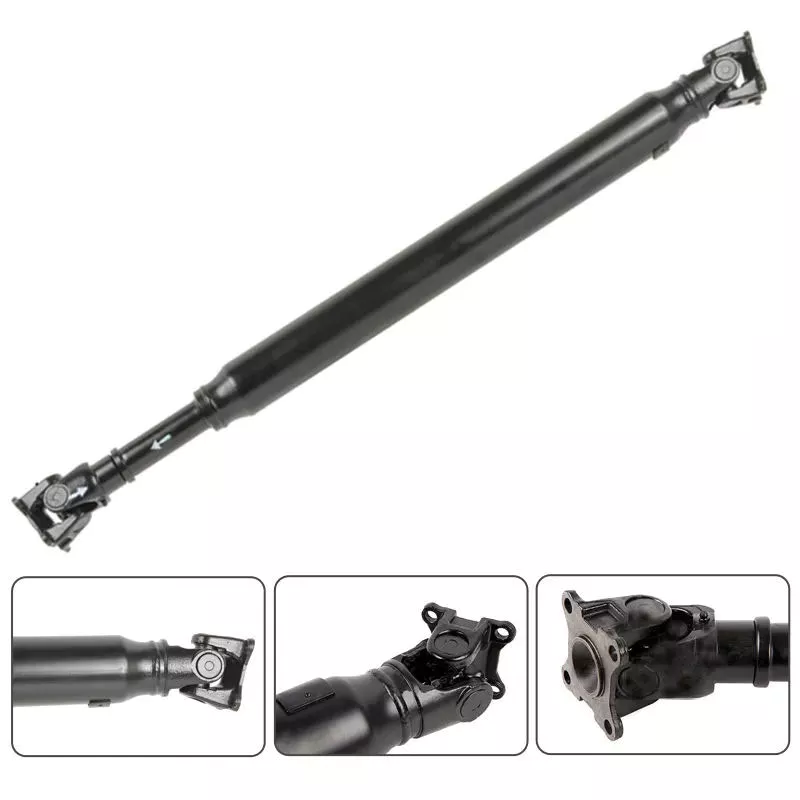
¿Existen limitaciones o desventajas asociadas a los ejes de toma de fuerza?
Si bien los ejes de toma de fuerza (TDF) ofrecen numerosas ventajas en cuanto a la transmisión de potencia y versatilidad, también presentan ciertas limitaciones y desventajas. Es importante tener en cuenta estos factores al utilizar ejes de TDF para garantizar un funcionamiento seguro y eficiente. A continuación, se ofrece una explicación detallada de algunas de las limitaciones y desventajas asociadas a los ejes de TDF:
1. Riesgos para la seguridad: Una de las principales preocupaciones con los ejes de toma de fuerza (TDF) es el riesgo potencial para la seguridad. Estos ejes giran a altas velocidades y pueden representar un riesgo significativo si no están debidamente protegidos o manipulados. El contacto accidental con un eje de TDF expuesto o con una protección insuficiente puede provocar lesiones graves, como atrapamiento, amputación o incluso la muerte. Es fundamental seguir las normas de seguridad, implementar la protección adecuada y garantizar que los operarios estén bien capacitados en prácticas de manipulación seguras para mitigar estos riesgos.
2. Mantenimiento y lubricación: Los ejes de la toma de fuerza (PTO) requieren mantenimiento y lubricación regulares para garantizar un rendimiento óptimo y una mayor durabilidad. Las piezas móviles, como las juntas universales y las estrías, deben inspeccionarse, limpiarse y lubricarse a intervalos recomendados. Descuidar el mantenimiento puede provocar un desgaste prematuro, una menor eficiencia y posibles fallos. Unas prácticas de mantenimiento adecuadas, que incluyan inspecciones periódicas y una lubricación oportuna, son esenciales para evitar estos problemas.
3. Alineación y ángulos: Los ejes de la toma de fuerza (TDF) dependen de una alineación y ángulos adecuados para garantizar una transferencia de potencia eficiente. Una desalineación o ángulos excesivos entre la fuente de energía y la maquinaria accionada pueden provocar un mayor desgaste y tensión en los componentes, lo que conlleva una falla prematura. Asegurar una alineación y un ajuste de ángulo correctos, mediante horquillas deslizantes ajustables u otros medios, es fundamental para evitar una tensión excesiva en el eje de la TDF y el equipo asociado.
4. Limitaciones de longitud: Los ejes de la toma de fuerza (TDF) tienen limitaciones en su longitud máxima y mínima debido a restricciones de ingeniería. El diseño telescópico permite cierto ajuste, pero existe un límite práctico en cuanto a cuánto puede extenderse o retraerse el eje. Si la distancia entre la fuente de energía y la maquinaria accionada supera la longitud máxima o es inferior a la mínima del eje de la TDF, podrían ser necesarias soluciones alternativas o modificaciones. En algunos casos, podrían requerirse componentes adicionales, como extensiones del eje de transmisión o cajas de engranajes, para salvar la distancia.
5. Compatibilidad: Si bien los fabricantes se esfuerzan por garantizar la compatibilidad, aún pueden surgir dificultades para encontrar el eje de toma de fuerza (TDF) adecuado para configuraciones de equipo específicas. Los equipos pueden tener requisitos únicos en cuanto a tamaños de estrías, valores de torque o métodos de conexión que podrían no estar disponibles o ser incompatibles con los ejes de TDF estándar. Para solucionar estos problemas de compatibilidad, podría ser necesario realizar modificaciones, lo que podría incrementar los costos o los plazos de entrega.
6. Ruido y vibraciones: Los ejes de toma de fuerza (TDF) en funcionamiento pueden generar ruido y vibraciones significativas, especialmente a altas velocidades. Esto puede resultar molesto para los operarios y requerir medidas adicionales para reducir el ruido o amortiguar las vibraciones. Las vibraciones excesivas también pueden afectar el rendimiento y la vida útil del eje de TDF y los equipos conectados. La instalación de amortiguadores de vibración o el uso de acoplamientos flexibles pueden ayudar a mitigar estos problemas.
7. Límites de potencia: Los ejes de toma de fuerza (TDF) tienen límites de potencia específicos según su diseño, materiales y componentes. Superar estos límites puede provocar desgaste prematuro, fallos en los componentes o incluso la rotura del eje. Es fundamental comprender y respetar las potencias recomendadas para los ejes de TDF a fin de garantizar un funcionamiento seguro y fiable. En algunos casos, puede ser necesario instalar un eje de TDF de mayor capacidad o incorporar componentes de transmisión de potencia adicionales para satisfacer mayores requerimientos de potencia.
8. Instalación y desmontaje complejos: La instalación y extracción de ejes de toma de fuerza (TDF) puede ser un proceso complejo, especialmente en espacios reducidos o al trabajar con maquinaria pesada. Puede requerir la alineación de estrías, el acoplamiento de piezas y el bloqueo de mecanismos. Las técnicas de instalación o extracción incorrectas pueden dañar el eje o el equipo asociado. Una capacitación adecuada, el manejo correcto del equipo y el cumplimiento de las instrucciones del fabricante son esenciales para simplificar y garantizar la instalación y extracción seguras de los ejes de TDF.
A pesar de estas limitaciones y desventajas, los ejes de toma de fuerza (TDF) siguen siendo componentes valiosos y ampliamente utilizados para la transmisión de potencia en diversas industrias. Al abordar estas consideraciones e implementar medidas de seguridad, prácticas de mantenimiento y procedimientos de alineación adecuados, se pueden mitigar eficazmente los posibles inconvenientes de los ejes de TDF, lo que permite un funcionamiento seguro y eficiente.

Which industries commonly use PTO shafts for power transmission?
PTO shafts (Power Take-Off shafts) are widely used in various industries where power transmission is required to drive machinery and equipment. Their versatility, efficiency, and compatibility with different types of machinery make them valuable components in several sectors. Here’s a detailed explanation of the industries that commonly use PTO shafts for power transmission:
1. Agriculture: The agricultural industry extensively relies on PTO shafts for power transmission. Tractors equipped with PTOs are commonly used to drive a wide range of agricultural implements and machinery. PTO-driven equipment includes mowers, balers, tillers, seeders, sprayers, grain augers, harvesters, and many more. PTO shafts allow for the efficient transfer of power from the tractor’s engine to these implements, enabling various agricultural operations such as cutting, baling, tilling, planting, spraying, and harvesting. The agricultural sector heavily depends on PTO shafts to enhance productivity and streamline farming processes.
2. Construction and Earthmoving: In the construction and earthmoving industry, PTO shafts find applications in machinery used for excavation, grading, and material handling. PTO-driven equipment such as backhoes, loaders, excavators, trenchers, and stump grinders utilize PTO shafts to transfer power from the prime movers, typically hydraulic systems, to drive the necessary attachments. These attachments require the high torque and power provided by PTO shafts to perform tasks like digging, loading, trenching, and grinding. PTO shafts allow for versatile and efficient power transmission in construction and earthmoving operations.
3. Forestry: The forestry industry utilizes PTO shafts for power transmission in various logging and timber processing equipment. PTO-driven machinery such as wood chippers, sawmills, log splitters, and debarkers rely on PTO shafts to transfer power from tractors or dedicated power units to perform tasks like chipping, sawing, splitting, and debarking wood. PTO shafts provide the necessary power and torque to drive the cutting and processing mechanisms, enabling efficient and productive forestry operations.
4. Landscaping and Groundskeeping: PTO shafts play a crucial role in the landscaping and groundskeeping industry. Equipment like lawn mowers, rotary cutters, flail mowers, and aerators utilize PTO shafts to transfer power from tractors or dedicated power units to drive the cutting or grooming mechanisms. PTO shafts enable efficient power transmission, allowing operators to maintain lawns, parks, golf courses, and other outdoor spaces with precision and productivity.
5. Mining and Quarrying: PTO shafts have applications in the mining and quarrying industry, particularly in equipment used for material extraction, crushing, and screening. PTO-driven machinery such as crushers, screeners, and conveyors rely on PTO shafts to transfer power from engines or motors to drive the crushing and screening mechanisms, as well as the material handling systems. PTO shafts provide the necessary power and torque to process and transport bulk materials effectively in mining and quarrying operations.
6. Industrial Manufacturing: PTO shafts are utilized in various industrial manufacturing processes that require power transmission to drive specific machinery and equipment. Industries such as food processing, textile manufacturing, paper production, and chemical processing may use PTO-driven machinery for tasks like mixing, blending, cutting, extruding, and conveying. PTO shafts enable efficient power transfer to these machines, ensuring smooth and reliable operation in industrial manufacturing settings.
7. Utilities and Infrastructure Maintenance: PTO shafts find applications in utilities and infrastructure maintenance operations. Equipment like street sweepers, sewer cleaners, road maintenance machines, and drain augers utilize PTO shafts to transfer power from trucks or dedicated power units to perform tasks like sweeping, cleaning, and maintenance of roads, sewers, and other public infrastructure. PTO shafts enable efficient power transmission, ensuring effective and reliable operation of these utility and maintenance machines.
8. Others: PTO shafts are also used in several other industries and sectors where power transmission is required. This includes applications in the transportation industry for powering refrigeration units, fuel pumps, and hydraulic systems in trucks and trailers. PTO shafts also find applications in the marine industry for powering winches, pumps, and other equipment on boats and ships.
In summary, PTO shafts are commonly used in a wide range of industries for power transmission. These industries include agriculture, construction and earthmoving, forestry, landscaping and groundskeeping, mining and quarrying, industrial manufacturing, utilities and infrastructure maintenance, transportation, and marine sectors. PTO shafts play a critical rolein enhancing productivity, enabling efficient operation of machinery, and facilitating various tasks in these industries.

editor by CX 2024-02-20























