
Descriere produs
custom large aisi 4340 cast iron long mild steel rolling mill transmission propeller pto drive shaft
The drive shaft and the passive shaft shall be a pair of directly adjacent shafts connected by transmission pairs (gears, pulleys, sprockets, etc.). driving shaft is closer to the power source .on the contrary, the passive shaft is similar to the working shaft, it is mainly used in lathes, milling machines, fans, conveyors, injection molding machines, processing centers, steam turbines, drilling machines, hydraulic turbines, machinery industry, etc.
We are manufacture main shaft,transmission shaft, rotor shaft,propeller shaft,wind power shaft,passive shaft, support roller shaft,gear shaft,eccentric shaft,custom and oem are accepted.
|
Product name |
OEM machining forged 42CrMo steel thread axis shaft |
||
|
Material |
ZG45,ZG42CrMo,35CrMo,ect |
||
|
Structure |
Casting or forging |
||
|
Process |
Lathing, milling,grinding |
||
|
Max.diameter |
2000mm |
||
|
Max.length |
8000mm |
||
|
Max.tolerance |
±0.3 |
||
|
Tip |
According to drawings |
||
|
Package |
Seaworthy packing |
||
|
Delivery time |
15-45 days |
||
|
Certificare |
SGS,ISO |
||
process equipment list
| equipment | process part size | cantitate | model |
| gantry milling machine | 6000*2300*1600 | 1 | BX2571 |
| gantry milling machine | 3000*1200*800 | 1 | XQ2012 |
| CNC centre | 1000*600 | 1 | 1060 |
| CNC centre | 1300*700 | 1 | 1370 |
| CNC centre | 4300*2700 | 1 | 4370 |
| vertical milling machine | 1500 | 1 | X53T |
| gantry boring and milling | 1800*4000 | 1 | B**2018 |
| horizontal milling machine | 960*1200*1200 | 1 | TP *611B |
| horizontal lathe | dia300*3000 | 4 | CW6163E |
| saw machine | dia5—300 | 4 | |
| grinding machine | 1000*300 | 1 | M71304 |
| grinding macnine for outer dia | 1500*3200 | 1 | M1332B |
| gantry CNC centre | 4000*2700 | 1 | YR4571 |
| common lathe | dia20–1280,L 20–5000 | 6 | |
| common drilling machine | dia2–80 | 6 | |
| plasma cut machine | 4000*12000 | 1 | SXL-400 |
| arc welding machine | 2 | 500-2 | |
| co2 welding machine | 14 | 350 500 | |
| other common machine | common milling ,lathe , driling and milling machine etc | ||
FAQ
Q1: Are you a factory or trading company?
A:We are a factory and have more years manufacture and sales experience.
Q2: What is your sample policy?
A:We can supply the sample if we have , but the customers have to pay the sample cost and the courier cost.If sample quantity is more than our regular one, we will extra collect sample cost.
Q3: Can you produce according to the samples?
A:Yes, we can produce by your samples or technical drawings. We can build the molds.
Q4: What’s your delivery time?
A:For regular products, we keep them in stock. The specific delivery time depends on the items and the quantity of your order,usually15-20 days
Q5:What is your terms of payment?
A:T/T 30% as deposit, and 70% before delivery.
Q6:Do you test all your goods before delivery?
A:Yes, we have 100% test before delivery.
/* March 10, 2571 17:59:20 */!function(){function s(e,r){var a,o={};try{e&&e.split(“,”).forEach(function(e,t){e&&(a=e.match(/(.*?):(.*)$/))&&1
| Material: | Oțel carbon |
|---|---|
| Load: | Arbore de transmisie |
| Stiffness & Flexibility: | Stiffness / Rigid Axle |
| Journal Diameter Dimensional Accuracy: | IT6-IT9 |
| Axis Shape: | Straight Shaft |
| Shaft Shape: | Stepped Shaft |
| Mostre: |
US$ 2000/Piece
1 bucată (comandă minimă) | |
|---|
| Personalizare: |
Disponibil
| Cerere personalizată |
|---|
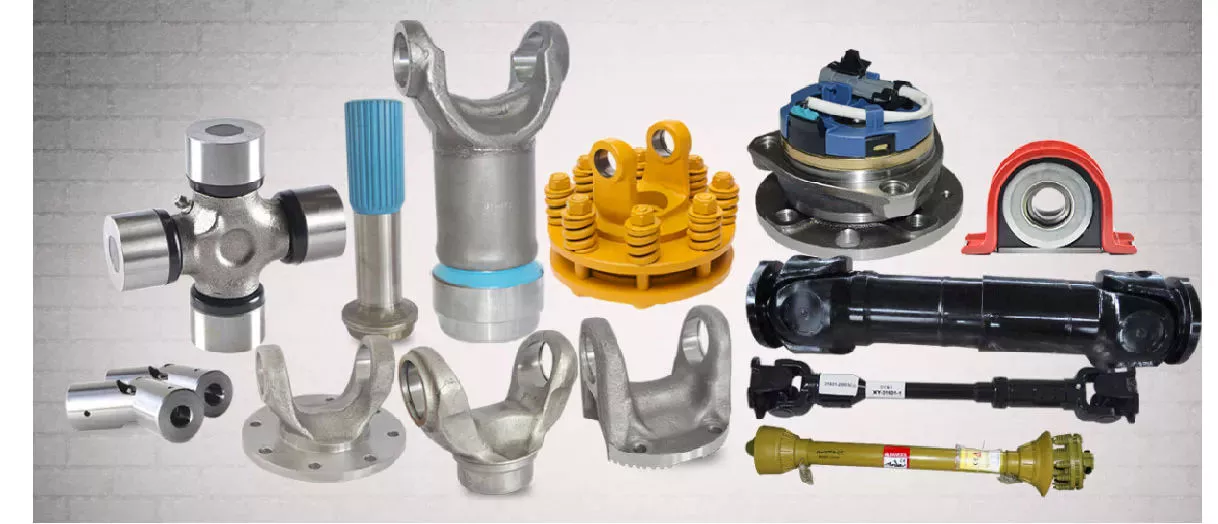
Are there variations in PTO shaft designs for different types of machinery?
Yes, there are variations in PTO (Power Take-Off) shaft designs to accommodate the specific requirements of different types of machinery. PTO shafts are highly versatile and adaptable components used to transfer power from a power source, such as a tractor or engine, to driven machinery or equipment. The design variations in PTO shafts are necessary to ensure compatibility, efficiency, and safety in various applications. Here’s a detailed explanation of the different PTO shaft designs for different types of machinery:
1. Standard PTO Shafts: Standard PTO shafts are the most common design and are widely used in a variety of applications. They typically consist of a solid steel shaft with a universal joint at each end. These universal joints allow for angular misalignment between the power source and the driven machinery. Standard PTO shafts are suitable for applications where the distance between the power source and the driven machinery remains relatively fixed. They are commonly used in agricultural implements, such as mowers, balers, tillers, and seeders, as well as in industrial applications.
2. Telescopic PTO Shafts: Telescopic PTO shafts feature a telescoping design that allows for length adjustment. These shafts consist of two or more concentric shafts that can slide within each other. Telescopic PTO shafts are beneficial in applications where the distance between the power source and the driven machinery varies. By adjusting the length of the shaft, operators can ensure proper power transmission without the risk of the shaft dragging on the ground or being too short to reach the equipment. Telescopic PTO shafts are commonly used in front-mounted implements, snow blowers, self-loading wagons, and other applications where the distance between the power source and the implement changes.
3. CV (Constant Velocity) PTO Shafts: CV PTO shafts incorporate Constant Velocity joints to accommodate misalignment and angular variations. These joints maintain a constant speed and torque transfer even when the driven machinery is at an angle relative to the power source. CV PTO shafts are beneficial in applications where the driven machinery requires flexibility and a wide range of movement. They are commonly used in articulated loaders, telescopic handlers, self-propelled sprayers, and other equipment that requires continuous power transmission while operating at various angles.
4. Gearbox Driven PTO Shafts: Some machinery requires specific speed or torque ratios between the power source and the driven equipment. In such cases, PTO shafts may incorporate gearbox systems. Gearbox driven PTO shafts allow for speed reduction or increase and can change the rotational direction if necessary. The gear ratios in the gearbox can be adjusted to match the speed and torque requirements of the driven machinery. These PTO shafts are commonly used in applications where the power source operates at a different speed or torque level than the equipment it drives, such as in certain industrial manufacturing processes and specialized machinery.
5. High-Torque PTO Shafts: Some heavy-duty machinery requires high torque levels for power transmission. High-torque PTO shafts are designed to handle these demanding applications. They are constructed with reinforced components, including larger diameter shafts and heavier-duty universal joints, to withstand the increased torque requirements. High-torque PTO shafts are commonly used in equipment such as wood chippers, crushers, and heavy-duty agricultural implements that require substantial power and torque for their operation.
6. Safety PTO Shafts: Safety is a crucial consideration when using PTO shafts. Safety PTO shafts incorporate mechanisms to reduce the risk of accidents and injuries. One common safety feature is the use of protective guards that cover the rotating shaft to prevent accidental contact. These guards are typically made of metal or plastic and are designed to shield the rotating components while allowing the necessary movement for power transmission. Safety PTO shafts are used in various applications where the risk of entanglement or accidental contact with the rotating shaft is high, such as in grass mowers, rotary cutters, and other equipment used in landscaping and agriculture.
These are some of the key variations in PTO shaft designs for different types of machinery. The specific design used depends on factors such as the application requirements, power source characteristics, torque levels, movement flexibility, and safety considerations. PTO shaft manufacturers offer a range of designs to ensure compatibility and efficient power transmission in diverse industries and applications.

Are there any limitations or disadvantages associated with PTO shafts?
While PTO (Power Take-Off) shafts offer numerous advantages in terms of power transfer and versatility, they also have certain limitations and disadvantages. It’s important to consider these factors when using PTO shafts to ensure safe and efficient operation. Here’s a detailed explanation of some limitations and disadvantages associated with PTO shafts:
1. Safety Hazards: One of the primary concerns with PTO shafts is the potential for safety hazards. PTO shafts rotate at high speeds and can pose a significant risk if not properly guarded or handled. Accidental contact with an exposed or inadequately shielded PTO shaft can result in severe injuries, including entanglement, amputation, or even fatalities. It is crucial to follow safety guidelines, implement proper guarding, and ensure that operators are well-trained on safe handling practices to mitigate these risks.
2. Întreținere și lubrifiere: PTO shafts require regular maintenance and lubrication to ensure optimal performance and longevity. The moving parts, such as universal joints and splines, need to be inspected, cleaned, and lubricated at recommended intervals. Neglecting maintenance can lead to premature wear, decreased efficiency, and potential failures. Proper maintenance practices, including regular inspections and timely lubrication, are essential to mitigate these issues.
3. Alignment and Angles: PTO shafts rely on proper alignment and angles to ensure efficient power transfer. Misalignment or excessive angles between the power source and driven machinery can cause increased wear and strain on the components, leading to premature failure. Ensuring proper alignment and angle adjustment, using adjustable sliding yokes or other means, is important to prevent excessive stress on the PTO shaft and associated equipment.
4. Length Limitations: PTO shafts have limitations on their maximum and minimum length due to engineering constraints. The telescoping design allows for some adjustment, but there is a practical limit to how much the shaft can extend or retract. If the distance between the power source and driven machinery exceeds the maximum or falls below the minimum length of the PTO shaft, alternative solutions or modifications may be required. In some cases, additional components such as drive shaft extensions or gearboxes may be necessary to bridge the distance.
5. Compatibility: While manufacturers strive to ensure compatibility, there can still be challenges in finding the right PTO shaft for specific equipment configurations. Equipment may have unique requirements in terms of spline sizes, torque ratings, or connection methods that may not be readily available or compatible with off-the-shelf PTO shafts. Customization may be required to address these compatibility issues, which can result in increased costs or lead times.
6. Noise and Vibrations: PTO shafts in operation can generate significant noise and vibrations, especially at higher speeds. This can be a nuisance for operators and may require additional measures to reduce noise levels or dampen vibrations. Excessive vibrations can also affect the overall performance and lifespan of the PTO shaft and connected equipment. Implementing vibration dampeners or using flexible couplings can help mitigate these issues.
7. Power Limits: PTO shafts have specific power limits based on their design, materials, and components. Exceeding these power limits can lead to premature wear, component failures, or even shaft breakage. It is crucial to understand and adhere to the recommended power ratings for PTO shafts to ensure safe and reliable operation. In some cases, upgrading to a higher-capacity PTO shaft or implementing additional power transmission components may be necessary to accommodate higher power requirements.
8. Complex Installation and Removal: Installing and removing PTO shafts can be a complex process, especially in confined spaces or when dealing with heavy equipment. It may require aligning splines, engaging couplings, and securing locking mechanisms. Improper installation or removal techniques can lead to damage to the shaft or associated equipment. Proper training, handling equipment, and following manufacturer guidelines are essential to simplify and ensure the safe installation and removal of PTO shafts.
Despite these limitations and disadvantages, PTO shafts remain widely used and valuable components for power transfer in various industries. By addressing these considerations and implementing proper safety measures, maintenance practices, and alignment procedures, the potential drawbacks of PTO shafts can be effectively mitigated, allowing for safe and efficient operation.

Ce industrii utilizează în mod obișnuit arbori cardanici pentru transmisia puterii?
Arborii cardanici (Power Take-Off shafts) sunt utilizați pe scară largă în diverse industrii unde este necesară transmiterea puterii pentru acționarea utilajelor și echipamentelor. Versatilitatea, eficiența și compatibilitatea lor cu diferite tipuri de utilaje îi fac componente valoroase în mai multe sectoare. Iată o explicație detaliată a industriilor care utilizează în mod obișnuit arbori cardanici pentru transmiterea puterii:
1. Agricultură: Industria agricolă se bazează în mare măsură pe arbori cardanici pentru transmisia puterii. Tractoarele echipate cu prize de putere sunt utilizate în mod obișnuit pentru a acționa o gamă largă de unelte și utilaje agricole. Echipamentele acționate de priză de putere includ cositoare, prese de balotat, freze, semănătoare, pulverizatoare, spirale pentru cereale, combine de recoltat și multe altele. Arborii cardanici permit transferul eficient al puterii de la motorul tractorului la aceste unelte, permițând diverse operațiuni agricole, cum ar fi tăierea, balotarea, aratarea, plantarea, pulverizarea și recoltarea. Sectorul agricol depinde în mare măsură de arbori cardanici pentru a spori productivitatea și a eficientiza procesele agricole.
2. Construcții și lucrări de terasament: În industria construcțiilor și a lucrărilor de terasament, arborii cardanici își găsesc aplicații în utilajele utilizate pentru excavare, nivelare și manipularea materialelor. Echipamentele acționate de priză de putere, cum ar fi excavatoarele, încărcătoarele, excavatoarele, excavatoarele de șanțuri și frezele de cioturi, utilizează arbori cardanici pentru a transfera puterea de la motoarele principale, de obicei sistemele hidraulice, pentru a acționa atașamentele necesare. Aceste atașamente necesită cuplul și puterea ridicate furnizate de arborii cardanici pentru a efectua sarcini precum săparea, încărcarea, săparea de șanțuri și măcinarea. Arborii cardanici permit o transmisie versatilă și eficientă a puterii în operațiunile de construcții și terasamente.
3. Silvicultură: Industria forestieră utilizează arbori cardanici pentru transmiterea puterii în diverse echipamente de exploatare forestieră și prelucrare a lemnului. Utilajele acționate de priză de putere, cum ar fi tocătoarele de lemne, gaterele, despicătoarele de bușteni și decojitoarele, se bazează pe arbori cardanici pentru a transfera puterea de la tractoare sau unități de putere dedicate pentru a efectua sarcini precum ciobirea, tăierea, despicarea și decojirea lemnului. Arborii cardanici furnizează puterea și cuplul necesare pentru a acționa mecanismele de tăiere și prelucrare, permițând operațiuni forestiere eficiente și productive.
4. Amenajarea peisagistică și întreținerea terenurilor: Arborele cardanice joacă un rol crucial în industria amenajării peisagistice și a întreținerii terenurilor. Echipamente precum mașinile de tuns iarba, mașinile de tuns iarba rotative, mașinile de tuns iarba cu ciocane și aeratoarele utilizează arbori cardanici pentru a transfera puterea de la tractoare sau unități de putere dedicate pentru a acționa mecanismele de tăiere sau de îngrijire. Arborele cardanice permit o transmitere eficientă a puterii, permițând operatorilor să întrețină peluzele, parcurile, terenurile de golf și alte spații exterioare cu precizie și productivitate.
5. Minerit și cariere: Arborele cardanice au aplicații în industria minieră și de exploatare, în special în echipamentele utilizate pentru extracția, concasare și sortare a materialelor. Utilajele acționate de priză de putere, cum ar fi concasoarele, cernetoarele și transportoarele, se bazează pe arborii cardanici pentru a transfera puterea de la motoare sau motoare pentru a acționa mecanismele de concasare și sortare, precum și sistemele de manipulare a materialelor. Arborele cardanice furnizează puterea și cuplul necesare pentru a procesa și transporta eficient materialele vrac în operațiunile miniere și de exploatare.
6. Producție industrială: Arborele cardanice sunt utilizate în diverse procese industriale de fabricație care necesită transmisie de putere pentru a acționa anumite utilaje și echipamente. Industrii precum prelucrarea alimentelor, fabricarea textilelor, producția de hârtie și prelucrarea substanțelor chimice pot utiliza utilaje acționate de priză de putere pentru sarcini precum amestecarea, amestecarea, tăierea, extrudarea și transportul. Arborele cardanice permit un transfer eficient de putere către aceste mașini, asigurând o funcționare lină și fiabilă în mediile de fabricație industrială.
7. Întreținerea utilităților și a infrastructurii: Arborele cardanice își găsesc aplicații în utilități și operațiuni de întreținere a infrastructurii. Echipamente precum măturatoarele stradale, mașinile de curățat canalizările, mașinile de întreținere a drumurilor și forajele de drenaj utilizează arbori cardanici pentru a transfera puterea de la camioane sau unități de alimentare dedicate pentru a îndeplini sarcini precum măturatul, curățarea și întreținerea drumurilor, canalizării și a altor infrastructuri publice. Arborele cardanice permit o transmitere eficientă a puterii, asigurând funcționarea eficientă și fiabilă a acestor mașini de utilități și întreținere.
8. Alții: Arborele cardanice sunt utilizate și în alte industrii și sectoare în care este necesară transmisia puterii. Acestea includ aplicații în industria transporturilor pentru alimentarea unităților de refrigerare, a pompelor de combustibil și a sistemelor hidraulice din camioane și remorci. Arborele cardanice își găsesc aplicații și în industria maritimă pentru alimentarea troliilor, pompelor și a altor echipamente de pe bărci și nave.
În concluzie, arborii cardanici sunt utilizați în mod obișnuit într-o gamă largă de industrii pentru transmiterea puterii. Aceste industrii includ agricultura, construcțiile și lucrările de terasament, silvicultura, amenajarea teritoriului și întreținerea terenurilor, mineritul și exploatarea carierelor, producția industrială, utilitățile și întreținerea infrastructurii, transporturile și sectoarele maritime. Arborii cardanici joacă un rol esențial în creșterea productivității, permiterea funcționării eficiente a utilajelor și facilitarea diverselor sarcini în aceste industrii.

editor by CX 2024-02-20























