
Productbeschrijving
|
Sollicitatie |
|||||
|
• Agricultural equipment |
• Armament |
• Automobile industry |
• Computing equipment |
• Medical / dental instruments |
• Measuring instruments |
|
•Miscellaneous equipment |
•Pharmaceutical industry |
• Orthopedic implants |
• Safety equipment |
• Petrochemical industry |
• Industrial valves |
|
•Fixing and movable equipment |
• Sanitary fittings |
• General machinery |
• Pumps and general connections |
• Food and beverage processing |
• Instrumentation equipment |
|
Item Name |
CNC Machined Manufacturing Stainless Steel Drive Forging Shaft |
|
General Products Application/Service Area |
Metal Parts Solution for Vehicle, Agriculture machine, Construction Machine, transportation equipment, Valve and Pump system, Agriculture machine metal Parts, engine bracket, truck chassis bracket, gear box , gear housing , gear cover, shaft, spline shaft , pulley, flange, connection pipe, pipe, hydraulic valve , valve housing ,Fitting , flange, wheel, fly wheel, oil pump housing, starter housing, coolant pump housing, transmission shaft , transmission gear, sprocket, chains etc. |
|
Main blank Process for Steel Casting |
Investment casting (wax mold made by middle temperature wax) /Precision casting ; Lost Wax Casting (wax mold made by low temperature wax)/ Precision casting |
|
Blanks Tolerance -Casting Tolerance |
CT7-8 for Lost wax Casting Process CT4-6 for Investment casting Process |
|
Applicable Material |
Carbon steel, Low Carbon steel, middle carbon steel,WCB, WCA, WCC, ISO 340-550, Alloy Carbon steel: G25CrMo4, Heat Resistant Steel, Stainless Steel: CF8, CF8M, . G-X6CrNiMo1810, G-X7CrNiNb1189, SUS 304, 304L, 316, 316L. OR According to customer requirement |
|
Casting Blank Size /Dimensions |
2 mm-600mm / 0.08inch-24inch according to customer requirement |
|
Casting Blank Weight |
Range from 0.01kg-85kg |
|
Applicable Machining Process |
CNC Machining/ Lathing/ Milling/ Turning/ Boring/ Drilling/ Tapping/ Broaching/Reaming /Grinding/Honing and etc. |
|
Machined Surface Quality |
Ra 0.8-Ra3.2 according to customer requirement |
|
Applicable Heat Treatment |
Normalization , annealing, quenching and tempering, Case Hardening, Nitriding, Carbon Nitriding, Induction Quenching |
|
Applicable Finish Surface Treatment |
Shot/sand blast, polishing, Surface passivation, Primer Painting , Powder coating, ED- Coating, Chromate Plating, zinc-plate, Dacromat coating, Finish Painting, |
|
MOQ |
For stainless steel casting : 200pcs For machining: 50pcs |
|
Levertijd |
45days from the receipt date of deposit for Steel Lost Wax Casting |
Technical Support:
ZheJiang Matech is professional at independent development and design. Our engineers are skilled at AUTO CAD, PRO ENGINEER, SOLID WORKS and other 2D & 3D softwares. We are able to design, develop,produce and deliver your PO according to your drawings, samples or just an idea. Dural control of standard products and OEM products.
Quality Control:
1) Checking the raw material after they reach our factory——- Incoming quality control ( IQC)
2) Checking the details before the production line operated
3) Have full inspection and routing inspection during mass production—In process quality control(IPQC)
4) Checking the goods after they are finished—- Final quality control(FQC)
5) Checking the goods after they are finished—–Outgoing quality control(OQC)
Main Product
Our Factory
ZheJiang CZPT Machinery Manufacturer Co., Ltd.
–Branch of CZPT Industry ltd.
We specialize in Metal Parts Solution for Vehicle, Agriculture machine, Construction Machine, transportation equipment, Valve and Pump system etc.
With keeping manufacturing process design, quality plHangZhou, key manufacturing processes and final quality control in house we are mastering key competence to supply quality mechanical parts and assembly to our customers for both Chinese and Export Market .
To satisfy different mechanical and functional requirements from our customers we are making a big range of metal products for our clients on base of different blanks solutions and technologies. These blanks solutions and technologies include processes of Iron Casting, Steel Casting, Stainless Steel Casting, Aluminum Casting and Forging.
During the early involvement of the customer’s design process we are giving professional input to our customers in terms of process feasibility, cost reduction and function approach. You are welcome to contact us for technical enquiry and business cooperation.
Our Certificate
Our Customer
Our Team
Our Package
Inner Packing →Strong & waterproof plastic big is packed inside, to keep the product in safe condition.Or as customer requests.
Outer Packing →Multilayer wooden box with strong bandages, used for standard export package. Or customized as per customer’s requirements.
Veelgestelde vragen
1. Are you a manufacturer or a trading company?
We are a professional manufacturer with over 15 years’ export experience for designing and producing vehicle machinery parts.
2. How can I get some samples?
If you need, we are glad to offer you samples for free, but the new clients are expected to pay the courier cost, and the charge will be deducted from the payment for formal order.
3. Can you make casting according to our drawing?
Yes, we can make casting according to your drawing, 2D drawing, or 3D cad model. If the 3D cad model can be supplied, the development of the tooling can be more efficient. But without 3D, based on 2D drawing we can still make the samples properly approved.
4. Can you make casting based on our samples?
Yes, we can make measurement based on your samples to make drawings for tooling making.
5. What’s your quality control device in house?
We have spectrometer in house to monitor the chemical property, tensile test machine to control the mechanical property and UT Sonic as NDT checking method to control the casting detect under the surface of cast.
/* 22 januari 2571 19:08:37 */!function(){function s(e,r){var a,o={};try{e&&e.split(“,”).forEach(function(e,t){e&&(a=e.match(/(.*?):(.*)$/))&&1
| Materiaal: | Stainless Steel, Steel, Iron, Aluminum, Brass |
|---|---|
| Laden: | Aandrijfas |
| Stijfheid en flexibiliteit: | Stijfheid / Starre as |
| Voorbeelden: |
US$ 6.62/kg
1 kg(Min.Order) | Bestel een proefmonster Customized according to product drawings
|
|---|
| Aanpassing: |
Beschikbaar
| Aanvraag op maat |
|---|
.shipping-cost-tm .tm-status-off{background: none;padding:0;color: #1470cc}
|
Verzendkosten:
Geschatte vrachtkosten per eenheid. |
Informatie over verzendkosten en geschatte levertijd. |
|---|
| Betaalmethode: |
|
|---|---|
|
Aanbetaling Volledige betaling |
| Munteenheid: | US$ |
|---|
| Retourneren en terugbetalingen: | Je kunt tot 30 dagen na ontvangst van de producten een terugbetaling aanvragen. |
|---|
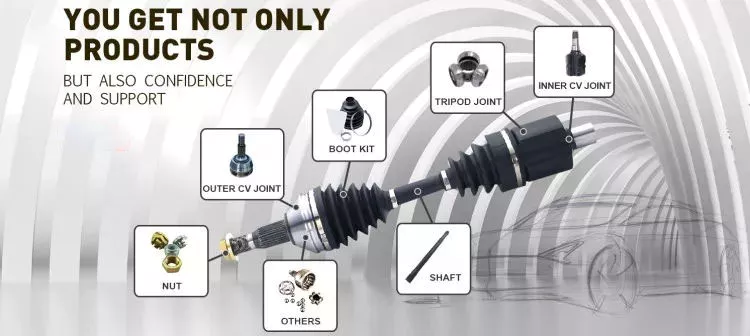
How do drive shafts ensure efficient power transfer while maintaining balance?
Drive shafts employ various mechanisms to ensure efficient power transfer while maintaining balance. Efficient power transfer refers to the ability of the drive shaft to transmit rotational power from the source (such as an engine) to the driven components (such as wheels or machinery) with minimal energy loss. Balancing, on the other hand, involves minimizing vibrations and eliminating any uneven distribution of mass that can cause disturbances during operation. Here’s an explanation of how drive shafts achieve both efficient power transfer and balance:
1. Material Selection:
The material selection for drive shafts is crucial for maintaining balance and ensuring efficient power transfer. Drive shafts are commonly made from materials such as steel or aluminum alloys, chosen for their strength, stiffness, and durability. These materials have excellent dimensional stability and can withstand the torque loads encountered during operation. By using high-quality materials, drive shafts can minimize deformation, flexing, and imbalances that could compromise power transmission and generate vibrations.
2. Design Considerations:
The design of the drive shaft plays a significant role in both power transfer efficiency and balance. Drive shafts are engineered to have appropriate dimensions, including diameter and wall thickness, to handle the anticipated torque loads without excessive deflection or vibration. The design also considers factors such as the length of the drive shaft, the number and type of joints (such as universal joints or constant velocity joints), and the use of balancing weights. By carefully designing the drive shaft, manufacturers can achieve optimal power transfer efficiency while minimizing the potential for imbalance-induced vibrations.
3. Balancing Techniques:
Balance is crucial for drive shafts as any imbalance can cause vibrations, noise, and accelerated wear. To maintain balance, drive shafts undergo various balancing techniques during the manufacturing process. Static and dynamic balancing methods are employed to ensure that the mass distribution along the drive shaft is uniform. Static balancing involves adding counterweights at specific locations to offset any weight imbalances. Dynamic balancing is performed by spinning the drive shaft at high speeds and measuring any vibrations. If imbalances are detected, additional adjustments are made to achieve a balanced state. These balancing techniques help minimize vibrations and ensure smooth operation of the drive shaft.
4. Universal Joints and Constant Velocity Joints:
Drive shafts often incorporate universal joints (U-joints) or constant velocity (CV) joints to accommodate misalignment and maintain balance during operation. U-joints are flexible joints that allow for angular movement between shafts. They are typically used in applications where the drive shaft operates at varying angles. CV joints, on the other hand, are designed to maintain a constant velocity of rotation and are commonly used in front-wheel-drive vehicles. By incorporating these joints, drive shafts can compensate for misalignment, reduce stress on the shaft, and minimize vibrations that can negatively impact power transfer efficiency and balance.
5. Maintenance and Inspection:
Regular maintenance and inspection of drive shafts are essential for ensuring efficient power transfer and balance. Periodic checks for wear, damage, or misalignment can help identify any issues that may affect the drive shaft’s performance. Lubrication of the joints and proper tightening of fasteners are also critical for maintaining optimal operation. By adhering to recommended maintenance procedures, any imbalances or inefficiencies can be addressed promptly, ensuring continued efficient power transfer and balance.
In summary, drive shafts ensure efficient power transfer while maintaining balance through careful material selection, thoughtful design considerations, balancing techniques, and the incorporation of flexible joints. By optimizing these factors, drive shafts can transmit rotational power smoothly and reliably, minimizing energy losses and vibrations that can impact performance and longevity.

What safety precautions should be followed when working with drive shafts?
Working with drive shafts requires adherence to specific safety precautions to prevent accidents, injuries, and damage to equipment. Drive shafts are critical components of a vehicle or machinery’s driveline system and can pose hazards if not handled properly. Here’s a detailed explanation of the safety precautions that should be followed when working with drive shafts:
1. Personal Protective Equipment (PPE):
Always wear appropriate personal protective equipment when working with drive shafts. This may include safety goggles, gloves, steel-toed boots, and protective clothing. PPE helps protect against potential injuries from flying debris, sharp edges, or accidental contact with moving parts.
2. Lockout/Tagout Procedures:
Before working on a drive shaft, ensure that the power source is properly locked out and tagged out. This involves isolating the power supply, such as shutting off the engine or disconnecting the electrical power, and securing it with a lockout/tagout device. This prevents accidental engagement of the drive shaft while maintenance or repair work is being performed.
3. Vehicle or Equipment Support:
When working with drive shafts in vehicles or equipment, use proper support mechanisms to prevent unexpected movement. Securely block the vehicle’s wheels or utilize support stands to prevent the vehicle from rolling or shifting during drive shaft removal or installation. This helps maintain stability and reduces the risk of accidents.
4. Proper Lifting Techniques:
When handling heavy drive shafts, use proper lifting techniques to prevent strain or injuries. Lift with the help of a suitable lifting device, such as a hoist or jack, and ensure that the load is evenly distributed and securely attached. Avoid lifting heavy drive shafts manually or with improper lifting equipment, as this can lead to accidents and injuries.
5. Inspection and Maintenance:
Prior to working on a drive shaft, thoroughly inspect it for any signs of damage, wear, or misalignment. If any abnormalities are detected, consult a qualified technician or engineer before proceeding. Regular maintenance is also essential to ensure the drive shaft is in good working condition. Follow the manufacturer’s recommended maintenance schedule and procedures to minimize the risk of failures or malfunctions.
6. Proper Tools and Equipment:
Use appropriate tools and equipment specifically designed for working with drive shafts. Improper tools or makeshift solutions can lead to accidents or damage to the drive shaft. Ensure that tools are in good condition, properly sized, and suitable for the task at hand. Follow the manufacturer’s instructions and guidelines when using specialized tools or equipment.
7. Controlled Release of Stored Energy:
Some drive shafts, particularly those with torsional dampers or other energy-storing components, can store energy even when the power source is disconnected. Exercise caution when working on such drive shafts and ensure that the stored energy is safely released before disassembly or removal.
8. Training and Expertise:
Work on drive shafts should only be performed by individuals with the necessary training, knowledge, and expertise. If you are not familiar with drive shafts or lack the required skills, seek assistance from qualified technicians or professionals. Improper handling or installation of drive shafts can lead to accidents, damage, or compromised performance.
9. Follow Manufacturer’s Guidelines:
Always follow the manufacturer’s guidelines, instructions, and warnings specific to the drive shaft you are working with. These guidelines provide important information regarding installation, maintenance, and safety considerations. Deviating from the manufacturer’s recommendations may result in unsafe conditions or void warranty coverage.
10. Disposal of Old or Damaged Drive Shafts:
Dispose of old or damaged drive shafts in accordance with local regulations and environmental guidelines. Improper disposal can have negative environmental impacts and may violate legal requirements. Consult with local waste management authorities or recycling centers to ensure appropriate disposal methods are followed.
By following these safety precautions, individuals can minimize the risks associated with working with drive shafts and promote a safe working environment. It is crucial to prioritize personal safety, use proper equipment and techniques, and seek professional help when needed to ensure the proper handling and maintenance of drive shafts.
Zijn er variaties in het ontwerp van aandrijfassen voor verschillende soorten machines?
Ja, er bestaan variaties in het ontwerp van aandrijfassen om te voldoen aan de specifieke eisen van verschillende soorten machines. Het ontwerp van een aandrijfas wordt beïnvloed door factoren zoals de toepassing, de behoefte aan krachtoverbrenging, ruimtebeperkingen, bedrijfsomstandigheden en het type aangedreven componenten. Hieronder volgt een uitleg over hoe aandrijfasontwerpen kunnen variëren voor verschillende soorten machines:
1. Toepassingen in de automobielindustrie:
In de auto-industrie kunnen aandrijfassen variëren afhankelijk van de configuratie van het voertuig. Achterwielaangedreven voertuigen gebruiken doorgaans een aandrijfas uit één of twee delen, die de transmissie of tussenbak verbindt met het achterdifferentieel. Voorwielaangedreven voertuigen gebruiken vaak een ander ontwerp, waarbij een aandrijfas in combinatie met homokinetische koppelingen (CV-koppelingen) de kracht overbrengt naar de voorwielen. Vierwielaangedreven voertuigen kunnen meerdere aandrijfassen hebben om de kracht over alle wielen te verdelen. De lengte, diameter, het materiaal en de soorten koppelingen kunnen verschillen op basis van de lay-out van het voertuig en de koppelvereisten.
2. Industriële machines:
Het ontwerp van aandrijfassen voor industriële machines hangt af van de specifieke toepassing en de eisen aan de krachtoverbrenging. In productiemachines, zoals transportbanden, persen en roterende apparatuur, zijn aandrijfassen ontworpen om de kracht efficiënt binnen de machine over te brengen. Ze kunnen flexibele verbindingen bevatten of gebruikmaken van een spie- of sleutelverbinding om uitlijningsfouten op te vangen of eenvoudige demontage mogelijk te maken. De afmetingen, materialen en versterking van de aandrijfas worden gekozen op basis van het koppel, de snelheid en de bedrijfsomstandigheden van de machine.
3. Landbouw en veeteelt:
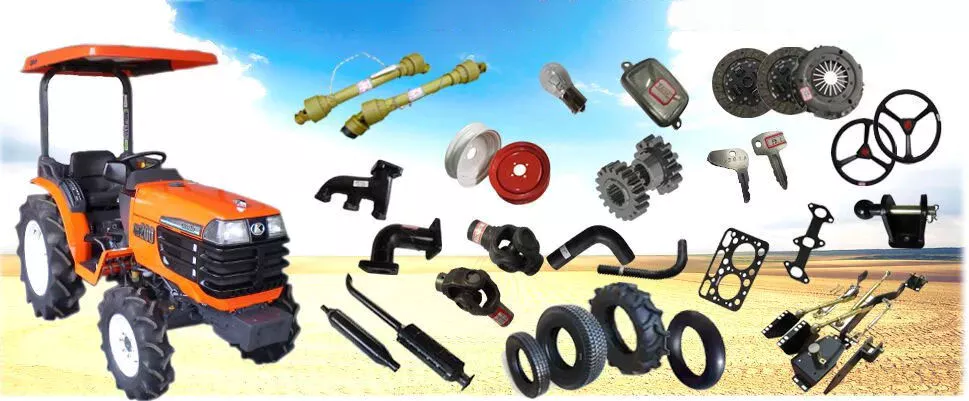
Landbouwmachines, zoals tractoren, maaidorsers en oogstmachines, vereisen vaak aandrijfassen die bestand zijn tegen hoge koppelbelastingen en variërende werkhoeken. Deze aandrijfassen zijn ontworpen om de kracht van de motor over te brengen op aanbouwdelen en werktuigen, zoals maaiers, balenpersen, grondfrezen en oogstmachines. Ze kunnen telescopische secties bevatten voor verstelbare lengtes, flexibele verbindingen om uitlijningsfouten tijdens gebruik te compenseren en beschermende afschermingen om te voorkomen dat ze verstrikt raken in gewassen of ander vuil.
4. Bouw en zwaar materieel:
Bouw- en zwaar materieel, waaronder graafmachines, laders, bulldozers en kranen, vereisen robuuste aandrijfassen die in staat zijn om kracht over te brengen onder veeleisende omstandigheden. Deze aandrijfassen hebben vaak een grotere diameter en dikkere wanden om hoge koppelbelastingen aan te kunnen. Ze kunnen zijn voorzien van kruiskoppelingen of homokinetische koppelingen om de werkhoeken te compenseren en schokken en trillingen op te vangen. Aandrijfassen in deze categorie kunnen ook extra verstevigingen hebben om bestand te zijn tegen de zware omstandigheden en toepassingen die kenmerkend zijn voor bouw- en graafwerkzaamheden.
5. Maritieme toepassingen:
Aandrijfassen voor maritieme toepassingen zijn specifiek ontworpen om de corrosieve effecten van zeewater en de hoge koppelbelastingen in scheepsaandrijfsystemen te weerstaan. Scheepsaandrijfassen worden doorgaans gemaakt van roestvrij staal of andere corrosiebestendige materialen. Ze kunnen flexibele koppelingen of dempingsmechanismen bevatten om trillingen te verminderen en de effecten van verkeerde uitlijning te beperken. Bij het ontwerp van scheepsaandrijfassen wordt ook rekening gehouden met factoren zoals aslengte, diameter en steunlagers om een betrouwbare krachtoverbrenging in schepen te garanderen.
6. Mijnbouw- en winningsapparatuur:
In de mijnbouw worden aandrijfassen gebruikt in zware machines en apparatuur zoals mijnbouwvrachtwagens, graafmachines en boorinstallaties. Deze aandrijfassen moeten bestand zijn tegen extreem hoge koppelbelastingen en zware bedrijfsomstandigheden. Aandrijfassen voor mijnbouwtoepassingen hebben vaak een grotere diameter, dikkere wanden en zijn vervaardigd van speciale materialen zoals gelegeerd staal of composietmaterialen. Ze kunnen zijn voorzien van kruiskoppelingen of homokinetische koppelingen om de werkhoeken te kunnen overbruggen en zijn ontworpen om slijtage te weerstaan.
Deze voorbeelden illustreren de variaties in aandrijfasontwerpen voor verschillende soorten machines. Bij het ontwerp wordt rekening gehouden met factoren zoals vermogensbehoefte, bedrijfsomstandigheden, ruimtebeperkingen, uitlijningseisen en de specifieke eisen van de machine of industrie. Door het ontwerp van de aandrijfas af te stemmen op de unieke eisen van elke toepassing, kunnen optimale efficiëntie en betrouwbaarheid van de krachtoverbrenging worden bereikt.


editor by CX 2024-04-12























