
คำอธิบายผลิตภัณฑ์
|
แอปพลิเคชัน |
|||||
|
• Agricultural equipment |
• Armament |
• Automobile industry |
• Computing equipment |
• Medical / dental instruments |
• Measuring instruments |
|
•Miscellaneous equipment |
•Pharmaceutical industry |
• Orthopedic implants |
• Safety equipment |
• Petrochemical industry |
• Industrial valves |
|
•Fixing and movable equipment |
• Sanitary fittings |
• General machinery |
• Pumps and general connections |
• Food and beverage processing |
• Instrumentation equipment |
|
Item Name |
CNC Machined Manufacturing Stainless Steel Drive Forging Shaft |
|
General Products Application/Service Area |
Metal Parts Solution for Vehicle, Agriculture machine, Construction Machine, transportation equipment, Valve and Pump system, Agriculture machine metal Parts, engine bracket, truck chassis bracket, gear box , gear housing , gear cover, shaft, spline shaft , pulley, flange, connection pipe, pipe, hydraulic valve , valve housing ,Fitting , flange, wheel, fly wheel, oil pump housing, starter housing, coolant pump housing, transmission shaft , transmission gear, sprocket, chains etc. |
|
Main blank Process for Steel Casting |
Investment casting (wax mold made by middle temperature wax) /Precision casting ; Lost Wax Casting (wax mold made by low temperature wax)/ Precision casting |
|
Blanks Tolerance -Casting Tolerance |
CT7-8 for Lost wax Casting Process CT4-6 for Investment casting Process |
|
Applicable Material |
Carbon steel, Low Carbon steel, middle carbon steel,WCB, WCA, WCC, ISO 340-550, Alloy Carbon steel: G25CrMo4, Heat Resistant Steel, Stainless Steel: CF8, CF8M, . G-X6CrNiMo1810, G-X7CrNiNb1189, SUS 304, 304L, 316, 316L. OR According to customer requirement |
|
Casting Blank Size /Dimensions |
2 mm-600mm / 0.08inch-24inch according to customer requirement |
|
Casting Blank Weight |
Range from 0.01kg-85kg |
|
Applicable Machining Process |
CNC Machining/ Lathing/ Milling/ Turning/ Boring/ Drilling/ Tapping/ Broaching/Reaming /Grinding/Honing and etc. |
|
Machined Surface Quality |
Ra 0.8-Ra3.2 according to customer requirement |
|
Applicable Heat Treatment |
Normalization , annealing, quenching and tempering, Case Hardening, Nitriding, Carbon Nitriding, Induction Quenching |
|
Applicable Finish Surface Treatment |
Shot/sand blast, polishing, Surface passivation, Primer Painting , Powder coating, ED- Coating, Chromate Plating, zinc-plate, Dacromat coating, Finish Painting, |
|
MOQ |
For stainless steel casting : 200pcs For machining: 50pcs |
|
ระยะเวลานำส่ง |
45days from the receipt date of deposit for Steel Lost Wax Casting |
Technical Support:
ZheJiang Matech is professional at independent development and design. Our engineers are skilled at AUTO CAD, PRO ENGINEER, SOLID WORKS and other 2D & 3D softwares. We are able to design, develop,produce and deliver your PO according to your drawings, samples or just an idea. Dural control of standard products and OEM products.
Quality Control:
1) Checking the raw material after they reach our factory——- Incoming quality control ( IQC)
2) Checking the details before the production line operated
3) Have full inspection and routing inspection during mass production—In process quality control(IPQC)
4) Checking the goods after they are finished—- Final quality control(FQC)
5) Checking the goods after they are finished—–Outgoing quality control(OQC)
Main Product
Our Factory
ZheJiang CZPT Machinery Manufacturer Co., Ltd.
–Branch of CZPT Industry ltd.
We specialize in Metal Parts Solution for Vehicle, Agriculture machine, Construction Machine, transportation equipment, Valve and Pump system etc.
With keeping manufacturing process design, quality plHangZhou, key manufacturing processes and final quality control in house we are mastering key competence to supply quality mechanical parts and assembly to our customers for both Chinese and Export Market .
To satisfy different mechanical and functional requirements from our customers we are making a big range of metal products for our clients on base of different blanks solutions and technologies. These blanks solutions and technologies include processes of Iron Casting, Steel Casting, Stainless Steel Casting, Aluminum Casting and Forging.
During the early involvement of the customer’s design process we are giving professional input to our customers in terms of process feasibility, cost reduction and function approach. You are welcome to contact us for technical enquiry and business cooperation.
Our Certificate
Our Customer
Our Team
Our Package
Inner Packing →Strong & waterproof plastic big is packed inside, to keep the product in safe condition.Or as customer requests.
Outer Packing →Multilayer wooden box with strong bandages, used for standard export package. Or customized as per customer’s requirements.
คำถามที่พบบ่อย
1. Are you a manufacturer or a trading company?
We are a professional manufacturer with over 15 years’ export experience for designing and producing vehicle machinery parts.
2. How can I get some samples?
If you need, we are glad to offer you samples for free, but the new clients are expected to pay the courier cost, and the charge will be deducted from the payment for formal order.
3. Can you make casting according to our drawing?
Yes, we can make casting according to your drawing, 2D drawing, or 3D cad model. If the 3D cad model can be supplied, the development of the tooling can be more efficient. But without 3D, based on 2D drawing we can still make the samples properly approved.
4. Can you make casting based on our samples?
Yes, we can make measurement based on your samples to make drawings for tooling making.
5. What’s your quality control device in house?
We have spectrometer in house to monitor the chemical property, tensile test machine to control the mechanical property and UT Sonic as NDT checking method to control the casting detect under the surface of cast.
/* 22 มกราคม 2571 19:08:37 */!function(){function s(e,r){var a,o={};try{e&&e.split(“,”).forEach(function(e,t){e&&(a=e.match(/(.*?):(.*)$/))&&1
| วัสดุ: | Stainless Steel, Steel, Iron, Aluminum, Brass |
|---|---|
| กำลังโหลด: | เพลาขับ |
| ความแข็งและความยืดหยุ่น: | ความแข็ง / เพลาแข็ง |
| ตัวอย่าง: |
US$ 6.62/kg
1 kg(Min.Order) | สั่งซื้อตัวอย่าง Customized according to product drawings
|
|---|
| การปรับแต่ง: |
มีอยู่
| คำขอที่กำหนดเอง |
|---|
.shipping-cost-tm .tm-status-off{background: none;padding:0;color: #1470cc}
|
ค่าจัดส่ง:
ค่าขนส่งโดยประมาณต่อหน่วย |
เกี่ยวกับค่าขนส่งและเวลาจัดส่งโดยประมาณ |
|---|
| วิธีการชำระเงิน: |
|
|---|---|
|
การชำระเงินครั้งแรก ชำระเงินเต็มจำนวน |
| สกุลเงิน: | ยูเอส1ทีพี6ที |
|---|
| การคืนสินค้าและการขอคืนเงิน: | คุณสามารถขอรับเงินคืนได้ภายใน 30 วันหลังจากได้รับสินค้า |
|---|
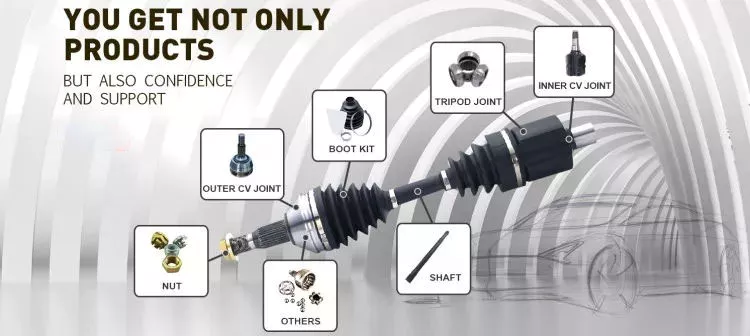
เพลาขับช่วยให้การส่งกำลังมีประสิทธิภาพพร้อมทั้งรักษาสมดุลได้อย่างไร?
เพลาขับใช้กลไกต่างๆ เพื่อให้มั่นใจได้ว่าการส่งกำลังมีประสิทธิภาพในขณะที่รักษาสมดุล การส่งกำลังอย่างมีประสิทธิภาพหมายถึงความสามารถของเพลาขับในการส่งกำลังหมุนจากแหล่งกำเนิด (เช่น เครื่องยนต์) ไปยังส่วนประกอบที่ถูกขับเคลื่อน (เช่น ล้อหรือเครื่องจักร) โดยมีการสูญเสียพลังงานน้อยที่สุด ในทางกลับกัน การรักษาสมดุลเกี่ยวข้องกับการลดการสั่นสะเทือนและกำจัดความไม่สม่ำเสมอของการกระจายมวลที่อาจก่อให้เกิดการรบกวนระหว่างการทำงาน ต่อไปนี้เป็นคำอธิบายว่าเพลาขับบรรลุทั้งการส่งกำลังอย่างมีประสิทธิภาพและสมดุลได้อย่างไร:
1. การเลือกวัสดุ:
การเลือกวัสดุสำหรับเพลาขับมีความสำคัญอย่างยิ่งต่อการรักษาสมดุลและส่งกำลังอย่างมีประสิทธิภาพ เพลาขับมักทำจากวัสดุ เช่น เหล็กหรือโลหะผสมอะลูมิเนียม ซึ่งถูกเลือกใช้เนื่องจากมีความแข็งแรง ความแข็งแกร่ง และความทนทาน วัสดุเหล่านี้มีเสถียรภาพทางมิติที่ดีเยี่ยมและสามารถทนต่อแรงบิดที่เกิดขึ้นระหว่างการใช้งานได้ การใช้วัสดุคุณภาพสูงจะช่วยลดการเสียรูป การงอ และความไม่สมดุลที่อาจส่งผลเสียต่อการส่งกำลังและก่อให้เกิดการสั่นสะเทือนได้
2. ข้อควรพิจารณาในการออกแบบ:
การออกแบบเพลาขับมีบทบาทสำคัญอย่างยิ่งทั้งในด้านประสิทธิภาพการส่งกำลังและความสมดุล เพลาขับได้รับการออกแบบให้มีขนาดที่เหมาะสม รวมถึงเส้นผ่านศูนย์กลางและความหนาของผนัง เพื่อรับแรงบิดที่คาดการณ์ไว้โดยไม่เกิดการโก่งตัวหรือการสั่นสะเทือนมากเกินไป การออกแบบยังคำนึงถึงปัจจัยต่างๆ เช่น ความยาวของเพลาขับ จำนวนและประเภทของข้อต่อ (เช่น ข้อต่อยูนิเวอร์แซลหรือข้อต่อความเร็วคงที่) และการใช้ตุ้มถ่วงสมดุล ด้วยการออกแบบเพลาขับอย่างพิถีพิถัน ผู้ผลิตสามารถบรรลุประสิทธิภาพการส่งกำลังที่เหมาะสมที่สุดในขณะที่ลดโอกาสการสั่นสะเทือนที่เกิดจากความไม่สมดุลให้น้อยที่สุด
3. เทคนิคการทรงตัว:
ความสมดุลเป็นสิ่งสำคัญอย่างยิ่งสำหรับเพลาขับ เนื่องจากความไม่สมดุลใดๆ อาจทำให้เกิดการสั่นสะเทือน เสียงดัง และการสึกหรอเร็วขึ้น เพื่อรักษาความสมดุล เพลาขับจึงผ่านเทคนิคการปรับสมดุลต่างๆ ในระหว่างกระบวนการผลิต วิธีการปรับสมดุลแบบสถิตและแบบไดนามิกถูกนำมาใช้เพื่อให้แน่ใจว่าการกระจายมวลตลอดเพลาขับนั้นสม่ำเสมอ การปรับสมดุลแบบสถิตเกี่ยวข้องกับการเพิ่มตุ้มถ่วงน้ำหนักในตำแหน่งเฉพาะเพื่อชดเชยความไม่สมดุลของน้ำหนัก การปรับสมดุลแบบไดนามิกทำได้โดยการหมุนเพลาขับด้วยความเร็วสูงและวัดการสั่นสะเทือน หากตรวจพบความไม่สมดุล จะมีการปรับเพิ่มเติมเพื่อให้ได้สภาวะสมดุล เทคนิคการปรับสมดุลเหล่านี้ช่วยลดการสั่นสะเทือนและทำให้เพลาขับทำงานได้อย่างราบรื่น
4. ข้อต่ออเนกประสงค์และข้อต่อความเร็วคงที่:
เพลาขับมักจะมีข้อต่อยูนิเวอร์แซล (U-joints) หรือข้อต่อความเร็วคงที่ (CV joints) เพื่อรองรับการเยื้องศูนย์และรักษาสมดุลขณะทำงาน ข้อต่อยูนิเวอร์แซลเป็นข้อต่อที่ยืดหยุ่นได้ ช่วยให้เพลาเคลื่อนที่ในเชิงมุมได้ โดยทั่วไปจะใช้ในงานที่เพลาขับทำงานในมุมที่แตกต่างกัน ในทางกลับกัน ข้อต่อ CV ถูกออกแบบมาเพื่อรักษาความเร็วในการหมุนให้คงที่ และมักใช้ในรถยนต์ขับเคลื่อนล้อหน้า การใช้ข้อต่อเหล่านี้ทำให้เพลาขับสามารถชดเชยการเยื้องศูนย์ ลดความเครียดบนเพลา และลดการสั่นสะเทือนที่อาจส่งผลเสียต่อประสิทธิภาพการส่งกำลังและสมดุลได้
5. การบำรุงรักษาและการตรวจสอบ:
การบำรุงรักษาและการตรวจสอบเพลาขับอย่างสม่ำเสมอเป็นสิ่งสำคัญเพื่อให้มั่นใจได้ถึงการส่งกำลังที่มีประสิทธิภาพและความสมดุล การตรวจสอบการสึกหรอ ความเสียหาย หรือการเยื้องศูนย์เป็นระยะๆ สามารถช่วยระบุปัญหาใดๆ ที่อาจส่งผลต่อประสิทธิภาพของเพลาขับได้ การหล่อลื่นข้อต่อและการขันยึดให้แน่นอย่างถูกต้องก็มีความสำคัญอย่างยิ่งต่อการรักษาการทำงานให้อยู่ในระดับที่เหมาะสมที่สุด การปฏิบัติตามขั้นตอนการบำรุงรักษาที่แนะนำจะช่วยให้สามารถแก้ไขความไม่สมดุลหรือการทำงานที่ไม่มีประสิทธิภาพได้อย่างทันท่วงที ทำให้มั่นใจได้ว่าการส่งกำลังและความสมดุลจะยังคงมีประสิทธิภาพอย่างต่อเนื่อง
โดยสรุปแล้ว เพลาขับช่วยให้การส่งกำลังมีประสิทธิภาพ พร้อมทั้งรักษาสมดุลด้วยการเลือกใช้วัสดุอย่างพิถีพิถัน การออกแบบที่รอบคอบ เทคนิคการปรับสมดุล และการใช้ข้อต่อแบบยืดหยุ่น การเพิ่มประสิทธิภาพปัจจัยเหล่านี้ทำให้เพลาขับสามารถส่งกำลังแบบหมุนได้อย่างราบรื่นและเชื่อถือได้ ลดการสูญเสียพลังงานและการสั่นสะเทือนที่อาจส่งผลต่อประสิทธิภาพและอายุการใช้งาน
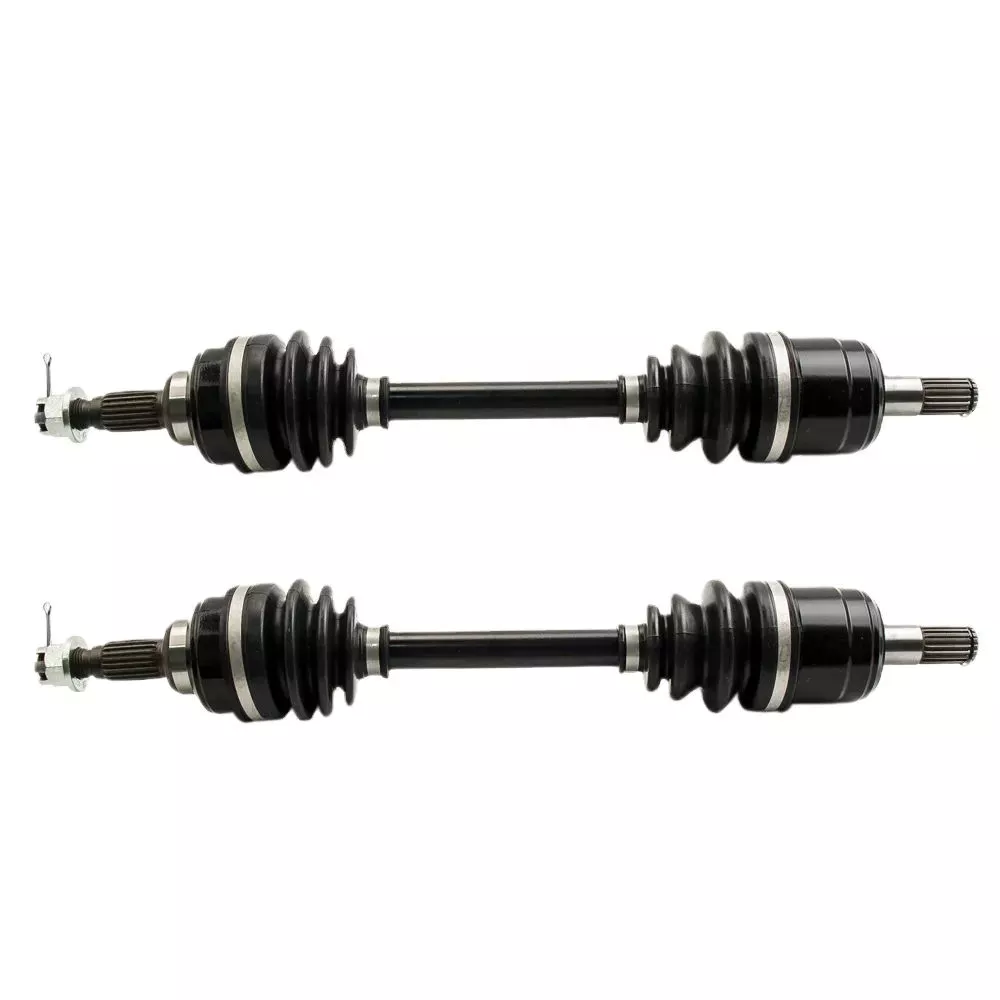
ควรปฏิบัติตามข้อควรระวังด้านความปลอดภัยอะไรบ้างเมื่อทำงานกับเพลาขับ?
การทำงานกับเพลาขับจำเป็นต้องปฏิบัติตามข้อควรระวังด้านความปลอดภัยเฉพาะเพื่อป้องกันอุบัติเหตุ การบาดเจ็บ และความเสียหายต่ออุปกรณ์ เพลาขับเป็นส่วนประกอบที่สำคัญของระบบส่งกำลังของยานพาหนะหรือเครื่องจักร และอาจก่อให้เกิดอันตรายได้หากไม่ได้รับการจัดการอย่างถูกต้อง ต่อไปนี้เป็นคำอธิบายโดยละเอียดเกี่ยวกับข้อควรระวังด้านความปลอดภัยที่ควรปฏิบัติตามเมื่อทำงานกับเพลาขับ:
1. อุปกรณ์ป้องกันส่วนบุคคล (PPE):
ควรสวมอุปกรณ์ป้องกันส่วนบุคคลที่เหมาะสมเสมอเมื่อทำงานกับเพลาขับ ซึ่งอาจรวมถึงแว่นตานิรภัย ถุงมือ รองเท้าบูทหัวเหล็ก และชุดป้องกัน อุปกรณ์ป้องกันส่วนบุคคลช่วยป้องกันการบาดเจ็บที่อาจเกิดขึ้นจากเศษวัสดุที่กระเด็น ขอบคม หรือการสัมผัสโดยไม่ตั้งใจกับชิ้นส่วนที่เคลื่อนไหว
2. ขั้นตอนการล็อกเอาต์/ติดป้ายเตือน:
ก่อนทำการซ่อมแซมหรือบำรุงรักษาเพลาขับ ให้แน่ใจว่าได้ล็อกและติดป้ายกำกับแหล่งจ่ายไฟอย่างถูกต้องแล้ว ซึ่งหมายถึงการแยกแหล่งจ่ายไฟ เช่น การดับเครื่องยนต์หรือการถอดปลั๊กไฟฟ้า และยึดไว้ด้วยอุปกรณ์ล็อก/ติดป้ายกำกับ เพื่อป้องกันการทำงานผิดพลาดของเพลาขับขณะทำการบำรุงรักษาหรือซ่อมแซม
3. การสนับสนุนยานพาหนะหรืออุปกรณ์:
เมื่อทำงานกับเพลาขับในยานพาหนะหรืออุปกรณ์ ให้ใช้กลไกการรองรับที่เหมาะสมเพื่อป้องกันการเคลื่อนไหวที่ไม่คาดคิด ควรล็อกล้อรถอย่างแน่นหนาหรือใช้ขาตั้งรองรับเพื่อป้องกันไม่ให้รถกลิ้งหรือเลื่อนไปมาในระหว่างการถอดหรือติดตั้งเพลาขับ ซึ่งจะช่วยรักษาเสถียรภาพและลดความเสี่ยงต่อการเกิดอุบัติเหตุ
4. เทคนิคการยกของที่ถูกต้อง:
เมื่อต้องยกเพลาขับที่มีน้ำหนักมาก ควรใช้เทคนิคการยกที่ถูกต้องเพื่อป้องกันการปวดเมื่อยหรือการบาดเจ็บ ควรใช้เครื่องมือยกที่เหมาะสม เช่น รอกหรือแม่แรง และตรวจสอบให้แน่ใจว่าน้ำหนักกระจายอย่างสม่ำเสมอและยึดติดแน่น หลีกเลี่ยงการยกเพลาขับที่มีน้ำหนักมากด้วยมือเปล่าหรือด้วยอุปกรณ์ยกที่ไม่เหมาะสม เพราะอาจนำไปสู่อุบัติเหตุและการบาดเจ็บได้
5. การตรวจสอบและบำรุงรักษา:
ก่อนทำการซ่อมแซมเพลาขับ ควรตรวจสอบอย่างละเอียดเพื่อหาสัญญาณความเสียหาย การสึกหรอ หรือการเบี่ยงเบน หากพบความผิดปกติใด ๆ ควรปรึกษาช่างเทคนิคหรือวิศวกรที่มีคุณสมบัติเหมาะสมก่อนดำเนินการต่อ การบำรุงรักษาอย่างสม่ำเสมอก็มีความสำคัญเช่นกันเพื่อให้แน่ใจว่าเพลาขับอยู่ในสภาพการทำงานที่ดี ปฏิบัติตามตารางการบำรุงรักษาและขั้นตอนที่ผู้ผลิตแนะนำเพื่อลดความเสี่ยงของความล้มเหลวหรือการทำงานผิดปกติ
6. เครื่องมือและอุปกรณ์ที่เหมาะสม:
ควรใช้เครื่องมือและอุปกรณ์ที่เหมาะสมซึ่งออกแบบมาโดยเฉพาะสำหรับการทำงานกับเพลาขับ การใช้เครื่องมือที่ไม่เหมาะสมหรือวิธีการแก้ปัญหาแบบชั่วคราวอาจนำไปสู่อุบัติเหตุหรือความเสียหายต่อเพลาขับได้ ตรวจสอบให้แน่ใจว่าเครื่องมืออยู่ในสภาพดี มีขนาดที่เหมาะสม และเหมาะกับงานที่ทำ ปฏิบัติตามคำแนะนำและแนวทางของผู้ผลิตเมื่อใช้เครื่องมือหรืออุปกรณ์เฉพาะทาง
7. การปลดปล่อยพลังงานที่สะสมไว้แบบควบคุม:
เพลาขับบางชนิด โดยเฉพาะอย่างยิ่งที่มีตัวลดแรงบิดหรือส่วนประกอบอื่นๆ ที่เก็บพลังงาน อาจเก็บพลังงานไว้ได้แม้ในขณะที่แหล่งจ่ายไฟถูกตัดการเชื่อมต่อแล้ว ควรใช้ความระมัดระวังเมื่อทำงานกับเพลาขับดังกล่าว และตรวจสอบให้แน่ใจว่าได้ปล่อยพลังงานที่เก็บไว้ทั้งหมดอย่างปลอดภัยก่อนที่จะถอดประกอบหรือนำออก
8. การฝึกอบรมและความเชี่ยวชาญ:
การซ่อมแซมหรือดัดแปลงเพลาขับควรทำโดยผู้ที่มีความรู้ ความเชี่ยวชาญ และการฝึกอบรมที่จำเป็นเท่านั้น หากคุณไม่คุ้นเคยกับเพลาขับหรือขาดทักษะที่จำเป็น ควรขอความช่วยเหลือจากช่างเทคนิคหรือผู้เชี่ยวชาญที่มีคุณสมบัติ การจัดการหรือการติดตั้งเพลาขับที่ไม่ถูกต้องอาจนำไปสู่อุบัติเหตุ ความเสียหาย หรือประสิทธิภาพการทำงานที่ลดลง
9. ปฏิบัติตามคำแนะนำของผู้ผลิต:
ควรปฏิบัติตามคำแนะนำ คำสั่ง และคำเตือนของผู้ผลิตอย่างเคร่งครัด โดยเฉพาะอย่างยิ่งสำหรับเพลาขับที่คุณกำลังใช้งาน คำแนะนำเหล่านี้ให้ข้อมูลสำคัญเกี่ยวกับการติดตั้ง การบำรุงรักษา และข้อควรพิจารณาด้านความปลอดภัย การเบี่ยงเบนจากคำแนะนำของผู้ผลิตอาจส่งผลให้เกิดสภาวะที่ไม่ปลอดภัยหรือทำให้การรับประกันเป็นโมฆะ
10. การกำจัดเพลาขับเก่าหรือชำรุด:
กำจัดเพลาขับเก่าหรือชำรุดตามข้อกำหนดของท้องถิ่นและแนวทางด้านสิ่งแวดล้อม การกำจัดที่ไม่เหมาะสมอาจส่งผลกระทบต่อสิ่งแวดล้อมและอาจละเมิดข้อกำหนดทางกฎหมาย โปรดปรึกษาหน่วยงานจัดการขยะหรือศูนย์รีไซเคิลในท้องถิ่นเพื่อให้แน่ใจว่าได้ปฏิบัติตามวิธีการกำจัดที่เหมาะสม
การปฏิบัติตามข้อควรระวังด้านความปลอดภัยเหล่านี้ จะช่วยลดความเสี่ยงที่เกี่ยวข้องกับการทำงานกับเพลาขับ และส่งเสริมสภาพแวดล้อมการทำงานที่ปลอดภัย สิ่งสำคัญคือต้องให้ความสำคัญกับความปลอดภัยส่วนบุคคล ใช้อุปกรณ์และเทคนิคที่เหมาะสม และขอความช่วยเหลือจากผู้เชี่ยวชาญเมื่อจำเป็น เพื่อให้มั่นใจได้ว่าการจัดการและการบำรุงรักษาเพลาขับเป็นไปอย่างถูกต้อง
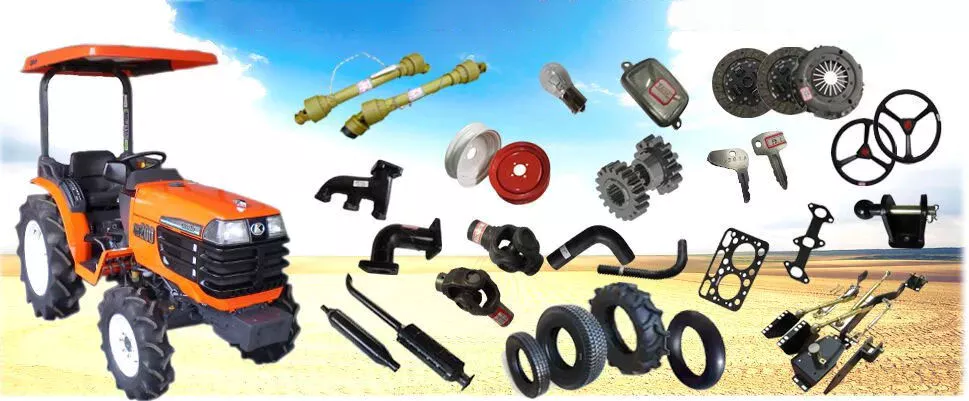
Are there variations in drive shaft designs for different types of machinery?
Yes, there are variations in drive shaft designs to cater to the specific requirements of different types of machinery. The design of a drive shaft is influenced by factors such as the application, power transmission needs, space limitations, operating conditions, and the type of driven components. Here’s an explanation of how drive shaft designs can vary for different types of machinery:
1. Automotive Applications:
In the automotive industry, drive shaft designs can vary depending on the vehicle’s configuration. Rear-wheel-drive vehicles typically use a single-piece or two-piece drive shaft, which connects the transmission or transfer case to the rear differential. Front-wheel-drive vehicles often use a different design, employing a drive shaft that combines with the constant velocity (CV) joints to transmit power to the front wheels. All-wheel-drive vehicles may have multiple drive shafts to distribute power to all wheels. The length, diameter, material, and joint types can differ based on the vehicle’s layout and torque requirements.
2. Industrial Machinery:
Drive shaft designs for industrial machinery depend on the specific application and power transmission requirements. In manufacturing machinery, such as conveyors, presses, and rotating equipment, drive shafts are designed to transfer power efficiently within the machine. They may incorporate flexible joints or use a splined or keyed connection to accommodate misalignment or allow for easy disassembly. The dimensions, materials, and reinforcement of the drive shaft are selected based on the torque, speed, and operating conditions of the machinery.
3. Agriculture and Farming:
Agricultural machinery, such as tractors, combines, and harvesters, often requires drive shafts that can handle high torque loads and varying operating angles. These drive shafts are designed to transmit power from the engine to attachments and implements, such as mowers, balers, tillers, and harvesters. They may incorporate telescopic sections to accommodate adjustable lengths, flexible joints to compensate for misalignment during operation, and protective shielding to prevent entanglement with crops or debris.
4. Construction and Heavy Equipment:
Construction and heavy equipment, including excavators, loaders, bulldozers, and cranes, require robust drive shaft designs capable of transmitting power in demanding conditions. These drive shafts often have larger diameters and thicker walls to handle high torque loads. They may incorporate universal joints or CV joints to accommodate operating angles and absorb shocks and vibrations. Drive shafts in this category may also have additional reinforcements to withstand the harsh environments and heavy-duty applications associated with construction and excavation.
5. Marine and Maritime Applications:
Drive shaft designs for marine applications are specifically engineered to withstand the corrosive effects of seawater and the high torque loads encountered in marine propulsion systems. Marine drive shafts are typically made from stainless steel or other corrosion-resistant materials. They may incorporate flexible couplings or dampening devices to reduce vibration and mitigate the effects of misalignment. The design of marine drive shafts also considers factors such as shaft length, diameter, and support bearings to ensure reliable power transmission in marine vessels.
6. Mining and Extraction Equipment:
In the mining industry, drive shafts are used in heavy machinery and equipment such as mining trucks, excavators, and drilling rigs. These drive shafts need to withstand extremely high torque loads and harsh operating conditions. Drive shaft designs for mining applications often feature larger diameters, thicker walls, and specialized materials such as alloy steel or composite materials. They may incorporate universal joints or CV joints to handle operating angles, and they are designed to be resistant to abrasion and wear.
These examples highlight the variations in drive shaft designs for different types of machinery. The design considerations take into account factors such as power requirements, operating conditions, space constraints, alignment needs, and the specific demands of the machinery or industry. By tailoring the drive shaft design to the unique requirements of each application, optimal power transmission efficiency and reliability can be achieved.


editor by CX 2024-04-12























