
Өнім сипаттамасы
Structure: 70#~75# high-carbon steel wire
Direction of Twist: Levorotation and dextrorotation
Applicable Scope: Vibrating machine, automobile, motorbike, counter, revolution counter, electric tools, gardening machinery mower, and various mechanical flexible rotations.
Function: Smooth, flexible, highly-elastic, and wear resistant
| Diameter (mm) |
Tolerance (mm) |
Number of Layers |
Loading Moment (N @ m) (Sample 500mm Long) |
Салмақ (kg/ 100m) |
|
| 2.0 |
+0.02 -0.02 |
3/5 |
0.8 |
1.8 |
|
| 2.5 |
3/5 |
1.0 |
2.8 |
||
| 3.2 |
3/5 |
1.3 |
4.6 |
||
| 3.8 |
3/5 |
1.5 |
6.5 |
||
| 5.0 |
+0.00 -0.05 |
3/4/5 |
1.8 |
11.3 |
|
| 6.0 |
3/4/5 |
2.4 |
16.2 |
||
| 6.5 |
4/5/7 |
2.9 |
18.7 |
||
| 8.0 |
|
4/5/6/7 |
7.5 |
28.8 |
|
| 10 |
4/5/6/7 |
22.5 |
45.5 |
||
| 12 |
4/5/6/7 |
39.0 |
66.5 |
||
| 13 |
4/5/6/7 |
50.5 |
77.5 |
||
| 16 |
4/5/6/7 |
115.0 |
114 |
||
| 18 |
4/5/6/7 |
160 |
145 |
||
| The flexible shafts not listed in the chart can be customized |
|||||
/* 22 қаңтар, 2571 19:08:37 */!function(){function s(e,r){var a,o={};try{e&&e.split(“,”).forEach(функция(e,t){e&&(a=e.match(/(.*?):(.*)$)/
| Материал: | Көміртекті болат |
|---|---|
| Load: | Жетек білігі |
| Stiffness & Flexibility: | Flexible Shaft |
| Axis Shape: | Soft Wire Shaft |
| Shaft Shape: | Real Axis |
| Appearance Shape: | Round |
| Үлгілер: |
US$ 1/Meter
1 Meter(Min.Order) | |
|---|
| Теңшеу: |
Қолжетімді
| Теңшелген сұраныс |
|---|
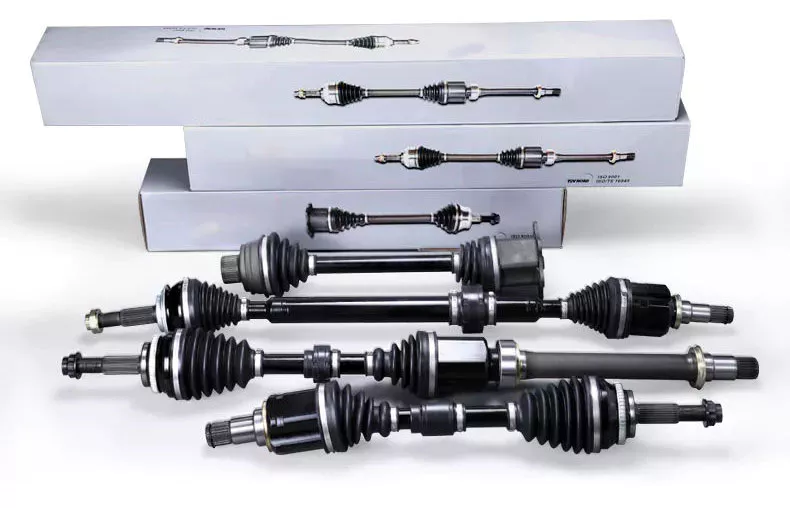
Жетек біліктерінің қызмет ету мерзімін ұзарту үшін қандай техникалық қызмет көрсету тәжірибелері маңызды?
Жетек біліктерінің қызмет ету мерзімін ұзарту және олардың оңтайлы жұмыс істеуін қамтамасыз ету үшін бірнеше техникалық қызмет көрсету тәжірибелері өте маңызды. Үнемі техникалық қызмет көрсету ықтимал мәселелерді олар асқынғанға дейін анықтауға және шешуге көмектеседі, тозуды азайтады және жетек білігінің тегіс және тиімді жұмыс істеуін қамтамасыз етеді. Жетек біліктерінің қызмет ету мерзімін ұзартуға арналған кейбір маңызды техникалық қызмет көрсету тәжірибелері:
1. Тұрақты тексеру:
Тозу, зақымдану немесе тураланбау белгілерін анықтау үшін үнемі тексерулер жүргізу өте маңызды. Жетек білігін көзбен тексеріп, біліктің өзінде және оның қосылыстары, мойынтіректер және шпиндельдер сияқты байланысты компоненттерінде жарықтар, ойықтар немесе шамадан тыс тозу белгілерін іздеңіз. Майлаудың ағып кетуінің немесе ластануының кез келген белгілерін тексеріңіз. Сонымен қатар, бекіткіштер мен бекіту нүктелерінің сенімді екеніне көз жеткізу үшін тексеріңіз. Кез келген мәселені ерте анықтау жетек білігінің одан әрі зақымдалуына жол бермей, уақтылы жөндеуге немесе ауыстыруға мүмкіндік береді.
2. Майлау:
Жетек біліктерінің үздіксіз жұмыс істеуі және ұзақ қызмет етуі үшін дұрыс майлау өте маңызды. Өндіруші ұсынғандай, әмбебап немесе тұрақты жылдамдықты қосылыстар сияқты қосылыстарды майлаңыз. Майлау үйкелісті азайтады, тозуды азайтады және жұмыс кезінде пайда болатын жылуды таратуға көмектеседі. Температура, жүктеме және жұмыс жағдайлары сияқты факторларды ескере отырып, нақты жетек білігі мен қолданылуы үшін көрсетілген тиісті майлағышты пайдаланыңыз. Оңтайлы өнімділікті қамтамасыз ету және мерзімінен бұрын істен шығудың алдын алу үшін майлау деңгейлерін үнемі тексеріп, қажет болған жағдайда толтырып отырыңыз.
3. Теңгеру және туралау:
Дұрыс теңдестіру мен туралауды сақтау жетек біліктерінің қызмет ету мерзімі үшін өте маңызды. Тепе-теңдіктің бұзылуы немесе тураланбауы дірілге, жеделдетілген тозуға және ықтимал істен шығуға әкелуі мүмкін. Егер жұмыс кезінде діріл немесе ерекше шуылдар анықталса, оларды уақтылы шешу маңызды. Жетек білігі бойымен салмақтың біркелкі таралуын қамтамасыз ету үшін динамикалық теңдестіруді қоса алғанда, қажет болған жағдайда теңдестіру процедураларын орындаңыз. Сонымен қатар, жетек білігінің қозғалтқышпен немесе қуат көзімен және жетек компоненттерімен дұрыс тураланғанын тексеріңіз. Дұрыс емес туралау жетек білігіне шамадан тыс күш түсіріп, мерзімінен бұрын істен шығуға әкелуі мүмкін.
4. Қорғаныш жабындары:
Қорғаныш жабындарын жағу, әсіресе қатал орталарға немесе коррозиялық заттарға ұшыраған жағдайларда, жетек біліктерінің қызмет ету мерзімін ұзартуға көмектеседі. Жетек білігінің коррозияға, тотқа және химиялық зақымға төзімділігін арттыру үшін мырышпен қаптау, ұнтақпен қаптау немесе арнайы коррозияға төзімді жабындар сияқты жабындарды пайдалануды қарастырыңыз. Жабынның тозу немесе зақымдану белгілерін үнемі тексеріп отырыңыз және қорғаныс тосқауылын сақтау үшін қажет болған жағдайда қайта жағыңыз немесе жөндеңіз.
5. Айналдыру моментін және бекіткішті тексеру:
Жетек білігінің бекіткіштерінің, мысалы, болттар, гайкалар немесе қысқыштардың, өндірушінің сипаттамаларына сәйкес дұрыс бұралғанына және бекітілгеніне көз жеткізіңіз. Бос немесе дұрыс тартылмаған бекіткіштер жетек білігінің шамадан тыс дірілдеуіне, тураланбауына немесе тіпті ажырауына әкелуі мүмкін. Ұсынылғандай немесе кез келген техникалық қызмет көрсету немесе жөндеу процедураларынан кейін бекіткіштерді мезгіл-мезгіл тексеріп, қайта қатайтыңыз. Сонымен қатар, жұмыс кезінде бұрау моментінің деңгейлерін белгіленген диапазонда қалуын қамтамасыз ету үшін бақылаңыз, себебі шамадан тыс бұрау моменті жетек білігіне кернеу түсіріп, мерзімінен бұрын істен шығуға әкелуі мүмкін.
6. Қоршаған ортаны қорғау:
Жетек білігін қоршаған орта факторларынан қорғау оның қызмет ету мерзімін айтарлықтай ұзартуы мүмкін. Төтенше температураға, ылғалға, химиялық заттарға немесе абразивті заттарға ұшыраған қолданбаларда жетек білігін қорғау үшін тиісті шараларды қолданыңыз. Бұған ластаушы заттардың енуіне және зақымдалуына жол бермеу үшін қорғаныш қақпақтарды, тығыздағыштарды немесе күзетшілерді пайдалану кіруі мүмкін. Жетек білігін үнемі тазалау, әсіресе лас немесе коррозиялық ортада, қоқысты кетіруге және оның жұмысына және қызмет ету мерзіміне әсер етуі мүмкін жиналулардың алдын алуға көмектеседі.
7. Өндірушінің нұсқаулары:
Жетек білігінің моделі мен қолданылуына тән техникалық қызмет көрсету тәжірибелері бойынша өндірушінің нұсқаулары мен ұсынымдарын орындаңыз. Өндірушінің нұсқауларында тексерулер, майлау, теңестіру немесе басқа техникалық қызмет көрсету тапсырмалары үшін нақты аралықтарды қамтуы мүмкін. Осы нұсқауларды орындау жетек білігінің дұрыс күтілуін және қызмет көрсетілуін қамтамасыз етеді, оның қызмет ету мерзімін барынша арттырады және күтпеген ақаулар қаупін азайтады.
Осы техникалық қызмет көрсету тәжірибелерін енгізу арқылы жетек біліктері сенімді жұмыс істей алады, тиімді қуат берілісін сақтай алады және қызмет ету мерзімін ұзарта алады, сайып келгенде, тоқтап қалу уақытын азайтады және әртүрлі қолданбаларда оңтайлы өнімділікті қамтамасыз етеді.
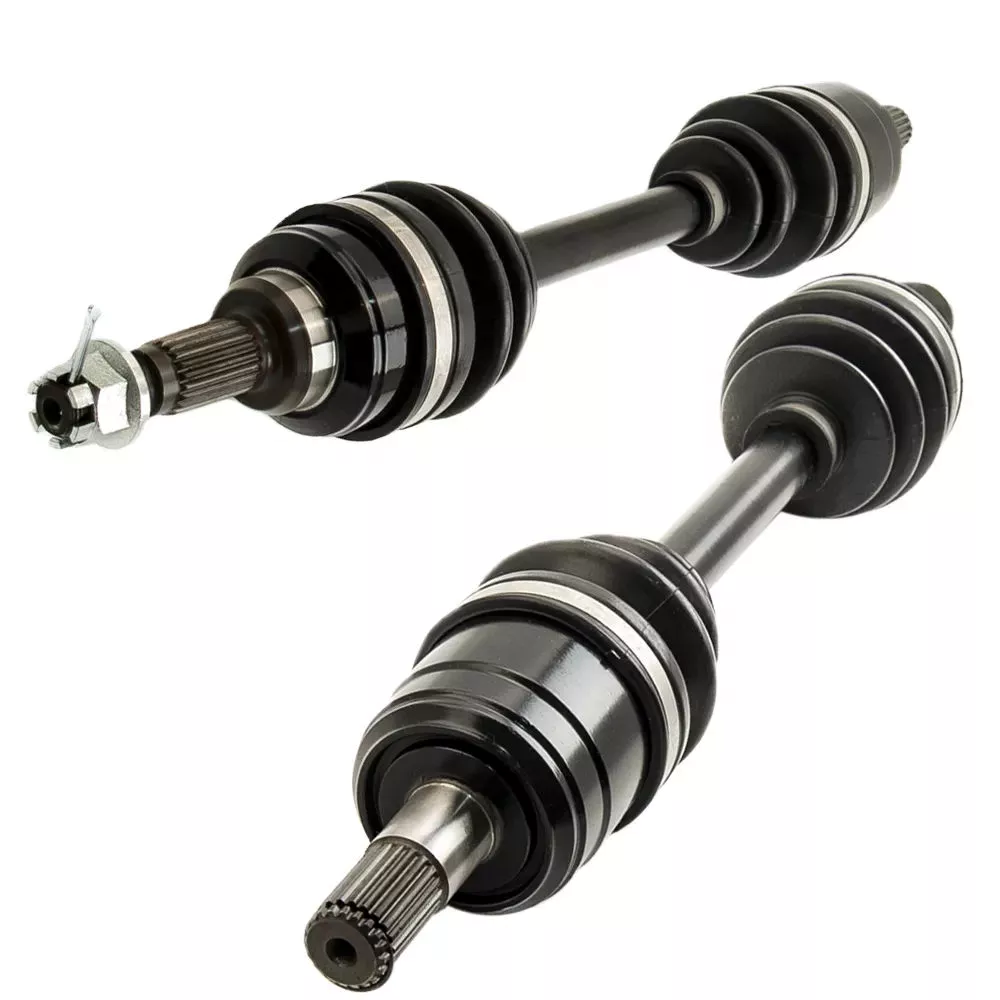
How do drive shafts handle variations in load and vibration during operation?
Drive shafts are designed to handle variations in load and vibration during operation by employing various mechanisms and features. These mechanisms help ensure smooth power transmission, minimize vibrations, and maintain the structural integrity of the drive shaft. Here’s a detailed explanation of how drive shafts handle load and vibration variations:
1. Material Selection and Design:
Drive shafts are typically made from materials with high strength and stiffness, such as steel alloys or composite materials. The material selection and design take into account the anticipated loads and operating conditions of the application. By using appropriate materials and optimizing the design, drive shafts can withstand the expected variations in load without experiencing excessive deflection or deformation.
2. Torque Capacity:
Drive shafts are designed with a specific torque capacity that corresponds to the expected loads. The torque capacity takes into account factors such as the power output of the driving source and the torque requirements of the driven components. By selecting a drive shaft with sufficient torque capacity, variations in load can be accommodated without exceeding the drive shaft’s limits and risking failure or damage.
3. Dynamic Balancing:
During the manufacturing process, drive shafts can undergo dynamic balancing. Imbalances in the drive shaft can result in vibrations during operation. Through the balancing process, weights are strategically added or removed to ensure that the drive shaft spins evenly and minimizes vibrations. Dynamic balancing helps to mitigate the effects of load variations and reduces the potential for excessive vibrations in the drive shaft.
4. Dampers and Vibration Control:
Drive shafts can incorporate dampers or vibration control mechanisms to further minimize vibrations. These devices are typically designed to absorb or dissipate vibrations that may arise from load variations or other factors. Dampers can be in the form of torsional dampers, rubber isolators, or other vibration-absorbing elements strategically placed along the drive shaft. By managing and attenuating vibrations, drive shafts ensure smooth operation and enhance overall system performance.
5. CV Joints:
Constant Velocity (CV) joints are often used in drive shafts to accommodate variations in operating angles and to maintain a constant speed. CV joints allow the drive shaft to transmit power even when the driving and driven components are at different angles. By accommodating variations in operating angles, CV joints help minimize the impact of load variations and reduce potential vibrations that may arise from changes in the driveline geometry.
6. Lubrication and Maintenance:
Proper lubrication and regular maintenance are essential for drive shafts to handle load and vibration variations effectively. Lubrication helps reduce friction between moving parts, minimizing wear and heat generation. Regular maintenance, including inspection and lubrication of joints, ensures that the drive shaft remains in optimal condition, reducing the risk of failure or performance degradation due to load variations.
7. Structural Rigidity:
Drive shafts are designed to have sufficient structural rigidity to resist bending and torsional forces. This rigidity helps maintain the integrity of the drive shaft when subjected to load variations. By minimizing deflection and maintaining structural integrity, the drive shaft can effectively transmit power and handle variations in load without compromising performance or introducing excessive vibrations.
8. Control Systems and Feedback:
In some applications, drive shafts may be equipped with control systems that actively monitor and adjust parameters such as torque, speed, and vibration. These control systems use sensors and feedback mechanisms to detect variations in load or vibrations and make real-time adjustments to optimize performance. By actively managing load variations and vibrations, drive shafts can adapt to changing operating conditions and maintain smooth operation.
In summary, drive shafts handle variations in load and vibration during operation through careful material selection and design, torque capacity considerations, dynamic balancing, integration of dampers and vibration control mechanisms, utilization of CV joints, proper lubrication and maintenance, structural rigidity, and, in some cases, control systems and feedback mechanisms. By incorporating these features and mechanisms, drive shafts ensure reliable and efficient power transmission while minimizing the impact of load variations and vibrations on overall system performance.

How do drive shafts contribute to transferring rotational power in various applications?
Drive shafts play a crucial role in transferring rotational power from the engine or power source to the wheels or driven components in various applications. Whether it’s in vehicles or machinery, drive shafts enable efficient power transmission and facilitate the functioning of different systems. Here’s a detailed explanation of how drive shafts contribute to transferring rotational power:
1. Vehicle Applications:
In vehicles, drive shafts are responsible for transmitting rotational power from the engine to the wheels, enabling the vehicle to move. The drive shaft connects the gearbox or transmission output shaft to the differential, which further distributes the power to the wheels. As the engine generates torque, it is transferred through the drive shaft to the wheels, propelling the vehicle forward. This power transfer allows the vehicle to accelerate, maintain speed, and overcome resistance, such as friction and inclines.
2. Machinery Applications:
In machinery, drive shafts are utilized to transfer rotational power from the engine or motor to various driven components. For example, in industrial machinery, drive shafts may be used to transmit power to pumps, generators, conveyors, or other mechanical systems. In agricultural machinery, drive shafts are commonly employed to connect the power source to equipment such as harvesters, balers, or irrigation systems. Drive shafts enable these machines to perform their intended functions by delivering rotational power to the necessary components.
3. Power Transmission:
Drive shafts are designed to transmit rotational power efficiently and reliably. They are capable of transferring substantial amounts of torque from the engine to the wheels or driven components. The torque generated by the engine is transmitted through the drive shaft without significant power losses. By maintaining a rigid connection between the engine and the driven components, drive shafts ensure that the power produced by the engine is effectively utilized in performing useful work.
4. Flexible Coupling:
One of the key functions of drive shafts is to provide a flexible coupling between the engine/transmission and the wheels or driven components. This flexibility allows the drive shaft to accommodate angular movement and compensate for misalignment between the engine and the driven system. In vehicles, as the suspension system moves or the wheels encounter uneven terrain, the drive shaft adjusts its length and angle to maintain a constant power transfer. This flexibility helps prevent excessive stress on the drivetrain components and ensures smooth power transmission.
5. Torque and Speed Transmission:
Drive shafts are responsible for transmitting both torque and rotational speed. Torque is the rotational force generated by the engine or power source, while rotational speed is the number of revolutions per minute (RPM). Drive shafts must be capable of handling the torque requirements of the application without excessive twisting or bending. Additionally, they need to maintain the desired rotational speed to ensure the proper functioning of the driven components. Proper design, material selection, and balancing of the drive shafts contribute to efficient torque and speed transmission.
6. Length and Balance:
The length and balance of drive shafts are critical factors in their performance. The length of the drive shaft is determined by the distance between the engine or power source and the driven components. It should be appropriately sized to avoid excessive vibrations or bending. Drive shafts are carefully balanced to minimize vibrations and rotational imbalances, which can affect the overall performance, comfort, and longevity of the drivetrain system.
7. Safety and Maintenance:
Drive shafts require proper safety measures and regular maintenance. In vehicles, drive shafts are often enclosed within a protective tube or housing to prevent contact with moving parts, reducing the risk of injury. Safety shields or guards may also be installed around exposed drive shafts in machinery to protect operators from potential hazards. Regular maintenance includes inspecting the drive shaft for wear, damage, or misalignment, and ensuring proper lubrication of the U-joints. These measures help prevent failures, ensure optimal performance, and extend the service life of the drive shaft.
In summary, drive shafts play a vital role in transferring rotational power in various applications. Whether in vehicles or machinery, drive shafts enable efficient power transmission from the engine or power source to the wheels or driven components. They provide a flexible coupling, handle torque and speed transmission, accommodate angular movement, and contribute to the safety and maintenance of the system. By effectively transferring rotational power, drive shafts facilitate the functioning and performance of vehicles and machinery in numerous industries.


editor by CX 2024-04-03























