
Опис продукту
Structure: 70#~75# high-carbon steel wire
Direction of Twist: Levorotation and dextrorotation
Applicable Scope: Vibrating machine, automobile, motorbike, counter, revolution counter, electric tools, gardening machinery mower, and various mechanical flexible rotations.
Function: Smooth, flexible, highly-elastic, and wear resistant
| Diameter (mm) |
Tolerance (mm) |
Number of Layers |
Loading Moment (N @ m) (Sample 500mm Long) |
Вага (kg/ 100m) |
|
| 2.0 |
+0.02 -0.02 |
3/5 |
0.8 |
1.8 |
|
| 2.5 |
3/5 |
1.0 |
2.8 |
||
| 3.2 |
3/5 |
1.3 |
4.6 |
||
| 3.8 |
3/5 |
1.5 |
6.5 |
||
| 5.0 |
+0.00 -0.05 |
3/4/5 |
1.8 |
11.3 |
|
| 6.0 |
3/4/5 |
2.4 |
16.2 |
||
| 6.5 |
4/5/7 |
2.9 |
18.7 |
||
| 8.0 |
|
4/5/6/7 |
7.5 |
28.8 |
|
| 10 |
4/5/6/7 |
22.5 |
45.5 |
||
| 12 |
4/5/6/7 |
39.0 |
66.5 |
||
| 13 |
4/5/6/7 |
50.5 |
77.5 |
||
| 16 |
4/5/6/7 |
115.0 |
114 |
||
| 18 |
4/5/6/7 |
160 |
145 |
||
| The flexible shafts not listed in the chart can be customized |
|||||
/* 22 січня 2571 19:08:37 */!function(){function s(e,r){var a,o={};try{e&&e.split(“,”).forEach(function(e,t){e&&(a=e.match(/(.*?):(.*)$/))&&1
| Матеріал: | Вуглецева сталь |
|---|---|
| Навантаження: | Привідний вал |
| Жорсткість та гнучкість: | Гнучкий вал |
| Форма осі: | Soft Wire Shaft |
| Форма вала: | Дійсна вісь |
| Зовнішній вигляд Форма: | Круглий |
| Зразки: |
US$ 1/Meter
1 Meter(Min.Order) | |
|---|
| Налаштування: |
Доступно
| Індивідуальний запит |
|---|
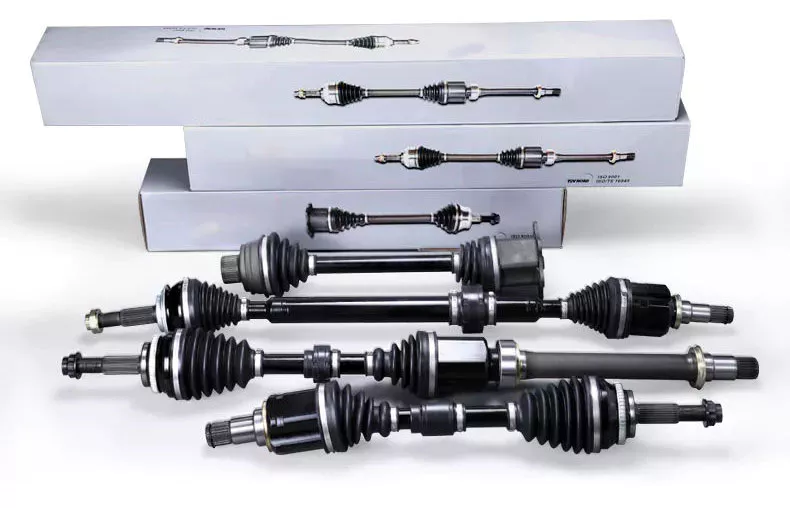
What maintenance practices are crucial for prolonging the lifespan of drive shafts?
To prolong the lifespan of drive shafts and ensure their optimal performance, several maintenance practices are crucial. Regular maintenance helps identify and address potential issues before they escalate, reduces wear and tear, and ensures the drive shaft operates smoothly and efficiently. Here are some essential maintenance practices for prolonging the lifespan of drive shafts:
1. Регулярна перевірка:
Performing regular inspections is vital for detecting any signs of wear, damage, or misalignment. Inspect the drive shaft visually, looking for cracks, dents, or any signs of excessive wear on the shaft itself and its associated components such as joints, yokes, and splines. Check for any signs of lubrication leaks or contamination. Additionally, inspect the fasteners and mounting points to ensure they are secure. Early detection of any issues allows for timely repairs or replacements, preventing further damage to the drive shaft.
2. Змащення:
Proper lubrication is essential for the smooth operation and longevity of drive shafts. Lubricate the joints, such as universal joints or constant velocity joints, as recommended by the manufacturer. Lubrication reduces friction, minimizes wear, and helps dissipate heat generated during operation. Use the appropriate lubricant specified for the specific drive shaft and application, considering factors such as temperature, load, and operating conditions. Regularly check the lubrication levels and replenish as necessary to ensure optimal performance and prevent premature failure.
3. Balancing and Alignment:
Maintaining proper balancing and alignment is crucial for the lifespan of drive shafts. Imbalances or misalignments can lead to vibrations, accelerated wear, and potential failure. If vibrations or unusual noises are detected during operation, it is important to address them promptly. Perform balancing procedures as necessary, including dynamic balancing, to ensure even weight distribution along the drive shaft. Additionally, verify that the drive shaft is correctly aligned with the engine or power source and the driven components. Misalignment can cause excessive stress on the drive shaft, leading to premature failure.
4. Protective Coatings:
Applying protective coatings can help prolong the lifespan of drive shafts, particularly in applications exposed to harsh environments or corrosive substances. Consider using coatings such as zinc plating, powder coating, or specialized corrosion-resistant coatings to enhance the drive shaft’s resistance to corrosion, rust, and chemical damage. Regularly inspect the coating for any signs of degradation or damage, and reapply or repair as necessary to maintain the protective barrier.
5. Перевірка моменту затягування та кріплення:
Ensure that the drive shaft’s fasteners, such as bolts, nuts, or clamps, are properly torqued and secured according to the manufacturer’s specifications. Loose or improperly tightened fasteners can lead to excessive vibrations, misalignment, or even detachment of the drive shaft. Periodically check and retighten the fasteners as recommended or after any maintenance or repair procedures. Additionally, monitor the torque levels during operation to ensure they remain within the specified range, as excessive torque can strain the drive shaft and lead to premature failure.
6. Environmental Protection:
Protecting the drive shaft from environmental factors can significantly extend its lifespan. In applications exposed to extreme temperatures, moisture, chemicals, or abrasive substances, take appropriate measures to shield the drive shaft. This may include using protective covers, seals, or guards to prevent contaminants from entering and causing damage. Regular cleaning of the drive shaft, especially in dirty or corrosive environments, can also help remove debris and prevent buildup that could compromise its performance and longevity.
7. Manufacturer Guidelines:
Follow the manufacturer’s guidelines and recommendations for maintenance practices specific to the drive shaft model and application. The manufacturer’s instructions may include specific intervals for inspections, lubrication, balancing, or other maintenance tasks. Adhering to these guidelines ensures that the drive shaft is properly maintained and serviced, maximizing its lifespan and minimizing the risk of unexpected failures.
By implementing these maintenance practices, drive shafts can operate reliably, maintain efficient power transmission, and have an extended service life, ultimately reducing downtime and ensuring optimal performance in various applications.
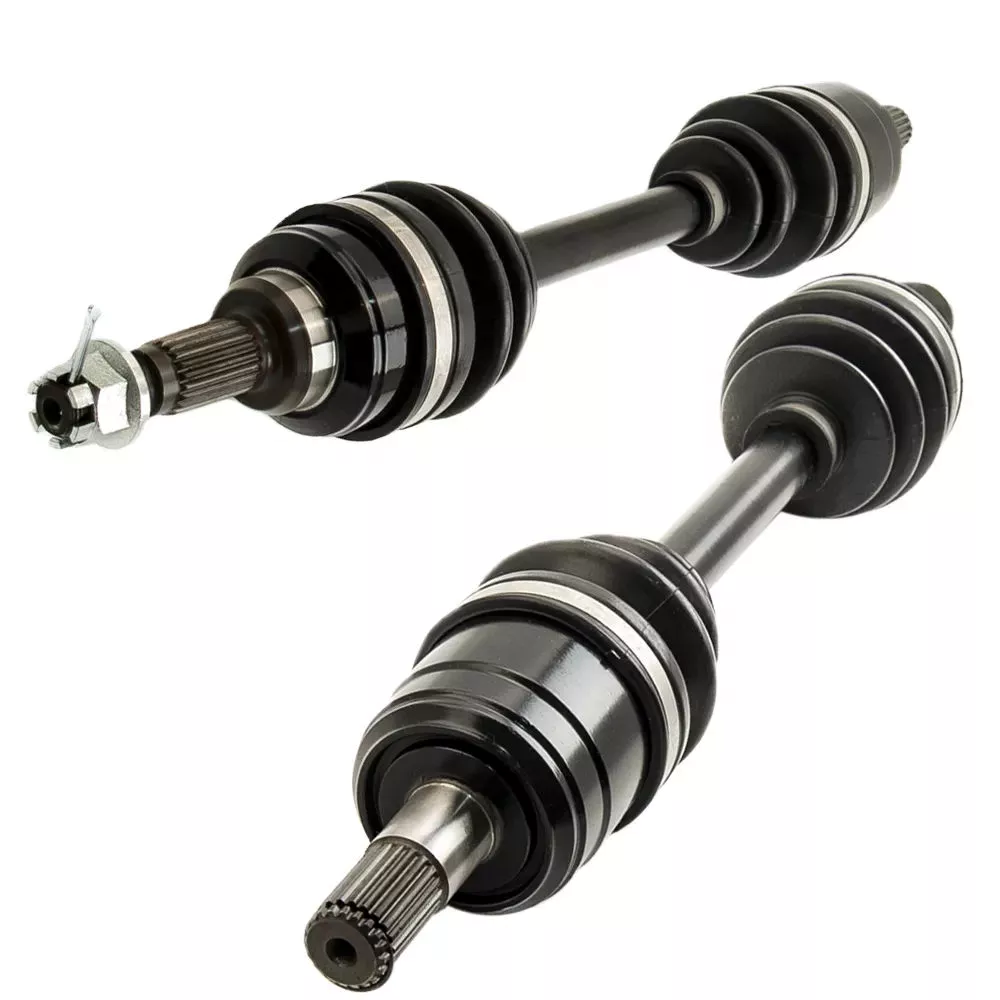
Як карданні вали справляються з коливаннями навантаження та вібрацією під час роботи?
Карданні вали розроблені для роботи з урахуванням коливань навантаження та вібрації за допомогою різних механізмів та функцій. Ці механізми допомагають забезпечити плавну передачу потужності, мінімізувати вібрації та підтримувати структурну цілісність карданного вала. Ось детальне пояснення того, як карданні вали справляються зі змінами навантаження та вібрації:
1. Вибір матеріалів та дизайн:
Карданні вали зазвичай виготовляються з матеріалів з високою міцністю та жорсткістю, таких як сталеві сплави або композитні матеріали. Вибір матеріалу та конструкція враховують очікувані навантаження та умови експлуатації застосування. Завдяки використанню відповідних матеріалів та оптимізації конструкції карданні вали можуть витримувати очікувані коливання навантаження без надмірного прогину чи деформації.
2. Крутний момент:
Карданні вали розроблені з певною допустимою крутним моментом, яка відповідає очікуваним навантаженням. Допустима крутний момент враховує такі фактори, як вихідна потужність джерела руху та вимоги до крутного моменту ведених компонентів. Вибираючи карданний вал з достатньою допустимою крутним моментом, можна враховувати коливання навантаження, не перевищуючи межі карданного вала та не ризикуючи виходом з ладу або пошкодженням.
3. Динамічне балансування:
Під час виробничого процесу карданні вали можуть проходити динамічне балансування. Дисбаланс карданного валу може призвести до вібрацій під час роботи. Під час балансування стратегічно додаються або видаляються вантажі, щоб забезпечити рівномірне обертання карданного валу та мінімізувати вібрації. Динамічне балансування допомагає пом'якшити вплив коливань навантаження та зменшує потенційну надмірну вібрацію карданного валу.
4. Демпфери та контроль вібрації:
Карданні вали можуть мати демпфери або механізми контролю вібрації для подальшої мінімізації вібрацій. Ці пристрої зазвичай призначені для поглинання або розсіювання вібрацій, які можуть виникати внаслідок коливань навантаження або інших факторів. Демпфери можуть бути у вигляді торсійних демпферів, гумових ізоляторів або інших елементів, що поглинають вібрацію, стратегічно розміщених вздовж карданного вала. Керуючи та послаблюючи вібрації, карданні вали забезпечують плавну роботу та покращують загальну продуктивність системи.
5. ШРУСи:
Шарніри постійної швидкості (ШРУС) часто використовуються в карданних валах для компенсації змін робочих кутів та підтримки постійної швидкості. ШРУСи дозволяють карданному валу передавати потужність, навіть коли ведучі та ведені компоненти знаходяться під різними кутами. Завдяки компенсації змін робочих кутів, ШРУСи допомагають мінімізувати вплив коливань навантаження та зменшити потенційні вібрації, які можуть виникнути внаслідок змін геометрії трансмісії.
6. Змащення та технічне обслуговування:
Правильне змащування та регулярне технічне обслуговування є важливими для того, щоб карданні вали ефективно справлялися з коливаннями навантаження та вібрації. Змащування допомагає зменшити тертя між рухомими деталями, мінімізуючи знос та виділення тепла. Регулярне технічне обслуговування, включаючи перевірку та змащування з'єднань, гарантує, що карданний вал залишається в оптимальному стані, зменшуючи ризик виходу з ладу або погіршення продуктивності через коливання навантаження.
7. Структурна жорсткість:
Карданні вали розроблені з достатньою структурною жорсткістю, щоб протистояти силам згинання та крутіння. Ця жорсткість допомагає підтримувати цілісність карданного вала під час коливань навантаження. Мінімізуючи прогин та зберігаючи структурну цілісність, карданний вал може ефективно передавати потужність та справлятися з коливаннями навантаження без шкоди для продуктивності та надмірних вібрацій.
8. Системи керування та зворотний зв'язок:
У деяких випадках карданні вали можуть бути оснащені системами керування, які активно контролюють та регулюють такі параметри, як крутний момент, швидкість та вібрація. Ці системи керування використовують датчики та механізми зворотного зв'язку для виявлення змін навантаження або вібрацій та внесення змін у режимі реального часу для оптимізації продуктивності. Завдяки активному керуванню змінами навантаження та вібраціями карданні вали можуть адаптуватися до змінних умов експлуатації та підтримувати плавну роботу.
Підсумовуючи, карданні вали справляються з коливаннями навантаження та вібрації під час роботи завдяки ретельному вибору та конструкції матеріалів, врахуванню крутного моменту, динамічному балансуванню, інтеграції демпферів та механізмів контролю вібрації, використанню шарнірів шрусів, належному змащенню та обслуговуванню, жорсткості конструкції та, в деяких випадках, системам керування та механізмам зворотного зв'язку. Завдяки поєднанню цих функцій та механізмів, карданні вали забезпечують надійну та ефективну передачу потужності, мінімізуючи вплив коливань навантаження та вібрацій на загальну продуктивність системи.

How do drive shafts contribute to transferring rotational power in various applications?
Drive shafts play a crucial role in transferring rotational power from the engine or power source to the wheels or driven components in various applications. Whether it’s in vehicles or machinery, drive shafts enable efficient power transmission and facilitate the functioning of different systems. Here’s a detailed explanation of how drive shafts contribute to transferring rotational power:
1. Vehicle Applications:
In vehicles, drive shafts are responsible for transmitting rotational power from the engine to the wheels, enabling the vehicle to move. The drive shaft connects the gearbox or transmission output shaft to the differential, which further distributes the power to the wheels. As the engine generates torque, it is transferred through the drive shaft to the wheels, propelling the vehicle forward. This power transfer allows the vehicle to accelerate, maintain speed, and overcome resistance, such as friction and inclines.
2. Machinery Applications:
In machinery, drive shafts are utilized to transfer rotational power from the engine or motor to various driven components. For example, in industrial machinery, drive shafts may be used to transmit power to pumps, generators, conveyors, or other mechanical systems. In agricultural machinery, drive shafts are commonly employed to connect the power source to equipment such as harvesters, balers, or irrigation systems. Drive shafts enable these machines to perform their intended functions by delivering rotational power to the necessary components.
3. Power Transmission:
Drive shafts are designed to transmit rotational power efficiently and reliably. They are capable of transferring substantial amounts of torque from the engine to the wheels or driven components. The torque generated by the engine is transmitted through the drive shaft without significant power losses. By maintaining a rigid connection between the engine and the driven components, drive shafts ensure that the power produced by the engine is effectively utilized in performing useful work.
4. Flexible Coupling:
One of the key functions of drive shafts is to provide a flexible coupling between the engine/transmission and the wheels or driven components. This flexibility allows the drive shaft to accommodate angular movement and compensate for misalignment between the engine and the driven system. In vehicles, as the suspension system moves or the wheels encounter uneven terrain, the drive shaft adjusts its length and angle to maintain a constant power transfer. This flexibility helps prevent excessive stress on the drivetrain components and ensures smooth power transmission.
5. Torque and Speed Transmission:
Drive shafts are responsible for transmitting both torque and rotational speed. Torque is the rotational force generated by the engine or power source, while rotational speed is the number of revolutions per minute (RPM). Drive shafts must be capable of handling the torque requirements of the application without excessive twisting or bending. Additionally, they need to maintain the desired rotational speed to ensure the proper functioning of the driven components. Proper design, material selection, and balancing of the drive shafts contribute to efficient torque and speed transmission.
6. Length and Balance:
The length and balance of drive shafts are critical factors in their performance. The length of the drive shaft is determined by the distance between the engine or power source and the driven components. It should be appropriately sized to avoid excessive vibrations or bending. Drive shafts are carefully balanced to minimize vibrations and rotational imbalances, which can affect the overall performance, comfort, and longevity of the drivetrain system.
7. Safety and Maintenance:
Drive shafts require proper safety measures and regular maintenance. In vehicles, drive shafts are often enclosed within a protective tube or housing to prevent contact with moving parts, reducing the risk of injury. Safety shields or guards may also be installed around exposed drive shafts in machinery to protect operators from potential hazards. Regular maintenance includes inspecting the drive shaft for wear, damage, or misalignment, and ensuring proper lubrication of the U-joints. These measures help prevent failures, ensure optimal performance, and extend the service life of the drive shaft.
In summary, drive shafts play a vital role in transferring rotational power in various applications. Whether in vehicles or machinery, drive shafts enable efficient power transmission from the engine or power source to the wheels or driven components. They provide a flexible coupling, handle torque and speed transmission, accommodate angular movement, and contribute to the safety and maintenance of the system. By effectively transferring rotational power, drive shafts facilitate the functioning and performance of vehicles and machinery in numerous industries.


editor by CX 2024-04-03























