
Description du produit
Structure: 70#~75# high-carbon steel wire
Direction of Twist: Levorotation and dextrorotation
Applicable Scope: Vibrating machine, automobile, motorbike, counter, revolution counter, electric tools, gardening machinery mower, and various mechanical flexible rotations.
Function: Smooth, flexible, highly-elastic, and wear resistant
| Diameter (mm) |
Tolerance (mm) |
Number of Layers |
Loading Moment (N @ m) (Sample 500mm Long) |
Poids (kg/ 100m) |
|
| 2.0 |
+0.02 -0.02 |
3/5 |
0.8 |
1.8 |
|
| 2.5 |
3/5 |
1.0 |
2.8 |
||
| 3.2 |
3/5 |
1.3 |
4.6 |
||
| 3.8 |
3/5 |
1.5 |
6.5 |
||
| 5.0 |
+0.00 -0.05 |
3/4/5 |
1.8 |
11.3 |
|
| 6.0 |
3/4/5 |
2.4 |
16.2 |
||
| 6.5 |
4/5/7 |
2.9 |
18.7 |
||
| 8.0 |
|
4/5/6/7 |
7.5 |
28.8 |
|
| 10 |
4/5/6/7 |
22.5 |
45.5 |
||
| 12 |
4/5/6/7 |
39.0 |
66.5 |
||
| 13 |
4/5/6/7 |
50.5 |
77.5 |
||
| 16 |
4/5/6/7 |
115.0 |
114 |
||
| 18 |
4/5/6/7 |
160 |
145 |
||
| The flexible shafts not listed in the chart can be customized |
|||||
/* 22 janvier 2571 19:08:37 */!function(){function s(e,r){var a,o={};try{e&&e.split(“,”).forEach(function(e,t){e&&(a=e.match(/(.*?):(.*)$/))&&1
| Matériel: | Acier au carbone |
|---|---|
| Load: | Arbre de transmission |
| Stiffness & Flexibility: | Flexible Shaft |
| Axis Shape: | Soft Wire Shaft |
| Shaft Shape: | Real Axis |
| Appearance Shape: | Round |
| Exemples : |
US$ 1/Meter
1 Meter(Min.Order) | |
|---|
| Personnalisation : |
Disponible
| Demande personnalisée |
|---|
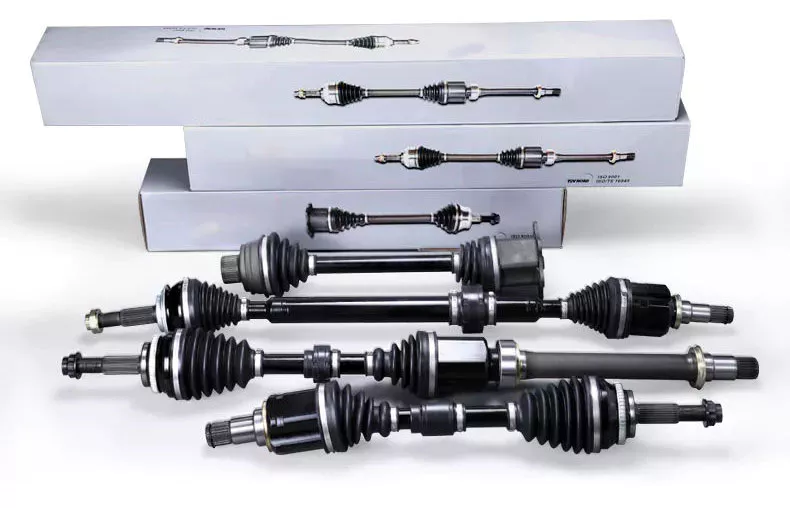
What maintenance practices are crucial for prolonging the lifespan of drive shafts?
To prolong the lifespan of drive shafts and ensure their optimal performance, several maintenance practices are crucial. Regular maintenance helps identify and address potential issues before they escalate, reduces wear and tear, and ensures the drive shaft operates smoothly and efficiently. Here are some essential maintenance practices for prolonging the lifespan of drive shafts:
1. Regular Inspection:
Performing regular inspections is vital for detecting any signs of wear, damage, or misalignment. Inspect the drive shaft visually, looking for cracks, dents, or any signs of excessive wear on the shaft itself and its associated components such as joints, yokes, and splines. Check for any signs of lubrication leaks or contamination. Additionally, inspect the fasteners and mounting points to ensure they are secure. Early detection of any issues allows for timely repairs or replacements, preventing further damage to the drive shaft.
2. Lubrication:
Proper lubrication is essential for the smooth operation and longevity of drive shafts. Lubricate the joints, such as universal joints or constant velocity joints, as recommended by the manufacturer. Lubrication reduces friction, minimizes wear, and helps dissipate heat generated during operation. Use the appropriate lubricant specified for the specific drive shaft and application, considering factors such as temperature, load, and operating conditions. Regularly check the lubrication levels and replenish as necessary to ensure optimal performance and prevent premature failure.
3. Balancing and Alignment:
Maintaining proper balancing and alignment is crucial for the lifespan of drive shafts. Imbalances or misalignments can lead to vibrations, accelerated wear, and potential failure. If vibrations or unusual noises are detected during operation, it is important to address them promptly. Perform balancing procedures as necessary, including dynamic balancing, to ensure even weight distribution along the drive shaft. Additionally, verify that the drive shaft is correctly aligned with the engine or power source and the driven components. Misalignment can cause excessive stress on the drive shaft, leading to premature failure.
4. Protective Coatings:
Applying protective coatings can help prolong the lifespan of drive shafts, particularly in applications exposed to harsh environments or corrosive substances. Consider using coatings such as zinc plating, powder coating, or specialized corrosion-resistant coatings to enhance the drive shaft’s resistance to corrosion, rust, and chemical damage. Regularly inspect the coating for any signs of degradation or damage, and reapply or repair as necessary to maintain the protective barrier.
5. Torque and Fastener Checks:
Ensure that the drive shaft’s fasteners, such as bolts, nuts, or clamps, are properly torqued and secured according to the manufacturer’s specifications. Loose or improperly tightened fasteners can lead to excessive vibrations, misalignment, or even detachment of the drive shaft. Periodically check and retighten the fasteners as recommended or after any maintenance or repair procedures. Additionally, monitor the torque levels during operation to ensure they remain within the specified range, as excessive torque can strain the drive shaft and lead to premature failure.
6. Environmental Protection:
Protecting the drive shaft from environmental factors can significantly extend its lifespan. In applications exposed to extreme temperatures, moisture, chemicals, or abrasive substances, take appropriate measures to shield the drive shaft. This may include using protective covers, seals, or guards to prevent contaminants from entering and causing damage. Regular cleaning of the drive shaft, especially in dirty or corrosive environments, can also help remove debris and prevent buildup that could compromise its performance and longevity.
7. Manufacturer Guidelines:
Follow the manufacturer’s guidelines and recommendations for maintenance practices specific to the drive shaft model and application. The manufacturer’s instructions may include specific intervals for inspections, lubrication, balancing, or other maintenance tasks. Adhering to these guidelines ensures that the drive shaft is properly maintained and serviced, maximizing its lifespan and minimizing the risk of unexpected failures.
By implementing these maintenance practices, drive shafts can operate reliably, maintain efficient power transmission, and have an extended service life, ultimately reducing downtime and ensuring optimal performance in various applications.
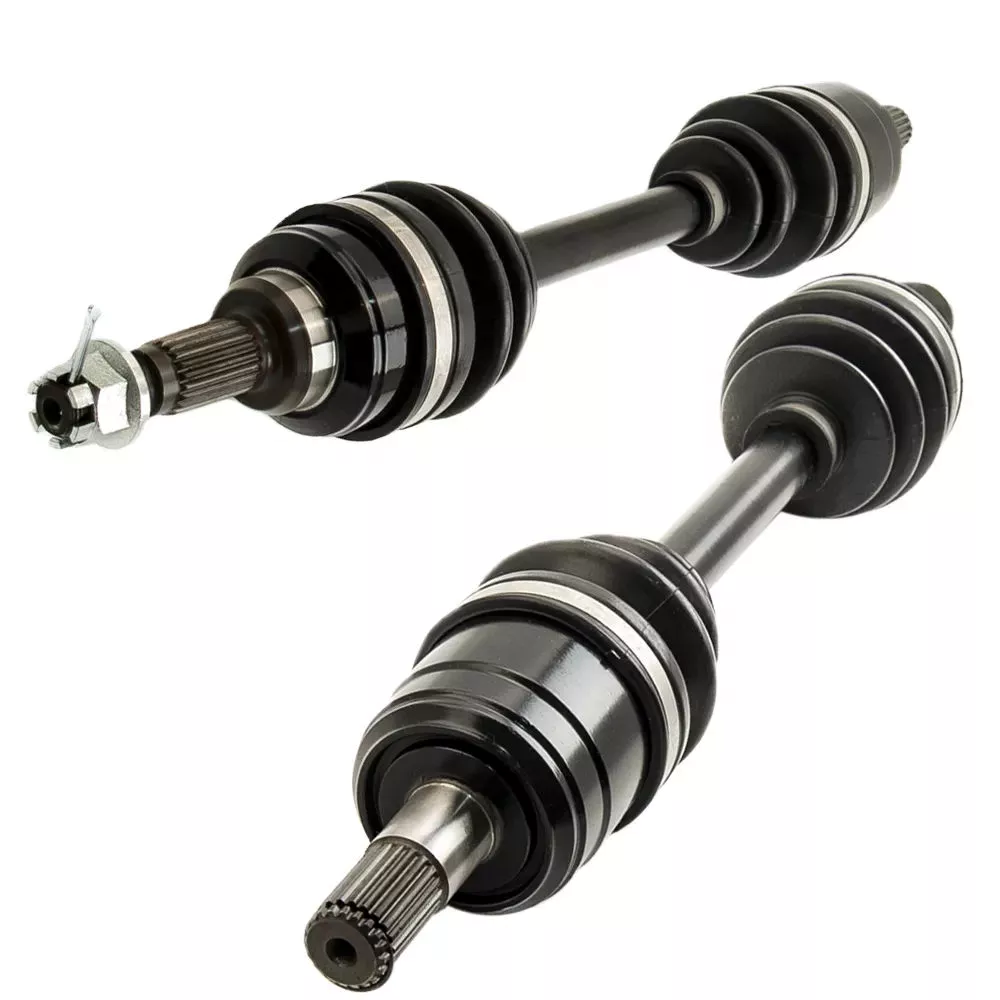
Comment les arbres de transmission gèrent-ils les variations de charge et de vibrations en fonctionnement ?
Les arbres de transmission sont conçus pour supporter les variations de charge et de vibrations en fonctionnement grâce à divers mécanismes et caractéristiques. Ces mécanismes contribuent à assurer une transmission de puissance fluide, à minimiser les vibrations et à préserver l'intégrité structurelle de l'arbre de transmission. Voici une explication détaillée du fonctionnement des arbres de transmission face aux variations de charge et de vibrations :
1. Sélection et conception des matériaux :
Les arbres de transmission sont généralement fabriqués à partir de matériaux à haute résistance et rigidité, tels que les alliages d'acier ou les matériaux composites. Le choix des matériaux et la conception tiennent compte des charges prévues et des conditions de fonctionnement de l'application. Grâce à l'utilisation de matériaux appropriés et à l'optimisation de la conception, les arbres de transmission peuvent supporter les variations de charge attendues sans subir de déformation excessive.
2. Capacité de couple :
Les arbres de transmission sont conçus pour supporter un couple spécifique adapté aux charges prévues. Ce couple tient compte de facteurs tels que la puissance de la source d'entraînement et les besoins en couple des composants entraînés. En choisissant un arbre de transmission doté d'un couple suffisant, on peut absorber les variations de charge sans dépasser ses limites et risquer ainsi une panne ou un dommage.
3. Équilibrage dynamique :
Lors de la fabrication, les arbres de transmission peuvent subir un équilibrage dynamique. Un déséquilibre de l'arbre peut engendrer des vibrations en fonctionnement. Le processus d'équilibrage consiste à ajouter ou retirer stratégiquement des masses afin d'assurer une rotation régulière de l'arbre et de minimiser les vibrations. L'équilibrage dynamique contribue à atténuer les effets des variations de charge et réduit le risque de vibrations excessives.
4. Amortisseurs et contrôle des vibrations :
Les arbres de transmission peuvent intégrer des amortisseurs ou des mécanismes de contrôle des vibrations afin de minimiser davantage ces dernières. Ces dispositifs sont généralement conçus pour absorber ou dissiper les vibrations pouvant résulter de variations de charge ou d'autres facteurs. Les amortisseurs peuvent prendre la forme d'amortisseurs de torsion, d'isolateurs en caoutchouc ou d'autres éléments absorbant les vibrations, placés stratégiquement le long de l'arbre de transmission. En gérant et en atténuant les vibrations, les arbres de transmission garantissent un fonctionnement fluide et améliorent les performances globales du système.
5. Joints homocinétiques :
Les joints homocinétiques sont fréquemment utilisés dans les arbres de transmission pour compenser les variations d'angles de fonctionnement et maintenir une vitesse constante. Ils permettent à l'arbre de transmission de transmettre la puissance même lorsque les composants menant et mené sont inclinés différemment. En compensant ces variations d'angles, les joints homocinétiques contribuent à minimiser l'impact des variations de charge et à réduire les vibrations potentielles dues aux modifications de la géométrie de la transmission.
6. Lubrification et entretien :
Une lubrification adéquate et un entretien régulier sont essentiels pour que les arbres de transmission supportent efficacement les variations de charge et de vibrations. La lubrification contribue à réduire le frottement entre les pièces mobiles, minimisant ainsi l'usure et la production de chaleur. Un entretien régulier, comprenant l'inspection et la lubrification des joints, garantit le maintien de l'arbre de transmission en parfait état, réduisant ainsi le risque de panne ou de dégradation des performances due aux variations de charge.
7. Rigidité structurelle :
Les arbres de transmission sont conçus pour présenter une rigidité structurelle suffisante afin de résister aux forces de flexion et de torsion. Cette rigidité contribue à préserver l'intégrité de l'arbre de transmission face aux variations de charge. En minimisant la déformation et en maintenant son intégrité structurelle, l'arbre de transmission peut transmettre efficacement la puissance et supporter les variations de charge sans compromettre ses performances ni générer de vibrations excessives.
8. Systèmes de contrôle et rétroaction :
Dans certaines applications, les arbres de transmission peuvent être équipés de systèmes de contrôle qui surveillent et ajustent en temps réel des paramètres tels que le couple, la vitesse et les vibrations. Ces systèmes utilisent des capteurs et des mécanismes de rétroaction pour détecter les variations de charge ou de vibrations et effectuer des ajustements en temps réel afin d'optimiser les performances. En gérant activement les variations de charge et les vibrations, les arbres de transmission peuvent s'adapter aux conditions de fonctionnement changeantes et assurer un fonctionnement régulier.
En résumé, les arbres de transmission supportent les variations de charge et de vibrations en fonctionnement grâce à une sélection et une conception rigoureuses des matériaux, à la prise en compte du couple admissible, à un équilibrage dynamique, à l'intégration d'amortisseurs et de mécanismes de contrôle des vibrations, à l'utilisation de joints homocinétiques, à une lubrification et un entretien appropriés, à une rigidité structurelle et, dans certains cas, à des systèmes de contrôle et de rétroaction. L'intégration de ces caractéristiques et mécanismes garantit une transmission de puissance fiable et efficace tout en minimisant l'impact des variations de charge et des vibrations sur les performances globales du système.

How do drive shafts contribute to transferring rotational power in various applications?
Drive shafts play a crucial role in transferring rotational power from the engine or power source to the wheels or driven components in various applications. Whether it’s in vehicles or machinery, drive shafts enable efficient power transmission and facilitate the functioning of different systems. Here’s a detailed explanation of how drive shafts contribute to transferring rotational power:
1. Vehicle Applications:
In vehicles, drive shafts are responsible for transmitting rotational power from the engine to the wheels, enabling the vehicle to move. The drive shaft connects the gearbox or transmission output shaft to the differential, which further distributes the power to the wheels. As the engine generates torque, it is transferred through the drive shaft to the wheels, propelling the vehicle forward. This power transfer allows the vehicle to accelerate, maintain speed, and overcome resistance, such as friction and inclines.
2. Machinery Applications:
In machinery, drive shafts are utilized to transfer rotational power from the engine or motor to various driven components. For example, in industrial machinery, drive shafts may be used to transmit power to pumps, generators, conveyors, or other mechanical systems. In agricultural machinery, drive shafts are commonly employed to connect the power source to equipment such as harvesters, balers, or irrigation systems. Drive shafts enable these machines to perform their intended functions by delivering rotational power to the necessary components.
3. Power Transmission:
Drive shafts are designed to transmit rotational power efficiently and reliably. They are capable of transferring substantial amounts of torque from the engine to the wheels or driven components. The torque generated by the engine is transmitted through the drive shaft without significant power losses. By maintaining a rigid connection between the engine and the driven components, drive shafts ensure that the power produced by the engine is effectively utilized in performing useful work.
4. Flexible Coupling:
One of the key functions of drive shafts is to provide a flexible coupling between the engine/transmission and the wheels or driven components. This flexibility allows the drive shaft to accommodate angular movement and compensate for misalignment between the engine and the driven system. In vehicles, as the suspension system moves or the wheels encounter uneven terrain, the drive shaft adjusts its length and angle to maintain a constant power transfer. This flexibility helps prevent excessive stress on the drivetrain components and ensures smooth power transmission.
5. Torque and Speed Transmission:
Drive shafts are responsible for transmitting both torque and rotational speed. Torque is the rotational force generated by the engine or power source, while rotational speed is the number of revolutions per minute (RPM). Drive shafts must be capable of handling the torque requirements of the application without excessive twisting or bending. Additionally, they need to maintain the desired rotational speed to ensure the proper functioning of the driven components. Proper design, material selection, and balancing of the drive shafts contribute to efficient torque and speed transmission.
6. Length and Balance:
The length and balance of drive shafts are critical factors in their performance. The length of the drive shaft is determined by the distance between the engine or power source and the driven components. It should be appropriately sized to avoid excessive vibrations or bending. Drive shafts are carefully balanced to minimize vibrations and rotational imbalances, which can affect the overall performance, comfort, and longevity of the drivetrain system.
7. Safety and Maintenance:
Drive shafts require proper safety measures and regular maintenance. In vehicles, drive shafts are often enclosed within a protective tube or housing to prevent contact with moving parts, reducing the risk of injury. Safety shields or guards may also be installed around exposed drive shafts in machinery to protect operators from potential hazards. Regular maintenance includes inspecting the drive shaft for wear, damage, or misalignment, and ensuring proper lubrication of the U-joints. These measures help prevent failures, ensure optimal performance, and extend the service life of the drive shaft.
In summary, drive shafts play a vital role in transferring rotational power in various applications. Whether in vehicles or machinery, drive shafts enable efficient power transmission from the engine or power source to the wheels or driven components. They provide a flexible coupling, handle torque and speed transmission, accommodate angular movement, and contribute to the safety and maintenance of the system. By effectively transferring rotational power, drive shafts facilitate the functioning and performance of vehicles and machinery in numerous industries.


editor by CX 2024-04-03























