
Descriere produs
Structure: 70#~75# high-carbon steel wire
Direction of Twist: Levorotation and dextrorotation
Applicable Scope: Vibrating machine, automobile, motorbike, counter, revolution counter, electric tools, gardening machinery mower, and various mechanical flexible rotations.
Function: Smooth, flexible, highly-elastic, and wear resistant
| Diameter (mm) |
Tolerance (mm) |
Number of Layers |
Loading Moment (N @ m) (Sample 500mm Long) |
Greutate (kg/ 100m) |
|
| 2.0 |
+0.02 -0.02 |
3/5 |
0.8 |
1.8 |
|
| 2.5 |
3/5 |
1.0 |
2.8 |
||
| 3.2 |
3/5 |
1.3 |
4.6 |
||
| 3.8 |
3/5 |
1.5 |
6.5 |
||
| 5.0 |
+0.00 -0.05 |
3/4/5 |
1.8 |
11.3 |
|
| 6.0 |
3/4/5 |
2.4 |
16.2 |
||
| 6.5 |
4/5/7 |
2.9 |
18.7 |
||
| 8.0 |
|
4/5/6/7 |
7.5 |
28.8 |
|
| 10 |
4/5/6/7 |
22.5 |
45.5 |
||
| 12 |
4/5/6/7 |
39.0 |
66.5 |
||
| 13 |
4/5/6/7 |
50.5 |
77.5 |
||
| 16 |
4/5/6/7 |
115.0 |
114 |
||
| 18 |
4/5/6/7 |
160 |
145 |
||
| The flexible shafts not listed in the chart can be customized |
|||||
/* 22 ianuarie 2571 19:08:37 */!function(){funcție s(e,r){var a,o={};try{e&&e.split(“,”).forEach(function(e,t){e&&(a=e.match(/(.*?):(.*?):(.*))&TP6T
| Material: | Oțel carbon |
|---|---|
| Load: | Arbore de transmisie |
| Stiffness & Flexibility: | Flexible Shaft |
| Axis Shape: | Soft Wire Shaft |
| Shaft Shape: | Real Axis |
| Appearance Shape: | Round |
| Mostre: |
US$ 1/Meter
1 Meter(Min.Order) | |
|---|
| Personalizare: |
Disponibil
| Cerere personalizată |
|---|
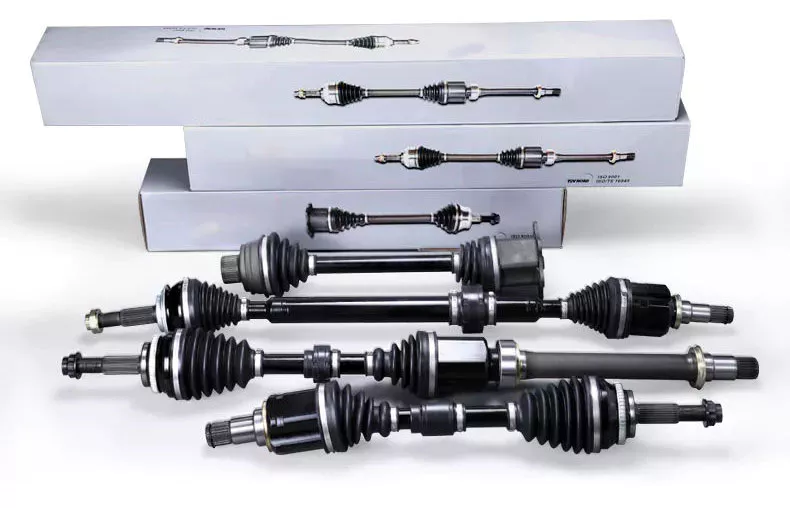
What maintenance practices are crucial for prolonging the lifespan of drive shafts?
To prolong the lifespan of drive shafts and ensure their optimal performance, several maintenance practices are crucial. Regular maintenance helps identify and address potential issues before they escalate, reduces wear and tear, and ensures the drive shaft operates smoothly and efficiently. Here are some essential maintenance practices for prolonging the lifespan of drive shafts:
1. Inspecție regulată:
Performing regular inspections is vital for detecting any signs of wear, damage, or misalignment. Inspect the drive shaft visually, looking for cracks, dents, or any signs of excessive wear on the shaft itself and its associated components such as joints, yokes, and splines. Check for any signs of lubrication leaks or contamination. Additionally, inspect the fasteners and mounting points to ensure they are secure. Early detection of any issues allows for timely repairs or replacements, preventing further damage to the drive shaft.
2. Lubrifiere:
Proper lubrication is essential for the smooth operation and longevity of drive shafts. Lubricate the joints, such as universal joints or constant velocity joints, as recommended by the manufacturer. Lubrication reduces friction, minimizes wear, and helps dissipate heat generated during operation. Use the appropriate lubricant specified for the specific drive shaft and application, considering factors such as temperature, load, and operating conditions. Regularly check the lubrication levels and replenish as necessary to ensure optimal performance and prevent premature failure.
3. Balancing and Alignment:
Maintaining proper balancing and alignment is crucial for the lifespan of drive shafts. Imbalances or misalignments can lead to vibrations, accelerated wear, and potential failure. If vibrations or unusual noises are detected during operation, it is important to address them promptly. Perform balancing procedures as necessary, including dynamic balancing, to ensure even weight distribution along the drive shaft. Additionally, verify that the drive shaft is correctly aligned with the engine or power source and the driven components. Misalignment can cause excessive stress on the drive shaft, leading to premature failure.
4. Protective Coatings:
Applying protective coatings can help prolong the lifespan of drive shafts, particularly in applications exposed to harsh environments or corrosive substances. Consider using coatings such as zinc plating, powder coating, or specialized corrosion-resistant coatings to enhance the drive shaft’s resistance to corrosion, rust, and chemical damage. Regularly inspect the coating for any signs of degradation or damage, and reapply or repair as necessary to maintain the protective barrier.
5. Verificări ale cuplului și elementelor de fixare:
Ensure that the drive shaft’s fasteners, such as bolts, nuts, or clamps, are properly torqued and secured according to the manufacturer’s specifications. Loose or improperly tightened fasteners can lead to excessive vibrations, misalignment, or even detachment of the drive shaft. Periodically check and retighten the fasteners as recommended or after any maintenance or repair procedures. Additionally, monitor the torque levels during operation to ensure they remain within the specified range, as excessive torque can strain the drive shaft and lead to premature failure.
6. Environmental Protection:
Protecting the drive shaft from environmental factors can significantly extend its lifespan. In applications exposed to extreme temperatures, moisture, chemicals, or abrasive substances, take appropriate measures to shield the drive shaft. This may include using protective covers, seals, or guards to prevent contaminants from entering and causing damage. Regular cleaning of the drive shaft, especially in dirty or corrosive environments, can also help remove debris and prevent buildup that could compromise its performance and longevity.
7. Manufacturer Guidelines:
Follow the manufacturer’s guidelines and recommendations for maintenance practices specific to the drive shaft model and application. The manufacturer’s instructions may include specific intervals for inspections, lubrication, balancing, or other maintenance tasks. Adhering to these guidelines ensures that the drive shaft is properly maintained and serviced, maximizing its lifespan and minimizing the risk of unexpected failures.
By implementing these maintenance practices, drive shafts can operate reliably, maintain efficient power transmission, and have an extended service life, ultimately reducing downtime and ensuring optimal performance in various applications.

Cum gestionează arborii de transmisie variațiile de sarcină și vibrațiile în timpul funcționării?
Arborii de transmisie sunt proiectați să gestioneze variațiile de sarcină și vibrații în timpul funcționării prin utilizarea diverselor mecanisme și caracteristici. Aceste mecanisme ajută la asigurarea unei transmiteri line a puterii, la minimizarea vibrațiilor și la menținerea integrității structurale a arborelui de transmisie. Iată o explicație detaliată a modului în care arborii de transmisie gestionează variațiile de sarcină și vibrații:
1. Selecția și proiectarea materialelor:
Arborii de transmisie sunt de obicei fabricați din materiale cu rezistență și rigiditate ridicate, cum ar fi aliajele de oțel sau materialele compozite. Selecția și proiectarea materialelor iau în considerare sarcinile anticipate și condițiile de funcționare ale aplicației. Prin utilizarea materialelor adecvate și optimizarea designului, arborii de transmisie pot rezista variațiilor preconizate ale sarcinii fără a suferi deformări sau devieri excesive.
2. Capacitatea cuplului:
Arborii de transmisie sunt proiectați cu o capacitate de cuplu specifică care corespunde sarcinilor așteptate. Capacitatea de cuplu ia în considerare factori precum puterea de ieșire a sursei de acționare și cerințele de cuplu ale componentelor acționate. Prin selectarea unui arbore de transmisie cu o capacitate de cuplu suficientă, variațiile de sarcină pot fi adaptate fără a depăși limitele arborelui de transmisie și a risca defecțiuni sau avarii.
3. Echilibrare dinamică:
În timpul procesului de fabricație, arborii de transmisie pot fi supuși unei echilibrări dinamice. Dezechilibrele din arborele de transmisie pot duce la vibrații în timpul funcționării. Prin procesul de echilibrare, greutățile sunt adăugate sau îndepărtate strategic pentru a asigura rotirea uniformă a arborelui de transmisie și a minimiza vibrațiile. Echilibrarea dinamică ajută la atenuarea efectelor variațiilor de sarcină și reduce potențialul de vibrații excesive în arborele de transmisie.
4. Amortizoare și control al vibrațiilor:
Arborii de transmisie pot încorpora amortizoare sau mecanisme de control al vibrațiilor pentru a minimiza și mai mult vibrațiile. Aceste dispozitive sunt de obicei proiectate pentru a absorbi sau disipa vibrațiile care pot apărea din cauza variațiilor de sarcină sau a altor factori. Amortizoarele pot fi sub formă de amortizoare de torsiune, izolatoare de cauciuc sau alte elemente de absorbție a vibrațiilor plasate strategic de-a lungul arborelui de transmisie. Prin gestionarea și atenuarea vibrațiilor, arborii de transmisie asigură o funcționare lină și îmbunătățesc performanța generală a sistemului.
5. Articulații CV:
Articulațiile CV (C) sunt adesea utilizate în arborii de transmisie pentru a adapta variațiile unghiurilor de funcționare și pentru a menține o viteză constantă. Articulațiile CV permit arborelui de transmisie să transmită puterea chiar și atunci când componentele motoare și acționate se află la unghiuri diferite. Prin adaptarea variațiilor unghiurilor de funcționare, articulațiile CV ajută la minimizarea impactului variațiilor de sarcină și la reducerea vibrațiilor potențiale care pot apărea din cauza modificărilor geometriei transmisiei.
6. Lubrifiere și întreținere:
Lubrifierea adecvată și întreținerea regulată sunt esențiale pentru ca arborii de transmisie să poată gestiona eficient variațiile de sarcină și vibrații. Lubrifierea ajută la reducerea frecării dintre piesele mobile, minimizând uzura și generarea de căldură. Întreținerea regulată, inclusiv inspecția și lubrifierea îmbinărilor, asigură că arborele de transmisie rămâne în stare optimă, reducând riscul de defecțiune sau de degradare a performanței din cauza variațiilor de sarcină.
7. Rigiditate structurală:
Arborii de transmisie sunt proiectați să aibă o rigiditate structurală suficientă pentru a rezista forțelor de îndoire și torsiune. Această rigiditate ajută la menținerea integrității arborelui de transmisie atunci când este supus variațiilor de sarcină. Prin minimizarea deformării și menținerea integrității structurale, arborele de transmisie poate transmite eficient puterea și poate gestiona variațiile de sarcină fără a compromite performanța sau a introduce vibrații excesive.
8. Sisteme de control și feedback:
În unele aplicații, arborii de transmisie pot fi echipați cu sisteme de control care monitorizează și ajustează activ parametri precum cuplul, viteza și vibrațiile. Aceste sisteme de control utilizează senzori și mecanisme de feedback pentru a detecta variațiile sarcinii sau vibrațiile și pentru a efectua ajustări în timp real pentru a optimiza performanța. Prin gestionarea activă a variațiilor sarcinii și a vibrațiilor, arborii de transmisie se pot adapta la condițiile de funcționare în schimbare și pot menține o funcționare lină.
În concluzie, arborii de transmisie gestionează variațiile de sarcină și vibrații în timpul funcționării prin selecția și proiectarea atentă a materialelor, considerații privind capacitatea de cuplu, echilibrare dinamică, integrarea amortizoarelor și a mecanismelor de control al vibrațiilor, utilizarea articulațiilor CV, lubrifiere și întreținere adecvate, rigiditate structurală și, în unele cazuri, sisteme de control și mecanisme de feedback. Prin încorporarea acestor caracteristici și mecanisme, arborii de transmisie asigură o transmisie fiabilă și eficientă a puterii, minimizând în același timp impactul variațiilor de sarcină și al vibrațiilor asupra performanței generale a sistemului.
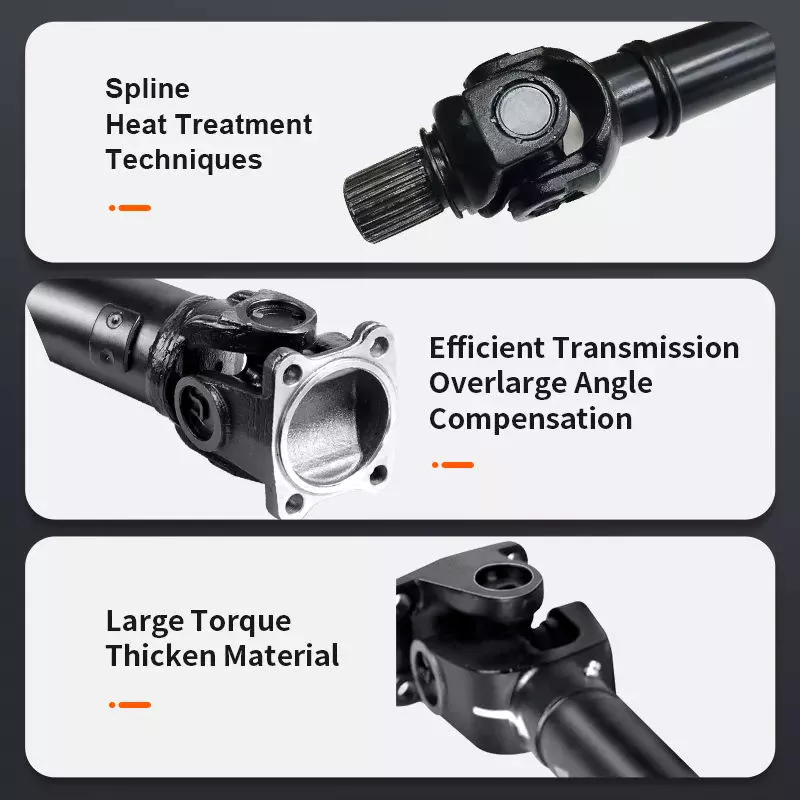
How do drive shafts contribute to transferring rotational power in various applications?
Drive shafts play a crucial role in transferring rotational power from the engine or power source to the wheels or driven components in various applications. Whether it’s in vehicles or machinery, drive shafts enable efficient power transmission and facilitate the functioning of different systems. Here’s a detailed explanation of how drive shafts contribute to transferring rotational power:
1. Vehicle Applications:
In vehicles, drive shafts are responsible for transmitting rotational power from the engine to the wheels, enabling the vehicle to move. The drive shaft connects the gearbox or transmission output shaft to the differential, which further distributes the power to the wheels. As the engine generates torque, it is transferred through the drive shaft to the wheels, propelling the vehicle forward. This power transfer allows the vehicle to accelerate, maintain speed, and overcome resistance, such as friction and inclines.
2. Machinery Applications:
In machinery, drive shafts are utilized to transfer rotational power from the engine or motor to various driven components. For example, in industrial machinery, drive shafts may be used to transmit power to pumps, generators, conveyors, or other mechanical systems. In agricultural machinery, drive shafts are commonly employed to connect the power source to equipment such as harvesters, balers, or irrigation systems. Drive shafts enable these machines to perform their intended functions by delivering rotational power to the necessary components.
3. Power Transmission:
Drive shafts are designed to transmit rotational power efficiently and reliably. They are capable of transferring substantial amounts of torque from the engine to the wheels or driven components. The torque generated by the engine is transmitted through the drive shaft without significant power losses. By maintaining a rigid connection between the engine and the driven components, drive shafts ensure that the power produced by the engine is effectively utilized in performing useful work.
4. Cuplaj flexibil:
One of the key functions of drive shafts is to provide a flexible coupling between the engine/transmission and the wheels or driven components. This flexibility allows the drive shaft to accommodate angular movement and compensate for misalignment between the engine and the driven system. In vehicles, as the suspension system moves or the wheels encounter uneven terrain, the drive shaft adjusts its length and angle to maintain a constant power transfer. This flexibility helps prevent excessive stress on the drivetrain components and ensures smooth power transmission.
5. Torque and Speed Transmission:
Drive shafts are responsible for transmitting both torque and rotational speed. Torque is the rotational force generated by the engine or power source, while rotational speed is the number of revolutions per minute (RPM). Drive shafts must be capable of handling the torque requirements of the application without excessive twisting or bending. Additionally, they need to maintain the desired rotational speed to ensure the proper functioning of the driven components. Proper design, material selection, and balancing of the drive shafts contribute to efficient torque and speed transmission.
6. Length and Balance:
The length and balance of drive shafts are critical factors in their performance. The length of the drive shaft is determined by the distance between the engine or power source and the driven components. It should be appropriately sized to avoid excessive vibrations or bending. Drive shafts are carefully balanced to minimize vibrations and rotational imbalances, which can affect the overall performance, comfort, and longevity of the drivetrain system.
7. Safety and Maintenance:
Drive shafts require proper safety measures and regular maintenance. In vehicles, drive shafts are often enclosed within a protective tube or housing to prevent contact with moving parts, reducing the risk of injury. Safety shields or guards may also be installed around exposed drive shafts in machinery to protect operators from potential hazards. Regular maintenance includes inspecting the drive shaft for wear, damage, or misalignment, and ensuring proper lubrication of the U-joints. These measures help prevent failures, ensure optimal performance, and extend the service life of the drive shaft.
In summary, drive shafts play a vital role in transferring rotational power in various applications. Whether in vehicles or machinery, drive shafts enable efficient power transmission from the engine or power source to the wheels or driven components. They provide a flexible coupling, handle torque and speed transmission, accommodate angular movement, and contribute to the safety and maintenance of the system. By effectively transferring rotational power, drive shafts facilitate the functioning and performance of vehicles and machinery in numerous industries.


editor by CX 2024-04-03























