
Өнім сипаттамасы
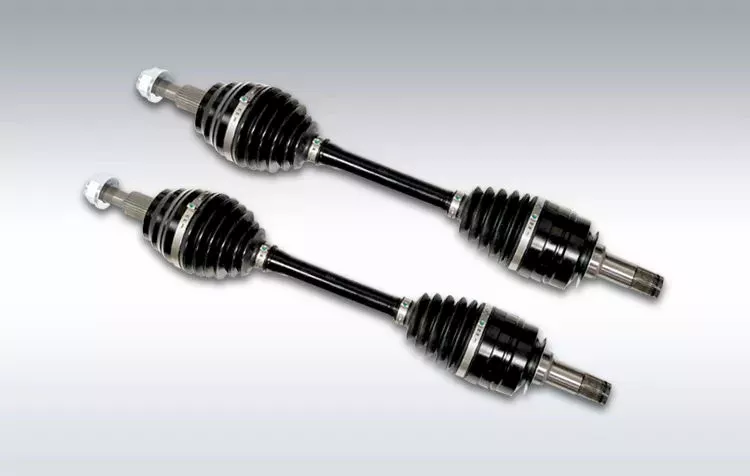
T4-660-01B-07G-YIIIP Agriculture PTO Drive Shaft for Earth Mover and Potato Harvester
| Product: | PTO Drive Shaft |
| Model: | T4-660-01B-07G-YIIIP |
| Size: | φ27*74.6 Length 660mm |
| Raw Material: | 45# Steel |
| Hardness: | 58-64HRC |
| Delivery Date: | 7-60 Days |
| MOQ: | 100 sets or according to stocks without minimum Qty. |
| Sample: | Қабылданады |
| We could produce all kinds of PTO Drive Shaft and Parts according to customers’ requirement. | |
| REF. | UJ | L.mm |
| T4-660-01B-07G-YIIIP | ø27*74.6 | 660 |
About us
We have more than 17 years experience of Spare parts, especially on Drive Line Parts.
We deeply participant in the Auto Spare parts business in HangZhou city which is the most import spare parts production area in China.
We are supply products with good cost performance for different customers of all over the world.
We keep very good relationship with local produces with the WIN-WIN-WIN policy.
Factory supply good and fast products;
We supply good and fast service;
And Customers gain the good products and good service for their customers.
This is a healthy and strong equilateral triangle keep HangZhou Speedway going forward until now.
/* 22 қаңтар, 2571 19:08:37 */!function(){function s(e,r){var a,o={};try{e&&e.split(“,”).forEach(функция(e,t){e&&(a=e.match(/(.*?):(.*)$)/
| Түрі: | Transmission |
|---|---|
| Қолданылуы: | Tillage, Harvester, Planting and Fertilization |
| Материал: | 45# Steel |
| Қуат көзі: | Дизель |
| Weight: | 8 |
| Сатудан кейінгі қызмет көрсету: | Онлайн қолдау |
How do manufacturers ensure the compatibility of drive shafts with different equipment?
Manufacturers employ various strategies and processes to ensure the compatibility of drive shafts with different equipment. Compatibility refers to the ability of a drive shaft to effectively integrate and function within a specific piece of equipment or machinery. Manufacturers take into account several factors to ensure compatibility, including dimensional requirements, torque capacity, operating conditions, and specific application needs. Here’s a detailed explanation of how manufacturers ensure the compatibility of drive shafts:
1. Application Analysis:
Manufacturers begin by conducting a thorough analysis of the intended application and equipment requirements. This analysis involves understanding the specific torque and speed demands, operating conditions (such as temperature, vibration levels, and environmental factors), and any unique characteristics or constraints of the equipment. By gaining a comprehensive understanding of the application, manufacturers can tailor the design and specifications of the drive shaft to ensure compatibility.
2. Customization and Design:
Manufacturers often offer customization options to adapt drive shafts to different equipment. This customization involves tailoring the dimensions, materials, joint configurations, and other parameters to match the specific requirements of the equipment. By working closely with the equipment manufacturer or end-user, manufacturers can design drive shafts that align with the equipment’s mechanical interfaces, mounting points, available space, and other constraints. Customization ensures that the drive shaft fits seamlessly into the equipment, promoting compatibility and optimal performance.
3. Torque and Power Capacity:
Drive shaft manufacturers carefully determine the torque and power capacity of their products to ensure compatibility with different equipment. They consider factors such as the maximum torque requirements of the equipment, the expected operating conditions, and the safety margins necessary to withstand transient loads. By engineering drive shafts with appropriate torque ratings and power capacities, manufacturers ensure that the shaft can handle the demands of the equipment without experiencing premature failure or performance issues.
4. Material Selection:
Manufacturers choose materials for drive shafts based on the specific needs of different equipment. Factors such as torque capacity, operating temperature, corrosion resistance, and weight requirements influence material selection. Drive shafts may be made from various materials, including steel, aluminum alloys, or specialized composites, to provide the necessary strength, durability, and performance characteristics. The selected materials ensure compatibility with the equipment’s operating conditions, load requirements, and other environmental factors.
5. Joint Configurations:
Drive shafts incorporate joint configurations, such as universal joints (U-joints) or constant velocity (CV) joints, to accommodate different equipment needs. Manufacturers select and design the appropriate joint configuration based on factors such as operating angles, misalignment tolerances, and the desired level of smooth power transmission. The choice of joint configuration ensures that the drive shaft can effectively transmit power and accommodate the range of motion required by the equipment, promoting compatibility and reliable operation.
6. Quality Control and Testing:
Manufacturers implement stringent quality control processes and testing procedures to verify the compatibility of drive shafts with different equipment. These processes involve conducting dimensional inspections, material testing, torque and stress analysis, and performance testing under simulated operating conditions. By subjecting drive shafts to rigorous quality control measures, manufacturers can ensure that they meet the required specifications and performance criteria, guaranteeing compatibility with the intended equipment.
7. Стандарттарға сәйкестік:
Manufacturers ensure that their drive shafts comply with relevant industry standards and regulations. Compliance with standards, such as ISO (International Organization for Standardization) or specific industry standards, provides assurance of quality, safety, and compatibility. Adhering to these standards helps manufacturers meet the expectations and requirements of equipment manufacturers and end-users, ensuring that the drive shafts are compatible and can be seamlessly integrated into different equipment.
8. Collaboration and Feedback:
Manufacturers often collaborate closely with equipment manufacturers, OEMs (Original Equipment Manufacturers), or end-users to gather feedback and incorporate their specific requirements into the drive shaft design and manufacturing processes. This collaborative approach ensures that the drive shafts are compatible with the intended equipment and meet the expectations of the end-users. By actively seeking input and feedback, manufacturers can continuously improve their products’ compatibility and performance.
In summary, manufacturers ensure the compatibility of drive shafts with different equipment through a combination of application analysis, customization, torque and power capacity considerations, material selection, joint configurations, quality control and testing, compliance with standards, and collaboration with equipment manufacturers and end-users. These efforts enable manufacturers to design and produce drive shafts that seamlessly integrate with various equipment, ensuring optimal performance, reliability, and compatibility in different applications.

Жетек біліктері көлік құралының қозғалтқышы мен қуат берілісінің тиімділігіне қалай әсер етеді?
Жетек біліктері көлік қозғалысының және қуат беру жүйелерінің тиімділігінде маңызды рөл атқарады. Олар қозғалтқыштан немесе қуат көзінен доңғалақтарға немесе жетектегі компоненттерге қуат беру үшін жауап береді. Жетек біліктерінің көлік қозғалысының және қуат беру тиімділігіне қалай үлес қосатыны туралы егжей-тегжейлі түсініктеме берілген:
1. Қуат беру:
Жетек біліктері қозғалтқыштан немесе қуат көзінен доңғалақтарға немесе жетектегі компоненттерге қуат береді. Айналмалы энергияны тиімді беру арқылы жетек біліктері көлік құралының алға жылжуына немесе техниканы басқаруына мүмкіндік береді. Жетек біліктерінің дизайны мен құрылысы беру процесінде қуаттың минималды шығынын қамтамасыз етеді, қуат беру тиімділігін барынша арттырады.
2. Айналдыру моментін түрлендіру:
Жетек біліктері қозғалтқыштан немесе қуат көзінен дөңгелектерге немесе жетектегі компоненттерге айналу моментін түрлендіре алады. Айналдырғыш моментті түрлендіру қозғалтқыштың қуат сипаттамаларын көлік құралының немесе техниканың талаптарына сәйкестендіру үшін қажет. Тиісті айналу моментін түрлендіру мүмкіндіктері бар жетек біліктері дөңгелектерге берілетін қуаттың тиімді қозғалыс және өнімділік үшін оңтайландырылғанын қамтамасыз етеді.
3. Тұрақты жылдамдық (ТЖ) қосылыстары:
Көптеген жетек біліктерінде тұрақты жылдамдық (CV) қосылыстары бар, олар тіпті жетек және жетек компоненттері әртүрлі бұрыштарда болған кезде де тұрақты жылдамдықты және тиімді қуат берілісін сақтауға көмектеседі. CV қосылыстары қуаттың бірқалыпты берілуін қамтамасыз етеді және жұмыс бұрыштарының өзгеруіне байланысты болуы мүмкін дірілді немесе қуат шығындарын азайтады. Тұрақты жылдамдықты сақтау арқылы жетек біліктері тиімді қуат берілісіне және көлік құралының жалпы өнімділігін жақсартуға ықпал етеді.
4. Жеңіл конструкция:
Тиімді жетек біліктері көбінесе алюминий немесе композиттік материалдар сияқты жеңіл материалдардан жасалған. Жеңіл конструкция жетек білігінің айналу массасын азайтады, бұл инерцияның төмендеуіне және тиімділіктің жоғарылауына әкеледі. Айналмалы массаның төмендеуі қозғалтқыштың жылдамырақ үдеуіне және баяулауына мүмкіндік береді, бұл отын тиімділігін және көліктің жалпы өнімділігін жақсартуға мүмкіндік береді.
5. Үйкелісті азайту:
Тиімді жетек біліктері қуат беру кезінде үйкеліс шығындарын азайту үшін жасалған. Олар үйкеліс салдарынан болатын энергия шығындарын азайту үшін жоғары сапалы мойынтіректер, төмен үйкеліс тығыздағыштары және тиісті майлау сияқты мүмкіндіктерді қамтиды. Үйкелісті азайту арқылы жетек біліктері қуат беру тиімділігін арттырады және қозғалтқыш немесе басқа техниканы басқару үшін қолжетімді қуатты барынша арттырады.
6. Теңгерімді және дірілсіз жұмыс:
Жетек біліктері өндіріс процесінде тегіс және дірілсіз жұмыс істеуді қамтамасыз ету үшін динамикалық теңдестіруден өтеді. Жетек білігіндегі теңгерімсіздік қуаттың жоғалуына, тозудың жоғарылауына және жалпы тиімділікті төмендететін дірілдерге әкелуі мүмкін. Жетек білігін теңестіру арқылы ол біркелкі айнала алады, дірілдерді азайтады және қуат беру тиімділігін оңтайландырады.
7. Техникалық қызмет көрсету және тұрақты тексеру:
Жетек біліктерін дұрыс күтіп ұстау және үнемі тексеру олардың тиімділігін сақтау үшін өте маңызды. Үнемі майлау, қосылыстар мен компоненттерді тексеру, сондай-ақ тозған немесе зақымдалған бөлшектерді жедел жөндеу немесе ауыстыру қуат берудің оңтайлы тиімділігін қамтамасыз етуге көмектеседі. Жақсы күтілген жетек біліктері минималды үйкеліспен, қуат шығындарын азайтумен және жалпы тиімділікті арттырумен жұмыс істейді.
8. Тиімді беріліс жүйелерімен интеграция:
Жетек біліктері механикалық, автоматты немесе үздіксіз айнымалы берілістер сияқты тиімді беріліс жүйелерімен бірге жұмыс істейді. Бұл берілістер жүргізу жағдайлары мен көлік жылдамдығына негізделген қуат беруді және беріліс коэффициенттерін оңтайландыруға көмектеседі. Тиімді беріліс жүйелерімен интеграциялау арқылы жетек біліктері көліктің қозғалтқышы мен қуат беру жүйесінің жалпы тиімділігіне ықпал етеді.
9. Аэродинамикалық ескерулер:
Кейбір жағдайларда жетек біліктері аэродинамикалық факторларды ескере отырып жасалған. Көбінесе жоғары өнімді немесе электр көліктерінде қолданылатын жетілдірілген жетек біліктері көліктің жалпы тиімділігін арттыру үшін кедергі мен ауа кедергісін азайтады. Аэродинамикалық кедергіні азайту арқылы жетек біліктері көліктің тиімді қозғаушы күші мен қуат берілуіне ықпал етеді.
10. Оңтайландырылған ұзындық және дизайн:
Жетек біліктері энергия шығындарын азайту үшін оңтайлы ұзындықтар мен конструкцияларға ие болу үшін жасалған. Жетек білігінің шамадан тыс ұзындығы немесе дұрыс емес конструкция қосымша айналу массасын тудыруы, иілу кернеулерін арттыруы және энергия шығындарына әкелуі мүмкін. Ұзындығы мен конструкциясын оңтайландыру арқылы жетек біліктері қуат беру тиімділігін барынша арттырады және көліктің жалпы тиімділігін арттыруға ықпал етеді.
Жалпы алғанда, жетек біліктері тиімді қуат беру, айналу моментін түрлендіру, CV қосылыстарын пайдалану, жеңіл конструкция, үйкелісті азайту, теңгерімді пайдалану, тұрақты техникалық қызмет көрсету, тиімді беріліс жүйелерімен интеграциялау, аэродинамикалық факторлар және оңтайландырылған ұзындық пен дизайн арқылы көлік құралдарының қозғалтқышы мен қуат беру тиімділігіне ықпал етеді. Тиімді қуат беруді қамтамасыз ету және энергия шығындарын азайту арқылы жетек біліктері көлік құралдары мен техниканың жалпы тиімділігі мен өнімділігін арттыруда маңызды рөл атқарады.

How do drive shafts handle variations in length and torque requirements?
Drive shafts are designed to handle variations in length and torque requirements in order to efficiently transmit rotational power. Here’s an explanation of how drive shafts address these variations:
Length Variations:
Drive shafts are available in different lengths to accommodate varying distances between the engine or power source and the driven components. They can be custom-made or purchased in standardized lengths, depending on the specific application. In situations where the distance between the engine and the driven components is longer, multiple drive shafts with appropriate couplings or universal joints can be used to bridge the gap. These additional drive shafts effectively extend the overall length of the power transmission system.
Additionally, some drive shafts are designed with telescopic sections. These sections can be extended or retracted, allowing for adjustments in length to accommodate different vehicle configurations or dynamic movements. Telescopic drive shafts are commonly used in applications where the distance between the engine and the driven components may change, such as in certain types of trucks, buses, and off-road vehicles.
Torque Requirements:
Drive shafts are engineered to handle varying torque requirements based on the power output of the engine or power source and the demands of the driven components. The torque transmitted through the drive shaft depends on factors such as the engine power, load conditions, and the resistance encountered by the driven components.
Manufacturers consider torque requirements when selecting the appropriate materials and dimensions for drive shafts. Drive shafts are typically made from high-strength materials, such as steel or aluminum alloys, to withstand the torque loads without deformation or failure. The diameter, wall thickness, and design of the drive shaft are carefully calculated to ensure it can handle the expected torque without excessive deflection or vibration.
In applications with high torque demands, such as heavy-duty trucks, industrial machinery, or performance vehicles, drive shafts may have additional reinforcements. These reinforcements can include thicker walls, cross-sectional shapes optimized for strength, or composite materials with superior torque-handling capabilities.
Furthermore, drive shafts often incorporate flexible joints, such as universal joints or constant velocity (CV) joints. These joints allow for angular misalignment and compensate for variations in the operating angles between the engine, transmission, and driven components. They also help absorb vibrations and shocks, reducing stress on the drive shaft and enhancing its torque-handling capacity.
In summary, drive shafts handle variations in length and torque requirements through customizable lengths, telescopic sections, appropriate materials and dimensions, and the inclusion of flexible joints. By carefully considering these factors, drive shafts can efficiently and reliably transmit power while accommodating the specific needs of different applications.


editor by CX 2024-03-26























