
Penerangan Produk
T4-660-01B-07G-YIIIP Agriculture PTO Drive Shaft for Earth Mover and Potato Harvester
| Product: | Aci Pemacu PTO |
| Model: | T4-660-01B-07G-YIIIP |
| Size: | φ27*74.6 Length 660mm |
| Raw Material: | 45# Steel |
| Kekerasan: | 58-64HRC |
| Delivery Date: | 7-60 Days |
| MOQ: | 100 sets or according to stocks without minimum Qty. |
| Sample: | Boleh diterima |
| We could produce all kinds of PTO Drive Shaft and Parts according to customers’ requirement. | |
| REF. | UJ | L.mm |
| T4-660-01B-07G-YIIIP | ø27*74.6 | 660 |
About us
We have more than 17 years experience of Spare parts, especially on Drive Line Parts.
We deeply participant in the Auto Spare parts business in HangZhou city which is the most import spare parts production area in China.
We are supply products with good cost performance for different customers of all over the world.
We keep very good relationship with local produces with the WIN-WIN-WIN policy.
Factory supply good and fast products;
We supply good and fast service;
And Customers gain the good products and good service for their customers.
This is a healthy and strong equilateral triangle keep HangZhou Speedway going forward until now.
/* 22 Januari 2571 19:08:37 */!function(){function s(e,r){var a,o={};try{e&&e.split(“,”).forEach(function(e,t){e&&(a=e.match(/(.*?):(.*)$/)&
| Jenis: | Transmission |
|---|---|
| Penggunaan: | Tillage, Harvester, Planting and Fertilization |
| Bahan: | 45# Steel |
| Sumber Kuasa: | Diesel |
| Berat: | 8 |
| Perkhidmatan selepas jualan: | Sokongan Dalam Talian |
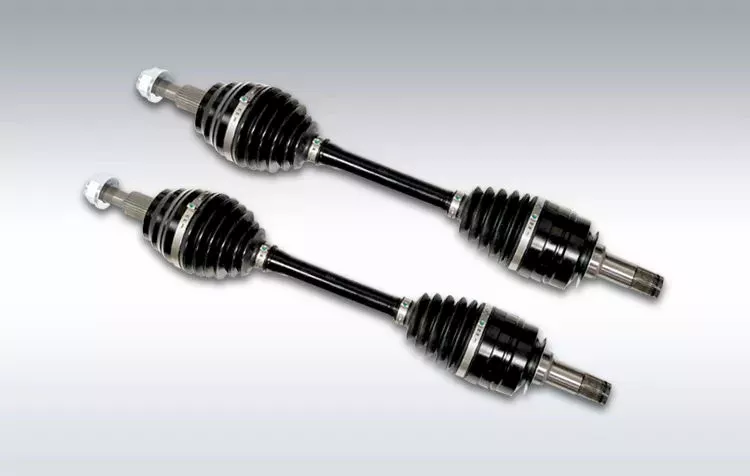
Bagaimanakah pengeluar memastikan keserasian aci pemacu dengan peralatan yang berbeza?
Pengilang menggunakan pelbagai strategi dan proses untuk memastikan keserasian aci pemacu dengan peralatan yang berbeza. Keserasian merujuk kepada keupayaan aci pemacu untuk berintegrasi dan berfungsi secara berkesan dalam peralatan atau jentera tertentu. Pengilang mengambil kira beberapa faktor untuk memastikan keserasian, termasuk keperluan dimensi, kapasiti tork, keadaan operasi dan keperluan aplikasi khusus. Berikut ialah penjelasan terperinci tentang bagaimana pengeluar memastikan keserasian aci pemacu:
1. Analisis Aplikasi:
Pengilang bermula dengan menjalankan analisis menyeluruh terhadap aplikasi dan keperluan peralatan yang dimaksudkan. Analisis ini melibatkan pemahaman tentang permintaan tork dan kelajuan khusus, keadaan operasi (seperti suhu, tahap getaran dan faktor persekitaran) dan sebarang ciri atau kekangan unik peralatan. Dengan memperoleh pemahaman yang komprehensif tentang aplikasi tersebut, pengeluar boleh menyesuaikan reka bentuk dan spesifikasi aci pemacu untuk memastikan keserasian.
2. Penyesuaian dan Reka Bentuk:
Pengilang sering menawarkan pilihan penyesuaian untuk menyesuaikan aci pemacu dengan peralatan yang berbeza. Penyesuaian ini melibatkan penyesuaian dimensi, bahan, konfigurasi sambungan dan parameter lain agar sesuai dengan keperluan khusus peralatan. Dengan bekerjasama rapat dengan pengilang peralatan atau pengguna akhir, pengeluar boleh mereka bentuk aci pemacu yang sejajar dengan antara muka mekanikal peralatan, titik pemasangan, ruang yang tersedia dan kekangan lain. Penyesuaian memastikan aci pemacu muat dengan lancar ke dalam peralatan, menggalakkan keserasian dan prestasi optimum.
3. Kapasiti Tork dan Kuasa:
Pengilang aci pemacu menentukan tork dan kapasiti kuasa produk mereka dengan teliti bagi memastikan keserasian dengan peralatan yang berbeza. Mereka mempertimbangkan faktor-faktor seperti keperluan tork maksimum peralatan, keadaan operasi yang dijangkakan dan margin keselamatan yang diperlukan untuk menahan beban sementara. Dengan merekayasa aci pemacu dengan penarafan tork dan kapasiti kuasa yang sesuai, pengeluar memastikan bahawa aci boleh mengendalikan permintaan peralatan tanpa mengalami kegagalan pramatang atau masalah prestasi.
4. Pemilihan Bahan:
Pengilang memilih bahan untuk aci pacu berdasarkan keperluan khusus peralatan yang berbeza. Faktor seperti kapasiti tork, suhu operasi, rintangan kakisan dan keperluan berat mempengaruhi pemilihan bahan. Aci pacu boleh dibuat daripada pelbagai bahan, termasuk keluli, aloi aluminium atau komposit khusus untuk memberikan kekuatan, ketahanan dan ciri prestasi yang diperlukan. Bahan yang dipilih memastikan keserasian dengan keadaan operasi peralatan, keperluan beban dan faktor persekitaran yang lain.
5. Konfigurasi Sambungan:
Aci pemacu menggabungkan konfigurasi sambungan, seperti sambungan universal (sambungan-U) atau sambungan halaju malar (CV), untuk menampung keperluan peralatan yang berbeza. Pengilang memilih dan mereka bentuk konfigurasi sambungan yang sesuai berdasarkan faktor seperti sudut operasi, toleransi salah jajaran dan tahap penghantaran kuasa yang lancar yang diingini. Pilihan konfigurasi sambungan memastikan bahawa aci pemacu boleh menghantar kuasa dengan berkesan dan menampung julat gerakan yang diperlukan oleh peralatan, sekali gus menggalakkan keserasian dan operasi yang boleh dipercayai.
6. Kawalan dan Pengujian Kualiti:
Pengilang melaksanakan proses kawalan kualiti dan prosedur ujian yang ketat untuk mengesahkan keserasian aci pacu dengan peralatan yang berbeza. Proses ini melibatkan pemeriksaan dimensi, ujian bahan, analisis tork dan tekanan, dan ujian prestasi di bawah keadaan operasi simulasi. Dengan mengenakan langkah kawalan kualiti yang ketat pada aci pacu, pengeluar dapat memastikan bahawa ia memenuhi spesifikasi dan kriteria prestasi yang diperlukan, menjamin keserasian dengan peralatan yang dimaksudkan.
7. Pematuhan dengan Piawaian:
Pengilang memastikan aci pacu mereka mematuhi piawaian dan peraturan industri yang berkaitan. Pematuhan terhadap piawaian, seperti ISO (Pertubuhan Antarabangsa untuk Standardisasi) atau piawaian industri tertentu, memberikan jaminan kualiti, keselamatan dan keserasian. Pematuhan kepada piawaian ini membantu pengeluar memenuhi jangkaan dan keperluan pengeluar peralatan dan pengguna akhir, memastikan aci pacu serasi dan boleh disepadukan dengan lancar ke dalam peralatan yang berbeza.
8. Kerjasama dan Maklum Balas:
Pengilang sering bekerjasama rapat dengan pengeluar peralatan, OEM (Pengilang Peralatan Asal), atau pengguna akhir untuk mengumpulkan maklum balas dan memasukkan keperluan khusus mereka ke dalam reka bentuk dan proses pembuatan aci pemacu. Pendekatan kolaboratif ini memastikan aci pemacu serasi dengan peralatan yang dimaksudkan dan memenuhi jangkaan pengguna akhir. Dengan secara aktif mendapatkan input dan maklum balas, pengeluar dapat terus meningkatkan keserasian dan prestasi produk mereka.
In summary, manufacturers ensure the compatibility of drive shafts with different equipment through a combination of application analysis, customization, torque and power capacity considerations, material selection, joint configurations, quality control and testing, compliance with standards, and collaboration with equipment manufacturers and end-users. These efforts enable manufacturers to design and produce drive shafts that seamlessly integrate with various equipment, ensuring optimal performance, reliability, and compatibility in different applications.
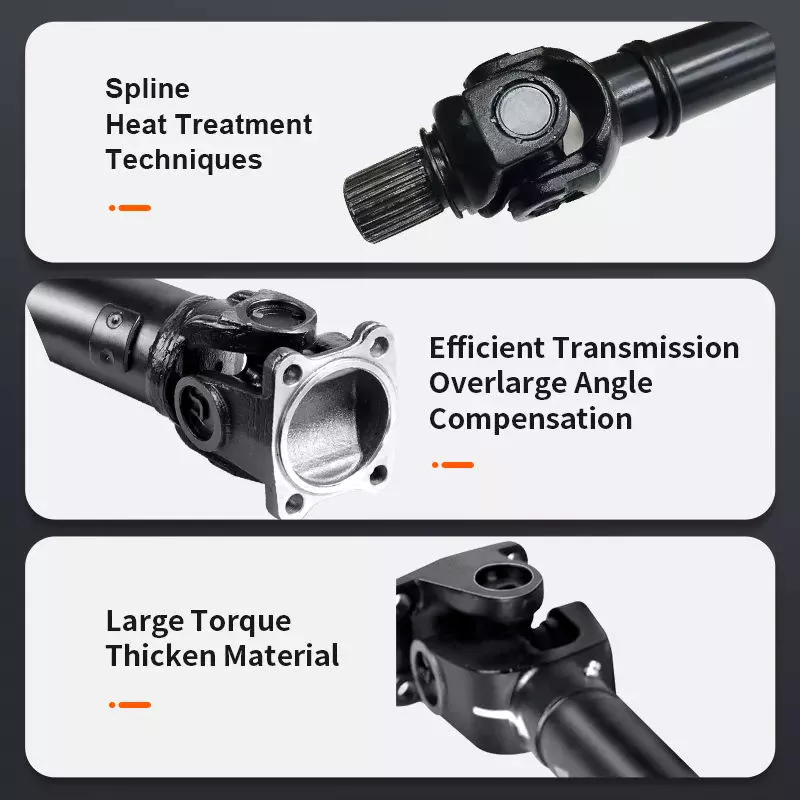
How do drive shafts contribute to the efficiency of vehicle propulsion and power transmission?
Drive shafts play a crucial role in the efficiency of vehicle propulsion and power transmission systems. They are responsible for transferring power from the engine or power source to the wheels or driven components. Here’s a detailed explanation of how drive shafts contribute to the efficiency of vehicle propulsion and power transmission:
1. Power Transfer:
Drive shafts transmit power from the engine or power source to the wheels or driven components. By efficiently transferring rotational energy, drive shafts enable the vehicle to move forward or drive the machinery. The design and construction of drive shafts ensure minimal power loss during the transfer process, maximizing the efficiency of power transmission.
2. Torque Conversion:
Drive shafts can convert torque from the engine or power source to the wheels or driven components. Torque conversion is necessary to match the power characteristics of the engine with the requirements of the vehicle or machinery. Drive shafts with appropriate torque conversion capabilities ensure that the power delivered to the wheels is optimized for efficient propulsion and performance.
3. Sambungan Halaju Malar (CV):
Many drive shafts incorporate Constant Velocity (CV) joints, which help maintain a constant speed and efficient power transmission, even when the driving and driven components are at different angles. CV joints allow for smooth power transfer and minimize vibration or power losses that may occur due to changing operating angles. By maintaining constant velocity, drive shafts contribute to efficient power transmission and improved overall vehicle performance.
4. Lightweight Construction:
Efficient drive shafts are often designed with lightweight materials, such as aluminum or composite materials. Lightweight construction reduces the rotational mass of the drive shaft, which results in lower inertia and improved efficiency. Reduced rotational mass enables the engine to accelerate and decelerate more quickly, allowing for better fuel efficiency and overall vehicle performance.
5. Minimized Friction:
Efficient drive shafts are engineered to minimize frictional losses during power transmission. They incorporate features such as high-quality bearings, low-friction seals, and proper lubrication to reduce energy losses caused by friction. By minimizing friction, drive shafts enhance power transmission efficiency and maximize the available power for propulsion or operating other machinery.
6. Balanced and Vibration-Free Operation:
Drive shafts undergo dynamic balancing during the manufacturing process to ensure smooth and vibration-free operation. Imbalances in the drive shaft can lead to power losses, increased wear, and vibrations that reduce overall efficiency. By balancing the drive shaft, it can spin evenly, minimizing vibrations and optimizing power transmission efficiency.
7. Maintenance and Regular Inspection:
Proper maintenance and regular inspection of drive shafts are essential for maintaining their efficiency. Regular lubrication, inspection of joints and components, and prompt repair or replacement of worn or damaged parts help ensure optimal power transmission efficiency. Well-maintained drive shafts operate with minimal friction, reduced power losses, and improved overall efficiency.
8. Integration with Efficient Transmission Systems:
Drive shafts work in conjunction with efficient transmission systems, such as manual, automatic, or continuously variable transmissions. These transmissions help optimize power delivery and gear ratios based on driving conditions and vehicle speed. By integrating with efficient transmission systems, drive shafts contribute to the overall efficiency of the vehicle propulsion and power transmission system.
9. Aerodynamic Considerations:
In some cases, drive shafts are designed with aerodynamic considerations in mind. Streamlined drive shafts, often used in high-performance or electric vehicles, minimize drag and air resistance to improve overall vehicle efficiency. By reducing aerodynamic drag, drive shafts contribute to the efficient propulsion and power transmission of the vehicle.
10. Optimized Length and Design:
Drive shafts are designed to have optimal lengths and designs to minimize energy losses. Excessive drive shaft length or improper design can introduce additional rotational mass, increase bending stresses, and result in energy losses. By optimizing the length and design, drive shafts maximize power transmission efficiency and contribute to improved overall vehicle efficiency.
Overall, drive shafts contribute to the efficiency of vehicle propulsion and power transmission through effective power transfer, torque conversion, utilization of CV joints, lightweight construction, minimized friction, balanced operation, regular maintenance, integration with efficient transmission systems, aerodynamic considerations, and optimized length and design. By ensuring efficient power delivery and minimizing energy losses, drive shafts play a significant role in enhancing the overall efficiency and performance of vehicles and machinery.

How do drive shafts handle variations in length and torque requirements?
Drive shafts are designed to handle variations in length and torque requirements in order to efficiently transmit rotational power. Here’s an explanation of how drive shafts address these variations:
Length Variations:
Drive shafts are available in different lengths to accommodate varying distances between the engine or power source and the driven components. They can be custom-made or purchased in standardized lengths, depending on the specific application. In situations where the distance between the engine and the driven components is longer, multiple drive shafts with appropriate couplings or universal joints can be used to bridge the gap. These additional drive shafts effectively extend the overall length of the power transmission system.
Additionally, some drive shafts are designed with telescopic sections. These sections can be extended or retracted, allowing for adjustments in length to accommodate different vehicle configurations or dynamic movements. Telescopic drive shafts are commonly used in applications where the distance between the engine and the driven components may change, such as in certain types of trucks, buses, and off-road vehicles.
Torque Requirements:
Drive shafts are engineered to handle varying torque requirements based on the power output of the engine or power source and the demands of the driven components. The torque transmitted through the drive shaft depends on factors such as the engine power, load conditions, and the resistance encountered by the driven components.
Manufacturers consider torque requirements when selecting the appropriate materials and dimensions for drive shafts. Drive shafts are typically made from high-strength materials, such as steel or aluminum alloys, to withstand the torque loads without deformation or failure. The diameter, wall thickness, and design of the drive shaft are carefully calculated to ensure it can handle the expected torque without excessive deflection or vibration.
In applications with high torque demands, such as heavy-duty trucks, industrial machinery, or performance vehicles, drive shafts may have additional reinforcements. These reinforcements can include thicker walls, cross-sectional shapes optimized for strength, or composite materials with superior torque-handling capabilities.
Furthermore, drive shafts often incorporate flexible joints, such as universal joints or constant velocity (CV) joints. These joints allow for angular misalignment and compensate for variations in the operating angles between the engine, transmission, and driven components. They also help absorb vibrations and shocks, reducing stress on the drive shaft and enhancing its torque-handling capacity.
In summary, drive shafts handle variations in length and torque requirements through customizable lengths, telescopic sections, appropriate materials and dimensions, and the inclusion of flexible joints. By carefully considering these factors, drive shafts can efficiently and reliably transmit power while accommodating the specific needs of different applications.


editor by CX 2024-03-26























