
उत्पाद वर्णन
T4-660-01B-07G-YIIIP Agriculture PTO Drive Shaft for Earth Mover and Potato Harvester
| उत्पाद: | पीटीओ ड्राइव शाफ्ट |
| Model: | T4-660-01B-07G-YIIIP |
| Size: | φ27*74.6 Length 660mm |
| Raw Material: | 45# Steel |
| कठोरता: | 58-64एचआरसी |
| डिलीवरी की तारीख: | 7-60 दिन |
| न्यूनतम मात्रा: | 100 सेट या स्टॉक के अनुसार, न्यूनतम मात्रा की कोई आवश्यकता नहीं है। |
| नमूना: | Acceptable |
| हम ग्राहकों की आवश्यकता के अनुसार सभी प्रकार के पीटीओ ड्राइव शाफ्ट और पुर्जे बना सकते हैं। | |
| REF. | UJ | L.mm |
| T4-660-01B-07G-YIIIP | ø27*74.6 | 660 |
About us
We have more than 17 years experience of Spare parts, especially on Drive Line Parts.
We deeply participant in the Auto Spare parts business in HangZhou city which is the most import spare parts production area in China.
We are supply products with good cost performance for different customers of all over the world.
We keep very good relationship with local produces with the WIN-WIN-WIN policy.
Factory supply good and fast products;
We supply good and fast service;
And Customers gain the good products and good service for their customers.
This is a healthy and strong equilateral triangle keep HangZhou Speedway going forward until now.
/* 22 जनवरी, 2571 19:08:37 */!function(){function s(e,r){var a,o={};try{e&&e.split(“,”).forEach(function(e,t){e&&(a=e.match(/(.*?):(.*)$/))&&1
| प्रकार: | Transmission |
|---|---|
| उपयोग: | Tillage, Harvester, Planting and Fertilization |
| सामग्री: | 45# Steel |
| शक्ति का स्रोत: | Diesel |
| Weight: | 8 |
| After-sales Service: | Online Support |
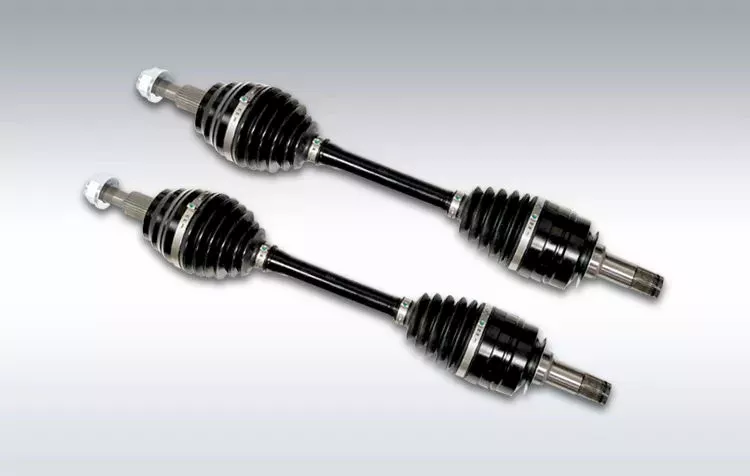
How do manufacturers ensure the compatibility of drive shafts with different equipment?
Manufacturers employ various strategies and processes to ensure the compatibility of drive shafts with different equipment. Compatibility refers to the ability of a drive shaft to effectively integrate and function within a specific piece of equipment or machinery. Manufacturers take into account several factors to ensure compatibility, including dimensional requirements, torque capacity, operating conditions, and specific application needs. Here’s a detailed explanation of how manufacturers ensure the compatibility of drive shafts:
1. Application Analysis:
Manufacturers begin by conducting a thorough analysis of the intended application and equipment requirements. This analysis involves understanding the specific torque and speed demands, operating conditions (such as temperature, vibration levels, and environmental factors), and any unique characteristics or constraints of the equipment. By gaining a comprehensive understanding of the application, manufacturers can tailor the design and specifications of the drive shaft to ensure compatibility.
2. Customization and Design:
Manufacturers often offer customization options to adapt drive shafts to different equipment. This customization involves tailoring the dimensions, materials, joint configurations, and other parameters to match the specific requirements of the equipment. By working closely with the equipment manufacturer or end-user, manufacturers can design drive shafts that align with the equipment’s mechanical interfaces, mounting points, available space, and other constraints. Customization ensures that the drive shaft fits seamlessly into the equipment, promoting compatibility and optimal performance.
3. Torque and Power Capacity:
Drive shaft manufacturers carefully determine the torque and power capacity of their products to ensure compatibility with different equipment. They consider factors such as the maximum torque requirements of the equipment, the expected operating conditions, and the safety margins necessary to withstand transient loads. By engineering drive shafts with appropriate torque ratings and power capacities, manufacturers ensure that the shaft can handle the demands of the equipment without experiencing premature failure or performance issues.
4. Material Selection:
Manufacturers choose materials for drive shafts based on the specific needs of different equipment. Factors such as torque capacity, operating temperature, corrosion resistance, and weight requirements influence material selection. Drive shafts may be made from various materials, including steel, aluminum alloys, or specialized composites, to provide the necessary strength, durability, and performance characteristics. The selected materials ensure compatibility with the equipment’s operating conditions, load requirements, and other environmental factors.
5. Joint Configurations:
Drive shafts incorporate joint configurations, such as universal joints (U-joints) or constant velocity (CV) joints, to accommodate different equipment needs. Manufacturers select and design the appropriate joint configuration based on factors such as operating angles, misalignment tolerances, and the desired level of smooth power transmission. The choice of joint configuration ensures that the drive shaft can effectively transmit power and accommodate the range of motion required by the equipment, promoting compatibility and reliable operation.
6. Quality Control and Testing:
Manufacturers implement stringent quality control processes and testing procedures to verify the compatibility of drive shafts with different equipment. These processes involve conducting dimensional inspections, material testing, torque and stress analysis, and performance testing under simulated operating conditions. By subjecting drive shafts to rigorous quality control measures, manufacturers can ensure that they meet the required specifications and performance criteria, guaranteeing compatibility with the intended equipment.
7. Compliance with Standards:
Manufacturers ensure that their drive shafts comply with relevant industry standards and regulations. Compliance with standards, such as ISO (International Organization for Standardization) or specific industry standards, provides assurance of quality, safety, and compatibility. Adhering to these standards helps manufacturers meet the expectations and requirements of equipment manufacturers and end-users, ensuring that the drive shafts are compatible and can be seamlessly integrated into different equipment.
8. Collaboration and Feedback:
Manufacturers often collaborate closely with equipment manufacturers, OEMs (Original Equipment Manufacturers), or end-users to gather feedback and incorporate their specific requirements into the drive shaft design and manufacturing processes. This collaborative approach ensures that the drive shafts are compatible with the intended equipment and meet the expectations of the end-users. By actively seeking input and feedback, manufacturers can continuously improve their products’ compatibility and performance.
In summary, manufacturers ensure the compatibility of drive shafts with different equipment through a combination of application analysis, customization, torque and power capacity considerations, material selection, joint configurations, quality control and testing, compliance with standards, and collaboration with equipment manufacturers and end-users. These efforts enable manufacturers to design and produce drive shafts that seamlessly integrate with various equipment, ensuring optimal performance, reliability, and compatibility in different applications.

वाहन के प्रणोदन और विद्युत संचरण की दक्षता में ड्राइव शाफ्ट किस प्रकार योगदान देते हैं?
वाहन के प्रणोदन और विद्युत संचरण प्रणालियों की दक्षता में ड्राइव शाफ्ट महत्वपूर्ण भूमिका निभाते हैं। ये इंजन या विद्युत स्रोत से पहियों या संचालित घटकों तक शक्ति स्थानांतरित करने के लिए जिम्मेदार होते हैं। यहां ड्राइव शाफ्ट द्वारा वाहन के प्रणोदन और विद्युत संचरण की दक्षता में योगदान का विस्तृत विवरण दिया गया है:
1. शक्ति स्थानांतरण:
ड्राइव शाफ्ट इंजन या विद्युत स्रोत से पहियों या संचालित घटकों तक शक्ति संचारित करते हैं। घूर्णी ऊर्जा को कुशलतापूर्वक स्थानांतरित करके, ड्राइव शाफ्ट वाहन को आगे बढ़ने या मशीनरी को चलाने में सक्षम बनाते हैं। ड्राइव शाफ्ट का डिज़ाइन और निर्माण स्थानांतरण प्रक्रिया के दौरान न्यूनतम शक्ति हानि सुनिश्चित करता है, जिससे शक्ति संचरण की दक्षता अधिकतम हो जाती है।
2. टॉर्क रूपांतरण:
ड्राइव शाफ्ट इंजन या विद्युत स्रोत से प्राप्त टॉर्क को पहियों या संचालित घटकों तक पहुंचाते हैं। इंजन की शक्ति विशेषताओं को वाहन या मशीनरी की आवश्यकताओं के अनुरूप बनाने के लिए टॉर्क रूपांतरण आवश्यक है। उपयुक्त टॉर्क रूपांतरण क्षमता वाले ड्राइव शाफ्ट यह सुनिश्चित करते हैं कि पहियों को दी जाने वाली शक्ति कुशल प्रणोदन और प्रदर्शन के लिए अनुकूलित हो।
3. स्थिर वेग (सीवी) जोड़:
कई ड्राइव शाफ्ट में कॉन्स्टेंट वेलोसिटी (CV) जॉइंट लगे होते हैं, जो ड्राइविंग और ड्रिवन कंपोनेंट्स के अलग-अलग कोणों पर होने पर भी स्थिर गति और कुशल पावर ट्रांसमिशन बनाए रखने में मदद करते हैं। CV जॉइंट सुचारू पावर ट्रांसफर सुनिश्चित करते हैं और ऑपरेटिंग कोणों में बदलाव के कारण होने वाले कंपन या पावर लॉस को कम करते हैं। स्थिर गति बनाए रखकर, ड्राइव शाफ्ट कुशल पावर ट्रांसमिशन और वाहन के समग्र प्रदर्शन में सुधार में योगदान देते हैं।
4. हल्का निर्माण:
कुशल ड्राइव शाफ्ट अक्सर एल्यूमीनियम या मिश्रित सामग्री जैसे हल्के पदार्थों से बनाए जाते हैं। हल्के निर्माण से ड्राइव शाफ्ट का घूर्णी द्रव्यमान कम हो जाता है, जिसके परिणामस्वरूप जड़त्व कम होता है और दक्षता में सुधार होता है। घूर्णी द्रव्यमान कम होने से इंजन अधिक तेज़ी से गति बढ़ा और घटा सकता है, जिससे ईंधन दक्षता और वाहन का समग्र प्रदर्शन बेहतर होता है।
5. घर्षण को न्यूनतम करना:
कुशल ड्राइव शाफ्ट को विद्युत संचरण के दौरान घर्षण हानि को कम करने के लिए डिज़ाइन किया जाता है। इनमें उच्च गुणवत्ता वाले बियरिंग, कम घर्षण वाले सील और उचित स्नेहन जैसी विशेषताएं शामिल होती हैं, जो घर्षण के कारण होने वाली ऊर्जा हानि को कम करती हैं। घर्षण को कम करके, ड्राइव शाफ्ट विद्युत संचरण दक्षता को बढ़ाते हैं और प्रणोदन या अन्य मशीनरी के संचालन के लिए उपलब्ध शक्ति को अधिकतम करते हैं।
6. संतुलित और कंपन-मुक्त संचालन:
ड्राइव शाफ्ट के निर्माण के दौरान सुचारू और कंपन-मुक्त संचालन सुनिश्चित करने के लिए गतिशील संतुलन किया जाता है। ड्राइव शाफ्ट में असंतुलन से बिजली की हानि, अधिक घिसाव और कंपन हो सकते हैं, जिससे समग्र दक्षता कम हो जाती है। ड्राइव शाफ्ट को संतुलित करके, यह समान रूप से घूम सकता है, कंपन को कम कर सकता है और बिजली संचरण दक्षता को अनुकूलित कर सकता है।
7. रखरखाव और नियमित निरीक्षण:
ड्राइव शाफ्ट की कार्यक्षमता बनाए रखने के लिए उनका उचित रखरखाव और नियमित निरीक्षण आवश्यक है। नियमित रूप से लुब्रिकेशन, जोड़ों और घटकों का निरीक्षण, और घिसे हुए या क्षतिग्रस्त पुर्जों की तुरंत मरम्मत या प्रतिस्थापन से बिजली संचरण की सर्वोत्तम क्षमता सुनिश्चित होती है। अच्छी तरह से रखरखाव किए गए ड्राइव शाफ्ट न्यूनतम घर्षण, कम बिजली हानि और बेहतर समग्र कार्यक्षमता के साथ काम करते हैं।
8. कुशल संचरण प्रणालियों के साथ एकीकरण:
ड्राइव शाफ्ट कुशल ट्रांसमिशन सिस्टम, जैसे कि मैनुअल, ऑटोमैटिक या निरंतर परिवर्तनीय ट्रांसमिशन, के साथ मिलकर काम करते हैं। ये ट्रांसमिशन ड्राइविंग स्थितियों और वाहन की गति के आधार पर पावर डिलीवरी और गियर अनुपात को अनुकूलित करने में मदद करते हैं। कुशल ट्रांसमिशन सिस्टम के साथ एकीकृत होकर, ड्राइव शाफ्ट वाहन के प्रणोदन और पावर ट्रांसमिशन सिस्टम की समग्र दक्षता में योगदान करते हैं।
9. वायुगतिकीय विचार:
कुछ मामलों में, ड्राइव शाफ्ट को वायुगतिकीय कारकों को ध्यान में रखकर डिज़ाइन किया जाता है। सुव्यवस्थित ड्राइव शाफ्ट, जिनका उपयोग अक्सर उच्च-प्रदर्शन या इलेक्ट्रिक वाहनों में किया जाता है, वायु प्रतिरोध और घर्षण को कम करते हैं, जिससे वाहन की समग्र दक्षता में सुधार होता है। वायुगतिकीय घर्षण को कम करके, ड्राइव शाफ्ट वाहन के कुशल प्रणोदन और शक्ति संचरण में योगदान करते हैं।
10. अनुकूलित लंबाई और डिजाइन:
ऊर्जा हानि को कम करने के लिए ड्राइव शाफ्ट की लंबाई और डिज़ाइन को इष्टतम स्तर पर रखा जाता है। ड्राइव शाफ्ट की अत्यधिक लंबाई या अनुचित डिज़ाइन से अतिरिक्त घूर्णी द्रव्यमान उत्पन्न हो सकता है, बेंडिंग स्ट्रेस बढ़ सकता है और ऊर्जा हानि हो सकती है। लंबाई और डिज़ाइन को अनुकूलित करके, ड्राइव शाफ्ट पावर ट्रांसमिशन दक्षता को अधिकतम करते हैं और वाहन की समग्र दक्षता में सुधार लाने में योगदान करते हैं।
कुल मिलाकर, ड्राइव शाफ्ट प्रभावी शक्ति हस्तांतरण, टॉर्क रूपांतरण, सीवी जोड़ों के उपयोग, हल्के निर्माण, न्यूनतम घर्षण, संतुलित संचालन, नियमित रखरखाव, कुशल संचरण प्रणालियों के साथ एकीकरण, वायुगतिकीय संबंधी विचारों और अनुकूलित लंबाई एवं डिजाइन के माध्यम से वाहन प्रणोदन और शक्ति संचरण की दक्षता में योगदान करते हैं। कुशल शक्ति वितरण सुनिश्चित करके और ऊर्जा हानि को कम करके, ड्राइव शाफ्ट वाहनों और मशीनरी की समग्र दक्षता और प्रदर्शन को बढ़ाने में महत्वपूर्ण भूमिका निभाते हैं।

How do drive shafts handle variations in length and torque requirements?
Drive shafts are designed to handle variations in length and torque requirements in order to efficiently transmit rotational power. Here’s an explanation of how drive shafts address these variations:
Length Variations:
Drive shafts are available in different lengths to accommodate varying distances between the engine or power source and the driven components. They can be custom-made or purchased in standardized lengths, depending on the specific application. In situations where the distance between the engine and the driven components is longer, multiple drive shafts with appropriate couplings or universal joints can be used to bridge the gap. These additional drive shafts effectively extend the overall length of the power transmission system.
Additionally, some drive shafts are designed with telescopic sections. These sections can be extended or retracted, allowing for adjustments in length to accommodate different vehicle configurations or dynamic movements. Telescopic drive shafts are commonly used in applications where the distance between the engine and the driven components may change, such as in certain types of trucks, buses, and off-road vehicles.
Torque Requirements:
Drive shafts are engineered to handle varying torque requirements based on the power output of the engine or power source and the demands of the driven components. The torque transmitted through the drive shaft depends on factors such as the engine power, load conditions, and the resistance encountered by the driven components.
Manufacturers consider torque requirements when selecting the appropriate materials and dimensions for drive shafts. Drive shafts are typically made from high-strength materials, such as steel or aluminum alloys, to withstand the torque loads without deformation or failure. The diameter, wall thickness, and design of the drive shaft are carefully calculated to ensure it can handle the expected torque without excessive deflection or vibration.
In applications with high torque demands, such as heavy-duty trucks, industrial machinery, or performance vehicles, drive shafts may have additional reinforcements. These reinforcements can include thicker walls, cross-sectional shapes optimized for strength, or composite materials with superior torque-handling capabilities.
Furthermore, drive shafts often incorporate flexible joints, such as universal joints or constant velocity (CV) joints. These joints allow for angular misalignment and compensate for variations in the operating angles between the engine, transmission, and driven components. They also help absorb vibrations and shocks, reducing stress on the drive shaft and enhancing its torque-handling capacity.
In summary, drive shafts handle variations in length and torque requirements through customizable lengths, telescopic sections, appropriate materials and dimensions, and the inclusion of flexible joints. By carefully considering these factors, drive shafts can efficiently and reliably transmit power while accommodating the specific needs of different applications.


editor by CX 2024-03-26























