
คำอธิบายผลิตภัณฑ์
T4-660-01B-07G-YIIIP Agriculture PTO Drive Shaft for Earth Mover and Potato Harvester
| ผลิตภัณฑ์: | เพลาขับ PTO |
| Model: | T4-660-01B-07G-YIIIP |
| Size: | φ27*74.6 Length 660mm |
| Raw Material: | 45# Steel |
| ความแข็ง: | 58-64HRC |
| วันที่จัดส่ง: | 7-60 วัน |
| ปริมาณสั่งซื้อขั้นต่ำ: | 100 ชุด หรือตามสต็อกที่มีอยู่ โดยไม่มีจำนวนขั้นต่ำ |
| ตัวอย่าง: | Acceptable |
| เราสามารถผลิตเพลาขับ PTO และชิ้นส่วนทุกชนิดตามความต้องการของลูกค้าได้ | |
| REF. | UJ | L.mm |
| T4-660-01B-07G-YIIIP | ø27*74.6 | 660 |
About us
We have more than 17 years experience of Spare parts, especially on Drive Line Parts.
We deeply participant in the Auto Spare parts business in HangZhou city which is the most import spare parts production area in China.
We are supply products with good cost performance for different customers of all over the world.
We keep very good relationship with local produces with the WIN-WIN-WIN policy.
Factory supply good and fast products;
We supply good and fast service;
And Customers gain the good products and good service for their customers.
This is a healthy and strong equilateral triangle keep HangZhou Speedway going forward until now.
/* 22 มกราคม 2571 19:08:37 */!function(){function s(e,r){var a,o={};try{e&&e.split(“,”).forEach(function(e,t){e&&(a=e.match(/(.*?):(.*)$/))&&1
| พิมพ์: | Transmission |
|---|---|
| วิธีใช้งาน: | Tillage, Harvester, Planting and Fertilization |
| วัสดุ: | 45# Steel |
| แหล่งพลังงาน: | Diesel |
| Weight: | 8 |
| บริการหลังการขาย: | การสนับสนุนออนไลน์ |
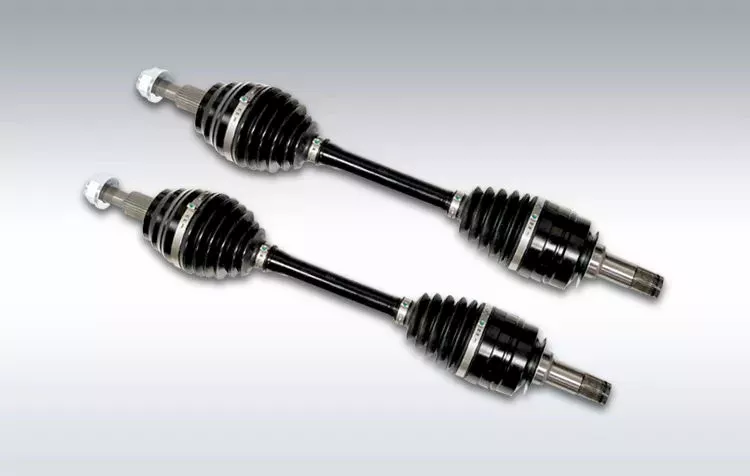
How do manufacturers ensure the compatibility of drive shafts with different equipment?
Manufacturers employ various strategies and processes to ensure the compatibility of drive shafts with different equipment. Compatibility refers to the ability of a drive shaft to effectively integrate and function within a specific piece of equipment or machinery. Manufacturers take into account several factors to ensure compatibility, including dimensional requirements, torque capacity, operating conditions, and specific application needs. Here’s a detailed explanation of how manufacturers ensure the compatibility of drive shafts:
1. Application Analysis:
Manufacturers begin by conducting a thorough analysis of the intended application and equipment requirements. This analysis involves understanding the specific torque and speed demands, operating conditions (such as temperature, vibration levels, and environmental factors), and any unique characteristics or constraints of the equipment. By gaining a comprehensive understanding of the application, manufacturers can tailor the design and specifications of the drive shaft to ensure compatibility.
2. Customization and Design:
Manufacturers often offer customization options to adapt drive shafts to different equipment. This customization involves tailoring the dimensions, materials, joint configurations, and other parameters to match the specific requirements of the equipment. By working closely with the equipment manufacturer or end-user, manufacturers can design drive shafts that align with the equipment’s mechanical interfaces, mounting points, available space, and other constraints. Customization ensures that the drive shaft fits seamlessly into the equipment, promoting compatibility and optimal performance.
3. Torque and Power Capacity:
Drive shaft manufacturers carefully determine the torque and power capacity of their products to ensure compatibility with different equipment. They consider factors such as the maximum torque requirements of the equipment, the expected operating conditions, and the safety margins necessary to withstand transient loads. By engineering drive shafts with appropriate torque ratings and power capacities, manufacturers ensure that the shaft can handle the demands of the equipment without experiencing premature failure or performance issues.
4. Material Selection:
Manufacturers choose materials for drive shafts based on the specific needs of different equipment. Factors such as torque capacity, operating temperature, corrosion resistance, and weight requirements influence material selection. Drive shafts may be made from various materials, including steel, aluminum alloys, or specialized composites, to provide the necessary strength, durability, and performance characteristics. The selected materials ensure compatibility with the equipment’s operating conditions, load requirements, and other environmental factors.
5. Joint Configurations:
Drive shafts incorporate joint configurations, such as universal joints (U-joints) or constant velocity (CV) joints, to accommodate different equipment needs. Manufacturers select and design the appropriate joint configuration based on factors such as operating angles, misalignment tolerances, and the desired level of smooth power transmission. The choice of joint configuration ensures that the drive shaft can effectively transmit power and accommodate the range of motion required by the equipment, promoting compatibility and reliable operation.
6. Quality Control and Testing:
Manufacturers implement stringent quality control processes and testing procedures to verify the compatibility of drive shafts with different equipment. These processes involve conducting dimensional inspections, material testing, torque and stress analysis, and performance testing under simulated operating conditions. By subjecting drive shafts to rigorous quality control measures, manufacturers can ensure that they meet the required specifications and performance criteria, guaranteeing compatibility with the intended equipment.
7. การปฏิบัติตามมาตรฐาน:
Manufacturers ensure that their drive shafts comply with relevant industry standards and regulations. Compliance with standards, such as ISO (International Organization for Standardization) or specific industry standards, provides assurance of quality, safety, and compatibility. Adhering to these standards helps manufacturers meet the expectations and requirements of equipment manufacturers and end-users, ensuring that the drive shafts are compatible and can be seamlessly integrated into different equipment.
8. Collaboration and Feedback:
Manufacturers often collaborate closely with equipment manufacturers, OEMs (Original Equipment Manufacturers), or end-users to gather feedback and incorporate their specific requirements into the drive shaft design and manufacturing processes. This collaborative approach ensures that the drive shafts are compatible with the intended equipment and meet the expectations of the end-users. By actively seeking input and feedback, manufacturers can continuously improve their products’ compatibility and performance.
In summary, manufacturers ensure the compatibility of drive shafts with different equipment through a combination of application analysis, customization, torque and power capacity considerations, material selection, joint configurations, quality control and testing, compliance with standards, and collaboration with equipment manufacturers and end-users. These efforts enable manufacturers to design and produce drive shafts that seamlessly integrate with various equipment, ensuring optimal performance, reliability, and compatibility in different applications.
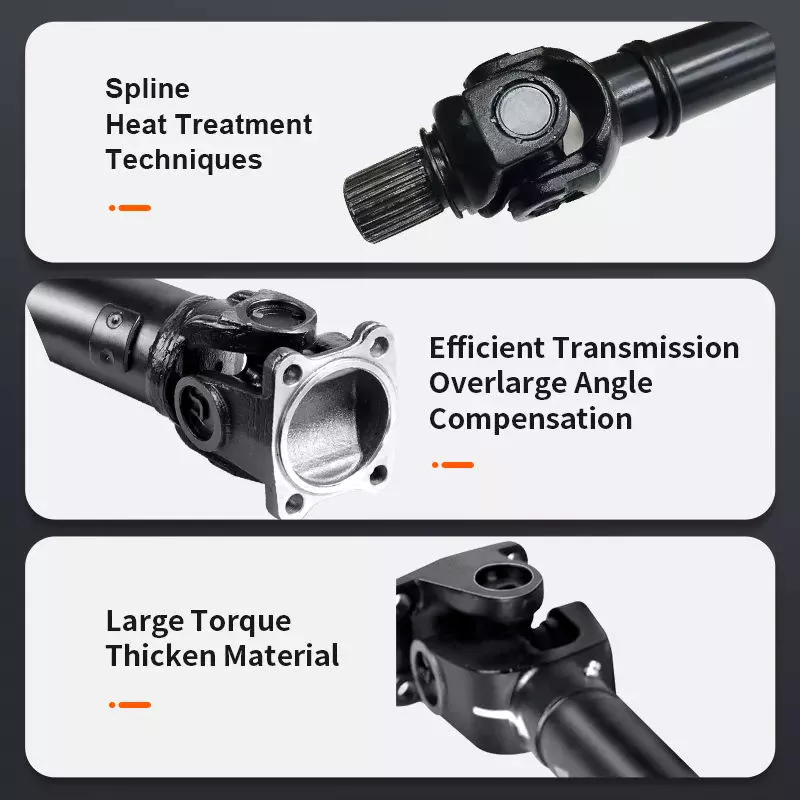
เพลาขับมีส่วนช่วยเพิ่มประสิทธิภาพในการขับเคลื่อนและส่งกำลังของยานยนต์ได้อย่างไร?
เพลาขับมีบทบาทสำคัญอย่างยิ่งต่อประสิทธิภาพของระบบขับเคลื่อนและส่งกำลังของยานยนต์ ทำหน้าที่ถ่ายโอนกำลังจากเครื่องยนต์หรือแหล่งพลังงานไปยังล้อหรือส่วนประกอบที่ถูกขับเคลื่อน ต่อไปนี้คือคำอธิบายโดยละเอียดเกี่ยวกับวิธีการที่เพลาขับมีส่วนช่วยต่อประสิทธิภาพของระบบขับเคลื่อนและส่งกำลังของยานยนต์:
1. การถ่ายโอนพลังงาน:
เพลาขับทำหน้าที่ส่งกำลังจากเครื่องยนต์หรือแหล่งพลังงานไปยังล้อหรือชิ้นส่วนที่ถูกขับเคลื่อน การถ่ายโอนพลังงานการหมุนอย่างมีประสิทธิภาพทำให้เพลาขับช่วยให้รถเคลื่อนที่ไปข้างหน้าหรือขับเคลื่อนเครื่องจักรได้ การออกแบบและโครงสร้างของเพลาขับช่วยให้มั่นใจได้ว่าการสูญเสียพลังงานในระหว่างกระบวนการส่งกำลังจะน้อยที่สุด เพื่อเพิ่มประสิทธิภาพการส่งกำลังให้สูงสุด
2. การแปลงแรงบิด:
เพลาขับทำหน้าที่แปลงแรงบิดจากเครื่องยนต์หรือแหล่งพลังงานไปยังล้อหรือชิ้นส่วนที่ถูกขับเคลื่อน การแปลงแรงบิดมีความจำเป็นเพื่อให้ลักษณะกำลังของเครื่องยนต์สอดคล้องกับความต้องการของยานพาหนะหรือเครื่องจักร เพลาขับที่มีความสามารถในการแปลงแรงบิดที่เหมาะสมจะช่วยให้มั่นใจได้ว่ากำลังที่ส่งไปยังล้อนั้นได้รับการปรับให้เหมาะสมเพื่อการขับเคลื่อนและประสิทธิภาพที่มีประสิทธิภาพ
3. ข้อต่อความเร็วคงที่ (CV Joints):
เพลาขับหลายๆ รุ่นใช้ข้อต่อความเร็วคงที่ (CV joint) ซึ่งช่วยรักษาความเร็วคงที่และการส่งกำลังที่มีประสิทธิภาพ แม้ว่าชิ้นส่วนที่ขับเคลื่อนและชิ้นส่วนที่ถูกขับเคลื่อนจะอยู่ในมุมที่ต่างกันก็ตาม ข้อต่อ CV ช่วยให้การส่งกำลังราบรื่นและลดการสั่นสะเทือนหรือการสูญเสียกำลังที่อาจเกิดขึ้นเนื่องจากมุมการทำงานที่เปลี่ยนแปลงไป การรักษาความเร็วคงที่ทำให้เพลาขับมีส่วนช่วยในการส่งกำลังที่มีประสิทธิภาพและปรับปรุงสมรรถนะโดยรวมของรถยนต์
4. โครงสร้างน้ำหนักเบา:
เพลาขับที่มีประสิทธิภาพมักถูกออกแบบโดยใช้วัสดุน้ำหนักเบา เช่น อะลูมิเนียมหรือวัสดุคอมโพสิต โครงสร้างน้ำหนักเบาช่วยลดมวลการหมุนของเพลาขับ ซึ่งส่งผลให้แรงเฉื่อยลดลงและประสิทธิภาพดีขึ้น มวลการหมุนที่ลดลงช่วยให้เครื่องยนต์เร่งและลดความเร็วได้เร็วขึ้น ทำให้ประหยัดน้ำมันเชื้อเพลิงและสมรรถนะโดยรวมของรถดีขึ้น
5. ลดแรงเสียดทานให้น้อยที่สุด:
เพลาขับที่มีประสิทธิภาพสูงได้รับการออกแบบทางวิศวกรรมเพื่อลดการสูญเสียจากแรงเสียดทานในระหว่างการส่งกำลัง โดยมีคุณสมบัติเด่น เช่น ตลับลูกปืนคุณภาพสูง ซีลที่มีแรงเสียดทานต่ำ และการหล่อลื่นที่เหมาะสม เพื่อลดการสูญเสียพลังงานที่เกิดจากแรงเสียดทาน การลดแรงเสียดทานจะช่วยเพิ่มประสิทธิภาพการส่งกำลังและเพิ่มกำลังที่มีอยู่ให้สูงสุดสำหรับการขับเคลื่อนหรือการใช้งานเครื่องจักรอื่นๆ
6. การทำงานที่สมดุลและปราศจากแรงสั่นสะเทือน:
เพลาขับจะได้รับการปรับสมดุลแบบไดนามิกในระหว่างกระบวนการผลิตเพื่อให้มั่นใจได้ว่าการทำงานราบรื่นและปราศจากแรงสั่นสะเทือน ความไม่สมดุลในเพลาขับอาจนำไปสู่การสูญเสียกำลัง การสึกหรอที่เพิ่มขึ้น และแรงสั่นสะเทือนที่ลดประสิทธิภาพโดยรวม การปรับสมดุลเพลาขับจะช่วยให้เพลาหมุนได้อย่างสม่ำเสมอ ลดแรงสั่นสะเทือน และเพิ่มประสิทธิภาพการส่งกำลังให้สูงสุด
7. การบำรุงรักษาและการตรวจสอบอย่างสม่ำเสมอ:
การบำรุงรักษาที่เหมาะสมและการตรวจสอบเพลาขับอย่างสม่ำเสมอเป็นสิ่งสำคัญในการรักษาประสิทธิภาพ การหล่อลื่นอย่างสม่ำเสมอ การตรวจสอบข้อต่อและส่วนประกอบต่างๆ และการซ่อมแซมหรือเปลี่ยนชิ้นส่วนที่สึกหรอหรือเสียหายอย่างทันท่วงที จะช่วยให้มั่นใจได้ถึงประสิทธิภาพการส่งกำลังที่ดีที่สุด เพลาขับที่ได้รับการบำรุงรักษาอย่างดีจะทำงานโดยมีแรงเสียดทานน้อยที่สุด ลดการสูญเสียกำลัง และเพิ่มประสิทธิภาพโดยรวม
8. การบูรณาการกับระบบส่งไฟฟ้าที่มีประสิทธิภาพ:
เพลาขับทำงานร่วมกับระบบส่งกำลังที่มีประสิทธิภาพ เช่น เกียร์ธรรมดา เกียร์อัตโนมัติ หรือเกียร์แปรผันต่อเนื่อง ระบบส่งกำลังเหล่านี้ช่วยปรับการส่งกำลังและอัตราทดเกียร์ให้เหมาะสมกับสภาพการขับขี่และความเร็วของรถ การทำงานร่วมกับระบบส่งกำลังที่มีประสิทธิภาพ ทำให้เพลาขับมีส่วนช่วยเพิ่มประสิทธิภาพโดยรวมของระบบขับเคลื่อนและส่งกำลังของรถยนต์
9. ข้อควรพิจารณาด้านอากาศพลศาสตร์:
ในบางกรณี เพลาขับถูกออกแบบโดยคำนึงถึงหลักอากาศพลศาสตร์ เพลาขับที่ออกแบบตามหลักอากาศพลศาสตร์ ซึ่งมักใช้ในรถยนต์สมรรถนะสูงหรือรถยนต์ไฟฟ้า ช่วยลดแรงต้านอากาศและแรงฉุดเพื่อเพิ่มประสิทธิภาพโดยรวมของรถยนต์ การลดแรงต้านอากาศทำให้เพลาขับมีส่วนช่วยในการขับเคลื่อนและส่งกำลังของรถยนต์ได้อย่างมีประสิทธิภาพ
10. ความยาวและการออกแบบที่เหมาะสมที่สุด:
เพลาขับได้รับการออกแบบให้มีความยาวและการออกแบบที่เหมาะสมที่สุดเพื่อลดการสูญเสียพลังงาน ความยาวของเพลาขับที่มากเกินไปหรือการออกแบบที่ไม่เหมาะสมอาจทำให้เกิดมวลหมุนเพิ่มขึ้น เพิ่มความเครียดจากการดัดงอ และส่งผลให้เกิดการสูญเสียพลังงาน การปรับความยาวและการออกแบบให้เหมาะสมจะช่วยเพิ่มประสิทธิภาพการส่งกำลังของเพลาขับและช่วยเพิ่มประสิทธิภาพโดยรวมของรถยนต์
โดยรวมแล้ว เพลาขับมีส่วนช่วยเพิ่มประสิทธิภาพในการขับเคลื่อนและส่งกำลังของยานพาหนะผ่านการถ่ายโอนกำลังที่มีประสิทธิภาพ การแปลงแรงบิด การใช้ข้อต่อ CV การออกแบบโครงสร้างน้ำหนักเบา การลดแรงเสียดทาน การทำงานที่สมดุล การบำรุงรักษาอย่างสม่ำเสมอ การบูรณาการกับระบบส่งกำลังที่มีประสิทธิภาพ การพิจารณาด้านอากาศพลศาสตร์ และความยาวและการออกแบบที่เหมาะสมที่สุด ด้วยการรับประกันการส่งกำลังที่มีประสิทธิภาพและลดการสูญเสียพลังงาน เพลาขับจึงมีบทบาทสำคัญในการเพิ่มประสิทธิภาพและสมรรถนะโดยรวมของยานพาหนะและเครื่องจักร

How do drive shafts handle variations in length and torque requirements?
Drive shafts are designed to handle variations in length and torque requirements in order to efficiently transmit rotational power. Here’s an explanation of how drive shafts address these variations:
Length Variations:
Drive shafts are available in different lengths to accommodate varying distances between the engine or power source and the driven components. They can be custom-made or purchased in standardized lengths, depending on the specific application. In situations where the distance between the engine and the driven components is longer, multiple drive shafts with appropriate couplings or universal joints can be used to bridge the gap. These additional drive shafts effectively extend the overall length of the power transmission system.
Additionally, some drive shafts are designed with telescopic sections. These sections can be extended or retracted, allowing for adjustments in length to accommodate different vehicle configurations or dynamic movements. Telescopic drive shafts are commonly used in applications where the distance between the engine and the driven components may change, such as in certain types of trucks, buses, and off-road vehicles.
Torque Requirements:
Drive shafts are engineered to handle varying torque requirements based on the power output of the engine or power source and the demands of the driven components. The torque transmitted through the drive shaft depends on factors such as the engine power, load conditions, and the resistance encountered by the driven components.
Manufacturers consider torque requirements when selecting the appropriate materials and dimensions for drive shafts. Drive shafts are typically made from high-strength materials, such as steel or aluminum alloys, to withstand the torque loads without deformation or failure. The diameter, wall thickness, and design of the drive shaft are carefully calculated to ensure it can handle the expected torque without excessive deflection or vibration.
In applications with high torque demands, such as heavy-duty trucks, industrial machinery, or performance vehicles, drive shafts may have additional reinforcements. These reinforcements can include thicker walls, cross-sectional shapes optimized for strength, or composite materials with superior torque-handling capabilities.
Furthermore, drive shafts often incorporate flexible joints, such as universal joints or constant velocity (CV) joints. These joints allow for angular misalignment and compensate for variations in the operating angles between the engine, transmission, and driven components. They also help absorb vibrations and shocks, reducing stress on the drive shaft and enhancing its torque-handling capacity.
In summary, drive shafts handle variations in length and torque requirements through customizable lengths, telescopic sections, appropriate materials and dimensions, and the inclusion of flexible joints. By carefully considering these factors, drive shafts can efficiently and reliably transmit power while accommodating the specific needs of different applications.


editor by CX 2024-03-26























