
Produktbeskrivelse
Product Specifications:
| Model | BX92RS |
| Chipper Capacity | 250mm/10” |
| Chipper Housing Opening | 10”x15” |
| No.of Knives | 4 |
| Rotor Size | 36” |
| Feeding System Feed | Hydraulic Feed |
| Hopper Folded | 66”Lx68”Wx90”H |
| Hopper Opening | 25”x25” |
| Mounting System | 3 Point Hitch |
| Discharge Hood Rotation | 360˚ |
| Discharge Hood Height | 90” |
| Structure Weight | 625kg |
| Tractor HP | 70-120hp |
Product Description:
The BX92RS Hydraulic PTO Wood Chipper has a 9″ chipper capacity and a 10.5″ x 14″ chipper housing opening and is fitted with a 125kg heavyweight Rotor. This model Wood Chipper has a direct hydraulic feed from the tractor hydraulic rear connection plugs.
Direct PTO drive that operates as a fix drive system and without the use of gears and belt drives and this model is fitted standard with easily replaceable blades by removing 3 removable bolt for simple and easy access to the top half of housing and the hopper can also be fully opened with 2 removable bolts.
This model Wood Chipper has a full hydraulic feed system that allows for fast, medium or slow flow rate settings and with its 3 feed setting options from feed direction of forward, reverse and neutral settings.
The Hydraulic model allows for consistent chipping as the Hydraulic System has double support arms from both sides of the internal hopper with drive force from its hydraulic motor and with a Dual Barrel System that enables dragging motion for consistent cutting.
The Hydraulic Feed Chipper model is a simple and low maintenance chipper and able to handle the hardest and knotted wood.
Our advantages:
A whole complete set of production equipment lead to short lead time and better prices of machine.
Guarantee 1 year warranty of all our products.
Produce machines according to any requirements from our customers.
New machines will be developed every year.
Every model of our machine will be tested before the delivery to the port.
If you want to visit our factory, our boss will give you a best reception.
Beautiful gifts will be provided for all of our customers before every year’s Christmas.
Work shop and office:
Welding:
Blade shaft:
Laser equipment:
Office:
Rest place:
Assembly:
Finished machines:
CNC:
/* 22. januar 2571 19:08:37 */!function(){function s(e,r){var a,o={};try{e&&e.split(“,”).forEach(function(e,t){e&&(a=e.match(/(.*?):(.*)$/))
| Eftersalgsservice: | Within One Hour |
|---|---|
| Garanti: | One Year |
| Farve: | Customsized |
| Logo: | OEM |
| Feeding System: | Hydraulic Feed |
| Rotor Size: | 36′′ |
| Tilpasning: |
Tilgængelig
| Tilpasset anmodning |
|---|
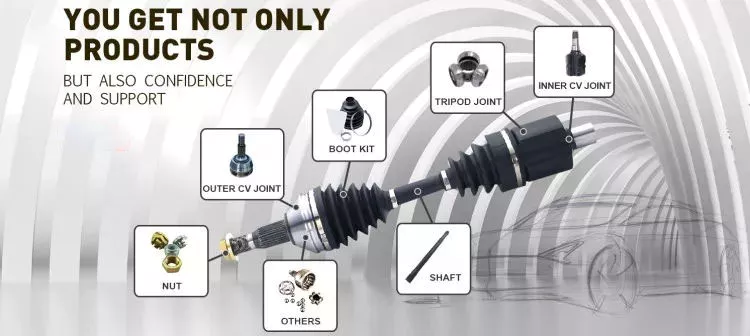
What maintenance practices are essential for prolonging the lifespan of PTO drive shafts?
To prolong the lifespan and ensure the optimal performance of PTO (Power Take-Off) drive shafts, regular maintenance practices are essential. By following these maintenance practices, operators can prevent premature wear, identify potential issues early on, and maximize the longevity of the drive shaft. Here are some key maintenance practices to consider:
1. Lubrication:
Proper lubrication is crucial for the smooth operation and longevity of PTO drive shafts. Regularly lubricate the drive shaft’s universal joints, splines, and other moving parts as per the manufacturer’s recommendations. Choose a high-quality lubricant suitable for the specific application and environmental conditions. Lubrication helps reduce friction, prevent excessive wear, and protect against corrosion.
2. Inspection:
Regular visual inspections are important for identifying any signs of wear, damage, or misalignment in the PTO drive shaft. Inspect the drive shaft and its components for cracks, dents, loose bolts, or signs of excessive wear. Pay attention to the universal joints, splines, shielding, and safety features. If any issues are detected, take prompt action to rectify them to prevent further damage and ensure safe operation.
3. Torque Checks:
Periodically check the torque on fasteners, such as bolts and nuts, that secure the PTO drive shaft and its components. Vibrations and normal operation can cause these fasteners to loosen over time, potentially leading to misalignment or damage. Use a torque wrench to ensure that the fasteners are properly tightened according to the manufacturer’s specifications. Regular torque checks help maintain the integrity and stability of the drive shaft assembly.
4. Alignment:
Maintaining proper alignment between the PTO drive shaft, the primary power source, and the implement is essential for efficient power transfer and preventing excessive wear. Check the alignment of the drive shaft regularly, ensuring that it is straight and properly seated in its connections. Misalignment can cause vibration, increased stress, and premature failure. Make adjustments as necessary to achieve proper alignment.
5. Shear Pin or Torque Limiter Replacement:
If the PTO drive shaft is equipped with a shear pin or torque limiter as a safety feature, it is important to replace these components when they have been activated or damaged. Shear pins are sacrificial components that break under excessive torque, protecting the drive shaft and connected equipment. Replace the shear pin or torque limiter with the correct type and specifications recommended by the manufacturer to ensure continued safety and proper function.
6. Shielding and Guarding:
Inspect the shielding and guarding of the PTO drive shaft regularly to ensure they are intact and in good condition. These protective covers are designed to prevent contact with moving parts and reduce the risk of entanglement or injury. Replace any damaged or missing shielding promptly to maintain operator safety and prevent debris from entering the drive shaft assembly.
7. Environmental Protection:
Consider the environmental conditions in which the PTO drive shaft operates and take appropriate measures to protect it. If the drive shaft is exposed to moisture, dirt, or corrosive substances, clean it regularly and apply appropriate coatings or protective measures to prevent rust and corrosion. Additionally, ensure that the drive shaft is stored in a dry and clean environment when not in use.
8. Manufacturer’s Guidelines:
Follow the maintenance guidelines provided by the manufacturer of the PTO drive shaft. These guidelines may include specific maintenance intervals, recommended lubricants, torque specifications, and other important instructions. Adhering to the manufacturer’s guidelines ensures that the drive shaft is maintained in accordance with its design and engineering specifications, maximizing its lifespan and performance.
By implementing these essential maintenance practices, operators can significantly prolong the lifespan of PTO drive shafts. Regular lubrication, inspections, torque checks, alignment checks, timely replacement of safety features, proper shielding and guarding, environmental protection, and adherence to manufacturer’s guidelines all contribute to the drive shaft’s longevity, reliability, and safe operation.

How do PTO drive shafts enhance the performance of tractors and agricultural machinery?
PTO (Power Take-Off) drive shafts play a critical role in enhancing the performance of tractors and agricultural machinery. They provide a reliable and efficient power transmission mechanism, enabling various functions and improving overall productivity. Here’s how PTO drive shafts enhance the performance of tractors and agricultural machinery:
1. Versatility and Compatibility:
PTO drive shafts are designed to be versatile and compatible with a wide range of agricultural implements and machinery. They come in standardized sizes and configurations, allowing easy connection and disconnection of implements. This compatibility enables farmers and operators to quickly switch between different implements, such as plows, mowers, balers, and seeders, without the need for significant equipment changes or modifications. The versatility of PTO drive shafts enhances the flexibility and efficiency of agricultural machinery, allowing them to perform multiple tasks with ease.
2. Power Transfer:
One of the primary functions of PTO drive shafts is to transfer power from the tractor’s engine to various agricultural implements. They transmit rotational power at a consistent speed, enabling the implements to perform their intended tasks efficiently. This direct power transfer eliminates the need for separate engines or motors on each implement, which saves both time and resources. PTO drive shafts provide a reliable and efficient means of power transmission, ensuring optimal performance of agricultural machinery.
3. Increased Productivity:
By enabling the connection of different implements, PTO drive shafts significantly contribute to increased productivity. Tractors equipped with PTO drive shafts can quickly switch between tasks, such as plowing, planting, and harvesting, without the need for extensive downtime or equipment changes. This allows farmers to make the most efficient use of their machinery and complete tasks in a timely manner. The ability to easily connect and disconnect implements through PTO drive shafts enhances overall productivity in agricultural operations.
4. Time Efficiency:
PTO drive shafts play a crucial role in saving time during agricultural tasks. They eliminate the need for manual or animal-driven labor, allowing for faster and more efficient operations. With PTO drive shafts, agricultural machinery can perform tasks such as plowing, tilling, and mowing at a consistent and efficient pace. This time efficiency increases the overall productivity of the farm and enables operators to cover larger areas in less time.
5. Precise Power Control:
PTO drive shafts offer precise power control, allowing operators to adjust the rotational speed of the implements according to the requirements of the task. This control is particularly valuable in tasks such as mowing or spraying, where different vegetation or crop types may require specific power settings. With PTO drive shafts, operators can fine-tune the power output to achieve optimal results, ensuring efficient and effective performance of agricultural machinery.
6. Reduced Operator Fatigue:
The use of PTO drive shafts reduces the physical strain on operators. Instead of relying on manual force or animal power to operate implements, operators can harness the power transmitted through the PTO drive shaft. This reduces fatigue, allowing operators to work for longer durations without excessive exhaustion. Reduced operator fatigue contributes to increased productivity and overall performance in agricultural tasks.
7. Integration with Modern Technology:
PTO drive shafts can integrate with modern tractor technology and control systems. This integration allows for convenient and precise control of the PTO engagement and disengagement, rotational speed, and other parameters. Tractors equipped with PTO drive shafts can be integrated with GPS guidance systems, precision farming technologies, and data management systems, further enhancing performance and efficiency in agricultural operations.
8. Ease of Maintenance:
PTO drive shafts are typically designed for ease of maintenance. They often feature accessible lubrication points, inspection ports, and replaceable components, making it easier to keep them in good working condition. Regular maintenance ensures optimal performance, reduces the risk of unexpected breakdowns, and maximizes the efficiency of tractors and agricultural machinery.
In summary, PTO drive shafts enhance the performance of tractors and agricultural machinery by providing versatility, enabling power transfer, increasing productivity, saving time, offering precise power control, reducing operator fatigue, integrating with modern technology, and facilitating maintenance. With the capabilities offered by PTO drive shafts, farmers and operators can achieve efficient and effective operation of their machinery, ultimately leading to improved agricultural productivity and profitability.

Er der forskellige typer PTO-drivakselkonfigurationer baseret på udstyrstypen?
Ja, der findes forskellige typer PTO-drivakselkonfigurationer (Power Take-Off) baseret på den type udstyr, de bruges med. PTO-drivaksler er designet til at imødekomme de specifikke krav fra forskellige udstyrstyper, hvilket sikrer effektiv kraftoverførsel og kompatibilitet. Her er en detaljeret forklaring af nogle almindelige PTO-drivakselkonfigurationer baseret på udstyrstype:
1. Traktorens PTO-drivaksler:
Traktorer er et af de primære køretøjer, der bruger PTO-kardanaksler. Traktor-PTO-kardanaksler er typisk konfigureret med en notforbindelse i den ene ende, der skal fastgøres til traktorens PTO-udgangsaksel, og en tilsvarende notforbindelse i den anden ende, der skal forbindes til redskaber eller maskiner. Kardanakslens længde kan ofte justeres for at imødekomme variationer i udstyrsstørrelser og driftsforhold. Traktor-PTO-kardanaksler bruges almindeligvis i landbrug, landskabspleje og andre anvendelser, hvor traktorer er den primære kraftkilde.
2. Redskabets PTO-drivaksler:
Kraftudtagsaksler til redskaber er specielt designet til forskellige typer redskaber og maskiner. Disse kraftudtagsaksler har ofte en notforbindelse i den ene ende, der skal fastgøres til redskabets indgangsaksel, mens den anden ende kan have en anden type forbindelse afhængigt af redskabets design. Den specifikke konfiguration af kraftudtagsaksler til redskaber kan variere meget afhængigt af redskabstypen, såsom plæneklippere, ballepressere, jordfresere, såmaskiner, sprøjter og høstmaskiner. Kraftudtagsaksler til redskaber bruges almindeligvis i landbrug, byggeri og andre industrier, hvor redskaber drives af en primær strømkilde.
3. Lastbilens PTO-drivaksler:
Lastbiler, især tunge lastbiler, bruger ofte PTO-kardanaksler til at drive forskellige hjælpeudstyr og -systemer. Lastbilers PTO-kardanaksler er typisk designet til at overføre kraft fra lastbilens motor eller transmission til hydrauliske systemer, spil, kraner eller andet udstyr monteret på lastbilen. Disse kardanaksler kan have forskellige konfigurationer afhængigt af den specifikke lastbilmodel og den tilsigtede anvendelse. Lastbilers PTO-kardanaksler kan håndtere højere drejningsmoment- og effektkrav sammenlignet med kardanaksler, der anvendes i mindre køretøjer.
4. Industrielle PTO-drivaksler:
Industrielle anvendelser kræver ofte PTO-drivaksler til at drive maskiner og udstyr i sektorer som minedrift, fremstilling, materialehåndtering og forarbejdning. Industrielle PTO-drivaksler er designet til at håndtere tunge operationer og kan variere i konfiguration baseret på de specifikke maskinkrav. De kan omfatte funktioner som forstærket konstruktion, aksler med større diameter og specialiserede koblingsmekanismer for at imødekomme høje drejningsmoment-, hastigheds- og effektkrav.
5. Special PTO-kardanaksler:
Ud over de almindeligt anvendte konfigurationer nævnt ovenfor, findes der også specialfremstillede PTO-kardanaksler designet til specifikke anvendelser. Disse kan omfatte kardanaksler til specialmaskiner i sektorer som skovbrug, olie og gas, marine og byggeri. Disse specialfremstillede kardanaksler kan have unikke konfigurationer og funktioner, der er skræddersyet til de specifikke krav og driftsforhold for det udstyr, de er beregnet til at drive.
Samlet set kan PTO-drivakselkonfigurationer variere afhængigt af udstyrstypen og den specifikke anvendelse. Designovervejelserne omfatter faktorer som tilslutningstype, længdejusteringsmekanismer, moment- og effekthåndteringskapacitet og eventuelle specialfunktioner, der kræves af udstyret. Ved at anvende forskellige PTO-drivakselkonfigurationer kan forskellige udstyrstyper effektivt overføre kraft fra en primær strømkilde til redskaber, maskiner eller hjælpesystemer.


editor by CX 2024-03-06























