
Ürün Açıklaması
Ürün Açıklaması
Rotary Tiller Pto Shaft Tractor Cardan Shaft and Harvester Pto Drive Shaft for Farm Equipment
A Power Take-Off shaft (PTO shaft) is a mechanical device utilized to transmit power from a tractor or other power source to an attached implement, such as a mower, tiller, or baler. Typically situated at the rear of the tractor, the PTO shaft is driven by the tractor’s engine through the transmission.
The primary purpose of the PTO shaft is to supply a rotating power source to the implement, enabling it to carry out its intended function. To connect the implement to the PTO shaft, a universal joint is employed, allowing for movement between the tractor and the implement while maintaining a consistent power transfer.
Çin'den gelen benzer ürünlerle karşılaştırıldığında avantajlarımız şunlardır:
1. Dövme bağlantı parçaları, PTO millerini kullanım ve çalışma için yeterince güçlü hale getirir;
2. Kurulumun sorunsuz olmasını sağlamak için iç ölçüler standarttır;
3. Ürünlerimizin kalitesini garanti altına almak için CE ve ISO sertifikalarına sahibiz;
4. Malları teslim aldığınızda iyi durumda olduklarını teyit etmek için sağlam ve profesyonel paketleme.
Ürün Özellikleri
Paketleme ve Nakliye
Şirket Profili
Hangzhou Hanon Technology Co.,ltd, PTO şaftı ve dişli kutuları gibi tarım parçaları ile silindir, valf, dişli pompa ve motor gibi hidrolik parçaların geliştirilmesi, üretimi, satışı ve servis hizmetlerinde uzmanlaşmış modern bir kuruluştur.
“Yüksek Kalite, Müşteri Memnuniyeti” ilkesine bağlı kalarak, tüm teknik iletim standartlarını sağlamak için gelişmiş teknoloji ve ekipmanlar kullanıyoruz. İnsan odaklı bir yaklaşım benimseyerek, her çalışan için keyifli bir ortam ve performans platformu oluşturmak için elimizden gelenin en iyisini yapıyoruz. Böylece herkes Hanon Makine'ye bilinçli bir şekilde katılabilir.
SSS
1. ÖDEME ŞARTLARI NEDİR?
Size fiyat teklifi verirken, ödeme şeklini (FOB, CIF vb.) sizinle teyit edeceğiz.<br> Seri üretim malları için, üretime başlamadan önce 30% depozito ve belgelerin kopyası karşılığında 70% bakiye ödemeniz gerekmektedir. En yaygın ödeme yöntemi T/T'dir.
2. ÜRÜNLERİ BİZE NASIL TESLİM EDECEKSİNİZ?
Genellikle malları size deniz yoluyla göndeririz.
3.How long is your delivery time and shipment?
30-45days
| Tip: | PTO Mili |
|---|---|
| Kullanım: | Agricultural Products Processing, Tillage, Harvester, Planting and Fertilization, Grain Threshing, Cleaning and Drying, Tillage, Harvester, Planting and Fertilization |
| Malzeme: | 45cr Çelik |
| Örnekler: |
US$ 20/Piece
1 Adet (Minimum Sipariş) | Sipariş Örneği |
|---|
| Özelleştirme: |
Mevcut
| Özelleştirilmiş Talep |
|---|
.shipping-cost-tm .tm-status-off{background: none;padding:0;color: #1470cc}
|
Nakliye Ücreti:
Birim başına tahmini nakliye ücreti. |
Kargo ücreti ve tahmini teslim süresi hakkında bilgi. |
|---|
| Ödeme yöntemi: |
|
|---|---|
|
İlk Ödeme Tam Ödeme |
| Para birimi: | US$ |
|---|
| İade ve geri ödemeler: | Ürünleri teslim aldıktan sonraki 30 güne kadar iade talebinde bulunabilirsiniz. |
|---|
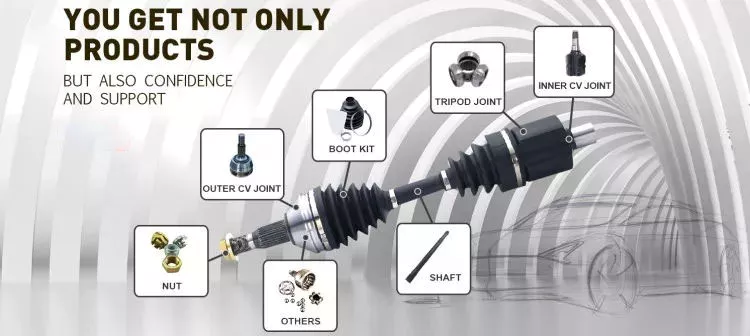
Tahrik milleri, dengeyi korurken verimli güç aktarımını nasıl sağlar?
Tahrik milleri, dengeyi korurken verimli güç aktarımını sağlamak için çeşitli mekanizmalar kullanır. Verimli güç aktarımı, tahrik milinin dönme gücünü kaynaktan (örneğin bir motor) tahrik edilen bileşenlere (örneğin tekerlekler veya makineler) minimum enerji kaybıyla iletme yeteneğini ifade eder. Dengeleme ise titreşimleri en aza indirmeyi ve çalışma sırasında bozulmalara neden olabilecek dengesiz kütle dağılımını ortadan kaldırmayı içerir. İşte tahrik millerinin hem verimli güç aktarımını hem de dengeyi nasıl sağladığına dair bir açıklama:
1. Malzeme Seçimi:
Tahrik millerinin malzeme seçimi, dengeyi korumak ve verimli güç aktarımını sağlamak için çok önemlidir. Tahrik milleri genellikle mukavemet, sertlik ve dayanıklılıkları nedeniyle seçilen çelik veya alüminyum alaşımları gibi malzemelerden yapılır. Bu malzemeler mükemmel boyutsal kararlılığa sahiptir ve çalışma sırasında karşılaşılan tork yüklerine dayanabilirler. Yüksek kaliteli malzemeler kullanılarak, tahrik milleri, güç aktarımını tehlikeye atabilecek ve titreşimlere neden olabilecek deformasyonu, bükülmeyi ve dengesizlikleri en aza indirebilir.
2. Tasarım Hususları:
Tahrik milinin tasarımı, hem güç aktarım verimliliği hem de denge açısından önemli bir rol oynar. Tahrik milleri, aşırı sapma veya titreşim olmadan beklenen tork yüklerini karşılayabilmek için çap ve duvar kalınlığı da dahil olmak üzere uygun boyutlara sahip olacak şekilde tasarlanır. Tasarım ayrıca tahrik milinin uzunluğu, mafsal sayısı ve türü (üniversal mafsallar veya sabit hız mafsalları gibi) ve denge ağırlıklarının kullanımı gibi faktörleri de dikkate alır. Üreticiler, tahrik milini dikkatlice tasarlayarak, dengesizlikten kaynaklanan titreşim potansiyelini en aza indirirken optimum güç aktarım verimliliğine ulaşabilirler.
3. Dengeleme Teknikleri:
Tahrik milleri için denge çok önemlidir; çünkü herhangi bir dengesizlik titreşimlere, gürültüye ve hızlandırılmış aşınmaya neden olabilir. Dengeyi korumak için, tahrik milleri üretim sürecinde çeşitli dengeleme tekniklerinden geçer. Tahrik mili boyunca kütle dağılımının düzgün olmasını sağlamak için statik ve dinamik dengeleme yöntemleri kullanılır. Statik dengeleme, ağırlık dengesizliklerini gidermek için belirli noktalara karşı ağırlıklar eklemeyi içerir. Dinamik dengeleme, tahrik milini yüksek hızlarda döndürerek ve titreşimleri ölçerek gerçekleştirilir. Dengesizlikler tespit edilirse, dengeli bir duruma ulaşmak için ek ayarlamalar yapılır. Bu dengeleme teknikleri, titreşimleri en aza indirmeye ve tahrik milinin sorunsuz çalışmasını sağlamaya yardımcı olur.
4. Üniversal Mafsallar ve Sabit Hız Mafsalları:
Tahrik milleri, hizalama hatalarını gidermek ve çalışma sırasında dengeyi korumak için genellikle üniversal mafsallar (U-mafsallar) veya sabit hız (CV) mafsalları içerir. Ü-mafsallar, miller arasında açısal harekete izin veren esnek mafsallardır. Genellikle tahrik milinin değişen açılarda çalıştığı uygulamalarda kullanılırlar. CV mafsalları ise sabit bir dönüş hızını korumak için tasarlanmıştır ve genellikle önden çekişli araçlarda kullanılır. Bu mafsalların dahil edilmesiyle, tahrik milleri hizalama hatalarını telafi edebilir, mil üzerindeki stresi azaltabilir ve güç aktarım verimliliğini ve dengeyi olumsuz etkileyebilecek titreşimleri en aza indirebilir.
5. Bakım ve Kontrol:
Tahrik millerinin düzenli bakımı ve muayenesi, verimli güç aktarımı ve dengenin sağlanması için çok önemlidir. Aşınma, hasar veya hizalama bozukluğu için periyodik kontroller, tahrik milinin performansını etkileyebilecek sorunların belirlenmesine yardımcı olabilir. Bağlantı noktalarının yağlanması ve bağlantı elemanlarının doğru şekilde sıkılması da optimum çalışma için kritik öneme sahiptir. Önerilen bakım prosedürlerine uyularak, herhangi bir dengesizlik veya verimsizlik derhal giderilebilir ve böylece verimli güç aktarımı ve dengenin devamlılığı sağlanabilir.
Özetle, tahrik milleri, dikkatli malzeme seçimi, özenli tasarım hususları, dengeleme teknikleri ve esnek bağlantıların entegrasyonu yoluyla dengeyi korurken verimli güç aktarımını sağlar. Bu faktörleri optimize ederek, tahrik milleri dönme gücünü sorunsuz ve güvenilir bir şekilde iletebilir, performansı ve ömrü etkileyebilecek enerji kayıplarını ve titreşimleri en aza indirebilir.

Can you provide real-world examples of vehicles and machinery that use drive shafts?
Drive shafts are widely used in various vehicles and machinery to transmit power from the engine or power source to the wheels or driven components. Here are some real-world examples of vehicles and machinery that utilize drive shafts:
1. Automobiles:
Drive shafts are commonly found in automobiles, especially those with rear-wheel drive or four-wheel drive systems. In these vehicles, the drive shaft transfers power from the transmission or transfer case to the rear differential or front differential, respectively. This allows the engine’s power to be distributed to the wheels, propelling the vehicle forward.
2. Trucks and Commercial Vehicles:
Drive shafts are essential components in trucks and commercial vehicles. They are used to transfer power from the transmission or transfer case to the rear axle or multiple axles in the case of heavy-duty trucks. Drive shafts in commercial vehicles are designed to handle higher torque loads and are often larger and more robust than those used in passenger cars.
3. Construction and Earthmoving Equipment:
Various types of construction and earthmoving equipment, such as excavators, loaders, bulldozers, and graders, rely on drive shafts for power transmission. These machines typically have complex drivetrain systems that use drive shafts to transfer power from the engine to the wheels or tracks, enabling them to perform heavy-duty tasks on construction sites or in mining operations.
4. Agricultural Machinery:
Agricultural machinery, including tractors, combines, and harvesters, utilize drive shafts to transmit power from the engine to the wheels or driven components. Drive shafts in agricultural machinery are often subjected to demanding conditions and may have additional features such as telescopic sections to accommodate variable distances between components.
5. Industrial Machinery:
Industrial machinery, such as manufacturing equipment, generators, pumps, and compressors, often incorporate drive shafts in their power transmission systems. These drive shafts transfer power from electric motors, engines, or other power sources to various driven components, enabling the machinery to perform specific tasks in industrial settings.
6. Marine Vessels:
In marine applications, drive shafts are commonly used to transmit power from the engine to the propeller in boats, ships, and other watercraft. Marine drive shafts are typically longer and designed to withstand the unique challenges posed by water environments, including corrosion resistance and appropriate sealing mechanisms.
7. Recreational Vehicles (RVs) and Motorhomes:
RVs and motorhomes often employ drive shafts as part of their drivetrain systems. These drive shafts transfer power from the transmission to the rear axle, allowing the vehicle to move and providing propulsion. Drive shafts in RVs may have additional features such as dampers or vibration-reducing components to enhance comfort during travel.
8. Off-Road and Racing Vehicles:
Off-road vehicles, such as SUVs, trucks, and all-terrain vehicles (ATVs), as well as racing vehicles, frequently utilize drive shafts. These drive shafts are designed to withstand the rigors of off-road conditions or high-performance racing, transmitting power efficiently to the wheels and ensuring optimal traction and performance.
9. Railway Rolling Stock:
In railway systems, drive shafts are employed in locomotives and some types of rolling stock. They transfer power from the locomotive’s engine to the wheels or propulsion system, enabling the train to move along the tracks. Railway drive shafts are typically much longer and may have additional features to accommodate the articulated or flexible nature of some train configurations.
10. Wind Turbines:
Large-scale wind turbines used for generating electricity incorporate drive shafts in their power transmission systems. The drive shafts transfer rotational energy from the turbine’s blades to the generator, where it is converted into electrical power. Drive shafts in wind turbines are designed to handle the significant torque and rotational forces generated by the wind.
These examples demonstrate the broad range of vehicles and machinery that rely on drive shafts for efficient power transmission and propulsion. Drive shafts are essential components in various industries, enabling the transfer of power from the source to the driven components, ultimately facilitating movement, operation, or the performance of specific tasks.
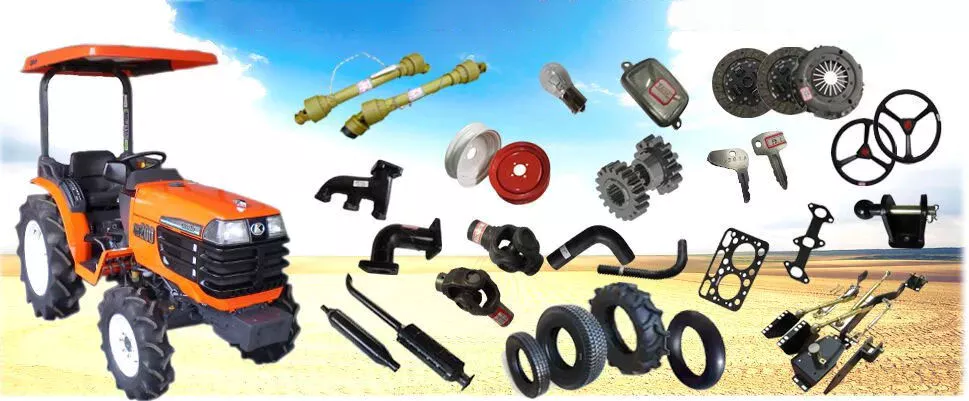
Are there variations in drive shaft designs for different types of machinery?
Yes, there are variations in drive shaft designs to cater to the specific requirements of different types of machinery. The design of a drive shaft is influenced by factors such as the application, power transmission needs, space limitations, operating conditions, and the type of driven components. Here’s an explanation of how drive shaft designs can vary for different types of machinery:
1. Automotive Applications:
In the automotive industry, drive shaft designs can vary depending on the vehicle’s configuration. Rear-wheel-drive vehicles typically use a single-piece or two-piece drive shaft, which connects the transmission or transfer case to the rear differential. Front-wheel-drive vehicles often use a different design, employing a drive shaft that combines with the constant velocity (CV) joints to transmit power to the front wheels. All-wheel-drive vehicles may have multiple drive shafts to distribute power to all wheels. The length, diameter, material, and joint types can differ based on the vehicle’s layout and torque requirements.
2. Industrial Machinery:
Drive shaft designs for industrial machinery depend on the specific application and power transmission requirements. In manufacturing machinery, such as conveyors, presses, and rotating equipment, drive shafts are designed to transfer power efficiently within the machine. They may incorporate flexible joints or use a splined or keyed connection to accommodate misalignment or allow for easy disassembly. The dimensions, materials, and reinforcement of the drive shaft are selected based on the torque, speed, and operating conditions of the machinery.
3. Agriculture and Farming:
Agricultural machinery, such as tractors, combines, and harvesters, often requires drive shafts that can handle high torque loads and varying operating angles. These drive shafts are designed to transmit power from the engine to attachments and implements, such as mowers, balers, tillers, and harvesters. They may incorporate telescopic sections to accommodate adjustable lengths, flexible joints to compensate for misalignment during operation, and protective shielding to prevent entanglement with crops or debris.
4. Construction and Heavy Equipment:
Construction and heavy equipment, including excavators, loaders, bulldozers, and cranes, require robust drive shaft designs capable of transmitting power in demanding conditions. These drive shafts often have larger diameters and thicker walls to handle high torque loads. They may incorporate universal joints or CV joints to accommodate operating angles and absorb shocks and vibrations. Drive shafts in this category may also have additional reinforcements to withstand the harsh environments and heavy-duty applications associated with construction and excavation.
5. Marine and Maritime Applications:
Drive shaft designs for marine applications are specifically engineered to withstand the corrosive effects of seawater and the high torque loads encountered in marine propulsion systems. Marine drive shafts are typically made from stainless steel or other corrosion-resistant materials. They may incorporate flexible couplings or dampening devices to reduce vibration and mitigate the effects of misalignment. The design of marine drive shafts also considers factors such as shaft length, diameter, and support bearings to ensure reliable power transmission in marine vessels.
6. Mining and Extraction Equipment:
In the mining industry, drive shafts are used in heavy machinery and equipment such as mining trucks, excavators, and drilling rigs. These drive shafts need to withstand extremely high torque loads and harsh operating conditions. Drive shaft designs for mining applications often feature larger diameters, thicker walls, and specialized materials such as alloy steel or composite materials. They may incorporate universal joints or CV joints to handle operating angles, and they are designed to be resistant to abrasion and wear.
These examples highlight the variations in drive shaft designs for different types of machinery. The design considerations take into account factors such as power requirements, operating conditions, space constraints, alignment needs, and the specific demands of the machinery or industry. By tailoring the drive shaft design to the unique requirements of each application, optimal power transmission efficiency and reliability can be achieved.


editor by CX 2023-11-07























