
Описание продукта
Описание продукта
Rotary Tiller Pto Shaft Tractor Cardan Shaft and Harvester Pto Drive Shaft for Farm Equipment
A Power Take-Off shaft (PTO shaft) is a mechanical device utilized to transmit power from a tractor or other power source to an attached implement, such as a mower, tiller, or baler. Typically situated at the rear of the tractor, the PTO shaft is driven by the tractor’s engine through the transmission.
The primary purpose of the PTO shaft is to supply a rotating power source to the implement, enabling it to carry out its intended function. To connect the implement to the PTO shaft, a universal joint is employed, allowing for movement between the tractor and the implement while maintaining a consistent power transfer.
Вот наши преимущества по сравнению с аналогичными товарами из Китая:
1. Кованые вилки делают валы отбора мощности достаточно прочными для эксплуатации и работы;
2. Внутренние размеры соответствуют стандарту, что гарантирует беспроблемную установку;
3. Сертификаты CE и ISO гарантируют качество нашей продукции;
4. Прочная и профессиональная упаковка, гарантирующая сохранность товара при получении.
Технические характеристики изделия
Упаковка и доставка
Профиль компании
HangZhou Hanon Technology Co.,ltd — это современное предприятие, специализирующееся на разработке, производстве, продаже и обслуживании сельскохозяйственных запчастей, таких как валы отбора мощности и редукторы, а также гидравлических компонентов, таких как цилиндры, клапаны, шестеренчатые насосы и двигатели и т. д.
Мы придерживаемся принципа «Высокое качество, удовлетворенность клиентов», используя передовые технологии и оборудование для обеспечения соответствия всем техническим стандартам. Мы следуем принципу «люди прежде всего», прилагая все усилия для создания благоприятной рабочей атмосферы и условий для профессионального роста каждого сотрудника. Таким образом, каждый может с удовольствием работать в Hanon Machinery.
Часто задаваемые вопросы
1. Каковы условия оплаты?
При формировании ценового предложения мы согласуем с вами способ оплаты: FOB, CIF и т.д.<br> Для товаров массового производства необходимо внести предоплату в размере 301 TP5T до начала производства, а остаток в размере 701 TP5T – после предоставления копий документов. Наиболее распространенный способ оплаты – банковский перевод (T/T).
2. КАК ОСУЩЕСТВИТЬ ДОСТАВКУ ТОВАРА?
Обычно мы отправляем товары вам морским путем.
3. Сколько времени занимает доставка и отправка?
30-45 дней
| Тип: | Вал отбора мощности |
|---|---|
| Применение: | Agricultural Products Processing, Tillage, Harvester, Planting and Fertilization, Grain Threshing, Cleaning and Drying, Tillage, Harvester, Planting and Fertilization |
| Материал: | Сталь 45кр |
| Образцы: |
US$ 20 шт./шт.
1 штука (минимальный заказ) | Заказать образец |
|---|
| Настройка: |
Доступный
| Индивидуальный запрос |
|---|
.shipping-cost-tm .tm-status-off{background: none;padding:0;color: #1470cc}
|
Стоимость доставки:
Ориентировочная стоимость доставки за единицу товара. |
о стоимости доставки и предполагаемом времени доставки. |
|---|
| Способ оплаты: |
|
|---|---|
|
Первоначальный платеж Полная оплата |
| Валюта: | US$ |
|---|
| Возврат и возмещение средств: | Вы можете подать заявку на возврат средств в течение 30 дней после получения товаров. |
|---|
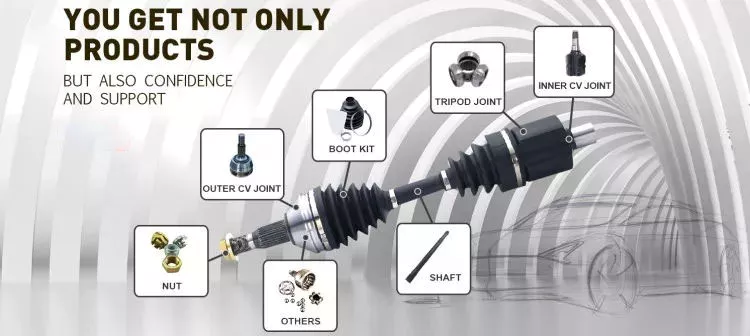
Как приводные валы обеспечивают эффективную передачу мощности, сохраняя при этом баланс?
В приводных валах используются различные механизмы для обеспечения эффективной передачи мощности при сохранении баланса. Эффективная передача мощности означает способность приводного вала передавать вращательную мощность от источника (например, двигателя) к приводимым компонентам (например, колесам или механизмам) с минимальными потерями энергии. Балансировка, с другой стороны, включает в себя минимизацию вибраций и устранение любого неравномерного распределения массы, которое может вызывать помехи во время работы. Вот объяснение того, как приводные валы обеспечивают как эффективную передачу мощности, так и балансировку:
1. Выбор материалов:
Выбор материала для приводных валов имеет решающее значение для поддержания баланса и обеспечения эффективной передачи мощности. Приводные валы обычно изготавливаются из таких материалов, как сталь или алюминиевые сплавы, выбранные за их прочность, жесткость и долговечность. Эти материалы обладают превосходной стабильностью размеров и могут выдерживать крутящие нагрузки, возникающие во время работы. Использование высококачественных материалов позволяет минимизировать деформацию, изгиб и дисбаланс приводных валов, которые могут ухудшить передачу мощности и вызвать вибрации.
2. Вопросы проектирования:
Конструкция карданного вала играет важную роль как в эффективности передачи мощности, так и в балансировке. Карданные валы проектируются с учетом соответствующих размеров, включая диаметр и толщину стенок, чтобы выдерживать ожидаемые крутящие нагрузки без чрезмерного прогиба или вибрации. При проектировании также учитываются такие факторы, как длина карданного вала, количество и тип шарниров (например, карданных или равных угловых скоростей), а также использование балансировочных грузов. Тщательно проектируя карданный вал, производители могут достичь оптимальной эффективности передачи мощности, минимизируя при этом потенциальные вибрации, вызванные дисбалансом.
3. Методы балансировки:
Балансировка имеет решающее значение для приводных валов, поскольку любой дисбаланс может вызывать вибрации, шум и ускоренный износ. Для поддержания баланса приводные валы проходят различные методы балансировки в процессе производства. Для обеспечения равномерного распределения массы вдоль приводного вала используются статические и динамические методы балансировки. Статическая балансировка включает добавление противовесов в определенных местах для компенсации любых дисбалансов веса. Динамическая балансировка выполняется путем вращения приводного вала на высоких скоростях и измерения любых вибраций. Если обнаруживаются дисбалансы, производятся дополнительные регулировки для достижения сбалансированного состояния. Эти методы балансировки помогают минимизировать вибрации и обеспечить плавную работу приводного вала.
4. Карданные шарниры и шарниры равных угловых скоростей:
Карданные валы часто оснащаются карданными шарнирами (U-образными) или шарнирами равных угловых скоростей (ШРУС) для компенсации несоосности и поддержания баланса во время работы. Карданные шарниры — это гибкие соединения, позволяющие совершать угловые перемещения между валами. Обычно они используются в тех случаях, когда карданный вал работает под разными углами. ШРУСы, с другой стороны, предназначены для поддержания постоянной скорости вращения и широко используются в автомобилях с передним приводом. Благодаря использованию этих шарниров карданные валы могут компенсировать несоосность, снижать нагрузку на вал и минимизировать вибрации, которые могут негативно влиять на эффективность передачи мощности и баланс.
5. Техническое обслуживание и осмотр:
Регулярное техническое обслуживание и осмотр приводных валов необходимы для обеспечения эффективной передачи мощности и балансировки. Периодические проверки на износ, повреждения или несоосность помогают выявить любые проблемы, которые могут повлиять на работу приводного вала. Смазка шарниров и надлежащая затяжка крепежных элементов также имеют решающее значение для поддержания оптимальной работы. Соблюдение рекомендованных процедур технического обслуживания позволяет оперативно устранять любые дисбалансы или неэффективности, обеспечивая непрерывную эффективную передачу мощности и балансировку.
Вкратце, приводные валы обеспечивают эффективную передачу мощности, сохраняя при этом баланс, благодаря тщательному выбору материалов, продуманной конструкции, методам балансировки и использованию гибких соединений. Оптимизация этих факторов позволяет приводным валам плавно и надежно передавать вращательную мощность, минимизируя потери энергии и вибрации, которые могут повлиять на производительность и срок службы.
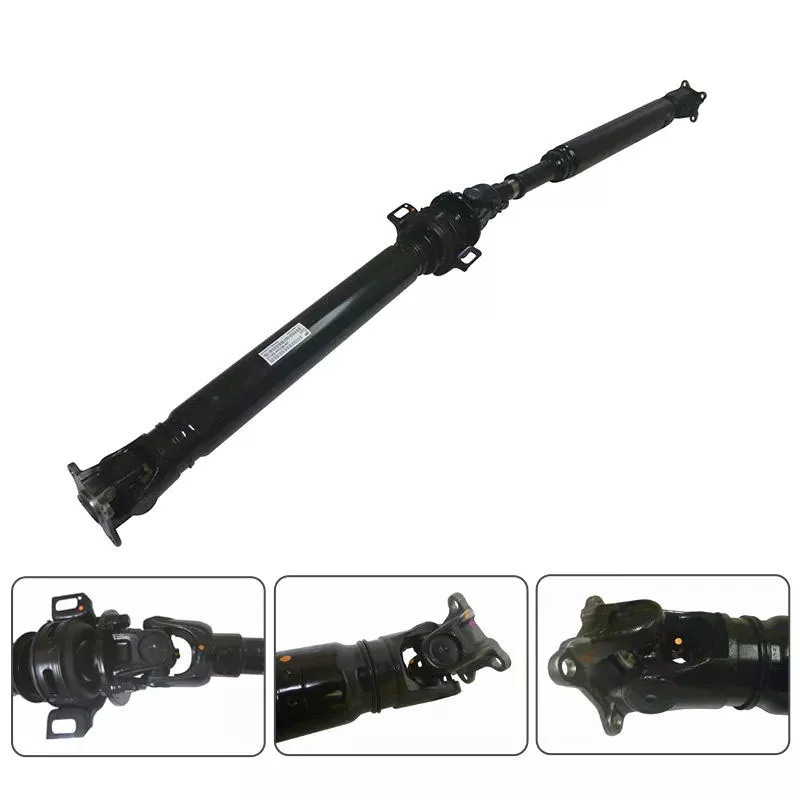
Can you provide real-world examples of vehicles and machinery that use drive shafts?
Drive shafts are widely used in various vehicles and machinery to transmit power from the engine or power source to the wheels or driven components. Here are some real-world examples of vehicles and machinery that utilize drive shafts:
1. Automobiles:
Drive shafts are commonly found in automobiles, especially those with rear-wheel drive or four-wheel drive systems. In these vehicles, the drive shaft transfers power from the transmission or transfer case to the rear differential or front differential, respectively. This allows the engine’s power to be distributed to the wheels, propelling the vehicle forward.
2. Trucks and Commercial Vehicles:
Drive shafts are essential components in trucks and commercial vehicles. They are used to transfer power from the transmission or transfer case to the rear axle or multiple axles in the case of heavy-duty trucks. Drive shafts in commercial vehicles are designed to handle higher torque loads and are often larger and more robust than those used in passenger cars.
3. Construction and Earthmoving Equipment:
Various types of construction and earthmoving equipment, such as excavators, loaders, bulldozers, and graders, rely on drive shafts for power transmission. These machines typically have complex drivetrain systems that use drive shafts to transfer power from the engine to the wheels or tracks, enabling them to perform heavy-duty tasks on construction sites or in mining operations.
4. Agricultural Machinery:
Agricultural machinery, including tractors, combines, and harvesters, utilize drive shafts to transmit power from the engine to the wheels or driven components. Drive shafts in agricultural machinery are often subjected to demanding conditions and may have additional features such as telescopic sections to accommodate variable distances between components.
5. Industrial Machinery:
Industrial machinery, such as manufacturing equipment, generators, pumps, and compressors, often incorporate drive shafts in their power transmission systems. These drive shafts transfer power from electric motors, engines, or other power sources to various driven components, enabling the machinery to perform specific tasks in industrial settings.
6. Marine Vessels:
In marine applications, drive shafts are commonly used to transmit power from the engine to the propeller in boats, ships, and other watercraft. Marine drive shafts are typically longer and designed to withstand the unique challenges posed by water environments, including corrosion resistance and appropriate sealing mechanisms.
7. Recreational Vehicles (RVs) and Motorhomes:
RVs and motorhomes often employ drive shafts as part of their drivetrain systems. These drive shafts transfer power from the transmission to the rear axle, allowing the vehicle to move and providing propulsion. Drive shafts in RVs may have additional features such as dampers or vibration-reducing components to enhance comfort during travel.
8. Off-Road and Racing Vehicles:
Off-road vehicles, such as SUVs, trucks, and all-terrain vehicles (ATVs), as well as racing vehicles, frequently utilize drive shafts. These drive shafts are designed to withstand the rigors of off-road conditions or high-performance racing, transmitting power efficiently to the wheels and ensuring optimal traction and performance.
9. Railway Rolling Stock:
In railway systems, drive shafts are employed in locomotives and some types of rolling stock. They transfer power from the locomotive’s engine to the wheels or propulsion system, enabling the train to move along the tracks. Railway drive shafts are typically much longer and may have additional features to accommodate the articulated or flexible nature of some train configurations.
10. Wind Turbines:
Large-scale wind turbines used for generating electricity incorporate drive shafts in their power transmission systems. The drive shafts transfer rotational energy from the turbine’s blades to the generator, where it is converted into electrical power. Drive shafts in wind turbines are designed to handle the significant torque and rotational forces generated by the wind.
These examples demonstrate the broad range of vehicles and machinery that rely on drive shafts for efficient power transmission and propulsion. Drive shafts are essential components in various industries, enabling the transfer of power from the source to the driven components, ultimately facilitating movement, operation, or the performance of specific tasks.
Are there variations in drive shaft designs for different types of machinery?
Yes, there are variations in drive shaft designs to cater to the specific requirements of different types of machinery. The design of a drive shaft is influenced by factors such as the application, power transmission needs, space limitations, operating conditions, and the type of driven components. Here’s an explanation of how drive shaft designs can vary for different types of machinery:
1. Automotive Applications:
In the automotive industry, drive shaft designs can vary depending on the vehicle’s configuration. Rear-wheel-drive vehicles typically use a single-piece or two-piece drive shaft, which connects the transmission or transfer case to the rear differential. Front-wheel-drive vehicles often use a different design, employing a drive shaft that combines with the constant velocity (CV) joints to transmit power to the front wheels. All-wheel-drive vehicles may have multiple drive shafts to distribute power to all wheels. The length, diameter, material, and joint types can differ based on the vehicle’s layout and torque requirements.
2. Industrial Machinery:
Drive shaft designs for industrial machinery depend on the specific application and power transmission requirements. In manufacturing machinery, such as conveyors, presses, and rotating equipment, drive shafts are designed to transfer power efficiently within the machine. They may incorporate flexible joints or use a splined or keyed connection to accommodate misalignment or allow for easy disassembly. The dimensions, materials, and reinforcement of the drive shaft are selected based on the torque, speed, and operating conditions of the machinery.
3. Agriculture and Farming:
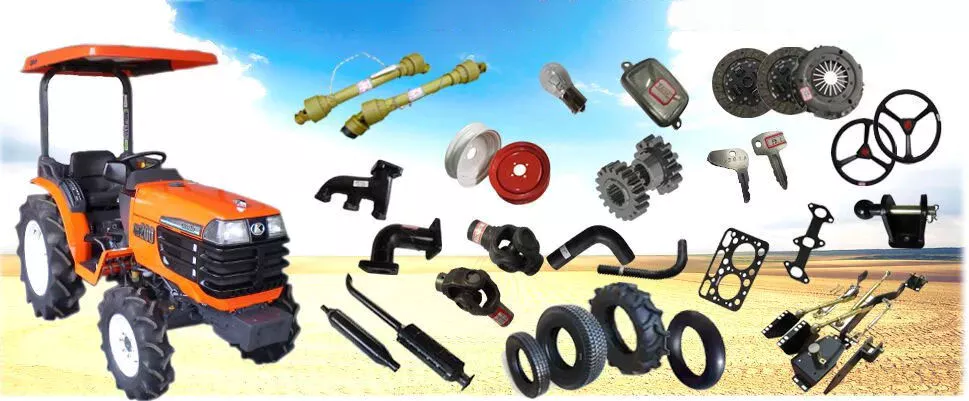
Agricultural machinery, such as tractors, combines, and harvesters, often requires drive shafts that can handle high torque loads and varying operating angles. These drive shafts are designed to transmit power from the engine to attachments and implements, such as mowers, balers, tillers, and harvesters. They may incorporate telescopic sections to accommodate adjustable lengths, flexible joints to compensate for misalignment during operation, and protective shielding to prevent entanglement with crops or debris.
4. Construction and Heavy Equipment:
Construction and heavy equipment, including excavators, loaders, bulldozers, and cranes, require robust drive shaft designs capable of transmitting power in demanding conditions. These drive shafts often have larger diameters and thicker walls to handle high torque loads. They may incorporate universal joints or CV joints to accommodate operating angles and absorb shocks and vibrations. Drive shafts in this category may also have additional reinforcements to withstand the harsh environments and heavy-duty applications associated with construction and excavation.
5. Marine and Maritime Applications:
Drive shaft designs for marine applications are specifically engineered to withstand the corrosive effects of seawater and the high torque loads encountered in marine propulsion systems. Marine drive shafts are typically made from stainless steel or other corrosion-resistant materials. They may incorporate flexible couplings or dampening devices to reduce vibration and mitigate the effects of misalignment. The design of marine drive shafts also considers factors such as shaft length, diameter, and support bearings to ensure reliable power transmission in marine vessels.
6. Mining and Extraction Equipment:
In the mining industry, drive shafts are used in heavy machinery and equipment such as mining trucks, excavators, and drilling rigs. These drive shafts need to withstand extremely high torque loads and harsh operating conditions. Drive shaft designs for mining applications often feature larger diameters, thicker walls, and specialized materials such as alloy steel or composite materials. They may incorporate universal joints or CV joints to handle operating angles, and they are designed to be resistant to abrasion and wear.
These examples highlight the variations in drive shaft designs for different types of machinery. The design considerations take into account factors such as power requirements, operating conditions, space constraints, alignment needs, and the specific demands of the machinery or industry. By tailoring the drive shaft design to the unique requirements of each application, optimal power transmission efficiency and reliability can be achieved.


editor by CX 2023-11-07























