
Опис продукту
Опис продукту
Rotary Tiller Pto Shaft Tractor Cardan Shaft and Harvester Pto Drive Shaft for Farm Equipment
Вал відбору потужності (ВОМ) – це механічний пристрій, що використовується для передачі потужності від трактора або іншого джерела живлення до навісного обладнання, такого як косарка, культиватор або прес-підбирач. Зазвичай розташований у задній частині трактора, вал ВОМ приводиться в рух двигуном трактора через трансмісію.
Основне призначення валу відбору потужності полягає в тому, щоб подавати обертове джерело енергії до обладнання, що дозволяє йому виконувати свою функцію. Для з'єднання обладнання з валом відбору потужності використовується універсальний шарнір, який забезпечує рух між трактором та обладнанням, зберігаючи при цьому постійну передачу потужності.
Ось наші переваги в порівнянні з аналогічними товарами з Китаю:
1. Ковані вилки роблять вали відбору потужності достатньо міцними для використання та роботи;
2. Стандартні внутрішні розміри для підтвердження плавності встановлення;
3. Сертифікати CE та ISO для гарантії якості наших товарів;
4. Міцний та професійний пакет для підтвердження гарної ситуації, коли ви отримуєте товар.
Специфікації продукту
Упаковка та доставка
Профіль компанії
HangZhou Hanon Technology Co., ltd - це сучасне підприємство, що спеціалізується на розробці, виробництві, продажу та обслуговуванні сільськогосподарських деталей, таких як вал відбору потужності та коробки передач, а також гідравлічних деталей, таких як циліндри, клапани, шестеренні насоси та двигуни тощо.
Ми дотримуємося принципу «Висока якість, задоволення клієнтів», використовуючи передові технології та обладнання для забезпечення всіх технічних стандартів передачі. Ми дотримуємося принципу «люди понад усе», намагаючись створити приємну атмосферу та платформу для роботи для кожного співробітника. Тож кожен може свідомо та активно приєднатися до Hanon Machinery.
Найчастіші запитання
1. ЯКИЙ ТЕРМІН ОПЛАТИ?
Коли ми надішлемо вам цінову пропозицію, ми підтвердимо з вами спосіб транзакції, FOB, CIF тощо.<br> Для товарів масового виробництва вам потрібно сплатити депозит у розмірі 30% перед виробництвом та залишок 70% за копіями документів. Найпоширеніший спосіб – T/T.
2. ЯК ДОСТАВИТИ НАМ ТОВАР?
Зазвичай ми відправляємо вам товар морем.
3.How long is your delivery time and shipment?
30-45days
| Тип: | Вал відбору потужності |
|---|---|
| Використання: | Agricultural Products Processing, Tillage, Harvester, Planting and Fertilization, Grain Threshing, Cleaning and Drying, Tillage, Harvester, Planting and Fertilization |
| Матеріал: | Сталь 45cr |
| Зразки: |
US$ 20/шт.
1 штука (мінімальне замовлення) | Зразок замовлення |
|---|
| Налаштування: |
Доступно
| Індивідуальний запит |
|---|
.shipping-cost-tm .tm-status-off{фон: немає; padding: 0; колір: #1470cc}
|
Вартість доставки:
Орієнтовна вартість перевезення за одиницю. |
щодо вартості доставки та орієнтовного часу доставки. |
|---|
| Спосіб оплати: |
|
|---|---|
|
Початковий платіж Повна оплата |
| Валюта: | US$ |
|---|
| Повернення та відшкодування: | Ви можете подати заявку на повернення коштів протягом 30 днів з моменту отримання товарів. |
|---|
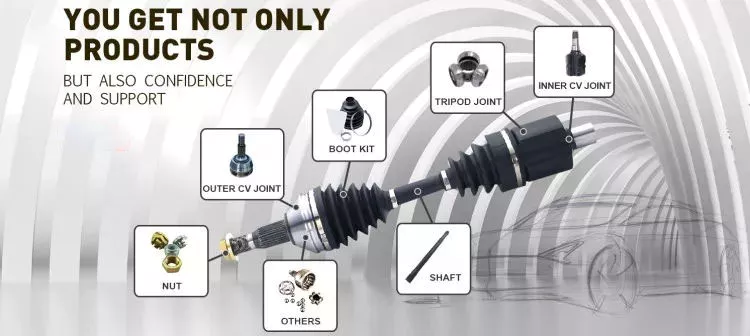
Як карданні вали забезпечують ефективну передачу потужності, зберігаючи при цьому баланс?
Карданні вали використовують різні механізми для забезпечення ефективної передачі потужності та збереження балансу. Ефективна передача потужності стосується здатності карданного вала передавати обертальну потужність від джерела (наприклад, двигуна) до ведених компонентів (таких як колеса або механізми) з мінімальними втратами енергії. Балансування, з іншого боку, передбачає мінімізацію вібрацій та усунення будь-якого нерівномірного розподілу маси, який може спричинити порушення під час роботи. Ось пояснення того, як карданні вали досягають як ефективної передачі потужності, так і балансу:
1. Вибір матеріалу:
Вибір матеріалу для карданних валів має вирішальне значення для підтримки балансу та забезпечення ефективної передачі потужності. Карданні вали зазвичай виготовляються з таких матеріалів, як сталь або алюмінієві сплави, обраних за їхню міцність, жорсткість та довговічність. Ці матеріали мають чудову розмірну стабільність і можуть витримувати навантаження від крутного моменту, що виникають під час роботи. Завдяки використанню високоякісних матеріалів карданні вали можуть мінімізувати деформацію, вигин та дисбаланс, які можуть погіршити передачу потужності та створити вібрації.
2. Міркування щодо проектування:
Конструкція карданного вала відіграє значну роль як у ефективності передачі потужності, так і в балансуванні. Карданні вали спроектовані з відповідними розмірами, включаючи діаметр і товщину стінки, щоб витримувати очікувані крутні моменти без надмірного прогину або вібрації. Конструкція також враховує такі фактори, як довжина карданного вала, кількість і тип шарнірів (таких як універсальні шарніри або шарніри рівних кутових швидкостей) та використання балансувальних вантажів. Завдяки ретельному проектуванню карданного вала виробники можуть досягти оптимальної ефективності передачі потужності, мінімізуючи при цьому потенціал вібрацій, викликаних дисбалансом.
3. Методи балансування:
Балансування має вирішальне значення для карданних валів, оскільки будь-який дисбаланс може спричинити вібрації, шум і прискорений знос. Для підтримки балансу карданні вали проходять різні методи балансування під час виробничого процесу. Використовуються статичні та динамічні методи балансування, щоб забезпечити рівномірний розподіл маси вздовж карданного валу. Статичне балансування передбачає додавання противаг у певних місцях для компенсації будь-яких дисбалансів ваги. Динамічне балансування виконується шляхом обертання карданного валу на високих швидкостях та вимірювання будь-яких вібрацій. Якщо виявлено дисбаланс, вносяться додаткові корективи для досягнення збалансованого стану. Ці методи балансування допомагають мінімізувати вібрації та забезпечити плавну роботу карданного валу.
4. Універсальні шарніри та шарніри рівних швидкостей:
Карданні вали часто мають універсальні шарніри (U-подібні шарніри) або шарніри постійної швидкості (CV) для компенсації перекосу та підтримки балансу під час роботи. U-подібні шарніри - це гнучкі шарніри, які забезпечують кутовий рух між валами. Зазвичай вони використовуються в тих випадках, коли карданний вал працює під різними кутами. CV-шарувати, з іншого боку, призначені для підтримки постійної швидкості обертання та зазвичай використовуються в передньопривідних автомобілях. Завдяки використанню цих шарнірів карданні вали можуть компенсувати перекос, зменшувати навантаження на вал та мінімізувати вібрації, які можуть негативно впливати на ефективність передачі потужності та баланс.
5. Технічне обслуговування та перевірка:
Регулярне технічне обслуговування та огляд карданних валів є важливими для забезпечення ефективної передачі потужності та балансування. Періодичні перевірки на знос, пошкодження або перекіс можуть допомогти виявити будь-які проблеми, які можуть вплинути на роботу карданного вала. Змащення з'єднань та належне затягування кріплень також є критично важливими для підтримки оптимальної роботи. Дотримуючись рекомендованих процедур технічного обслуговування, будь-який дисбаланс або неефективність можна швидко усунути, забезпечуючи постійну ефективну передачу потужності та баланс.
Підсумовуючи, карданні вали забезпечують ефективну передачу потужності, зберігаючи при цьому баланс, завдяки ретельному вибору матеріалів, продуманим конструкційним міркуванням, методам балансування та використанню гнучких з'єднань. Оптимізуючи ці фактори, карданні вали можуть плавно та надійно передавати обертальну потужність, мінімізуючи втрати енергії та вібрації, які можуть вплинути на продуктивність та довговічність.

Can you provide real-world examples of vehicles and machinery that use drive shafts?
Drive shafts are widely used in various vehicles and machinery to transmit power from the engine or power source to the wheels or driven components. Here are some real-world examples of vehicles and machinery that utilize drive shafts:
1. Automobiles:
Drive shafts are commonly found in automobiles, especially those with rear-wheel drive or four-wheel drive systems. In these vehicles, the drive shaft transfers power from the transmission or transfer case to the rear differential or front differential, respectively. This allows the engine’s power to be distributed to the wheels, propelling the vehicle forward.
2. Trucks and Commercial Vehicles:
Drive shafts are essential components in trucks and commercial vehicles. They are used to transfer power from the transmission or transfer case to the rear axle or multiple axles in the case of heavy-duty trucks. Drive shafts in commercial vehicles are designed to handle higher torque loads and are often larger and more robust than those used in passenger cars.
3. Construction and Earthmoving Equipment:
Various types of construction and earthmoving equipment, such as excavators, loaders, bulldozers, and graders, rely on drive shafts for power transmission. These machines typically have complex drivetrain systems that use drive shafts to transfer power from the engine to the wheels or tracks, enabling them to perform heavy-duty tasks on construction sites or in mining operations.
4. Agricultural Machinery:
Agricultural machinery, including tractors, combines, and harvesters, utilize drive shafts to transmit power from the engine to the wheels or driven components. Drive shafts in agricultural machinery are often subjected to demanding conditions and may have additional features such as telescopic sections to accommodate variable distances between components.
5. Industrial Machinery:
Industrial machinery, such as manufacturing equipment, generators, pumps, and compressors, often incorporate drive shafts in their power transmission systems. These drive shafts transfer power from electric motors, engines, or other power sources to various driven components, enabling the machinery to perform specific tasks in industrial settings.
6. Marine Vessels:
In marine applications, drive shafts are commonly used to transmit power from the engine to the propeller in boats, ships, and other watercraft. Marine drive shafts are typically longer and designed to withstand the unique challenges posed by water environments, including corrosion resistance and appropriate sealing mechanisms.
7. Recreational Vehicles (RVs) and Motorhomes:
RVs and motorhomes often employ drive shafts as part of their drivetrain systems. These drive shafts transfer power from the transmission to the rear axle, allowing the vehicle to move and providing propulsion. Drive shafts in RVs may have additional features such as dampers or vibration-reducing components to enhance comfort during travel.
8. Off-Road and Racing Vehicles:
Off-road vehicles, such as SUVs, trucks, and all-terrain vehicles (ATVs), as well as racing vehicles, frequently utilize drive shafts. These drive shafts are designed to withstand the rigors of off-road conditions or high-performance racing, transmitting power efficiently to the wheels and ensuring optimal traction and performance.
9. Railway Rolling Stock:
In railway systems, drive shafts are employed in locomotives and some types of rolling stock. They transfer power from the locomotive’s engine to the wheels or propulsion system, enabling the train to move along the tracks. Railway drive shafts are typically much longer and may have additional features to accommodate the articulated or flexible nature of some train configurations.
10. Wind Turbines:
Large-scale wind turbines used for generating electricity incorporate drive shafts in their power transmission systems. The drive shafts transfer rotational energy from the turbine’s blades to the generator, where it is converted into electrical power. Drive shafts in wind turbines are designed to handle the significant torque and rotational forces generated by the wind.
These examples demonstrate the broad range of vehicles and machinery that rely on drive shafts for efficient power transmission and propulsion. Drive shafts are essential components in various industries, enabling the transfer of power from the source to the driven components, ultimately facilitating movement, operation, or the performance of specific tasks.
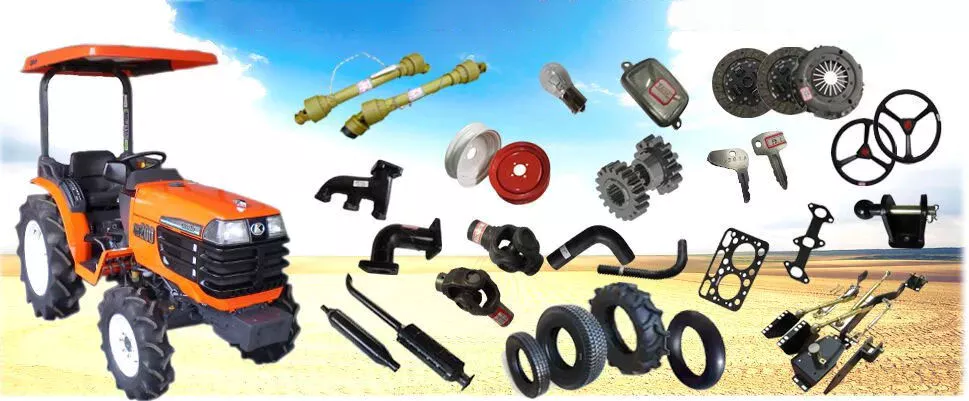
Are there variations in drive shaft designs for different types of machinery?
Yes, there are variations in drive shaft designs to cater to the specific requirements of different types of machinery. The design of a drive shaft is influenced by factors such as the application, power transmission needs, space limitations, operating conditions, and the type of driven components. Here’s an explanation of how drive shaft designs can vary for different types of machinery:
1. Automotive Applications:
In the automotive industry, drive shaft designs can vary depending on the vehicle’s configuration. Rear-wheel-drive vehicles typically use a single-piece or two-piece drive shaft, which connects the transmission or transfer case to the rear differential. Front-wheel-drive vehicles often use a different design, employing a drive shaft that combines with the constant velocity (CV) joints to transmit power to the front wheels. All-wheel-drive vehicles may have multiple drive shafts to distribute power to all wheels. The length, diameter, material, and joint types can differ based on the vehicle’s layout and torque requirements.
2. Industrial Machinery:
Drive shaft designs for industrial machinery depend on the specific application and power transmission requirements. In manufacturing machinery, such as conveyors, presses, and rotating equipment, drive shafts are designed to transfer power efficiently within the machine. They may incorporate flexible joints or use a splined or keyed connection to accommodate misalignment or allow for easy disassembly. The dimensions, materials, and reinforcement of the drive shaft are selected based on the torque, speed, and operating conditions of the machinery.
3. Agriculture and Farming:
Agricultural machinery, such as tractors, combines, and harvesters, often requires drive shafts that can handle high torque loads and varying operating angles. These drive shafts are designed to transmit power from the engine to attachments and implements, such as mowers, balers, tillers, and harvesters. They may incorporate telescopic sections to accommodate adjustable lengths, flexible joints to compensate for misalignment during operation, and protective shielding to prevent entanglement with crops or debris.
4. Construction and Heavy Equipment:
Construction and heavy equipment, including excavators, loaders, bulldozers, and cranes, require robust drive shaft designs capable of transmitting power in demanding conditions. These drive shafts often have larger diameters and thicker walls to handle high torque loads. They may incorporate universal joints or CV joints to accommodate operating angles and absorb shocks and vibrations. Drive shafts in this category may also have additional reinforcements to withstand the harsh environments and heavy-duty applications associated with construction and excavation.
5. Marine and Maritime Applications:
Drive shaft designs for marine applications are specifically engineered to withstand the corrosive effects of seawater and the high torque loads encountered in marine propulsion systems. Marine drive shafts are typically made from stainless steel or other corrosion-resistant materials. They may incorporate flexible couplings or dampening devices to reduce vibration and mitigate the effects of misalignment. The design of marine drive shafts also considers factors such as shaft length, diameter, and support bearings to ensure reliable power transmission in marine vessels.
6. Mining and Extraction Equipment:
In the mining industry, drive shafts are used in heavy machinery and equipment such as mining trucks, excavators, and drilling rigs. These drive shafts need to withstand extremely high torque loads and harsh operating conditions. Drive shaft designs for mining applications often feature larger diameters, thicker walls, and specialized materials such as alloy steel or composite materials. They may incorporate universal joints or CV joints to handle operating angles, and they are designed to be resistant to abrasion and wear.
These examples highlight the variations in drive shaft designs for different types of machinery. The design considerations take into account factors such as power requirements, operating conditions, space constraints, alignment needs, and the specific demands of the machinery or industry. By tailoring the drive shaft design to the unique requirements of each application, optimal power transmission efficiency and reliability can be achieved.


editor by CX 2023-11-07























