
คำอธิบายผลิตภัณฑ์
คำอธิบายผลิตภัณฑ์
A Power Take-Off shaft (PTO shaft) is a mechanical device utilized to transmit power from a tractor or other power source to an attached implement, such as a mower, tiller, or baler. Typically situated at the rear of the tractor, the PTO shaft is driven by the tractor’s engine through the transmission.
The primary purpose of the PTO shaft is to supply a rotating power source to the implement, enabling it to carry out its intended function. To connect the implement to the PTO shaft, a universal joint is employed, allowing for movement between the tractor and the implement while maintaining a consistent power transfer.
Here is our advantages when compare to similar products from China:
1.Forged yokes make PTO shafts strong enough for usage and working;
2.Internal sizes standard to confirm installation smooth;
3.CE and ISO certificates to guarantee to quality of our goods;
4.Strong and professional package to confirm the good situation when you receive the goods.
ข้อมูลจำเพาะของผลิตภัณฑ์
In farming, the most common way to transmit power from a tractor to an implement is by a driveline, connected to the PTO (Power Take Off) of the tractor to the IIC(Implement Input Connection). Drivelines are also commonly connected to shafts within the implement to transmit power to various mechanisms.
The following dimensions of the PTO types are available.
Type B:13/8″Z6(540 min)
Type D:13/8″Z21(1000 min)
Coupling a driveline to a PTO should be quick and simple because in normal use tractors must operate multiple implements. Consequently, yokes on the tractor-end of the driveline are fitted with a quick-disconnect system, such as push-pin or ball collar.
Specifications for a driveline, including the way it is coupled to a PTO, depend CHINAMFG the implement.
Yokes on the llc side are rarely disconnected and may be fastened by quick-lock couplings (push-pin or ball collar).
Taper pins are the most stable connection for splined shafts and are commonly used in yokes and torque limiters. Taper pins are also often used to connect internal drive shafts on drivelines that are not frequently disconnected.
Torque limiter and clutches must always be installed on the implement side of the primary driveline.
บรรจุภัณฑ์และการจัดส่ง
ข้อมูลบริษัท
HangZhou Hanon Technology Co.,ltd is a modern enterprise specilizing in the development,production,sales and services of Agricultural Parts like PTO shaft and Gearboxes and Hydraulic parts like Cylinder , Valve ,Gearpump and motor etc..
We adhere to the principle of ” High Quality, Customers’Satisfaction”, using advanced technology and equipments to ensure all the technical standards of transmission .We follow the principle of people first , trying our best to set up a pleasant surroundings and platform of performance for each employee. So everyone can be self-consciously active to join Hanon Machinery.
คำถามที่พบบ่อย
1.WHAT’S THE PAYMENT TERM?
When we quote for you,we will confirm with you the way of transaction,FOB,CIFetc.<br> For mass production goods, you need to pay 30% deposit before producing and70% balance against copy of documents.The most common way is by T/T.
2.HOW TO DELIVER THE GOODS TO US?
Usually we will ship the goods to you by sea.
3.How long is your delivery time and shipment?
30-45days
| พิมพ์: | เพลา PTO |
|---|---|
| วิธีใช้งาน: | การแปรรูปผลิตภัณฑ์ทางการเกษตร โครงสร้างพื้นฐานทางการเกษตร การไถพรวน การเก็บเกี่ยว การปลูกและการใส่ปุ๋ย การนวดเมล็ดพืช การทำความสะอาดและการอบแห้ง |
| วัสดุ: | 45cr Steel |
| แหล่งพลังงาน: | Pto Dirven Shaft |
| Weight: | 8-15kg |
| บริการหลังการขาย: | การสนับสนุนออนไลน์ |
| ตัวอย่าง: |
US$ 20/Piece
1 ชิ้น (สั่งขั้นต่ำ) | |
|---|
| การปรับแต่ง: |
มีอยู่
| คำขอที่กำหนดเอง |
|---|
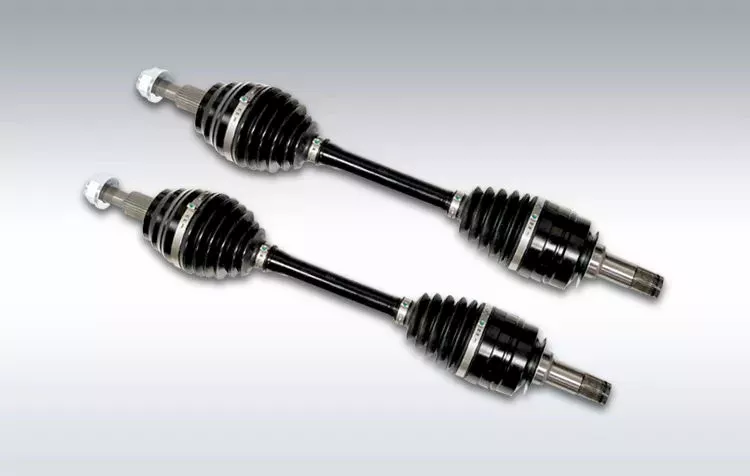
How do PTO shafts handle variations in length and connection methods?
PTO (Power Take-Off) shafts are designed to handle variations in length and connection methods to accommodate different equipment setups and ensure efficient power transfer. PTO shafts need to be adjustable in length to bridge the distance between the power source and the driven machinery. Additionally, they must provide versatile connection methods to connect to a wide range of equipment. Here’s a detailed explanation of how PTO shafts handle variations in length and connection methods:
1. Telescoping Design: PTO shafts often feature a telescoping design, allowing them to be adjusted in length to suit different equipment configurations. The telescoping feature enables the shaft to extend or retract, accommodating varying distances between the power source (such as a tractor or engine) and the driven machinery. By adjusting the length of the PTO shaft, it can be properly aligned and connected to ensure optimal power transfer. Telescoping PTO shafts typically consist of multiple tubular sections that slide into one another, providing flexibility in length adjustment.
2. Splined Shafts: PTO shafts commonly employ splined shafts as the primary connection method between the power source and driven machinery. Splines are a series of ridges or grooves along the shaft that interlock with corresponding grooves in the mating component. The splined connection allows for torque transfer while maintaining alignment between the power source and driven machinery. Splined shafts can handle variations in length by extending or retracting the telescoping sections while still maintaining a solid connection between the power source and the driven equipment.
3. Adjustable Sliding Yokes: PTO shafts typically feature adjustable sliding yokes on one or both ends of the shaft. These yokes allow for angular adjustment, accommodating variations in the alignment between the power source and driven machinery. The sliding yokes can be moved along the splined shaft to achieve the desired angle and maintain proper alignment. This flexibility ensures that the PTO shaft can handle length variations while ensuring efficient power transfer without placing excessive strain on the universal joints or other components.
4. Universal Joints: Universal joints are integral components of PTO shafts that allow for angular misalignment between the power source and driven machinery. They consist of a cross-shaped yoke with bearings that transmit torque between connected shafts while accommodating misalignment. Universal joints provide flexibility in connecting PTO shafts to equipment that may not be perfectly aligned. As the PTO shaft length varies, the universal joints compensate for the changes in angle, allowing for smooth power transmission even when there are variations in length or misalignment between the power source and driven machinery.
5. กลไกการเชื่อมต่อ: PTO shafts utilize various coupling mechanisms to securely connect to the power source and driven machinery. These mechanisms often involve a combination of splines, bolts, locking pins, or quick-release mechanisms. The coupling methods can vary depending on the specific equipment and industry requirements. The versatility of PTO shafts allows for the use of different coupling methods, ensuring a reliable and secure connection regardless of the length variation or equipment configuration.
6. Customization Options: PTO shafts can be customized to handle specific length variations and connection methods. Manufacturers offer options to select different lengths of telescoping sections to match the specific distance between the power source and driven machinery. Additionally, PTO shafts can be tailored to accommodate various connection methods through the selection of splined shaft sizes, yoke designs, and coupling mechanisms. This customization enables PTO shafts to meet the specific requirements of different equipment setups, ensuring optimal power transfer and compatibility.
7. Safety Considerations: When handling variations in length and connection methods, it is essential to consider safety. PTO shafts incorporate protective guards and shields to prevent accidental contact with rotating components. These safety measures must be appropriately adjusted and installed to provide adequate coverage and protection, regardless of the PTO shaft’s length or connection configuration. Safety guidelines and regulations should be followed to ensure the proper installation, adjustment, and use of PTO shafts in order to prevent accidents or injuries.
By incorporating telescoping designs, splined shafts, adjustable sliding yokes, universal joints, and versatile coupling mechanisms, PTO shafts can handle variations in length and connection methods. The flexibility of PTO shafts allows them to adapt to different equipment setups, ensuring efficient power transfer while maintaining alignment and safety.
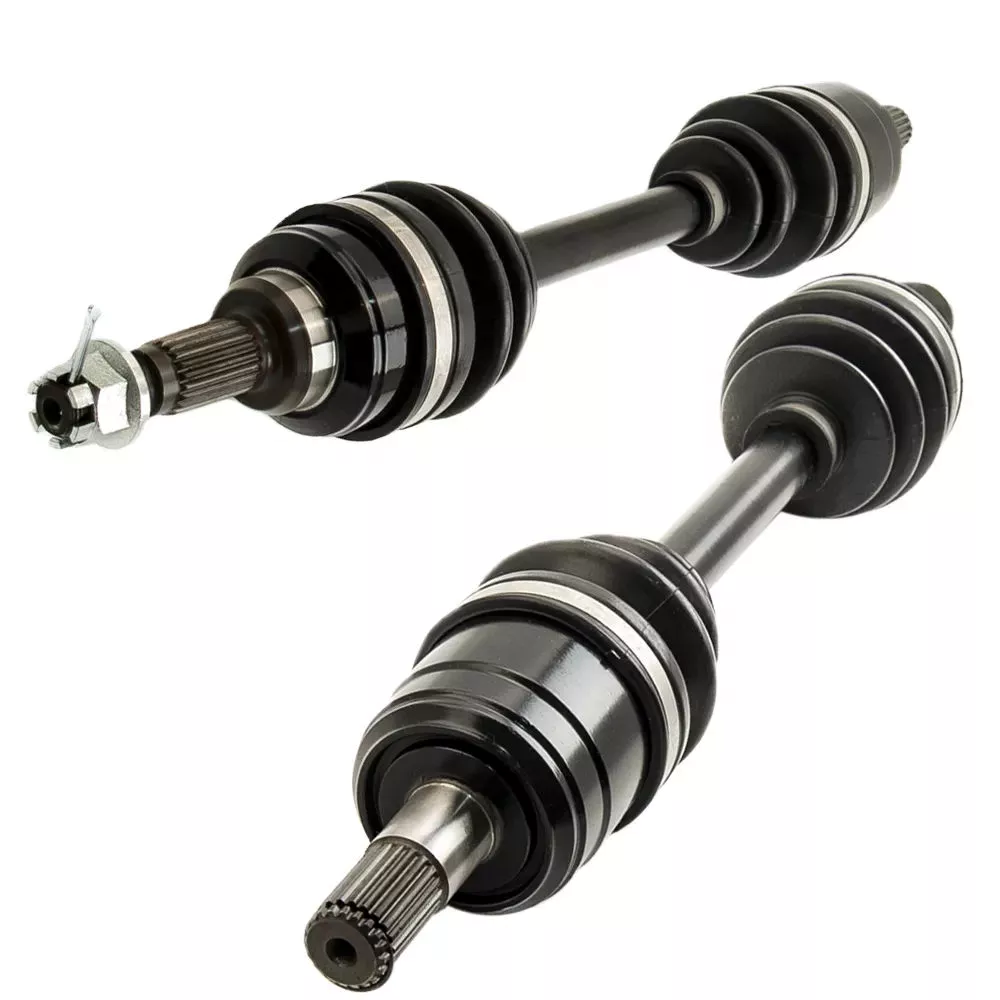
สามารถปรับแต่งเพลา PTO ให้เหมาะสมกับเครื่องจักรและข้อกำหนดด้านกำลังที่เฉพาะเจาะจงได้หรือไม่?
ใช่แล้ว เพลา PTO (Power Take-Off) สามารถปรับแต่งให้ตรงตามข้อกำหนดเฉพาะของเครื่องจักรและกำลังไฟฟ้าในการใช้งานต่างๆ ได้ ผู้ผลิตมีตัวเลือกการปรับแต่งเพื่อให้แน่ใจว่าเพลา PTO นั้นเหมาะสมกับแหล่งพลังงาน เครื่องจักรที่ขับเคลื่อน และการใช้งานที่ต้องการอย่างแม่นยำ ต่อไปนี้เป็นคำอธิบายโดยละเอียดเกี่ยวกับวิธีการปรับแต่งเพลา PTO:
1. ความยาวเพลา: เพลา PTO สามารถปรับแต่งความยาวได้เพื่อให้เหมาะกับอุปกรณ์ที่มีการกำหนดค่าแตกต่างกัน ความยาวของเพลา PTO มีความสำคัญอย่างยิ่งต่อการรับประกันการจัดแนวและการเชื่อมต่อที่ถูกต้องระหว่างแหล่งพลังงานและเครื่องจักรที่ขับเคลื่อน ผู้ผลิตสามารถจัดหาเพลา PTO ที่มีความยาวปรับได้หรือความยาวคงที่ ทำให้มีความยืดหยุ่นในการตอบสนองความต้องการความยาวเฉพาะ การปรับแต่งความยาวของเพลาช่วยให้มั่นใจได้ว่าเพลา PTO เข้ากับอุปกรณ์อย่างเหมาะสม เพิ่มประสิทธิภาพการส่งกำลัง และลดความเสี่ยงของการจัดแนวที่ไม่ถูกต้องหรือความเครียดที่มากเกินไป
2. ขนาดของสไปลน์: เพลา PTO มีให้เลือกหลายขนาดร่องฟันเพื่อให้เข้ากับเพลาอินพุตและเอาต์พุตของอุปกรณ์ต่างๆ การปรับแต่งขนาดร่องฟันช่วยให้เพลา PTO เชื่อมต่อกับแหล่งพลังงานและเครื่องจักรที่ขับเคลื่อนได้อย่างราบรื่น ผู้ผลิตสามารถนำเสนอการกำหนดค่าร่องฟันที่แตกต่างกัน เช่น 1-3/8 นิ้ว 1-3/4 นิ้ว หรือขนาดเมตริก เพื่อรองรับความต้องการเฉพาะของเครื่องจักร การปรับแต่งขนาดร่องฟันช่วยให้มั่นใจได้ถึงความพอดีและการเชื่อมต่อที่ปลอดภัย ทำให้การส่งกำลังมีประสิทธิภาพโดยไม่จำเป็นต้องใช้อะแดปเตอร์หรือการดัดแปลงเพิ่มเติม
3. การออกแบบแอก: เพลา PTO สามารถปรับแต่งได้ด้วยการออกแบบแอกที่แตกต่างกันเพื่อให้เข้ากับจุดเชื่อมต่อบนแหล่งพลังงานและเครื่องจักรที่ขับเคลื่อน แอกคือส่วนประกอบที่ยึดติดกับเพลาและเชื่อมต่อกับอุปกรณ์ ผู้ผลิตสามารถจัดหาแอกที่มีการออกแบบหลากหลาย เช่น แอกทรงกลม แอกทรงสามเหลี่ยม หรือแอกแบบร่อง เพื่อให้มั่นใจได้ถึงความเข้ากันได้กับเครื่องจักรเฉพาะ การปรับแต่งการออกแบบแอกช่วยให้การเชื่อมต่อมีความปลอดภัยและเชื่อถือได้ จัดแนวเพลา PTO ให้ตรงกับเพลาอินพุต/เอาต์พุตของอุปกรณ์ และเพิ่มประสิทธิภาพการส่งกำลังให้เหมาะสมที่สุด
4. ค่าแรงบิด: เพลา PTO สามารถปรับแต่งให้รองรับแรงบิดที่ต้องการได้ตามความต้องการกำลังของงาน แรงบิดคือแรงหมุนที่เพลา PTO ต้องส่งผ่านจากแหล่งพลังงานไปยังเครื่องจักรที่ขับเคลื่อน ผู้ผลิตสามารถออกแบบเพลา PTO ที่มีพิกัดแรงบิดต่างกันได้โดยใช้วัสดุ ขนาด และเทคนิคการเสริมแรงที่เหมาะสม การปรับแต่งพิกัดแรงบิดช่วยให้มั่นใจได้ว่าเพลา PTO สามารถรองรับระดับกำลังที่ต้องการได้อย่างปลอดภัยและเชื่อถือได้โดยไม่สึกหรอหรือเสียหายก่อนกำหนด
5. กลไกการเชื่อมต่อ: เพลา PTO สามารถปรับแต่งได้ด้วยกลไกการเชื่อมต่อแบบต่างๆ เพื่อให้ตรงกับข้อกำหนดการเชื่อมต่อของอุปกรณ์เฉพาะ กลไกการเชื่อมต่อคือวิธีการที่เพลา PTO เชื่อมต่อและตัดการเชื่อมต่อจากแหล่งพลังงานและเครื่องจักรที่ขับเคลื่อน ผู้ผลิตสามารถจัดหาตัวเลือกการเชื่อมต่อต่างๆ เช่น ข้อต่อแบบปลดเร็ว ข้อต่อแบบสลักเฉือน หรือข้อต่อแบบล็อคเชิงกล เพื่อรองรับการออกแบบเครื่องจักรและความต้องการใช้งานที่แตกต่างกัน การปรับแต่งกลไกการเชื่อมต่อช่วยให้ใช้งานง่าย ยึดติดได้อย่างมั่นคง และถอดออกได้อย่างรวดเร็วเมื่อจำเป็น
6. คุณสมบัติการป้องกัน: เพลา PTO สามารถปรับแต่งด้วยคุณสมบัติป้องกันเพิ่มเติมเพื่อเพิ่มความปลอดภัยและความทนทาน คุณสมบัติเหล่านี้อาจรวมถึงแผ่นป้องกัน ฝาครอบนิรภัย หรือคลัตช์กันลื่น แผ่นป้องกันและฝาครอบนิรภัยช่วยป้องกันทางกายภาพโดยการปิดล้อมเพลาที่หมุนและป้องกันการสัมผัสโดยไม่ตั้งใจ ลดความเสี่ยงต่อการบาดเจ็บ คลัตช์กันลื่นช่วยป้องกันการโอเวอร์โหลดโดยการปล่อยให้เพลา PTO ลื่นหรือหลุดออกเมื่อพบแรงบิดหรือแรงต้านมากเกินไป ป้องกันความเสียหายต่อเพลาและอุปกรณ์ที่เกี่ยวข้อง การปรับแต่งคุณสมบัติการป้องกันช่วยให้เป็นไปตามข้อกำหนดด้านความปลอดภัยและตอบสนองความต้องการด้านความปลอดภัยเฉพาะของเครื่องจักรหรือการใช้งาน
7. การเลือกวัสดุ: เพลา PTO สามารถปรับแต่งได้ด้วยวัสดุที่แตกต่างกันตามความต้องการของงาน ผู้ผลิตสามารถนำเสนอตัวเลือกวัสดุที่หลากหลาย เช่น เหล็ก อลูมิเนียม หรือวัสดุผสม ซึ่งมีคุณสมบัติความแข็งแรง น้ำหนัก และความต้านทานการกัดกร่อนที่แตกต่างกัน การปรับแต่งการเลือกวัสดุช่วยให้สามารถเพิ่มประสิทธิภาพของเพลา PTO ให้เหมาะสมที่สุด โดยคำนึงถึงปัจจัยต่างๆ เช่น สภาพการใช้งาน การสัมผัสกับสภาพแวดล้อม และข้อจำกัดด้านน้ำหนัก
ด้วยการนำเสนอตัวเลือกการปรับแต่งต่างๆ เช่น ความยาวเพลา ขนาดร่องฟัน การออกแบบแอก อัตราแรงบิด กลไกการเชื่อมต่อ คุณสมบัติการป้องกัน และการเลือกวัสดุ ผู้ผลิตสามารถมั่นใจได้ว่าเพลา PTO นั้นได้รับการออกแบบมาโดยเฉพาะเพื่อให้ตรงกับความต้องการของเครื่องจักรและกำลังไฟฟ้าในการใช้งานที่แตกต่างกัน เพลา PTO ที่ปรับแต่งได้ช่วยให้การทำงานร่วมกันราบรื่น การส่งกำลังมีประสิทธิภาพ และการทำงานที่เชื่อถือได้ ซึ่งช่วยเพิ่มประสิทธิภาพและผลผลิตโดยรวมของอุปกรณ์

Can you explain the different types of PTO shafts and their applications?
PTO shafts (Power Take-Off shafts) come in various types, each designed for specific applications and requirements. The different types of PTO shafts offer versatility and compatibility with a wide range of machinery and implements. Here’s an explanation of the most common types of PTO shafts and their applications:
1. Standard PTO Shaft: The standard PTO shaft, also known as a splined shaft, is the most common type used in agricultural and industrial machinery. It consists of a solid steel shaft with splines or grooves along its length. The standard PTO shaft typically has six splines, although variations with four or eight splines can be found. This type of PTO shaft is widely used in tractors and various implements, including mowers, balers, tillers, and rotary cutters. The splines provide a secure connection between the power source and the driven machinery, ensuring efficient power transfer.
2. Shear Bolt PTO Shaft: Shear bolt PTO shafts are designed with a safety feature that allows the shaft to separate in case of overload or sudden shock to protect the driveline components. These PTO shafts incorporate a shear bolt mechanism that connects the tractor’s power take-off to the driven machinery. In the event of excessive load or sudden resistance, the shear bolt is designed to break, disconnecting the PTO shaft and preventing damage to the driveline. Shear bolt PTO shafts are commonly used in equipment that may encounter sudden obstructions or high-stress situations, such as wood chippers, stump grinders, and heavy-duty rotary cutters.
3. Friction Clutch PTO Shaft: Friction clutch PTO shafts feature a clutch mechanism that allows for smooth engagement and disengagement of the power transfer. These PTO shafts typically incorporate a friction disc and a pressure plate, similar to a traditional vehicle clutch system. The friction clutch allows operators to gradually engage or disengage the power transfer, reducing shock loads and minimizing wear on the driveline components. Friction clutch PTO shafts are commonly used in applications where precise control of power engagement is required, such as in hydraulic pumps, generators, and industrial mixers.
4. Constant Velocity (CV) PTO Shaft: Constant Velocity (CV) PTO shafts, also known as homokinetic shafts, are designed to accommodate high angles of misalignment without affecting power transmission. They use a universal joint mechanism that allows for smooth power transfer even when the driven machinery is at an angle relative to the power source. CV PTO shafts are frequently used in applications where the machinery requires a significant range of movement or articulation, such as in articulated loaders, telescopic handlers, and self-propelled sprayers.
5. Telescopic PTO Shaft: Telescopic PTO shafts are adjustable in length, allowing for flexibility in equipment configuration and varying distances between the power source and the driven machinery. They consist of two or more concentric shafts that slide within each other, providing the ability to extend or retract the PTO shaft as needed. Telescopic PTO shafts are commonly used in applications where the distance between the tractor’s power take-off and the implement varies, such as in front-mounted implements, snow blowers, and self-loading wagons. The telescopic design enables easy adaptation to different equipment setups and minimizes the risk of the PTO shaft dragging on the ground.
6. Gearbox PTO Shaft: Gearbox PTO shafts are designed to adapt power transmission between different rotational speeds or directions. They incorporate a gearbox mechanism that allows for speed reduction or increase, as well as the ability to change rotational direction. Gearbox PTO shafts are commonly used in applications where the driven machinery requires a different speed or rotational direction than the tractor’s power take-off. Examples include grain augers, feed mixers, and industrial equipment that requires specific speed ratios or reversing capabilities.
It’s important to note that the availability and specific applications of PTO shaft types may vary based on regional and industry-specific factors. Additionally, certain machinery or implements may require specialized or custom PTO shafts to meet specific requirements.
In summary, the different types of PTO shafts, such as standard, shear bolt, friction clutch, constant velocity (CV), telescopic, and gearbox shafts, offer versatility and compatibility with various machinery and implements. Each type of PTO shaft is designed to address specific needs, such as power transfer efficiency, safety, smooth engagement, misalignment tolerance, adaptability, and speed/direction adjustment. Understanding the different types of PTO shafts and their applications is crucial for selecting the appropriate shaft forthe intended machinery and ensuring optimal performance and reliability.

editor by CX 2023-09-28























