
Descrizione del prodotto
Descrizione del prodotto
A Power Take-Off shaft (PTO shaft) is a mechanical device utilized to transmit power from a tractor or other power source to an attached implement, such as a mower, tiller, or baler. Typically situated at the rear of the tractor, the PTO shaft is driven by the tractor’s engine through the transmission.
The primary purpose of the PTO shaft is to supply a rotating power source to the implement, enabling it to carry out its intended function. To connect the implement to the PTO shaft, a universal joint is employed, allowing for movement between the tractor and the implement while maintaining a consistent power transfer.
Here is our advantages when compare to similar products from China:
1.Forged yokes make PTO shafts strong enough for usage and working;
2.Internal sizes standard to confirm installation smooth;
3.CE and ISO certificates to guarantee to quality of our goods;
4.Strong and professional package to confirm the good situation when you receive the goods.
Specifiche del prodotto
In farming, the most common way to transmit power from a tractor to an implement is by a driveline, connected to the PTO (Power Take Off) of the tractor to the IIC(Implement Input Connection). Drivelines are also commonly connected to shafts within the implement to transmit power to various mechanisms.
The following dimensions of the PTO types are available.
Type B:13/8″Z6(540 min)
Type D:13/8″Z21(1000 min)
Coupling a driveline to a PTO should be quick and simple because in normal use tractors must operate multiple implements. Consequently, yokes on the tractor-end of the driveline are fitted with a quick-disconnect system, such as push-pin or ball collar.
Specifications for a driveline, including the way it is coupled to a PTO, depend CHINAMFG the implement.
Yokes on the llc side are rarely disconnected and may be fastened by quick-lock couplings (push-pin or ball collar).
Taper pins are the most stable connection for splined shafts and are commonly used in yokes and torque limiters. Taper pins are also often used to connect internal drive shafts on drivelines that are not frequently disconnected.
Torque limiter and clutches must always be installed on the implement side of the primary driveline.
Imballaggio e spedizione
Profilo Aziendale
HangZhou Hanon Technology Co.,ltd is a modern enterprise specilizing in the development,production,sales and services of Agricultural Parts like PTO shaft and Gearboxes and Hydraulic parts like Cylinder , Valve ,Gearpump and motor etc..
We adhere to the principle of ” High Quality, Customers’Satisfaction”, using advanced technology and equipments to ensure all the technical standards of transmission .We follow the principle of people first , trying our best to set up a pleasant surroundings and platform of performance for each employee. So everyone can be self-consciously active to join Hanon Machinery.
Domande frequenti
1.WHAT’S THE PAYMENT TERM?
When we quote for you,we will confirm with you the way of transaction,FOB,CIFetc.<br> For mass production goods, you need to pay 30% deposit before producing and70% balance against copy of documents.The most common way is by T/T.
2.HOW TO DELIVER THE GOODS TO US?
Usually we will ship the goods to you by sea.
3.How long is your delivery time and shipment?
30-45days
| Tipo: | Pto Shaft |
|---|---|
| Utilizzo: | Agricultural Products Processing, Farmland Infrastructure, Tillage, Harvester, Planting and Fertilization, Grain Threshing, Cleaning and Drying |
| Materiale: | 45cr Steel |
| Fonte di alimentazione: | Pto Dirven Shaft |
| Peso: | 8-15kg |
| Servizio post-vendita: | Online Support |
| Esempi: |
US$ 20/Piece
1 pezzo (ordine minimo) | |
|---|
| Personalizzazione: |
Disponibile
| Richiesta personalizzata |
|---|
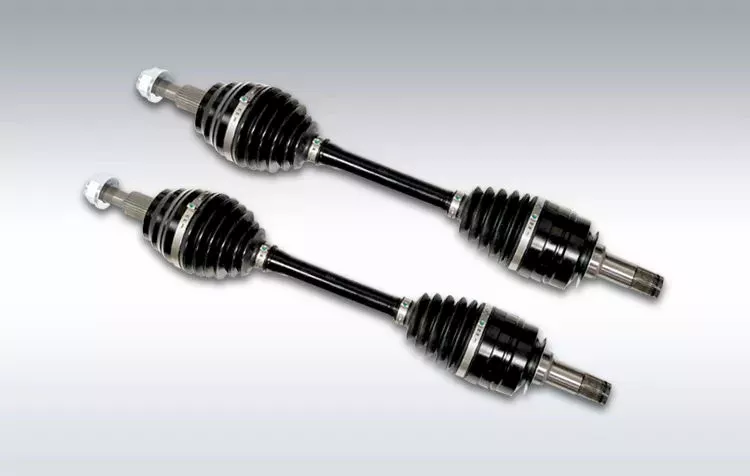
How do PTO shafts handle variations in length and connection methods?
PTO (Power Take-Off) shafts are designed to handle variations in length and connection methods to accommodate different equipment setups and ensure efficient power transfer. PTO shafts need to be adjustable in length to bridge the distance between the power source and the driven machinery. Additionally, they must provide versatile connection methods to connect to a wide range of equipment. Here’s a detailed explanation of how PTO shafts handle variations in length and connection methods:
1. Telescoping Design: PTO shafts often feature a telescoping design, allowing them to be adjusted in length to suit different equipment configurations. The telescoping feature enables the shaft to extend or retract, accommodating varying distances between the power source (such as a tractor or engine) and the driven machinery. By adjusting the length of the PTO shaft, it can be properly aligned and connected to ensure optimal power transfer. Telescoping PTO shafts typically consist of multiple tubular sections that slide into one another, providing flexibility in length adjustment.
2. Splined Shafts: PTO shafts commonly employ splined shafts as the primary connection method between the power source and driven machinery. Splines are a series of ridges or grooves along the shaft that interlock with corresponding grooves in the mating component. The splined connection allows for torque transfer while maintaining alignment between the power source and driven machinery. Splined shafts can handle variations in length by extending or retracting the telescoping sections while still maintaining a solid connection between the power source and the driven equipment.
3. Adjustable Sliding Yokes: PTO shafts typically feature adjustable sliding yokes on one or both ends of the shaft. These yokes allow for angular adjustment, accommodating variations in the alignment between the power source and driven machinery. The sliding yokes can be moved along the splined shaft to achieve the desired angle and maintain proper alignment. This flexibility ensures that the PTO shaft can handle length variations while ensuring efficient power transfer without placing excessive strain on the universal joints or other components.
4. Universal Joints: Universal joints are integral components of PTO shafts that allow for angular misalignment between the power source and driven machinery. They consist of a cross-shaped yoke with bearings that transmit torque between connected shafts while accommodating misalignment. Universal joints provide flexibility in connecting PTO shafts to equipment that may not be perfectly aligned. As the PTO shaft length varies, the universal joints compensate for the changes in angle, allowing for smooth power transmission even when there are variations in length or misalignment between the power source and driven machinery.
5. Coupling Mechanisms: PTO shafts utilize various coupling mechanisms to securely connect to the power source and driven machinery. These mechanisms often involve a combination of splines, bolts, locking pins, or quick-release mechanisms. The coupling methods can vary depending on the specific equipment and industry requirements. The versatility of PTO shafts allows for the use of different coupling methods, ensuring a reliable and secure connection regardless of the length variation or equipment configuration.
6. Customization Options: PTO shafts can be customized to handle specific length variations and connection methods. Manufacturers offer options to select different lengths of telescoping sections to match the specific distance between the power source and driven machinery. Additionally, PTO shafts can be tailored to accommodate various connection methods through the selection of splined shaft sizes, yoke designs, and coupling mechanisms. This customization enables PTO shafts to meet the specific requirements of different equipment setups, ensuring optimal power transfer and compatibility.
7. Safety Considerations: When handling variations in length and connection methods, it is essential to consider safety. PTO shafts incorporate protective guards and shields to prevent accidental contact with rotating components. These safety measures must be appropriately adjusted and installed to provide adequate coverage and protection, regardless of the PTO shaft’s length or connection configuration. Safety guidelines and regulations should be followed to ensure the proper installation, adjustment, and use of PTO shafts in order to prevent accidents or injuries.
By incorporating telescoping designs, splined shafts, adjustable sliding yokes, universal joints, and versatile coupling mechanisms, PTO shafts can handle variations in length and connection methods. The flexibility of PTO shafts allows them to adapt to different equipment setups, ensuring efficient power transfer while maintaining alignment and safety.
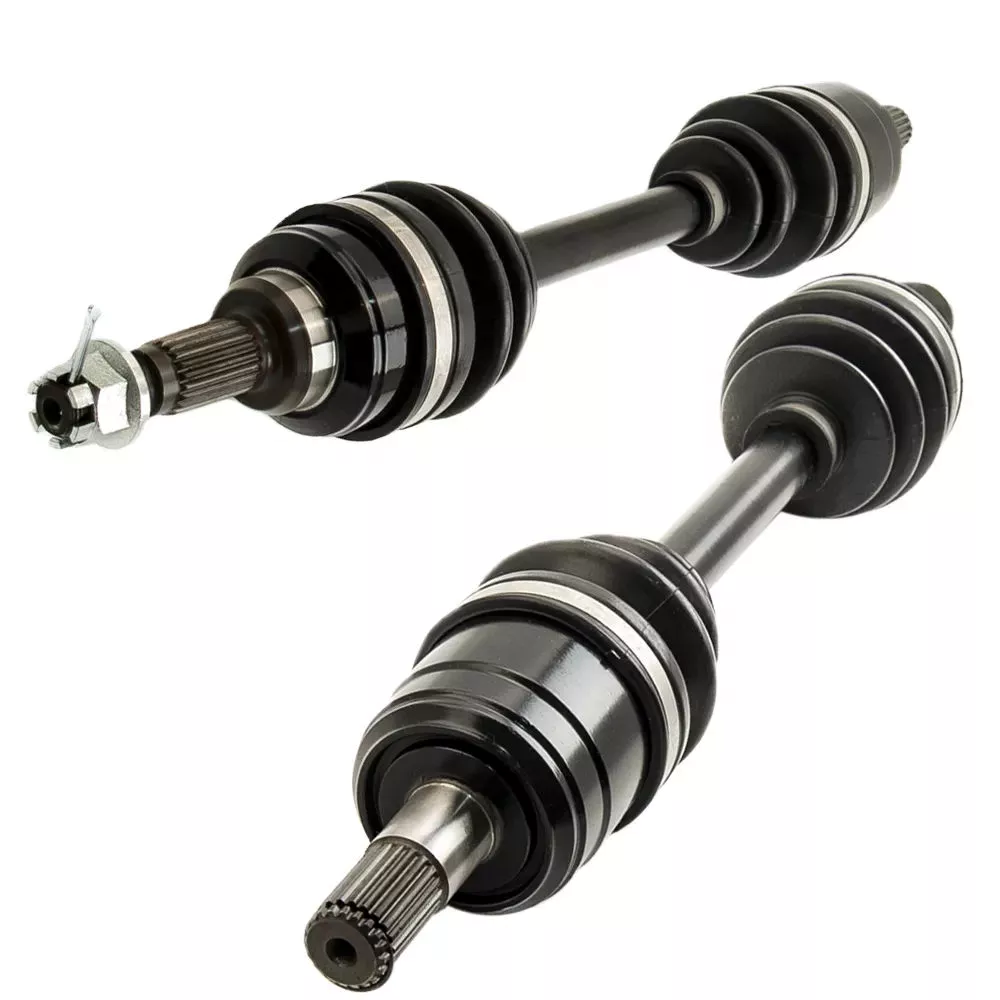
Can PTO shafts be customized for specific machinery and power requirements?
Yes, PTO (Power Take-Off) shafts can be customized to meet the specific machinery and power requirements of different applications. Manufacturers offer customization options to ensure that PTO shafts are precisely tailored to the power source, driven machinery, and the intended application. Here’s a detailed explanation of how PTO shafts can be customized:
1. Shaft Length: PTO shafts can be customized in terms of length to accommodate different equipment configurations. The length of the PTO shaft is critical to ensure proper alignment and connection between the power source and driven machinery. Manufacturers can provide PTO shafts with adjustable or fixed-length options, allowing for flexibility in meeting specific length requirements. Customizing the shaft length ensures that the PTO shaft fits the equipment properly, optimizing power transfer efficiency and reducing the risk of misalignment or excessive stress.
2. Spline Sizes: PTO shafts are available with different spline sizes to match the input and output shafts of various equipment. Spline size customization allows the PTO shaft to seamlessly connect to the power source and driven machinery. Manufacturers can offer different spline configurations, such as 1-3/8 inch, 1-3/4 inch, or metric sizes, to accommodate specific machinery requirements. Customizing the spline size ensures a proper fit and secure connection, enabling efficient power transfer without the need for additional adapters or modifications.
3. Yoke Designs: PTO shafts can be customized with different yoke designs to match the connection points on the power source and driven machinery. The yoke is the component that attaches to the shaft and connects to the equipment. Manufacturers can provide various yoke designs, such as round, triangular, or splined yokes, to ensure compatibility with specific machinery. Customizing the yoke design allows for a secure and reliable connection, aligning the PTO shaft with the equipment’s input/output shafts and optimizing power transmission efficiency.
4. Torque Ratings: PTO shafts can be customized to handle specific torque requirements based on the power demands of the application. Torque is the rotational force that the PTO shaft needs to transmit from the power source to the driven machinery. Manufacturers can design PTO shafts with different torque ratings by using appropriate materials, dimensions, and reinforcement techniques. Customizing the torque rating ensures that the PTO shaft can safely and reliably handle the required power levels without premature wear or failure.
5. Coupling Mechanisms: PTO shafts can be customized with different coupling mechanisms to match the connection requirements of specific equipment. Coupling mechanisms are the means by which the PTO shaft connects and disconnects from the power source and driven machinery. Manufacturers can provide various coupling options, such as quick-release couplings, shear pin couplings, or mechanical lock couplings, to accommodate different machinery designs and operational needs. Customizing the coupling mechanism ensures ease of use, secure attachment, and quick disengagement when necessary.
6. Protective Features: PTO shafts can be customized with additional protective features to enhance safety and durability. These features may include guard shields, safety covers, or slip clutches. Guard shields and safety covers provide physical protection by enclosing the rotating shaft and preventing accidental contact, reducing the risk of injuries. Slip clutches offer overload protection by allowing the PTO shaft to slip or disengage when excessive torque or resistance is encountered, preventing damage to the shaft and associated equipment. Customizing the protective features ensures compliance with safety regulations and addresses specific safety requirements of the machinery or application.
7. Material Selection: PTO shafts can be customized with different materials based on the application’s demands. Manufacturers can offer a range of material options, such as steel, aluminum, or composite materials, with varying strength, weight, and corrosion resistance properties. Customizing the material selection allows for optimizing the PTO shaft’s performance, considering factors like operating conditions, environmental exposure, and weight restrictions.
By providing customization options such as shaft length, spline sizes, yoke designs, torque ratings, coupling mechanisms, protective features, and material selection, manufacturers can ensure that PTO shafts are specifically tailored to meet the machinery and power requirements of different applications. Customized PTO shafts facilitate seamless integration, efficient power transfer, and reliable operation, enhancing the overall performance and productivity of the equipment.

Puoi spiegare i diversi tipi di alberi cardanici e le loro applicazioni?
Gli alberi cardanici (alberi cardanici) sono disponibili in diverse tipologie, ciascuna progettata per applicazioni e requisiti specifici. Le diverse tipologie di alberi cardanici offrono versatilità e compatibilità con un'ampia gamma di macchinari e attrezzi. Ecco una spiegazione dei tipi più comuni di alberi cardanici e delle loro applicazioni:
1. Albero cardanico standard: L'albero cardanico standard, noto anche come albero scanalato, è il tipo più comune utilizzato nelle macchine agricole e industriali. È costituito da un albero in acciaio pieno con scanalature o scanalature lungo tutta la sua lunghezza. L'albero cardanico standard ha in genere sei scanalature, sebbene esistano varianti con quattro o otto scanalature. Questo tipo di albero cardanico è ampiamente utilizzato nei trattori e in vari attrezzi, tra cui tosaerba, imballatrici, motocoltivatori e decespugliatori rotanti. Le scanalature forniscono un collegamento sicuro tra la fonte di potenza e la macchina azionata, garantendo un trasferimento di potenza efficiente.
2. Albero cardanico con bullone di taglio: Gli alberi cardanici con bullone di trancio sono progettati con un dispositivo di sicurezza che consente all'albero di separarsi in caso di sovraccarico o urto improvviso, per proteggere i componenti della trasmissione. Questi alberi cardanici incorporano un meccanismo a bullone di trancio che collega la presa di forza del trattore alla macchina condotta. In caso di carico eccessivo o resistenza improvvisa, il bullone di trancio è progettato per rompersi, scollegando l'albero cardanico e prevenendo danni alla trasmissione. Gli alberi cardanici con bullone di trancio sono comunemente utilizzati in attrezzature che possono incontrare ostacoli improvvisi o situazioni di forte stress, come cippatrici, fresatrici per ceppi e trinciatrici rotanti per impieghi gravosi.
3. Albero cardanico con frizione a frizione: Gli alberi cardanici con frizione a frizione sono dotati di un meccanismo di frizione che consente un innesto e un disinnesto fluidi del trasferimento di potenza. Questi alberi cardanici incorporano in genere un disco di frizione e una piastra di pressione, simili a quelli dei tradizionali sistemi di frizione per veicoli. La frizione a frizione consente agli operatori di innestare o disinnestare gradualmente il trasferimento di potenza, riducendo i carichi d'urto e minimizzando l'usura dei componenti della trasmissione. Gli alberi cardanici con frizione a frizione sono comunemente utilizzati in applicazioni in cui è richiesto un controllo preciso dell'innesto della potenza, come nelle pompe idrauliche, nei generatori e nei miscelatori industriali.
4. Albero cardanico a velocità costante (CV): Gli alberi cardanici a velocità costante (CV), noti anche come alberi omocinetici, sono progettati per compensare angoli di disallineamento elevati senza compromettere la trasmissione di potenza. Utilizzano un meccanismo a giunto cardanico che consente un trasferimento di potenza fluido anche quando la macchina azionata si trova in una posizione angolata rispetto alla fonte di potenza. Gli alberi cardanici a velocità costante (CV) sono spesso utilizzati in applicazioni in cui la macchina richiede un'ampia gamma di movimento o articolazione, come ad esempio nelle pale caricatrici articolate, nei sollevatori telescopici e nelle irroratrici semoventi.
5. Albero cardanico telescopico: Gli alberi cardanici telescopici sono regolabili in lunghezza, consentendo flessibilità nella configurazione delle attrezzature e nella variazione delle distanze tra la fonte di potenza e la macchina azionata. Sono costituiti da due o più alberi concentrici che scorrono l'uno nell'altro, consentendo di estendere o ritrarre l'albero cardanico secondo necessità. Gli alberi cardanici telescopici sono comunemente utilizzati in applicazioni in cui la distanza tra la presa di forza del trattore e l'attrezzo varia, come negli attrezzi montati anteriormente, negli spazzaneve e nei carri autocaricanti. Il design telescopico consente un facile adattamento a diverse configurazioni delle attrezzature e riduce al minimo il rischio di trascinamento dell'albero cardanico sul terreno.
6. Albero cardanico del cambio: Gli alberi cardanici con cambio sono progettati per adattare la trasmissione di potenza tra diverse velocità o direzioni di rotazione. Incorporano un meccanismo di cambio che consente di ridurre o aumentare la velocità, nonché di cambiare il senso di rotazione. Gli alberi cardanici con cambio sono comunemente utilizzati in applicazioni in cui la macchina azionata richiede una velocità o un senso di rotazione diverso rispetto alla presa di forza del trattore. Alcuni esempi includono coclee per cereali, miscelatori per mangimi e attrezzature industriali che richiedono rapporti di velocità specifici o capacità di inversione.
È importante notare che la disponibilità e le applicazioni specifiche dei diversi tipi di alberi cardanici possono variare in base a fattori regionali e settoriali. Inoltre, alcuni macchinari o attrezzi potrebbero richiedere alberi cardanici specializzati o personalizzati per soddisfare requisiti specifici.
In sintesi, le diverse tipologie di alberi cardanici, come quelli standard, a bullone di taglio, a frizione, a velocità costante (CV), telescopici e a cambio, offrono versatilità e compatibilità con diversi macchinari e attrezzi. Ogni tipologia di albero cardanico è progettata per soddisfare esigenze specifiche, come efficienza di trasferimento di potenza, sicurezza, innesto fluido, tolleranza al disallineamento, adattabilità e regolazione di velocità/direzione. Conoscere le diverse tipologie di alberi cardanici e le loro applicazioni è fondamentale per scegliere l'albero più adatto al macchinario desiderato e garantire prestazioni e affidabilità ottimali.

editor by CX 2023-09-28























