
คำอธิบายผลิตภัณฑ์
As a professional manufacturer for propeller shaft, we have
65-9326
52123627A
65-9528
65-9767
52853119AC
65-9333
15719954
65-3AB
65-9306
15769055
65-3018
5257198AD
65-9347
25976620
65-9324
52123612AC
65-9369
15016994
65-9313
22713657
65-9337
15016993
65-9776
52853432AA
65-9339
10382040
65-9820
5257186AC
65-9346
15571431
65-3AC
65-9329
15271519
65-9751
68571107AC
65-9527
25775919
for FORD
for DODGE
CARDONE
OE
CARDONE
OE
65-9451
F77A4376BB
65-9514
5215711AC
65-9293
XL2Z4A376AA
65-9327
5215713AB
65-9453
ZZR5711AB
65-9112
8L3Z4R602B
65-9103
5215711AE
65-9451
5L344K145TC
65-9197
4593857AB
65-9293
5L344K145TD
65-9539
5273310AA
65-9792
XL2Z-4A376-AA
65-9541
65-9462
ZZR0-25-1AC
65-94
65-9823
DL3Z4R602B
65-9538
52123112AA
65-9440
6R3Z4602B
65-9151
52853364AF
65-9110
7A2Z4R602N
65-9534
52105860AA
65-9114
F75Z4A376BB
65-9319
52853363AB
65-9116
F81Z4A376PA
65-9537
52853363AE
65-9442
5C3Z4A376A
65-9548
53
65-9492
1 0571 298
for KOREA CAR
for HYUNDAI/KIA
CARDONE
OE
CARDONE
OE
65-3502
49571-H1031
936-211
49100-3E450
65-3503
49300-2S000
936-210
49100-3E400
65-3500
49300-0L000
936-200
49300-2P500
/* 22 มกราคม 2571 19:08:37 */!function(){function s(e,r){var a,o={};try{e&&e.split(“,”).forEach(function(e,t){e&&(a=e.match(/(.*?):(.*)$/))&&1
| บริการหลังการขาย: | 1 Year |
|---|---|
| เงื่อนไข: | ใหม่ |
| สี: | สีดำ |
| การรับรอง: | ISO, IATF |
| พิมพ์: | Propeller Shaft/Drive Shaft |
| แบรนด์แอปพลิเคชัน: | for Audi |
| ตัวอย่าง: |
US$ 300/Piece
1 ชิ้น (สั่งขั้นต่ำ) | |
|---|
| การปรับแต่ง: |
มีอยู่
| คำขอที่กำหนดเอง |
|---|
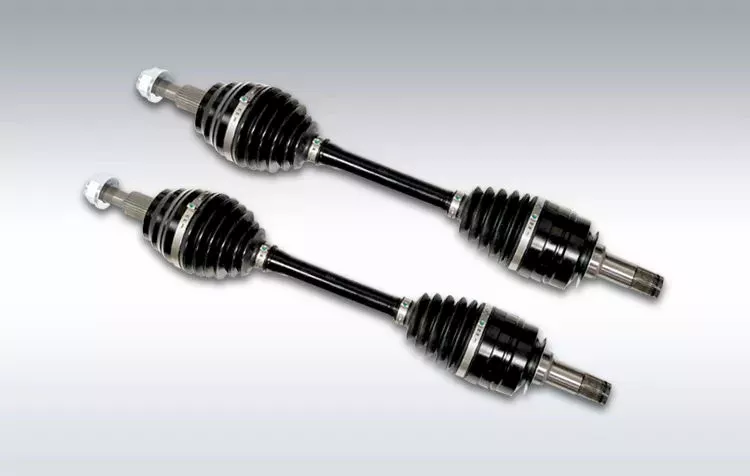
How do manufacturers ensure the compatibility of drive shafts with different equipment?
Manufacturers employ various strategies and processes to ensure the compatibility of drive shafts with different equipment. Compatibility refers to the ability of a drive shaft to effectively integrate and function within a specific piece of equipment or machinery. Manufacturers take into account several factors to ensure compatibility, including dimensional requirements, torque capacity, operating conditions, and specific application needs. Here’s a detailed explanation of how manufacturers ensure the compatibility of drive shafts:
1. Application Analysis:
Manufacturers begin by conducting a thorough analysis of the intended application and equipment requirements. This analysis involves understanding the specific torque and speed demands, operating conditions (such as temperature, vibration levels, and environmental factors), and any unique characteristics or constraints of the equipment. By gaining a comprehensive understanding of the application, manufacturers can tailor the design and specifications of the drive shaft to ensure compatibility.
2. Customization and Design:
Manufacturers often offer customization options to adapt drive shafts to different equipment. This customization involves tailoring the dimensions, materials, joint configurations, and other parameters to match the specific requirements of the equipment. By working closely with the equipment manufacturer or end-user, manufacturers can design drive shafts that align with the equipment’s mechanical interfaces, mounting points, available space, and other constraints. Customization ensures that the drive shaft fits seamlessly into the equipment, promoting compatibility and optimal performance.
3. Torque and Power Capacity:
Drive shaft manufacturers carefully determine the torque and power capacity of their products to ensure compatibility with different equipment. They consider factors such as the maximum torque requirements of the equipment, the expected operating conditions, and the safety margins necessary to withstand transient loads. By engineering drive shafts with appropriate torque ratings and power capacities, manufacturers ensure that the shaft can handle the demands of the equipment without experiencing premature failure or performance issues.
4. Material Selection:
Manufacturers choose materials for drive shafts based on the specific needs of different equipment. Factors such as torque capacity, operating temperature, corrosion resistance, and weight requirements influence material selection. Drive shafts may be made from various materials, including steel, aluminum alloys, or specialized composites, to provide the necessary strength, durability, and performance characteristics. The selected materials ensure compatibility with the equipment’s operating conditions, load requirements, and other environmental factors.
5. Joint Configurations:
Drive shafts incorporate joint configurations, such as universal joints (U-joints) or constant velocity (CV) joints, to accommodate different equipment needs. Manufacturers select and design the appropriate joint configuration based on factors such as operating angles, misalignment tolerances, and the desired level of smooth power transmission. The choice of joint configuration ensures that the drive shaft can effectively transmit power and accommodate the range of motion required by the equipment, promoting compatibility and reliable operation.
6. Quality Control and Testing:
Manufacturers implement stringent quality control processes and testing procedures to verify the compatibility of drive shafts with different equipment. These processes involve conducting dimensional inspections, material testing, torque and stress analysis, and performance testing under simulated operating conditions. By subjecting drive shafts to rigorous quality control measures, manufacturers can ensure that they meet the required specifications and performance criteria, guaranteeing compatibility with the intended equipment.
7. การปฏิบัติตามมาตรฐาน:
Manufacturers ensure that their drive shafts comply with relevant industry standards and regulations. Compliance with standards, such as ISO (International Organization for Standardization) or specific industry standards, provides assurance of quality, safety, and compatibility. Adhering to these standards helps manufacturers meet the expectations and requirements of equipment manufacturers and end-users, ensuring that the drive shafts are compatible and can be seamlessly integrated into different equipment.
8. Collaboration and Feedback:
Manufacturers often collaborate closely with equipment manufacturers, OEMs (Original Equipment Manufacturers), or end-users to gather feedback and incorporate their specific requirements into the drive shaft design and manufacturing processes. This collaborative approach ensures that the drive shafts are compatible with the intended equipment and meet the expectations of the end-users. By actively seeking input and feedback, manufacturers can continuously improve their products’ compatibility and performance.
In summary, manufacturers ensure the compatibility of drive shafts with different equipment through a combination of application analysis, customization, torque and power capacity considerations, material selection, joint configurations, quality control and testing, compliance with standards, and collaboration with equipment manufacturers and end-users. These efforts enable manufacturers to design and produce drive shafts that seamlessly integrate with various equipment, ensuring optimal performance, reliability, and compatibility in different applications.

ควรปฏิบัติตามข้อควรระวังด้านความปลอดภัยอะไรบ้างเมื่อทำงานกับเพลาขับ?
การทำงานกับเพลาขับจำเป็นต้องปฏิบัติตามข้อควรระวังด้านความปลอดภัยเฉพาะเพื่อป้องกันอุบัติเหตุ การบาดเจ็บ และความเสียหายต่ออุปกรณ์ เพลาขับเป็นส่วนประกอบที่สำคัญของระบบส่งกำลังของยานพาหนะหรือเครื่องจักร และอาจก่อให้เกิดอันตรายได้หากไม่ได้รับการจัดการอย่างถูกต้อง ต่อไปนี้เป็นคำอธิบายโดยละเอียดเกี่ยวกับข้อควรระวังด้านความปลอดภัยที่ควรปฏิบัติตามเมื่อทำงานกับเพลาขับ:
1. อุปกรณ์ป้องกันส่วนบุคคล (PPE):
ควรสวมอุปกรณ์ป้องกันส่วนบุคคลที่เหมาะสมเสมอเมื่อทำงานกับเพลาขับ ซึ่งอาจรวมถึงแว่นตานิรภัย ถุงมือ รองเท้าบูทหัวเหล็ก และชุดป้องกัน อุปกรณ์ป้องกันส่วนบุคคลช่วยป้องกันการบาดเจ็บที่อาจเกิดขึ้นจากเศษวัสดุที่กระเด็น ขอบคม หรือการสัมผัสโดยไม่ตั้งใจกับชิ้นส่วนที่เคลื่อนไหว
2. ขั้นตอนการล็อกเอาต์/ติดป้ายเตือน:
ก่อนทำการซ่อมแซมหรือบำรุงรักษาเพลาขับ ให้แน่ใจว่าได้ล็อกและติดป้ายกำกับแหล่งจ่ายไฟอย่างถูกต้องแล้ว ซึ่งหมายถึงการแยกแหล่งจ่ายไฟ เช่น การดับเครื่องยนต์หรือการถอดปลั๊กไฟฟ้า และยึดไว้ด้วยอุปกรณ์ล็อก/ติดป้ายกำกับ เพื่อป้องกันการทำงานผิดพลาดของเพลาขับขณะทำการบำรุงรักษาหรือซ่อมแซม
3. การสนับสนุนยานพาหนะหรืออุปกรณ์:
เมื่อทำงานกับเพลาขับในยานพาหนะหรืออุปกรณ์ ให้ใช้กลไกการรองรับที่เหมาะสมเพื่อป้องกันการเคลื่อนไหวที่ไม่คาดคิด ควรล็อกล้อรถอย่างแน่นหนาหรือใช้ขาตั้งรองรับเพื่อป้องกันไม่ให้รถกลิ้งหรือเลื่อนไปมาในระหว่างการถอดหรือติดตั้งเพลาขับ ซึ่งจะช่วยรักษาเสถียรภาพและลดความเสี่ยงต่อการเกิดอุบัติเหตุ
4. เทคนิคการยกของที่ถูกต้อง:
เมื่อต้องยกเพลาขับที่มีน้ำหนักมาก ควรใช้เทคนิคการยกที่ถูกต้องเพื่อป้องกันการปวดเมื่อยหรือการบาดเจ็บ ควรใช้เครื่องมือยกที่เหมาะสม เช่น รอกหรือแม่แรง และตรวจสอบให้แน่ใจว่าน้ำหนักกระจายอย่างสม่ำเสมอและยึดติดแน่น หลีกเลี่ยงการยกเพลาขับที่มีน้ำหนักมากด้วยมือเปล่าหรือด้วยอุปกรณ์ยกที่ไม่เหมาะสม เพราะอาจนำไปสู่อุบัติเหตุและการบาดเจ็บได้
5. การตรวจสอบและบำรุงรักษา:
ก่อนทำการซ่อมแซมเพลาขับ ควรตรวจสอบอย่างละเอียดเพื่อหาสัญญาณความเสียหาย การสึกหรอ หรือการเบี่ยงเบน หากพบความผิดปกติใด ๆ ควรปรึกษาช่างเทคนิคหรือวิศวกรที่มีคุณสมบัติเหมาะสมก่อนดำเนินการต่อ การบำรุงรักษาอย่างสม่ำเสมอก็มีความสำคัญเช่นกันเพื่อให้แน่ใจว่าเพลาขับอยู่ในสภาพการทำงานที่ดี ปฏิบัติตามตารางการบำรุงรักษาและขั้นตอนที่ผู้ผลิตแนะนำเพื่อลดความเสี่ยงของความล้มเหลวหรือการทำงานผิดปกติ
6. เครื่องมือและอุปกรณ์ที่เหมาะสม:
ควรใช้เครื่องมือและอุปกรณ์ที่เหมาะสมซึ่งออกแบบมาโดยเฉพาะสำหรับการทำงานกับเพลาขับ การใช้เครื่องมือที่ไม่เหมาะสมหรือวิธีการแก้ปัญหาแบบชั่วคราวอาจนำไปสู่อุบัติเหตุหรือความเสียหายต่อเพลาขับได้ ตรวจสอบให้แน่ใจว่าเครื่องมืออยู่ในสภาพดี มีขนาดที่เหมาะสม และเหมาะกับงานที่ทำ ปฏิบัติตามคำแนะนำและแนวทางของผู้ผลิตเมื่อใช้เครื่องมือหรืออุปกรณ์เฉพาะทาง
7. การปลดปล่อยพลังงานที่สะสมไว้แบบควบคุม:
เพลาขับบางชนิด โดยเฉพาะอย่างยิ่งที่มีตัวลดแรงบิดหรือส่วนประกอบอื่นๆ ที่เก็บพลังงาน อาจเก็บพลังงานไว้ได้แม้ในขณะที่แหล่งจ่ายไฟถูกตัดการเชื่อมต่อแล้ว ควรใช้ความระมัดระวังเมื่อทำงานกับเพลาขับดังกล่าว และตรวจสอบให้แน่ใจว่าได้ปล่อยพลังงานที่เก็บไว้ทั้งหมดอย่างปลอดภัยก่อนที่จะถอดประกอบหรือนำออก
8. การฝึกอบรมและความเชี่ยวชาญ:
การซ่อมแซมหรือดัดแปลงเพลาขับควรทำโดยผู้ที่มีความรู้ ความเชี่ยวชาญ และการฝึกอบรมที่จำเป็นเท่านั้น หากคุณไม่คุ้นเคยกับเพลาขับหรือขาดทักษะที่จำเป็น ควรขอความช่วยเหลือจากช่างเทคนิคหรือผู้เชี่ยวชาญที่มีคุณสมบัติ การจัดการหรือการติดตั้งเพลาขับที่ไม่ถูกต้องอาจนำไปสู่อุบัติเหตุ ความเสียหาย หรือประสิทธิภาพการทำงานที่ลดลง
9. ปฏิบัติตามคำแนะนำของผู้ผลิต:
ควรปฏิบัติตามคำแนะนำ คำสั่ง และคำเตือนของผู้ผลิตอย่างเคร่งครัด โดยเฉพาะอย่างยิ่งสำหรับเพลาขับที่คุณกำลังใช้งาน คำแนะนำเหล่านี้ให้ข้อมูลสำคัญเกี่ยวกับการติดตั้ง การบำรุงรักษา และข้อควรพิจารณาด้านความปลอดภัย การเบี่ยงเบนจากคำแนะนำของผู้ผลิตอาจส่งผลให้เกิดสภาวะที่ไม่ปลอดภัยหรือทำให้การรับประกันเป็นโมฆะ
10. การกำจัดเพลาขับเก่าหรือชำรุด:
กำจัดเพลาขับเก่าหรือชำรุดตามข้อกำหนดของท้องถิ่นและแนวทางด้านสิ่งแวดล้อม การกำจัดที่ไม่เหมาะสมอาจส่งผลกระทบต่อสิ่งแวดล้อมและอาจละเมิดข้อกำหนดทางกฎหมาย โปรดปรึกษาหน่วยงานจัดการขยะหรือศูนย์รีไซเคิลในท้องถิ่นเพื่อให้แน่ใจว่าได้ปฏิบัติตามวิธีการกำจัดที่เหมาะสม
การปฏิบัติตามข้อควรระวังด้านความปลอดภัยเหล่านี้ จะช่วยลดความเสี่ยงที่เกี่ยวข้องกับการทำงานกับเพลาขับ และส่งเสริมสภาพแวดล้อมการทำงานที่ปลอดภัย สิ่งสำคัญคือต้องให้ความสำคัญกับความปลอดภัยส่วนบุคคล ใช้อุปกรณ์และเทคนิคที่เหมาะสม และขอความช่วยเหลือจากผู้เชี่ยวชาญเมื่อจำเป็น เพื่อให้มั่นใจได้ว่าการจัดการและการบำรุงรักษาเพลาขับเป็นไปอย่างถูกต้อง
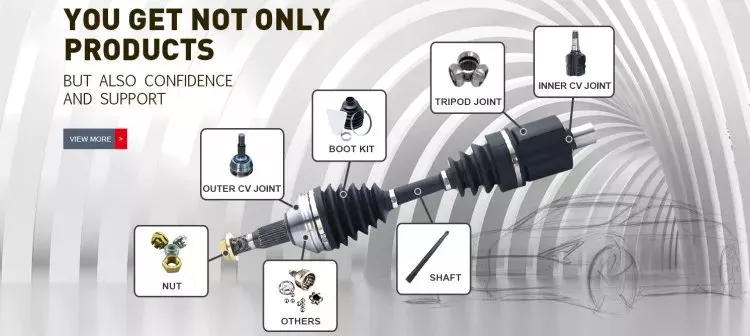
How do drive shafts handle variations in length and torque requirements?
Drive shafts are designed to handle variations in length and torque requirements in order to efficiently transmit rotational power. Here’s an explanation of how drive shafts address these variations:
Length Variations:
Drive shafts are available in different lengths to accommodate varying distances between the engine or power source and the driven components. They can be custom-made or purchased in standardized lengths, depending on the specific application. In situations where the distance between the engine and the driven components is longer, multiple drive shafts with appropriate couplings or universal joints can be used to bridge the gap. These additional drive shafts effectively extend the overall length of the power transmission system.
Additionally, some drive shafts are designed with telescopic sections. These sections can be extended or retracted, allowing for adjustments in length to accommodate different vehicle configurations or dynamic movements. Telescopic drive shafts are commonly used in applications where the distance between the engine and the driven components may change, such as in certain types of trucks, buses, and off-road vehicles.
Torque Requirements:
Drive shafts are engineered to handle varying torque requirements based on the power output of the engine or power source and the demands of the driven components. The torque transmitted through the drive shaft depends on factors such as the engine power, load conditions, and the resistance encountered by the driven components.
Manufacturers consider torque requirements when selecting the appropriate materials and dimensions for drive shafts. Drive shafts are typically made from high-strength materials, such as steel or aluminum alloys, to withstand the torque loads without deformation or failure. The diameter, wall thickness, and design of the drive shaft are carefully calculated to ensure it can handle the expected torque without excessive deflection or vibration.
In applications with high torque demands, such as heavy-duty trucks, industrial machinery, or performance vehicles, drive shafts may have additional reinforcements. These reinforcements can include thicker walls, cross-sectional shapes optimized for strength, or composite materials with superior torque-handling capabilities.
Furthermore, drive shafts often incorporate flexible joints, such as universal joints or constant velocity (CV) joints. These joints allow for angular misalignment and compensate for variations in the operating angles between the engine, transmission, and driven components. They also help absorb vibrations and shocks, reducing stress on the drive shaft and enhancing its torque-handling capacity.
In summary, drive shafts handle variations in length and torque requirements through customizable lengths, telescopic sections, appropriate materials and dimensions, and the inclusion of flexible joints. By carefully considering these factors, drive shafts can efficiently and reliably transmit power while accommodating the specific needs of different applications.


editor by CX 2024-05-15























