
Penerangan Produk
Sebagai seorang profesional pengilang untuk aci kipas, kita ada
65-9326
52123627A
65-9528
65-9767
52853119AC
65-9333
15719954
65-3AB
65-9306
15769055
65-3018
5257198AD
65-9347
25976620
65-9324
52123612AC
65-9369
15016994
65-9313
22713657
65-9337
15016993
65-9776
52853432AA
65-9339
10382040
65-9820
5257186AC
65-9346
15571431
65-3AC
65-9329
15271519
65-9751
68571107AC
65-9527
25775919
for FORD
for DODGE
CARDONE
OE
CARDONE
OE
65-9451
F77A4376BB
65-9514
5215711AC
65-9293
XL2Z4A376AA
65-9327
5215713AB
65-9453
ZZR5711AB
65-9112
8L3Z4R602B
65-9103
5215711AE
65-9451
5L344K145TC
65-9197
4593857AB
65-9293
5L344K145TD
65-9539
5273310AA
65-9792
XL2Z-4A376-AA
65-9541
65-9462
ZZR0-25-1AC
65-94
65-9823
DL3Z4R602B
65-9538
52123112AA
65-9440
6R3Z4602B
65-9151
52853364AF
65-9110
7A2Z4R602N
65-9534
52105860AA
65-9114
F75Z4A376BB
65-9319
52853363AB
65-9116
F81Z4A376PA
65-9537
52853363AE
65-9442
5C3Z4A376A
65-9548
53
65-9492
1 0571 298
for KOREA CAR
for HYUNDAI/KIA
CARDONE
OE
CARDONE
OE
65-3502
49571-H1031
936-211
49100-3E450
65-3503
49300-2S000
936-210
49100-3E400
65-3500
49300-0L000
936-200
49300-2P500
/* 22 Januari 2571 19:08:37 */!function(){function s(e,r){var a,o={};try{e&&e.split(“,”).forEach(function(e,t){e&&(a=e.match(/(.*?):(.*)$/)&
| Perkhidmatan selepas jualan: | 1 Tahun |
|---|---|
| Keadaan: | Baru |
| Warna: | Hitam |
| Pensijilan: | ISO, IATF |
| Jenis: | Propeller Shaft/Drive Shaft |
| Jenama Aplikasi: | for Audi |
| Sampel: |
US$ 300/Piece
1 Keping (Pesanan Minimum) | |
|---|
| Penyesuaian: |
Tersedia
| Permintaan Tersuai |
|---|
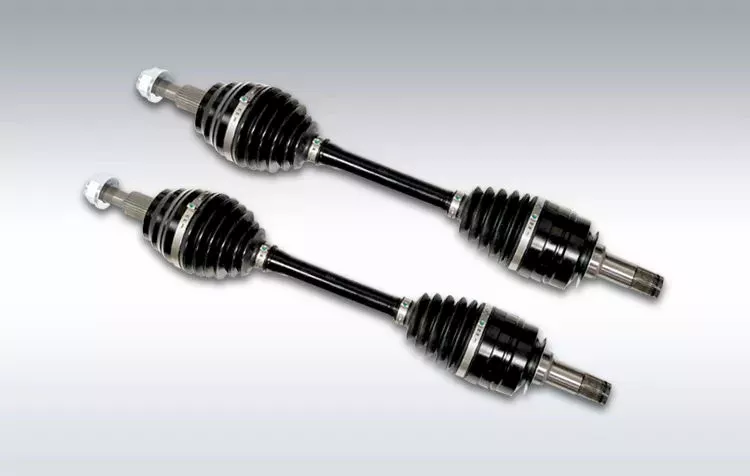
Bagaimanakah pengeluar memastikan keserasian aci pemacu dengan peralatan yang berbeza?
Pengilang menggunakan pelbagai strategi dan proses untuk memastikan keserasian aci pemacu dengan peralatan yang berbeza. Keserasian merujuk kepada keupayaan aci pemacu untuk berintegrasi dan berfungsi secara berkesan dalam peralatan atau jentera tertentu. Pengilang mengambil kira beberapa faktor untuk memastikan keserasian, termasuk keperluan dimensi, kapasiti tork, keadaan operasi dan keperluan aplikasi khusus. Berikut ialah penjelasan terperinci tentang bagaimana pengeluar memastikan keserasian aci pemacu:
1. Analisis Aplikasi:
Pengilang bermula dengan menjalankan analisis menyeluruh terhadap aplikasi dan keperluan peralatan yang dimaksudkan. Analisis ini melibatkan pemahaman tentang permintaan tork dan kelajuan khusus, keadaan operasi (seperti suhu, tahap getaran dan faktor persekitaran) dan sebarang ciri atau kekangan unik peralatan. Dengan memperoleh pemahaman yang komprehensif tentang aplikasi tersebut, pengeluar boleh menyesuaikan reka bentuk dan spesifikasi aci pemacu untuk memastikan keserasian.
2. Penyesuaian dan Reka Bentuk:
Pengilang sering menawarkan pilihan penyesuaian untuk menyesuaikan aci pemacu dengan peralatan yang berbeza. Penyesuaian ini melibatkan penyesuaian dimensi, bahan, konfigurasi sambungan dan parameter lain agar sesuai dengan keperluan khusus peralatan. Dengan bekerjasama rapat dengan pengilang peralatan atau pengguna akhir, pengeluar boleh mereka bentuk aci pemacu yang sejajar dengan antara muka mekanikal peralatan, titik pemasangan, ruang yang tersedia dan kekangan lain. Penyesuaian memastikan aci pemacu muat dengan lancar ke dalam peralatan, menggalakkan keserasian dan prestasi optimum.
3. Kapasiti Tork dan Kuasa:
Pengilang aci pemacu menentukan tork dan kapasiti kuasa produk mereka dengan teliti bagi memastikan keserasian dengan peralatan yang berbeza. Mereka mempertimbangkan faktor-faktor seperti keperluan tork maksimum peralatan, keadaan operasi yang dijangkakan dan margin keselamatan yang diperlukan untuk menahan beban sementara. Dengan merekayasa aci pemacu dengan penarafan tork dan kapasiti kuasa yang sesuai, pengeluar memastikan bahawa aci boleh mengendalikan permintaan peralatan tanpa mengalami kegagalan pramatang atau masalah prestasi.
4. Pemilihan Bahan:
Pengilang memilih bahan untuk aci pacu berdasarkan keperluan khusus peralatan yang berbeza. Faktor seperti kapasiti tork, suhu operasi, rintangan kakisan dan keperluan berat mempengaruhi pemilihan bahan. Aci pacu boleh dibuat daripada pelbagai bahan, termasuk keluli, aloi aluminium atau komposit khusus untuk memberikan kekuatan, ketahanan dan ciri prestasi yang diperlukan. Bahan yang dipilih memastikan keserasian dengan keadaan operasi peralatan, keperluan beban dan faktor persekitaran yang lain.
5. Konfigurasi Sambungan:
Aci pemacu menggabungkan konfigurasi sambungan, seperti sambungan universal (sambungan-U) atau sambungan halaju malar (CV), untuk menampung keperluan peralatan yang berbeza. Pengilang memilih dan mereka bentuk konfigurasi sambungan yang sesuai berdasarkan faktor seperti sudut operasi, toleransi salah jajaran dan tahap penghantaran kuasa yang lancar yang diingini. Pilihan konfigurasi sambungan memastikan bahawa aci pemacu boleh menghantar kuasa dengan berkesan dan menampung julat gerakan yang diperlukan oleh peralatan, sekali gus menggalakkan keserasian dan operasi yang boleh dipercayai.
6. Kawalan dan Pengujian Kualiti:
Pengilang melaksanakan proses kawalan kualiti dan prosedur ujian yang ketat untuk mengesahkan keserasian aci pacu dengan peralatan yang berbeza. Proses ini melibatkan pemeriksaan dimensi, ujian bahan, analisis tork dan tekanan, dan ujian prestasi di bawah keadaan operasi simulasi. Dengan mengenakan langkah kawalan kualiti yang ketat pada aci pacu, pengeluar dapat memastikan bahawa ia memenuhi spesifikasi dan kriteria prestasi yang diperlukan, menjamin keserasian dengan peralatan yang dimaksudkan.
7. Pematuhan dengan Piawaian:
Pengilang memastikan aci pacu mereka mematuhi piawaian dan peraturan industri yang berkaitan. Pematuhan terhadap piawaian, seperti ISO (Pertubuhan Antarabangsa untuk Standardisasi) atau piawaian industri tertentu, memberikan jaminan kualiti, keselamatan dan keserasian. Pematuhan kepada piawaian ini membantu pengeluar memenuhi jangkaan dan keperluan pengeluar peralatan dan pengguna akhir, memastikan aci pacu serasi dan boleh disepadukan dengan lancar ke dalam peralatan yang berbeza.
8. Kerjasama dan Maklum Balas:
Pengilang sering bekerjasama rapat dengan pengeluar peralatan, OEM (Pengilang Peralatan Asal), atau pengguna akhir untuk mengumpulkan maklum balas dan memasukkan keperluan khusus mereka ke dalam reka bentuk dan proses pembuatan aci pemacu. Pendekatan kolaboratif ini memastikan aci pemacu serasi dengan peralatan yang dimaksudkan dan memenuhi jangkaan pengguna akhir. Dengan secara aktif mendapatkan input dan maklum balas, pengeluar dapat terus meningkatkan keserasian dan prestasi produk mereka.
In summary, manufacturers ensure the compatibility of drive shafts with different equipment through a combination of application analysis, customization, torque and power capacity considerations, material selection, joint configurations, quality control and testing, compliance with standards, and collaboration with equipment manufacturers and end-users. These efforts enable manufacturers to design and produce drive shafts that seamlessly integrate with various equipment, ensuring optimal performance, reliability, and compatibility in different applications.

What safety precautions should be followed when working with drive shafts?
Working with drive shafts requires adherence to specific safety precautions to prevent accidents, injuries, and damage to equipment. Drive shafts are critical components of a vehicle or machinery’s driveline system and can pose hazards if not handled properly. Here’s a detailed explanation of the safety precautions that should be followed when working with drive shafts:
1. Personal Protective Equipment (PPE):
Always wear appropriate personal protective equipment when working with drive shafts. This may include safety goggles, gloves, steel-toed boots, and protective clothing. PPE helps protect against potential injuries from flying debris, sharp edges, or accidental contact with moving parts.
2. Lockout/Tagout Procedures:
Before working on a drive shaft, ensure that the power source is properly locked out and tagged out. This involves isolating the power supply, such as shutting off the engine or disconnecting the electrical power, and securing it with a lockout/tagout device. This prevents accidental engagement of the drive shaft while maintenance or repair work is being performed.
3. Vehicle or Equipment Support:
When working with drive shafts in vehicles or equipment, use proper support mechanisms to prevent unexpected movement. Securely block the vehicle’s wheels or utilize support stands to prevent the vehicle from rolling or shifting during drive shaft removal or installation. This helps maintain stability and reduces the risk of accidents.
4. Proper Lifting Techniques:
When handling heavy drive shafts, use proper lifting techniques to prevent strain or injuries. Lift with the help of a suitable lifting device, such as a hoist or jack, and ensure that the load is evenly distributed and securely attached. Avoid lifting heavy drive shafts manually or with improper lifting equipment, as this can lead to accidents and injuries.
5. Inspection and Maintenance:
Prior to working on a drive shaft, thoroughly inspect it for any signs of damage, wear, or misalignment. If any abnormalities are detected, consult a qualified technician or engineer before proceeding. Regular maintenance is also essential to ensure the drive shaft is in good working condition. Follow the manufacturer’s recommended maintenance schedule and procedures to minimize the risk of failures or malfunctions.
6. Proper Tools and Equipment:
Use appropriate tools and equipment specifically designed for working with drive shafts. Improper tools or makeshift solutions can lead to accidents or damage to the drive shaft. Ensure that tools are in good condition, properly sized, and suitable for the task at hand. Follow the manufacturer’s instructions and guidelines when using specialized tools or equipment.
7. Controlled Release of Stored Energy:
Some drive shafts, particularly those with torsional dampers or other energy-storing components, can store energy even when the power source is disconnected. Exercise caution when working on such drive shafts and ensure that the stored energy is safely released before disassembly or removal.
8. Training and Expertise:
Work on drive shafts should only be performed by individuals with the necessary training, knowledge, and expertise. If you are not familiar with drive shafts or lack the required skills, seek assistance from qualified technicians or professionals. Improper handling or installation of drive shafts can lead to accidents, damage, or compromised performance.
9. Follow Manufacturer’s Guidelines:
Always follow the manufacturer’s guidelines, instructions, and warnings specific to the drive shaft you are working with. These guidelines provide important information regarding installation, maintenance, and safety considerations. Deviating from the manufacturer’s recommendations may result in unsafe conditions or void warranty coverage.
10. Disposal of Old or Damaged Drive Shafts:
Dispose of old or damaged drive shafts in accordance with local regulations and environmental guidelines. Improper disposal can have negative environmental impacts and may violate legal requirements. Consult with local waste management authorities or recycling centers to ensure appropriate disposal methods are followed.
By following these safety precautions, individuals can minimize the risks associated with working with drive shafts and promote a safe working environment. It is crucial to prioritize personal safety, use proper equipment and techniques, and seek professional help when needed to ensure the proper handling and maintenance of drive shafts.

How do drive shafts handle variations in length and torque requirements?
Drive shafts are designed to handle variations in length and torque requirements in order to efficiently transmit rotational power. Here’s an explanation of how drive shafts address these variations:
Length Variations:
Drive shafts are available in different lengths to accommodate varying distances between the engine or power source and the driven components. They can be custom-made or purchased in standardized lengths, depending on the specific application. In situations where the distance between the engine and the driven components is longer, multiple drive shafts with appropriate couplings or universal joints can be used to bridge the gap. These additional drive shafts effectively extend the overall length of the power transmission system.
Additionally, some drive shafts are designed with telescopic sections. These sections can be extended or retracted, allowing for adjustments in length to accommodate different vehicle configurations or dynamic movements. Telescopic drive shafts are commonly used in applications where the distance between the engine and the driven components may change, such as in certain types of trucks, buses, and off-road vehicles.
Torque Requirements:
Drive shafts are engineered to handle varying torque requirements based on the power output of the engine or power source and the demands of the driven components. The torque transmitted through the drive shaft depends on factors such as the engine power, load conditions, and the resistance encountered by the driven components.
Manufacturers consider torque requirements when selecting the appropriate materials and dimensions for drive shafts. Drive shafts are typically made from high-strength materials, such as steel or aluminum alloys, to withstand the torque loads without deformation or failure. The diameter, wall thickness, and design of the drive shaft are carefully calculated to ensure it can handle the expected torque without excessive deflection or vibration.
In applications with high torque demands, such as heavy-duty trucks, industrial machinery, or performance vehicles, drive shafts may have additional reinforcements. These reinforcements can include thicker walls, cross-sectional shapes optimized for strength, or composite materials with superior torque-handling capabilities.
Furthermore, drive shafts often incorporate flexible joints, such as universal joints or constant velocity (CV) joints. These joints allow for angular misalignment and compensate for variations in the operating angles between the engine, transmission, and driven components. They also help absorb vibrations and shocks, reducing stress on the drive shaft and enhancing its torque-handling capacity.
In summary, drive shafts handle variations in length and torque requirements through customizable lengths, telescopic sections, appropriate materials and dimensions, and the inclusion of flexible joints. By carefully considering these factors, drive shafts can efficiently and reliably transmit power while accommodating the specific needs of different applications.


editor by CX 2024-05-15























