
Produktbeskrivelse
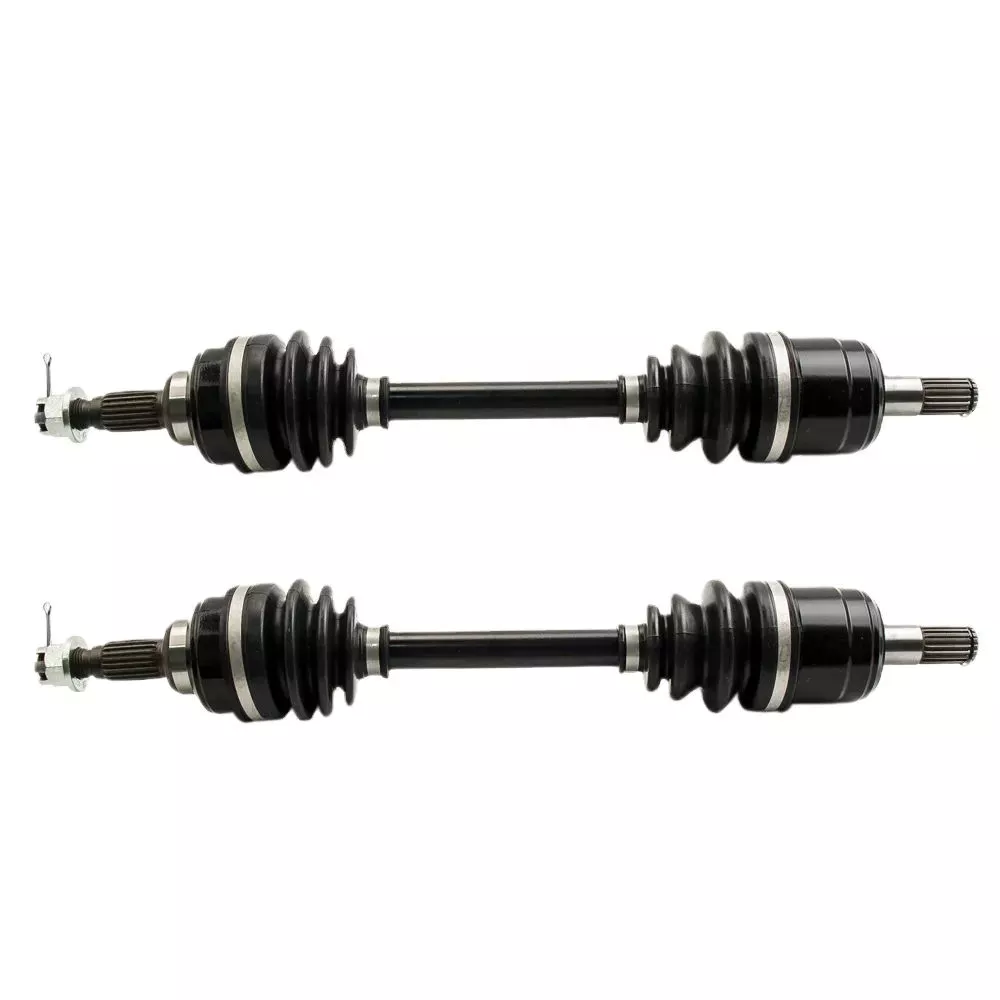
Som professionel fabrikant for propelakslen har vi
65-9326
52123627A
65-9528
65-9767
52853119AC
65-9333
15719954
65-3AB
65-9306
15769055
65-3018
5257198AD
65-9347
25976620
65-9324
52123612AC
65-9369
15016994
65-9313
22713657
65-9337
15016993
65-9776
52853432AA
65-9339
10382040
65-9820
5257186AC
65-9346
15571431
65-3AC
65-9329
15271519
65-9751
68571107AC
65-9527
25775919
for FORD
for DODGE
CARDONE
OE
CARDONE
OE
65-9451
F77A4376BB
65-9514
5215711AC
65-9293
XL2Z4A376AA
65-9327
5215713AB
65-9453
ZZR5711AB
65-9112
8L3Z4R602B
65-9103
5215711AE
65-9451
5L344K145TC
65-9197
4593857AB
65-9293
5L344K145TD
65-9539
5273310AA
65-9792
XL2Z-4A376-AA
65-9541
65-9462
ZZR0-25-1AC
65-94
65-9823
DL3Z4R602B
65-9538
52123112AA
65-9440
6R3Z4602B
65-9151
52853364AF
65-9110
7A2Z4R602N
65-9534
52105860AA
65-9114
F75Z4A376BB
65-9319
52853363AB
65-9116
F81Z4A376PA
65-9537
52853363AE
65-9442
5C3Z4A376A
65-9548
53
65-9492
1 0571 298
til KOREA CAR
til HYUNDAI/KIA
CARDONE
OE
CARDONE
OE
65-3502
49571-H1031
936-211
49100-3E450
65-3503
49300-2S000
936-210
49100-3E400
65-3500
49300-0L000
936-200
49300-2P500
/* 22. januar 2571 19:08:37 */!function(){function s(e,r){var a,o={};try{e&&e.split(“,”).forEach(function(e,t){e&&(a=e.match(/(.*?):(.*)$/))
| Eftersalgsservice: | 1 år |
|---|---|
| Tilstand: | Ny |
| Farve: | Sort |
| Certificering: | ISO, IATF |
| Type: | Propelaksel/Drivaksel |
| Applikationsmærke: | for Audi |
| Prøver: |
US$ 300/Stk.
1 stk. (min. ordre) | |
|---|
| Tilpasning: |
Tilgængelig
| Tilpasset anmodning |
|---|

How do manufacturers ensure the compatibility of drive shafts with different equipment?
Manufacturers employ various strategies and processes to ensure the compatibility of drive shafts with different equipment. Compatibility refers to the ability of a drive shaft to effectively integrate and function within a specific piece of equipment or machinery. Manufacturers take into account several factors to ensure compatibility, including dimensional requirements, torque capacity, operating conditions, and specific application needs. Here’s a detailed explanation of how manufacturers ensure the compatibility of drive shafts:
1. Application Analysis:
Manufacturers begin by conducting a thorough analysis of the intended application and equipment requirements. This analysis involves understanding the specific torque and speed demands, operating conditions (such as temperature, vibration levels, and environmental factors), and any unique characteristics or constraints of the equipment. By gaining a comprehensive understanding of the application, manufacturers can tailor the design and specifications of the drive shaft to ensure compatibility.
2. Customization and Design:
Manufacturers often offer customization options to adapt drive shafts to different equipment. This customization involves tailoring the dimensions, materials, joint configurations, and other parameters to match the specific requirements of the equipment. By working closely with the equipment manufacturer or end-user, manufacturers can design drive shafts that align with the equipment’s mechanical interfaces, mounting points, available space, and other constraints. Customization ensures that the drive shaft fits seamlessly into the equipment, promoting compatibility and optimal performance.
3. Torque and Power Capacity:
Drive shaft manufacturers carefully determine the torque and power capacity of their products to ensure compatibility with different equipment. They consider factors such as the maximum torque requirements of the equipment, the expected operating conditions, and the safety margins necessary to withstand transient loads. By engineering drive shafts with appropriate torque ratings and power capacities, manufacturers ensure that the shaft can handle the demands of the equipment without experiencing premature failure or performance issues.
4. Material Selection:
Manufacturers choose materials for drive shafts based on the specific needs of different equipment. Factors such as torque capacity, operating temperature, corrosion resistance, and weight requirements influence material selection. Drive shafts may be made from various materials, including steel, aluminum alloys, or specialized composites, to provide the necessary strength, durability, and performance characteristics. The selected materials ensure compatibility with the equipment’s operating conditions, load requirements, and other environmental factors.
5. Joint Configurations:
Drive shafts incorporate joint configurations, such as universal joints (U-joints) or constant velocity (CV) joints, to accommodate different equipment needs. Manufacturers select and design the appropriate joint configuration based on factors such as operating angles, misalignment tolerances, and the desired level of smooth power transmission. The choice of joint configuration ensures that the drive shaft can effectively transmit power and accommodate the range of motion required by the equipment, promoting compatibility and reliable operation.
6. Quality Control and Testing:
Manufacturers implement stringent quality control processes and testing procedures to verify the compatibility of drive shafts with different equipment. These processes involve conducting dimensional inspections, material testing, torque and stress analysis, and performance testing under simulated operating conditions. By subjecting drive shafts to rigorous quality control measures, manufacturers can ensure that they meet the required specifications and performance criteria, guaranteeing compatibility with the intended equipment.
7. Overholdelse af standarder:
Manufacturers ensure that their drive shafts comply with relevant industry standards and regulations. Compliance with standards, such as ISO (International Organization for Standardization) or specific industry standards, provides assurance of quality, safety, and compatibility. Adhering to these standards helps manufacturers meet the expectations and requirements of equipment manufacturers and end-users, ensuring that the drive shafts are compatible and can be seamlessly integrated into different equipment.
8. Collaboration and Feedback:
Manufacturers often collaborate closely with equipment manufacturers, OEMs (Original Equipment Manufacturers), or end-users to gather feedback and incorporate their specific requirements into the drive shaft design and manufacturing processes. This collaborative approach ensures that the drive shafts are compatible with the intended equipment and meet the expectations of the end-users. By actively seeking input and feedback, manufacturers can continuously improve their products’ compatibility and performance.
In summary, manufacturers ensure the compatibility of drive shafts with different equipment through a combination of application analysis, customization, torque and power capacity considerations, material selection, joint configurations, quality control and testing, compliance with standards, and collaboration with equipment manufacturers and end-users. These efforts enable manufacturers to design and produce drive shafts that seamlessly integrate with various equipment, ensuring optimal performance, reliability, and compatibility in different applications.
What safety precautions should be followed when working with drive shafts?
Working with drive shafts requires adherence to specific safety precautions to prevent accidents, injuries, and damage to equipment. Drive shafts are critical components of a vehicle or machinery’s driveline system and can pose hazards if not handled properly. Here’s a detailed explanation of the safety precautions that should be followed when working with drive shafts:
1. Personal Protective Equipment (PPE):
Always wear appropriate personal protective equipment when working with drive shafts. This may include safety goggles, gloves, steel-toed boots, and protective clothing. PPE helps protect against potential injuries from flying debris, sharp edges, or accidental contact with moving parts.
2. Lockout/Tagout Procedures:
Before working on a drive shaft, ensure that the power source is properly locked out and tagged out. This involves isolating the power supply, such as shutting off the engine or disconnecting the electrical power, and securing it with a lockout/tagout device. This prevents accidental engagement of the drive shaft while maintenance or repair work is being performed.
3. Vehicle or Equipment Support:
When working with drive shafts in vehicles or equipment, use proper support mechanisms to prevent unexpected movement. Securely block the vehicle’s wheels or utilize support stands to prevent the vehicle from rolling or shifting during drive shaft removal or installation. This helps maintain stability and reduces the risk of accidents.
4. Proper Lifting Techniques:
When handling heavy drive shafts, use proper lifting techniques to prevent strain or injuries. Lift with the help of a suitable lifting device, such as a hoist or jack, and ensure that the load is evenly distributed and securely attached. Avoid lifting heavy drive shafts manually or with improper lifting equipment, as this can lead to accidents and injuries.
5. Inspection and Maintenance:
Prior to working on a drive shaft, thoroughly inspect it for any signs of damage, wear, or misalignment. If any abnormalities are detected, consult a qualified technician or engineer before proceeding. Regular maintenance is also essential to ensure the drive shaft is in good working condition. Follow the manufacturer’s recommended maintenance schedule and procedures to minimize the risk of failures or malfunctions.
6. Proper Tools and Equipment:
Use appropriate tools and equipment specifically designed for working with drive shafts. Improper tools or makeshift solutions can lead to accidents or damage to the drive shaft. Ensure that tools are in good condition, properly sized, and suitable for the task at hand. Follow the manufacturer’s instructions and guidelines when using specialized tools or equipment.
7. Controlled Release of Stored Energy:
Some drive shafts, particularly those with torsional dampers or other energy-storing components, can store energy even when the power source is disconnected. Exercise caution when working on such drive shafts and ensure that the stored energy is safely released before disassembly or removal.
8. Training and Expertise:
Work on drive shafts should only be performed by individuals with the necessary training, knowledge, and expertise. If you are not familiar with drive shafts or lack the required skills, seek assistance from qualified technicians or professionals. Improper handling or installation of drive shafts can lead to accidents, damage, or compromised performance.
9. Follow Manufacturer’s Guidelines:
Always follow the manufacturer’s guidelines, instructions, and warnings specific to the drive shaft you are working with. These guidelines provide important information regarding installation, maintenance, and safety considerations. Deviating from the manufacturer’s recommendations may result in unsafe conditions or void warranty coverage.
10. Disposal of Old or Damaged Drive Shafts:
Dispose of old or damaged drive shafts in accordance with local regulations and environmental guidelines. Improper disposal can have negative environmental impacts and may violate legal requirements. Consult with local waste management authorities or recycling centers to ensure appropriate disposal methods are followed.
By following these safety precautions, individuals can minimize the risks associated with working with drive shafts and promote a safe working environment. It is crucial to prioritize personal safety, use proper equipment and techniques, and seek professional help when needed to ensure the proper handling and maintenance of drive shafts.

Hvordan håndterer drivaksler variationer i længde og momentkrav?
Drivaksler er designet til at håndtere variationer i længde og momentkrav for effektivt at overføre rotationskraft. Her er en forklaring på, hvordan drivaksler håndterer disse variationer:
Længdevariationer:
Drivaksler fås i forskellige længder for at imødekomme varierende afstande mellem motoren eller kraftkilden og de drevne komponenter. De kan specialfremstilles eller købes i standardiserede længder, afhængigt af den specifikke anvendelse. I situationer, hvor afstanden mellem motoren og de drevne komponenter er længere, kan flere drivaksler med passende koblinger eller universalsamlinger bruges til at bygge bro over afstanden. Disse ekstra drivaksler forlænger effektivt den samlede længde af kraftoverføringssystemet.
Derudover er nogle drivaksler designet med teleskopsektioner. Disse sektioner kan forlænges eller trækkes tilbage, hvilket muliggør justering af længden for at imødekomme forskellige køretøjskonfigurationer eller dynamiske bevægelser. Teleskopiske drivaksler bruges almindeligvis i applikationer, hvor afstanden mellem motoren og de drevne komponenter kan ændre sig, f.eks. i visse typer lastbiler, busser og terrængående køretøjer.
Krav til moment:
Drivaksler er konstrueret til at håndtere varierende momentkrav baseret på motorens eller strømkildens effekt og kravene fra de drevne komponenter. Det moment, der overføres gennem drivakslen, afhænger af faktorer som motoreffekt, belastningsforhold og den modstand, som de drevne komponenter møder.
Producenter tager hensyn til momentkrav, når de vælger de passende materialer og dimensioner til drivaksler. Drivaksler er typisk lavet af højstyrkematerialer, såsom stål eller aluminiumlegeringer, for at modstå momentbelastningerne uden deformation eller svigt. Drivakslens diameter, vægtykkelse og design beregnes omhyggeligt for at sikre, at den kan håndtere det forventede moment uden overdreven udbøjning eller vibration.
I applikationer med høje momentkrav, såsom tunge lastbiler, industrimaskiner eller performancekøretøjer, kan drivaksler have yderligere forstærkninger. Disse forstærkninger kan omfatte tykkere vægge, tværsnitsformer optimeret til styrke eller kompositmaterialer med overlegen momenthåndteringsevne.
Derudover har drivaksler ofte fleksible samlinger, såsom universalsamlinger eller CV-samlinger. Disse samlinger tillader vinkelforskydninger og kompenserer for variationer i driftsvinklerne mellem motor, transmission og drevne komponenter. De hjælper også med at absorbere vibrationer og stød, hvilket reducerer belastningen på drivakslen og forbedrer dens momenthåndteringsevne.
Kort sagt håndterer drivaksler variationer i længde- og momentkrav gennem brugerdefinerede længder, teleskopiske sektioner, passende materialer og dimensioner samt inkludering af fleksible samlinger. Ved nøje at overveje disse faktorer kan drivaksler effektivt og pålideligt overføre kraft, samtidig med at de imødekommer de specifikke behov i forskellige applikationer.


editor by CX 2024-05-15























