
Produktbeskrivning
Brief Introduction
Processing flow
Applications
Quality Control
Packaging & Delivery
Packaging details:Standard plywood case
Delivery detail: 30-35 working days,depend on the actual produce condition
Vanliga frågor
Q1: What is the location of your company?
A1: Our company is located in the HangZhou City ,ZheJiang ,China.Welcome to visit our factory at anytime!
Q2: How does your factory do regarding quality control?
A2: Our standard QC system to control quality.
Q3: What is your delivery time?
A3: Usually within 25 days after the receipt of payment.Delivery time must depend on the actual produce condition.
Q4: What are your strengths?
A4: 1.We are the manufacturer,having competitive advantage in price.
2.A large part of money is put into advancing CNC equipments and product
R&D department annual,the performance of cardan shaft can be guaranteed.
3.About quality issues or follow-up after-sales service,we report directly to the boss.
4.We have the ambitions to exploring and developing the world’s cardan shaft market and
we believe we can.
| Material: | Legerat stål |
|---|---|
| Ladda: | Drivaxel |
| Styvhet och flexibilitet: | Styvhet / Stel axel |
| Måttnoggrannhet för journaldiameter: | IT6–IT9 |
| Axelform: | Rak axel |
| Axelform: | Hollow Axis |
| Anpassning: |
Tillgänglig
| Anpassad förfrågan |
|---|
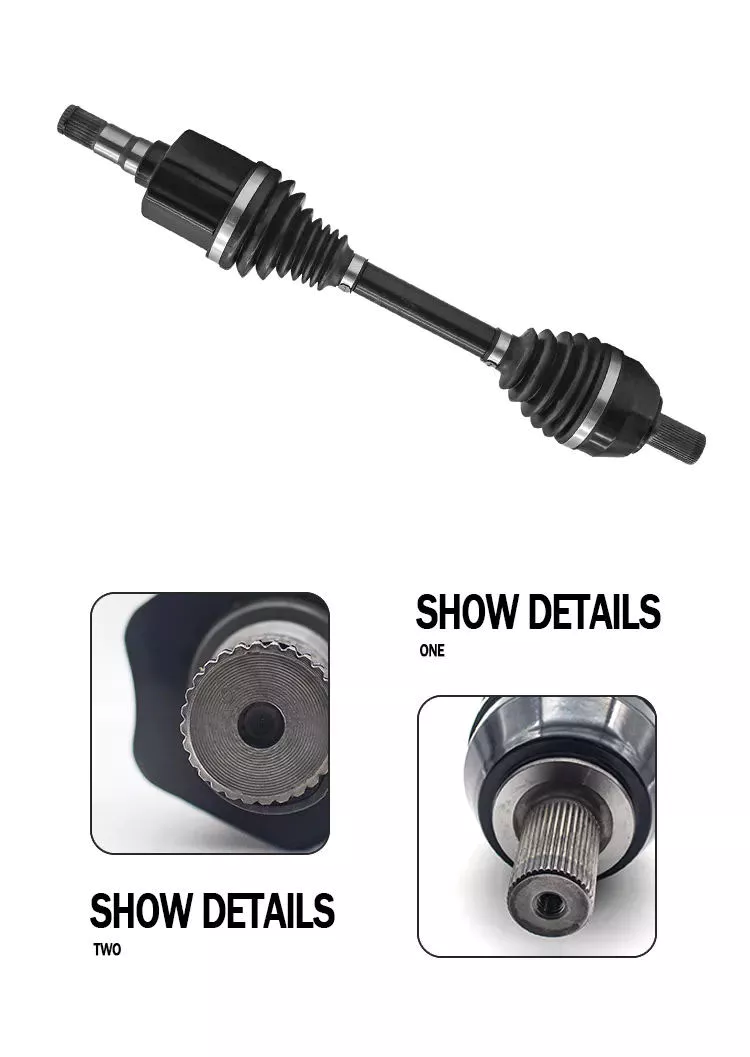
Hur säkerställer tillverkare att kraftuttagsaxlar är kompatibla med olika utrustningar?
Tillverkare använder olika åtgärder för att säkerställa kompatibiliteten mellan kraftuttagsaxlar (PTO) och olika utrustningar. Kompatibilitet är avgörande för att säkerställa att kraftuttagsaxlar effektivt kan överföra kraft från kraftkällan till den drivna maskinen utan att kompromissa med prestanda, säkerhet eller användarvänlighet. Här är en detaljerad förklaring av hur tillverkare säkerställer kompatibilitet:
1. Standardisering: Kraftöverföringsaxlar konstrueras och tillverkas baserat på standardiserade specifikationer. Dessa specifikationer beskriver de viktigaste parametrarna såsom axeldimensioner, splinestorlekar, vridmoment och säkerhetskrav. Genom att följa standardiserade konstruktioner säkerställer tillverkare att kraftöverföringsaxlar är kompatibla med ett brett utbud av utrustning som uppfyller samma standarder. Standardisering möjliggör utbytbarhet, vilket innebär att kraftöverföringsaxlar från en tillverkare kan användas med utrustning från en annan tillverkare så länge de uppfyller samma specifikationer.
2. Samarbete med utrustningstillverkare: Tillverkare av kraftuttagsaxlar samarbetar ofta nära med utrustningstillverkare för att säkerställa kompatibilitet. De arbetar tillsammans för att förstå de specifika kraven för utrustningen och utforma kraftuttagsaxlar som integreras sömlöst med maskinerna. Detta samarbete kan innebära att dela tekniska specifikationer, genomföra gemensamma tester och utbyta feedback. Genom att arbeta i partnerskap kan tillverkare åtgärda eventuella kompatibilitetsproblem tidigt i design- och utvecklingsprocessen, vilket resulterar i kraftuttagsaxlar som är skräddarsydda för utrustningens behov.
3. Anpassningsalternativ: Tillverkare av kraftuttagsaxlar erbjuder anpassningsalternativ för att passa olika utrustningskonfigurationer. De ger flexibilitet när det gäller axellängd, splinestorlekar, okdesign och kopplingsmekanismer. Utrustningstillverkare kan specificera de nödvändiga parametrarna, och kraftuttagsaxlarna kan anpassas därefter. Detta säkerställer att kraftuttagsaxlarna exakt matchar utrustningens krav på in-/uteffekt och anslutningsmetoder, vilket garanterar kompatibilitet och effektiv kraftöverföring.
4. Testning och validering: Tillverkare genomför rigorösa test- och valideringsprocesser för att säkerställa kraftuttagsaxlarnas kompatibilitet och prestanda. De utsätter axlarna för olika tester, inklusive momenttestning, rotationshastighetstestning och hållbarhetstestning. Dessa tester verifierar att kraftuttagsaxlarna kan hantera de förväntade effektbelastningarna och driftsförhållandena utan fel. Genom att validera kraftuttagsaxlarnas prestanda kan tillverkare säkerställa att de är kompatibla med en mängd olika utrustningar och tillförlitligt kan överföra kraft under olika driftsscenarier.
5. Överensstämmelse med branschstandarder: Tillverkare av kraftuttagsaxlar följer branschstandarder och föreskrifter för att säkerställa kompatibilitet. Organisationer som American Society of Agricultural and Biological Engineers (ASABE) fastställer säkerhets- och prestandastandarder för kraftuttagsaxlar. Tillverkare designar och producerar sina axlar i enlighet med dessa standarder och säkerställer att deras produkter uppfyller de nödvändiga kraven för kompatibilitet och säkerhet. Efterlevnad av branschstandarder ger utrustningstillverkare och slutanvändare en försäkran om att kraftuttagsaxlarna är kompatibla och lämpliga för användning med olika utrustningar.
6. Dokumentation och riktlinjer: Tillverkare tillhandahåller omfattande dokumentation och riktlinjer för att hjälpa utrustningstillverkare och slutanvändare att säkerställa kompatibilitet. Denna dokumentation inkluderar tekniska specifikationer, installationsanvisningar, underhållsriktlinjer och säkerhetsrekommendationer. Dokumentationen hjälper utrustningstillverkare att välja lämplig kraftuttagsaxel för sin utrustning och ger vägledning om korrekt installation och användning. Genom att följa tillverkarens riktlinjer kan utrustningstillverkare säkerställa kompatibilitet och optimera kraftuttagsaxlarnas prestanda.
7. Pågående forskning och utveckling: Tillverkare av kraftuttagsaxlar investerar kontinuerligt i forskning och utveckling för att förbättra kompatibiliteten med olika utrustningar. De håller sig uppdaterade om branschtrender, tekniska framsteg och ständigt föränderliga utrustningskrav. Denna kontinuerliga forskning och utveckling gör det möjligt för tillverkare att förbättra design, material och funktioner hos kraftuttagsaxlar, vilket säkerställer kompatibilitet med de senaste innovationerna i utrustningen och hanterar eventuella kompatibilitetsutmaningar som kan uppstå.
Genom att använda standardisering, samarbeta med utrustningstillverkare, erbjuda anpassningsalternativ, genomföra grundliga tester, följa branschstandarder, tillhandahålla dokumentation och riktlinjer samt investera i forskning och utveckling, säkerställer tillverkare att kraftuttagsaxlar är kompatibla med olika utrustningar. Denna kompatibilitet möjliggör sömlös integration, effektiv kraftöverföring och optimal prestanda över ett brett utbud av maskiner och utrustning inom olika branscher.

How do PTO shafts handle variations in load and torque during operation?
PTO (Power Take-Off) shafts are designed to handle variations in load and torque during operation by employing specific mechanisms and features that ensure efficient power transfer and protection against overload conditions. Here’s a detailed explanation of how PTO shafts handle variations in load and torque:
1. Mechanical Design: PTO shafts are engineered with robust mechanical design principles that enable them to handle variations in load and torque. They are typically constructed using high-strength materials such as steel, which provides durability and resistance to bending or twisting forces. The shaft’s diameter, wall thickness, and overall dimensions are carefully calculated to withstand the expected torque levels and load variations. The mechanical design of the PTO shaft ensures that it can transmit power reliably and accommodate the dynamic forces encountered during operation.
2. Universal Joints: Universal joints are a key component of PTO shafts that allow for flexibility and compensation of misalignment between the power source and driven machinery. These joints can accommodate variations in angular alignment, which may occur due to changes in load or movement of the machinery. Universal joints consist of a cross-shaped yoke with needle bearings that allow for smooth rotation and transfer of torque, even when the shafts are not perfectly aligned. The design of universal joints enables PTO shafts to handle variations in load and torque while maintaining consistent power transmission.
3. Slip Clutches: Slip clutches are often incorporated into PTO shafts to provide overload protection. These clutches allow the PTO shaft to slip or disengage momentarily when excessive torque or resistance is encountered. Slip clutches typically consist of friction plates that can be adjusted to a specific torque setting. When the torque surpasses the predetermined limit, the clutch slips, preventing damage to the PTO shaft and connected equipment. Slip clutches are particularly useful when sudden changes in load or torque occur, providing a safety mechanism to protect the PTO shaft and associated machinery.
4. Torque Limiters: Torque limiters are another protective feature found in some PTO shafts. These devices are designed to automatically disengage the power transmission when a predetermined torque threshold is exceeded. Torque limiters can be mechanical, such as shear pin couplings or friction clutches, or electronic, utilizing sensors and control systems. When the torque exceeds the set limit, the torque limiter disengages, preventing further power transfer and protecting the PTO shaft from overload conditions. Torque limiters are effective in handling sudden spikes in torque and safeguarding the PTO shaft and associated equipment.
5. Underhåll och inspektion: Regular maintenance and inspection of PTO shafts are essential to ensure their proper functioning and ability to handle variations in load and torque. Routine maintenance includes lubrication of universal joints, inspection of shaft integrity, and tightening of fasteners. Regular inspections allow for early detection of wear, misalignment, or other issues that may affect the PTO shaft’s performance. By addressing maintenance and inspection requirements, operators can identify and address any concerns that may arise due to variations in load and torque, ensuring the continued safe and efficient operation of the PTO shaft.
6. Operator Awareness and Control: Operators play a crucial role in managing variations in load and torque during PTO shaft operation. They should be aware of the machinery’s operational limits, including the recommended torque ratings and load capacities of the PTO shaft. Proper training and understanding of the equipment’s capabilities enable operators to make informed decisions and adjust the operation when encountering significant load or torque changes. Operators should also be vigilant in monitoring the equipment’s performance, watching for any signs of excessive vibration, noise, or other indications of potential issues related to load and torque variations.
By incorporating robust mechanical design, utilizing universal joints, slip clutches, torque limiters, and implementing proper maintenance practices, PTO shafts are equipped to handle variations in load and torque during operation. These features ensure reliable power transmission, protect against overload conditions, and contribute to the safe and efficient functioning of the PTO shaft and the machinery it drives.
What is a PTO shaft and how is it used in agricultural and industrial equipment?
A power take-off (PTO) shaft is a mechanical component used in agricultural and industrial equipment to transfer power from a power source, such as an engine or motor, to another machine or implement. It is a driveline shaft that transmits rotational power and torque, allowing the connected equipment to perform various tasks. PTO shafts are commonly used in agricultural machinery, such as tractors, as well as in industrial equipment, including generators, pumps, and construction machinery. Here’s a detailed explanation of what a PTO shaft is and how it is used:
Structure and Components: A typical PTO shaft consists of a hollow metal tube with universal joints at each end. The hollow tube allows the shaft to rotate freely, while the universal joints accommodate angular misalignments between the power source and the driven equipment. The universal joints consist of a cross-shaped yoke with needle bearings, providing flexibility and allowing the transmission of power at varying angles. Some PTO shafts may also include a telescopic section to adjust the length for different equipment setups or to accommodate varying distances between the power source and the driven machine.
Power Transfer: The primary function of a PTO shaft is to transfer power and torque from the power source to the driven equipment. The power source, typically an engine or motor, drives the PTO shaft through a mechanical connection, such as a gearbox or a clutch. As the power source rotates, it transmits rotational force to the PTO shaft. The PTO shaft, in turn, transfers this rotational power and torque to the driven equipment, enabling it to perform its intended function. The torque and rotational speed transmitted through the PTO shaft depend on the power source’s characteristics and the gear ratio or clutch engagement.
Agricultural Applications: In agriculture, PTO shafts are commonly used in tractors to power various implements and attachments. The PTO shaft is connected to the tractor’s power take-off, a rotating drive shaft located at the rear of the tractor. By engaging the PTO clutch, the tractor’s engine power is transferred through the PTO shaft to the attached implements. Agricultural machinery, such as mowers, balers, tillers, sprayers, and grain augers, often rely on PTO shafts to receive power for their operation. The PTO shaft allows the implements to be powered directly by the tractor’s engine, eliminating the need for separate power sources and increasing the versatility and efficiency of agricultural operations.
Industrial Applications: PTO shafts also find extensive use in various industrial applications. Industrial equipment, such as generators, pumps, compressors, and industrial mixers, often incorporate PTO shafts to receive power from engines or electric motors. The PTO shaft connects the power source to the driven equipment, allowing it to operate and perform its intended function. In construction machinery, PTO shafts can be found in equipment like concrete mixers, hydraulic hammers, and post hole diggers, enabling the transfer of power from the machinery’s engine to the specific attachment or tool being used.
Säkerhetsöverväganden: It is important to note that PTO shafts can pose safety risks if not handled properly. The rotating shaft can cause serious injuries if operators come into contact with it while it is in operation. To ensure safety, PTO shafts are often equipped with shielding or guards that cover the rotating shaft and universal joints, preventing accidental contact. It is crucial to maintain and inspect these safety features regularly to ensure their effectiveness. Additionally, operators should receive proper training on PTO shaft operation, including safe attachment and detachment procedures, as well as the use of personal protective equipment when working near PTO-driven machinery.
In summary, a PTO shaft is a mechanical component used in agricultural and industrial equipment to transmit power and torque from a power source to a driven machine or implement. It enables the direct power transfer from engines or motors to various equipment, increasing efficiency and versatility in agricultural and industrial operations. While PTO shafts offer significant benefits, operators must be aware of the associated safety considerations and take appropriate precautions to prevent accidents and injuries.


editor by CX 2023-09-18























