
제품 설명
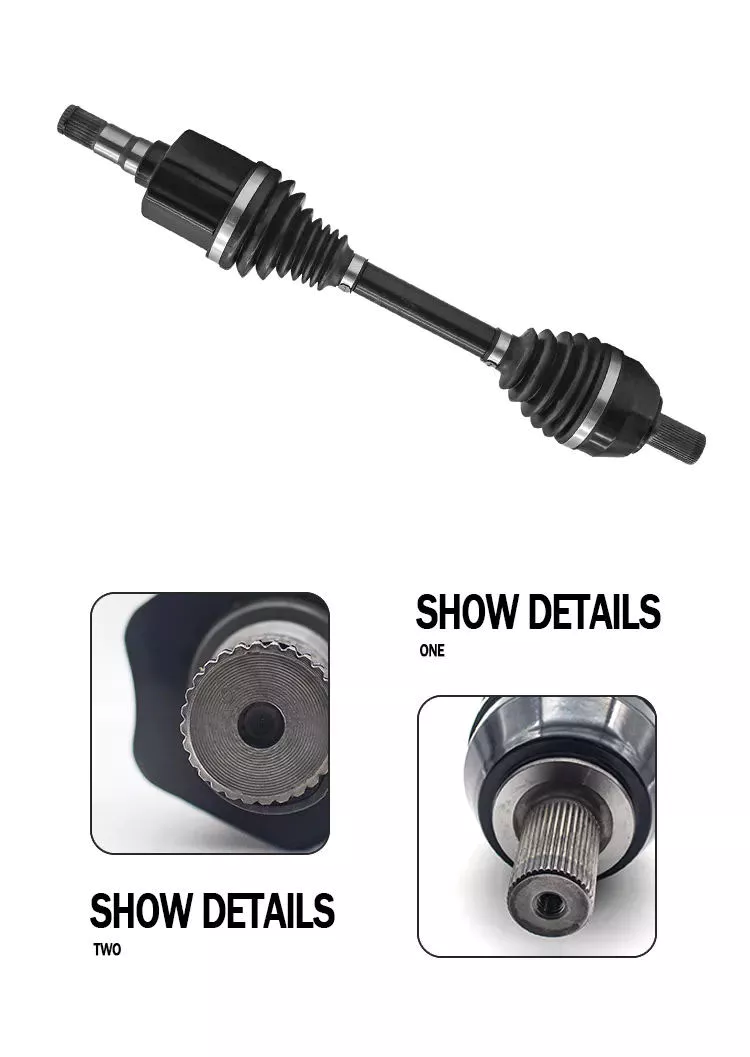
Brief Introduction
Processing flow
Applications
Quality Control
Packaging & Delivery
Packaging details:Standard plywood case
Delivery detail: 30-35 working days,depend on the actual produce condition
자주 묻는 질문
질문 1: What is the location of your company?
A1: Our company is located in the HangZhou City ,ZheJiang ,China.Welcome to visit our factory at anytime!
질문 2: How does your factory do regarding quality control?
A2: Our standard QC system to control quality.
질문 3: What is your delivery time?
A3: Usually within 25 days after the receipt of payment.Delivery time must depend on the actual produce condition.
4분기: What are your strengths?
A4: 1.We are the manufacturer,having competitive advantage in price.
2.A large part of money is put into advancing CNC equipments and product
R&D department annual,the performance of cardan shaft can be guaranteed.
3.About quality issues or follow-up after-sales service,we report directly to the boss.
4.We have the ambitions to exploring and developing the world’s cardan shaft market and
we believe we can.
| 재료: | Alloy Steel |
|---|---|
| 짐: | 구동축 |
| 강성 및 유연성: | Stiffness / Rigid Axle |
| 저널 직경 치수 정확도: | IT6-IT9 |
| 축 모양: | 직선형 샤프트 |
| 샤프트 모양: | Hollow Axis |
| 맞춤 설정: |
사용 가능
| 맞춤형 요청 |
|---|
제조업체는 PTO 샤프트가 다양한 장비와 호환되도록 어떻게 보장합니까?
제조업체들은 PTO(동력 인출 장치) 축이 다양한 장비와 호환되도록 여러 가지 조치를 취합니다. 호환성은 PTO 축이 성능, 안전 또는 사용 편의성을 저해하지 않고 동력원에서 구동 기계로 효율적으로 동력을 전달할 수 있도록 보장하는 데 매우 중요합니다. 제조업체들이 호환성을 보장하는 방법에 대한 자세한 설명은 다음과 같습니다.
1. 표준화: PTO 샤프트는 표준화된 사양에 따라 설계 및 제조됩니다. 이러한 사양에는 샤프트 치수, 스플라인 크기, 토크 정격 및 안전 요구 사항과 같은 필수 매개변수가 명시되어 있습니다. 표준화된 설계를 준수함으로써 제조업체는 동일한 표준을 충족하는 다양한 장비와의 호환성을 보장합니다. 표준화는 호환성을 제공하여 동일한 사양을 준수하는 한 한 제조업체의 PTO 샤프트를 다른 제조업체의 장비와 함께 사용할 수 있도록 합니다.
2. 장비 제조업체와의 협력: PTO 샤프트 제조업체는 장비 제조업체와 긴밀히 협력하여 호환성을 확보하는 경우가 많습니다. 이들은 장비의 특정 요구 사항을 파악하고 기계에 완벽하게 통합되는 PTO 샤프트를 설계하기 위해 협력합니다. 이러한 협력에는 기술 사양 공유, 공동 테스트 수행 및 피드백 교환이 포함될 수 있습니다. 이러한 파트너십을 통해 제조업체는 설계 및 개발 프로세스 초기에 호환성 문제를 해결하여 장비 요구 사항에 맞춘 PTO 샤프트를 생산할 수 있습니다.
3. 사용자 지정 옵션: PTO 샤프트 제조업체는 다양한 장비 구성에 맞춰 맞춤 제작 옵션을 제공합니다. 샤프트 길이, 스플라인 크기, 요크 설계 및 연결 메커니즘 측면에서 유연성을 제공합니다. 장비 제조업체는 필요한 매개변수를 지정할 수 있으며, 이에 따라 PTO 샤프트를 맞춤 제작할 수 있습니다. 이를 통해 PTO 샤프트가 장비의 동력 입력/출력 요구 사항 및 연결 방식에 정확하게 부합하여 호환성과 효율적인 동력 전달을 보장합니다.
4. 테스트 및 검증: 제조업체는 PTO 샤프트의 호환성과 성능을 보장하기 위해 엄격한 테스트 및 검증 프로세스를 수행합니다. 토크 테스트, 회전 속도 테스트, 내구성 테스트 등 다양한 테스트를 통해 PTO 샤프트가 예상되는 부하와 작동 조건을 고장 없이 견딜 수 있는지 확인합니다. PTO 샤프트의 성능을 검증함으로써 제조업체는 다양한 장비와의 호환성을 보장하고 여러 작동 시나리오에서 안정적으로 동력을 전달할 수 있도록 합니다.
5. 산업 표준 준수: PTO 샤프트 제조업체는 호환성을 보장하기 위해 업계 표준 및 규정을 준수합니다. 미국 농업생물공학회(ASABE)와 같은 기관은 PTO 샤프트에 대한 안전 및 성능 표준을 제정합니다. 제조업체는 이러한 표준에 따라 샤프트를 설계 및 생산하여 제품이 호환성과 안전성에 필요한 요건을 충족하도록 합니다. 업계 표준 준수는 장비 제조업체와 최종 사용자에게 PTO 샤프트가 다양한 장비와 호환되고 사용하기에 적합하다는 확신을 제공합니다.
6. 문서 및 지침: 제조업체는 장비 제조업체와 최종 사용자가 호환성을 확보할 수 있도록 포괄적인 문서와 지침을 제공합니다. 이러한 문서에는 기술 사양, 설치 지침, 유지 보수 지침 및 안전 권장 사항이 포함됩니다. 이 문서는 장비 제조업체가 장비에 적합한 PTO 샤프트를 선택하고 올바른 설치 및 사용 방법에 대한 지침을 제공하는 데 도움이 됩니다. 제조업체의 지침을 따르면 장비 제조업체는 호환성을 보장하고 PTO 샤프트의 성능을 최적화할 수 있습니다.
7. 지속적인 연구 개발: PTO 샤프트 제조업체들은 다양한 장비와의 호환성을 향상시키기 위해 지속적으로 연구 개발에 투자합니다. 업계 동향, 기술 발전, 그리고 진화하는 장비 요구 사항을 꾸준히 파악하고 있습니다. 이러한 지속적인 연구 개발을 통해 제조업체들은 PTO 샤프트의 설계, 재료, 기능을 개선하여 최신 장비 혁신과의 호환성을 보장하고 발생할 수 있는 호환성 문제를 해결할 수 있습니다.
제조업체들은 표준화, 장비 제조업체와의 협력, 맞춤형 옵션 제공, 철저한 테스트, 산업 표준 준수, 문서 및 지침 제공, 연구 개발 투자 등을 통해 PTO 샤프트와 다양한 장비의 호환성을 보장합니다. 이러한 호환성을 통해 다양한 산업 분야의 광범위한 기계 및 장비에서 원활한 통합, 효율적인 동력 전달, 최적의 성능을 구현할 수 있습니다.

How do PTO shafts handle variations in load and torque during operation?
PTO (Power Take-Off) shafts are designed to handle variations in load and torque during operation by employing specific mechanisms and features that ensure efficient power transfer and protection against overload conditions. Here’s a detailed explanation of how PTO shafts handle variations in load and torque:
1. Mechanical Design: PTO shafts are engineered with robust mechanical design principles that enable them to handle variations in load and torque. They are typically constructed using high-strength materials such as steel, which provides durability and resistance to bending or twisting forces. The shaft’s diameter, wall thickness, and overall dimensions are carefully calculated to withstand the expected torque levels and load variations. The mechanical design of the PTO shaft ensures that it can transmit power reliably and accommodate the dynamic forces encountered during operation.
2. Universal Joints: Universal joints are a key component of PTO shafts that allow for flexibility and compensation of misalignment between the power source and driven machinery. These joints can accommodate variations in angular alignment, which may occur due to changes in load or movement of the machinery. Universal joints consist of a cross-shaped yoke with needle bearings that allow for smooth rotation and transfer of torque, even when the shafts are not perfectly aligned. The design of universal joints enables PTO shafts to handle variations in load and torque while maintaining consistent power transmission.
3. Slip Clutches: Slip clutches are often incorporated into PTO shafts to provide overload protection. These clutches allow the PTO shaft to slip or disengage momentarily when excessive torque or resistance is encountered. Slip clutches typically consist of friction plates that can be adjusted to a specific torque setting. When the torque surpasses the predetermined limit, the clutch slips, preventing damage to the PTO shaft and connected equipment. Slip clutches are particularly useful when sudden changes in load or torque occur, providing a safety mechanism to protect the PTO shaft and associated machinery.
4. Torque Limiters: Torque limiters are another protective feature found in some PTO shafts. These devices are designed to automatically disengage the power transmission when a predetermined torque threshold is exceeded. Torque limiters can be mechanical, such as shear pin couplings or friction clutches, or electronic, utilizing sensors and control systems. When the torque exceeds the set limit, the torque limiter disengages, preventing further power transfer and protecting the PTO shaft from overload conditions. Torque limiters are effective in handling sudden spikes in torque and safeguarding the PTO shaft and associated equipment.
5. 유지보수 및 점검: Regular maintenance and inspection of PTO shafts are essential to ensure their proper functioning and ability to handle variations in load and torque. Routine maintenance includes lubrication of universal joints, inspection of shaft integrity, and tightening of fasteners. Regular inspections allow for early detection of wear, misalignment, or other issues that may affect the PTO shaft’s performance. By addressing maintenance and inspection requirements, operators can identify and address any concerns that may arise due to variations in load and torque, ensuring the continued safe and efficient operation of the PTO shaft.
6. Operator Awareness and Control: Operators play a crucial role in managing variations in load and torque during PTO shaft operation. They should be aware of the machinery’s operational limits, including the recommended torque ratings and load capacities of the PTO shaft. Proper training and understanding of the equipment’s capabilities enable operators to make informed decisions and adjust the operation when encountering significant load or torque changes. Operators should also be vigilant in monitoring the equipment’s performance, watching for any signs of excessive vibration, noise, or other indications of potential issues related to load and torque variations.
By incorporating robust mechanical design, utilizing universal joints, slip clutches, torque limiters, and implementing proper maintenance practices, PTO shafts are equipped to handle variations in load and torque during operation. These features ensure reliable power transmission, protect against overload conditions, and contribute to the safe and efficient functioning of the PTO shaft and the machinery it drives.
What is a PTO shaft and how is it used in agricultural and industrial equipment?
A power take-off (PTO) shaft is a mechanical component used in agricultural and industrial equipment to transfer power from a power source, such as an engine or motor, to another machine or implement. It is a driveline shaft that transmits rotational power and torque, allowing the connected equipment to perform various tasks. PTO shafts are commonly used in agricultural machinery, such as tractors, as well as in industrial equipment, including generators, pumps, and construction machinery. Here’s a detailed explanation of what a PTO shaft is and how it is used:
Structure and Components: A typical PTO shaft consists of a hollow metal tube with universal joints at each end. The hollow tube allows the shaft to rotate freely, while the universal joints accommodate angular misalignments between the power source and the driven equipment. The universal joints consist of a cross-shaped yoke with needle bearings, providing flexibility and allowing the transmission of power at varying angles. Some PTO shafts may also include a telescopic section to adjust the length for different equipment setups or to accommodate varying distances between the power source and the driven machine.
Power Transfer: The primary function of a PTO shaft is to transfer power and torque from the power source to the driven equipment. The power source, typically an engine or motor, drives the PTO shaft through a mechanical connection, such as a gearbox or a clutch. As the power source rotates, it transmits rotational force to the PTO shaft. The PTO shaft, in turn, transfers this rotational power and torque to the driven equipment, enabling it to perform its intended function. The torque and rotational speed transmitted through the PTO shaft depend on the power source’s characteristics and the gear ratio or clutch engagement.
Agricultural Applications: In agriculture, PTO shafts are commonly used in tractors to power various implements and attachments. The PTO shaft is connected to the tractor’s power take-off, a rotating drive shaft located at the rear of the tractor. By engaging the PTO clutch, the tractor’s engine power is transferred through the PTO shaft to the attached implements. Agricultural machinery, such as mowers, balers, tillers, sprayers, and grain augers, often rely on PTO shafts to receive power for their operation. The PTO shaft allows the implements to be powered directly by the tractor’s engine, eliminating the need for separate power sources and increasing the versatility and efficiency of agricultural operations.
Industrial Applications: PTO shafts also find extensive use in various industrial applications. Industrial equipment, such as generators, pumps, compressors, and industrial mixers, often incorporate PTO shafts to receive power from engines or electric motors. The PTO shaft connects the power source to the driven equipment, allowing it to operate and perform its intended function. In construction machinery, PTO shafts can be found in equipment like concrete mixers, hydraulic hammers, and post hole diggers, enabling the transfer of power from the machinery’s engine to the specific attachment or tool being used.
안전 고려 사항: It is important to note that PTO shafts can pose safety risks if not handled properly. The rotating shaft can cause serious injuries if operators come into contact with it while it is in operation. To ensure safety, PTO shafts are often equipped with shielding or guards that cover the rotating shaft and universal joints, preventing accidental contact. It is crucial to maintain and inspect these safety features regularly to ensure their effectiveness. Additionally, operators should receive proper training on PTO shaft operation, including safe attachment and detachment procedures, as well as the use of personal protective equipment when working near PTO-driven machinery.
In summary, a PTO shaft is a mechanical component used in agricultural and industrial equipment to transmit power and torque from a power source to a driven machine or implement. It enables the direct power transfer from engines or motors to various equipment, increasing efficiency and versatility in agricultural and industrial operations. While PTO shafts offer significant benefits, operators must be aware of the associated safety considerations and take appropriate precautions to prevent accidents and injuries.


editor by CX 2023-09-18























