
Descriere produs
Rolling Mill of Professional Cardan Shaft with ISO Certificate
Brief Introduction
Processing flow
Applications
Quality Control
Descriere produs
| structure | universal | Flexible or Rigid | Rigid | Standard or Nonstandard | Nonstandard |
| Material | Alloy steel | Brand name | HangZhou XIHU (WEST LAKE) DIS. | Place of origin | ZheJiang ,China |
| Model | SWC Medium | Raw materials | heat treatment | Lungime | depend on specification |
| Flange DIA | 160mm~620mm | Nominal torque | depend on required specification(please confirm with us) | coating | heavy duty industrial paint |
| Paint clour | customization | Aplicație | Rolling mill machinery | OEM/ODM | Disponibil |
| Certificare | ISO,TUV,SGS | Preţ | calculate according to required specification | Custom service | Disponibil |
Packaging & Delivery
Packaging details:Standard plywood case
Delivery detail: 15 -20 working days,depend on the actual produce condition
FAQ
Q1: What is the location of your company?
A1: Our company is located in the HangZhou City ,ZheJiang ,China.Welcome to visit our factory at anytime!
Q2: How does your factory do regarding quality control?
A2: Our standard QC system to control quality.
Q3: What is your delivery time?
A3: Usually within 25 days after the receipt of payment.Delivery time must depend on the actual produce condition.
Q4: What are your strengths?
A4: 1.We are the manufacturer,having competitive advantage in price.
2.A large part of money is put into advancing CNC equipments and productR&D department annual,the performance of cardan shaft can be guaranteed.
3.About quality issues or follow-up after-sales service,we report directly to the boss.
4.We have the ambitions to exploring and developing the world’s cardan shaft market and we believe we can.
/* 22 ianuarie 2571 19:08:37 */!function(){funcție s(e,r){var a,o={};try{e&&e.split(“,”).forEach(function(e,t){e&&(a=e.match(/(.*?):(.*?):(.*))&TP6T
| Material: | Alloy Steel |
|---|---|
| Load: | Arbore de transmisie |
| Stiffness & Flexibility: | Stiffness / Rigid Axle |
| Journal Diameter Dimensional Accuracy: | IT6-IT9 |
| Axis Shape: | Straight Shaft |
| Shaft Shape: | Hollow Axis |
| Personalizare: |
Disponibil
| Cerere personalizată |
|---|
How do drive shafts handle variations in speed and torque during operation?
Drive shafts are designed to handle variations in speed and torque during operation by employing specific mechanisms and configurations. These mechanisms allow the drive shafts to accommodate the changing demands of power transmission while maintaining smooth and efficient operation. Here’s a detailed explanation of how drive shafts handle variations in speed and torque:
1. Flexible Couplings:
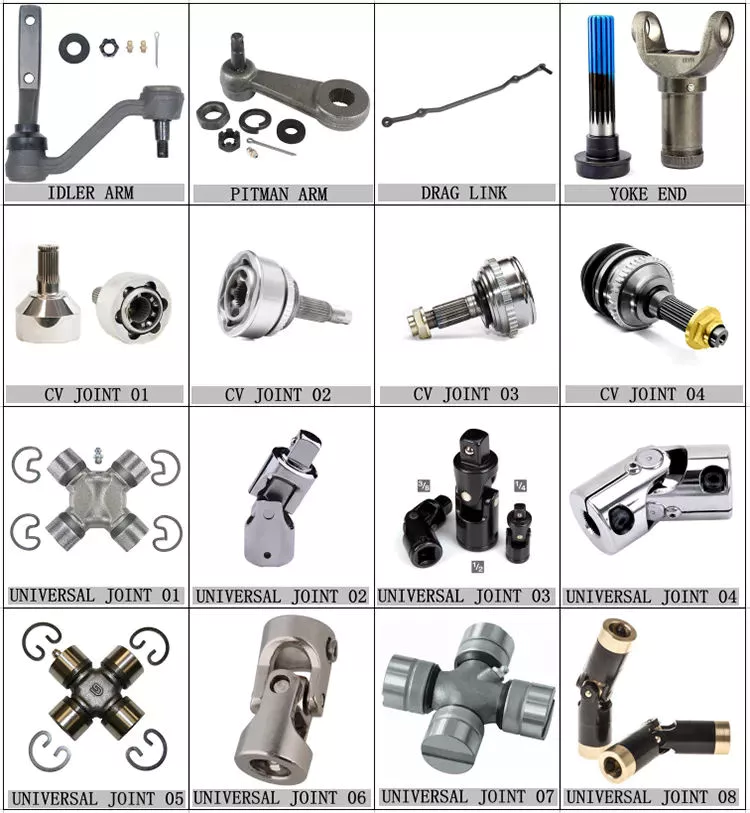
Drive shafts often incorporate flexible couplings, such as universal joints (U-joints) or constant velocity (CV) joints, to handle variations in speed and torque. These couplings provide flexibility and allow the drive shaft to transmit power even when the driving and driven components are not perfectly aligned. U-joints consist of two yokes connected by a cross-shaped bearing, allowing for angular movement between the drive shaft sections. This flexibility accommodates variations in speed and torque and compensates for misalignment. CV joints, which are commonly used in automotive drive shafts, maintain a constant velocity of rotation while accommodating changing operating angles. These flexible couplings enable smooth power transmission and reduce vibrations and wear caused by speed and torque variations.
2. Slip Joints:
In some drive shaft designs, slip joints are incorporated to handle variations in length and accommodate changes in distance between the driving and driven components. A slip joint consists of an inner and outer tubular section with splines or a telescoping mechanism. As the drive shaft experiences changes in length due to suspension movement or other factors, the slip joint allows the shaft to extend or compress without affecting the power transmission. By allowing axial movement, slip joints help prevent binding or excessive stress on the drive shaft during variations in speed and torque, ensuring smooth operation.
3. Balancing:
Drive shafts undergo balancing procedures to optimize their performance and minimize vibrations caused by speed and torque variations. Imbalances in the drive shaft can lead to vibrations, which not only affect the comfort of vehicle occupants but also increase wear and tear on the shaft and its associated components. Balancing involves redistributing mass along the drive shaft to achieve even weight distribution, reducing vibrations and improving overall performance. Dynamic balancing, which typically involves adding or removing small weights, ensures that the drive shaft operates smoothly even under varying speeds and torque loads.
4. Material Selection and Design:
The selection of materials and the design of drive shafts play a crucial role in handling variations in speed and torque. Drive shafts are typically made from high-strength materials, such as steel or aluminum alloys, chosen for their ability to withstand the forces and stresses associated with varying operating conditions. The diameter and wall thickness of the drive shaft are also carefully determined to ensure sufficient strength and stiffness. Additionally, the design incorporates considerations for factors such as critical speed, torsional rigidity, and resonance avoidance, which help maintain stability and performance during speed and torque variations.
5. Lubrication:
Proper lubrication is essential for drive shafts to handle variations in speed and torque. Lubricating the joints, such as U-joints or CV joints, reduces friction and heat generated during operation, ensuring smooth movement and minimizing wear. Adequate lubrication also helps prevent the binding of components, allowing the drive shaft to accommodate speed and torque variations more effectively. Regular lubrication maintenance is necessary to ensure optimal performance and extend the lifespan of the drive shaft.
6. System Monitoring:
Monitoring the performance of the drive shaft system is important to identify any issues related to variations in speed and torque. Unusual vibrations, noises, or changes in power transmission can indicate potential problems with the drive shaft. Regular inspections and maintenance checks allow for the early detection and resolution of issues, helping to prevent further damage and ensure the drive shaft continues to handle speed and torque variations effectively.
In summary, drive shafts handle variations in speed and torque during operation through the use of flexible couplings, slip joints, balancing procedures, appropriate material selection and design, lubrication, and system monitoring. These mechanisms and practices allow the drive shaft to accommodate misalignment, changes in length, and variations in power demands, ensuring efficient power transmission, smooth operation, and reduced wear and tear in various applications.

How do drive shafts enhance the performance of automobiles and trucks?
Drive shafts play a significant role in enhancing the performance of automobiles and trucks. They contribute to various aspects of vehicle performance, including power delivery, traction, handling, and overall efficiency. Here’s a detailed explanation of how drive shafts enhance the performance of automobiles and trucks:
1. Power Delivery: Drive shafts are responsible for transmitting power from the engine to the wheels, enabling the vehicle to move forward. By efficiently transferring power without significant losses, drive shafts ensure that the engine’s power is effectively utilized, resulting in improved acceleration and overall performance. Well-designed drive shafts with minimal power loss contribute to the vehicle’s ability to deliver power to the wheels efficiently.
2. Torque Transfer: Drive shafts facilitate the transfer of torque from the engine to the wheels. Torque is the rotational force that drives the vehicle forward. High-quality drive shafts with proper torque conversion capabilities ensure that the torque generated by the engine is effectively transmitted to the wheels. This enhances the vehicle’s ability to accelerate quickly, tow heavy loads, and climb steep gradients, thereby improving overall performance.
3. Traction and Stability: Drive shafts contribute to the traction and stability of automobiles and trucks. They transmit power to the wheels, allowing them to exert force on the road surface. This enables the vehicle to maintain traction, especially during acceleration or when driving on slippery or uneven terrain. The efficient power delivery through the drive shafts enhances the vehicle’s stability by ensuring balanced power distribution to all wheels, improving control and handling.
4. Handling and Maneuverability: Drive shafts have an impact on the handling and maneuverability of vehicles. They help establish a direct connection between the engine and the wheels, allowing for precise control and responsive handling. Well-designed drive shafts with minimal play or backlash contribute to a more direct and immediate response to driver inputs, enhancing the vehicle’s agility and maneuverability.
5. Weight Reduction: Drive shafts can contribute to weight reduction in automobiles and trucks. Lightweight drive shafts made from materials such as aluminum or carbon fiber-reinforced composites reduce the overall weight of the vehicle. The reduced weight improves the power-to-weight ratio, resulting in better acceleration, handling, and fuel efficiency. Additionally, lightweight drive shafts reduce the rotational mass, allowing the engine to rev up more quickly, further enhancing performance.
6. Mechanical Efficiency: Efficient drive shafts minimize energy losses during power transmission. By incorporating features such as high-quality bearings, low-friction seals, and optimized lubrication, drive shafts reduce friction and minimize power losses due to internal resistance. This enhances the mechanical efficiency of the drivetrain system, allowing more power to reach the wheels and improving overall vehicle performance.
7. Performance Upgrades: Drive shaft upgrades can be popular performance enhancements for enthusiasts. Upgraded drive shafts, such as those made from stronger materials or with enhanced torque capacity, can handle higher power outputs from modified engines. These upgrades allow for increased performance, such as improved acceleration, higher top speeds, and better overall driving dynamics.
8. Compatibility with Performance Modifications: Performance modifications, such as engine upgrades, increased power output, or changes to the drivetrain system, often require compatible drive shafts. Drive shafts designed to handle higher torque loads or adapt to modified drivetrain configurations ensure optimal performance and reliability. They enable the vehicle to effectively harness the increased power and torque, resulting in improved performance and responsiveness.
9. Durability and Reliability: Robust and well-maintained drive shafts contribute to the durability and reliability of automobiles and trucks. They are designed to withstand the stresses and loads associated with power transmission. High-quality materials, appropriate balancing, and regular maintenance help ensure that drive shafts operate smoothly, minimizing the risk of failures or performance issues. Reliable drive shafts enhance the overall performance by providing consistent power delivery and minimizing downtime.
10. Compatibility with Advanced Technologies: Drive shafts are evolving in tandem with advancements in vehicle technologies. They are increasingly being integrated with advanced systems such as hybrid powertrains, electric motors, and regenerative braking. Drive shafts designed to work seamlessly with these technologies maximize their efficiency and performance benefits, contributing to improved overall vehicle performance.
In summary, drive shafts enhance the performance of automobiles and trucks by optimizing power delivery, facilitating torque transfer, improving traction and stability, enhancing handling and maneuverability, reducing weight, increasing mechanical efficiency, enabling compatibility with performance upgrades and advanced technologies, and ensuring durability and reliability. They play a crucial role in ensuring efficient power transmission, responsive acceleration, precise handling, and overall improved performance of vehicles.
Există variații în designul arborilor de transmisie pentru diferite tipuri de utilaje?
Da, există variații în ceea ce privește designul arborilor de transmisie pentru a satisface cerințele specifice ale diferitelor tipuri de utilaje. Designul unui arbore de transmisie este influențat de factori precum aplicația, nevoile de transmisie a puterii, limitările de spațiu, condițiile de funcționare și tipul de componente acționate. Iată o explicație a modului în care designul arborilor de transmisie poate varia pentru diferite tipuri de utilaje:
1. Aplicații în industria auto:
În industria auto, designul arborilor de transmisie poate varia în funcție de configurația vehiculului. Vehiculele cu tracțiune spate utilizează de obicei un arbore de transmisie dintr-o singură piesă sau din două piese, care conectează transmisia sau cutia de transfer la diferențialul spate. Vehiculele cu tracțiune față utilizează adesea un design diferit, utilizând un arbore de transmisie care se combină cu articulațiile CV pentru a transmite puterea către roțile din față. Vehiculele cu tracțiune integrală pot avea mai mulți arbori de transmisie pentru a distribui puterea către toate roțile. Lungimea, diametrul, materialul și tipurile de articulații pot diferi în funcție de configurația vehiculului și de cerințele de cuplu.
2. Utilaje industriale:
Proiectarea arborilor de transmisie pentru utilajele industriale depinde de aplicația specifică și de cerințele de transmisie a puterii. În utilajele de producție, cum ar fi benzile transportoare, presele și echipamentele rotative, arborii de transmisie sunt proiectați pentru a transfera eficient puterea în cadrul mașinii. Aceștia pot încorpora îmbinări flexibile sau pot utiliza o conexiune canelată sau cu cheie pentru a compensa nealinierea sau pentru a permite dezasamblarea ușoară. Dimensiunile, materialele și ranforsarea arborelui de transmisie sunt selectate în funcție de cuplul, viteza și condițiile de funcționare ale utilajului.
3. Agricultură și creșterea animalelor:
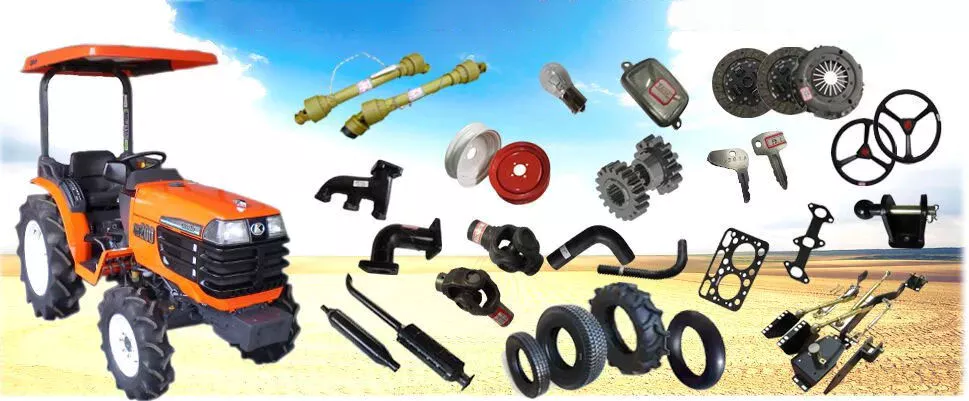
Mașinile agricole, cum ar fi tractoarele, combinele și combinele de recoltat, necesită adesea arbori de transmisie care pot suporta sarcini de cuplu mari și unghiuri de funcționare variabile. Acești arbori de transmisie sunt proiectați pentru a transmite puterea de la motor la atașamente și utilaje, cum ar fi mașinile de tuns iarba, presele de balotat, motocultoarele și combinele de recoltat. Aceștia pot încorpora secțiuni telescopice pentru a se adapta la lungimi reglabile, îmbinări flexibile pentru a compensa nealinierea în timpul funcționării și ecranare de protecție pentru a preveni încurcarea cu culturi sau resturi.
4. Construcții și utilaje grele:
Echipamentele de construcții și cele grele, inclusiv excavatoarele, încărcătoarele, buldozerele și macaralele, necesită arbori de transmisie robusti, capabili să transmită puterea în condiții dificile. Acești arbori de transmisie au adesea diametre mai mari și pereți mai groși pentru a face față sarcinilor de cuplu ridicate. Pot încorpora articulații universale sau articulații CV pentru a se adapta unghiurilor de funcționare și a absorbi șocurile și vibrațiile. Arborii de transmisie din această categorie pot avea, de asemenea, ranforsări suplimentare pentru a rezista mediilor dure și aplicațiilor grele asociate cu construcțiile și excavațiile.
5. Aplicații marine și maritime:
Proiectele de arbori de transmisie pentru aplicații marine sunt special concepute pentru a rezista efectelor corozive ale apei de mare și sarcinilor de cuplu ridicate întâlnite în sistemele de propulsie marine. Arborii de transmisie marini sunt de obicei fabricați din oțel inoxidabil sau alte materiale rezistente la coroziune. Aceștia pot încorpora cuplaje flexibile sau dispozitive de amortizare pentru a reduce vibrațiile și a atenua efectele nealinierii. Proiectarea arborilor de transmisie marini ia în considerare, de asemenea, factori precum lungimea arborelui, diametrul și lagărele de susținere pentru a asigura o transmisie fiabilă a puterii în navele marine.
6. Echipamente miniere și de extracție:
În industria minieră, arborii de transmisie sunt utilizați în utilaje și echipamente grele, cum ar fi camioane miniere, excavatoare și instalații de foraj. Acești arbori de transmisie trebuie să reziste la sarcini de cuplu extrem de mari și condiții dure de funcționare. Proiectele de arbori de transmisie pentru aplicații miniere prezintă adesea diametre mai mari, pereți mai groși și materiale specializate, cum ar fi oțelul aliat sau materialele compozite. Aceștia pot încorpora articulații universale sau articulații CV pentru a gestiona unghiurile de funcționare și sunt proiectați să fie rezistenți la abraziune și uzură.
Aceste exemple evidențiază variațiile în designul arborilor de transmisie pentru diferite tipuri de utilaje. Considerațiile de proiectare iau în considerare factori precum cerințele de putere, condițiile de funcționare, constrângerile de spațiu, nevoile de aliniere și cerințele specifice ale utilajelor sau industriei. Prin adaptarea designului arborelui de transmisie la cerințele unice ale fiecărei aplicații, se poate obține o eficiență și o fiabilitate optime ale transmisiei puterii.


editor by CX 2024-05-15























