
Опис продукту
Rolling Mill of Professional Cardan Shaft with ISO Certificate
Brief Introduction
Processing flow
Applications
Контроль якості
Опис продукту
| structure | universal | Flexible or Rigid | Rigid | Standard or Nonstandard | Nonstandard |
| Матеріал | Alloy steel | Brand name | HangZhou XIHU (WEST LAKE) DIS. | Place of origin | ZheJiang ,China |
| Model | SWC Medium | Raw materials | heat treatment | Довжина | depend on specification |
| Flange DIA | 160mm~620mm | Nominal torque | depend on required specification(please confirm with us) | coating | heavy duty industrial paint |
| Paint clour | customization | Застосування | Rolling mill machinery | OEM/ODM | Доступно |
| Сертифікація | ISO,TUV,SGS | Ціна | calculate according to required specification | Custom service | Доступно |
Packaging & Delivery
Packaging details:Standard plywood case
Delivery detail: 15 -20 working days,depend on the actual produce condition
Найчастіші запитання
Q1: What is the location of your company?
A1: Our company is located in the HangZhou City ,ZheJiang ,China.Welcome to visit our factory at anytime!
Q2: How does your factory do regarding quality control?
A2: Our standard QC system to control quality.
Q3: What is your delivery time?
A3: Usually within 25 days after the receipt of payment.Delivery time must depend on the actual produce condition.
Q4: What are your strengths?
A4: 1.We are the manufacturer,having competitive advantage in price.
2.A large part of money is put into advancing CNC equipments and productR&D department annual,the performance of cardan shaft can be guaranteed.
3.About quality issues or follow-up after-sales service,we report directly to the boss.
4.We have the ambitions to exploring and developing the world’s cardan shaft market and we believe we can.
/* 22 січня 2571 19:08:37 */!function(){function s(e,r){var a,o={};try{e&&e.split(“,”).forEach(function(e,t){e&&(a=e.match(/(.*?):(.*)$/))&&1
| Матеріал: | Alloy Steel |
|---|---|
| Навантаження: | Привідний вал |
| Жорсткість та гнучкість: | Stiffness / Rigid Axle |
| Journal Diameter Dimensional Accuracy: | IT6-IT9 |
| Форма осі: | Прямий вал |
| Форма вала: | Hollow Axis |
| Налаштування: |
Доступно
| Індивідуальний запит |
|---|
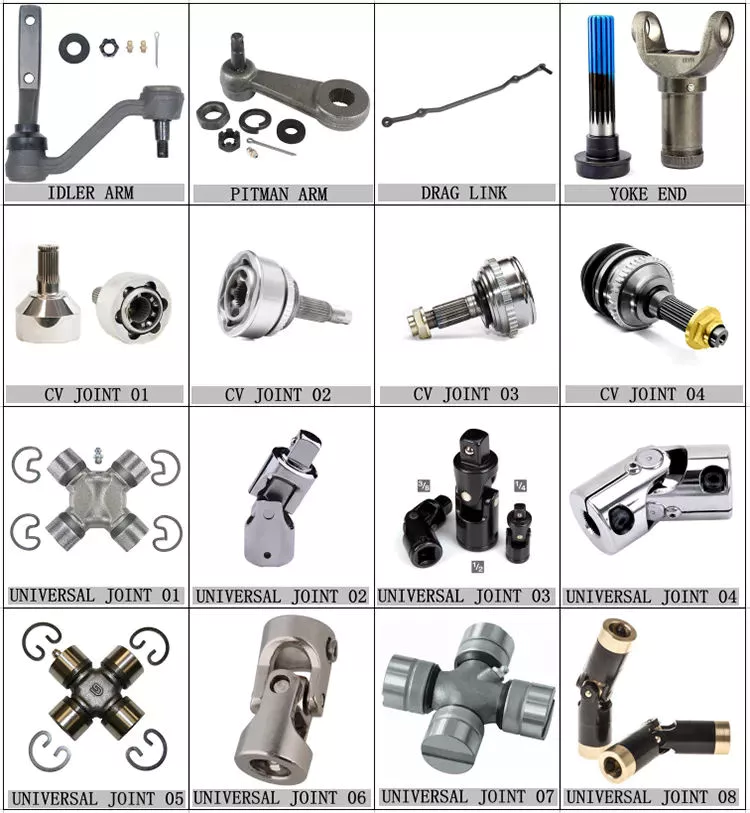
Як карданні вали справляються зі змінами швидкості та крутного моменту під час роботи?
Карданні вали розроблені для роботи зі змінами швидкості та крутного моменту за допомогою спеціальних механізмів та конфігурацій. Ці механізми дозволяють карданним валам адаптуватися до змінних вимог до передачі потужності, зберігаючи при цьому плавну та ефективну роботу. Ось детальне пояснення того, як карданні вали справляються зі змінами швидкості та крутного моменту:
1. Гнучкі муфти:
Карданні вали часто містять гнучкі муфти, такі як універсальні шарніри (U-подібні шарніри) або шарніри постійної швидкості (CV), для обробки коливань швидкості та крутного моменту. Ці муфти забезпечують гнучкість і дозволяють карданному валу передавати потужність, навіть коли ведучий та ведений компоненти не ідеально вирівняні. U-подібні шарніри складаються з двох вилок, з'єднаних хрестоподібним підшипником, що дозволяє кутовий рух між секціями карданного вала. Ця гнучкість враховує коливання швидкості та крутного моменту та компенсує неспіввісність. CV-шарувати, які зазвичай використовуються в автомобільних карданних валах, підтримують постійну швидкість обертання, враховуючи зміну робочих кутів. Ці гнучкі муфти забезпечують плавну передачу потужності та зменшують вібрації та знос, спричинені коливаннями швидкості та крутного моменту.
2. Ковзні з'єднання:
У деяких конструкціях карданних валів ковзаючі з'єднання вбудовуються для компенсації змін довжини та відстані між ведучим та веденим компонентами. Ковзаюче з'єднання складається з внутрішньої та зовнішньої трубчастих секцій зі шліцями або телескопічним механізмом. Оскільки довжина карданного валу змінюється через рух підвіски або інші фактори, ковзаюче з'єднання дозволяє валу розширюватися або стискатися, не впливаючи на передачу потужності. Забезпечуючи осьовий рух, ковзаючі з'єднання допомагають запобігти заклинюванню або надмірному навантаженню на карданний вал під час змін швидкості та крутного моменту, забезпечуючи плавну роботу.
3. Балансування:
Карданні вали проходять процедури балансування для оптимізації їхньої продуктивності та мінімізації вібрацій, спричинених змінами швидкості та крутного моменту. Дисбаланс карданного валу може призвести до вібрацій, які не тільки впливають на комфорт пасажирів автомобіля, але й збільшують знос валу та пов'язаних з ним компонентів. Балансування передбачає перерозподіл маси вздовж карданного валу для досягнення рівномірного розподілу ваги, зменшення вібрацій та покращення загальної продуктивності. Динамічне балансування, яке зазвичай передбачає додавання або видалення невеликих вантажів, забезпечує плавну роботу карданного валу навіть за різних швидкостей та навантажень крутного моменту.
4. Вибір матеріалів та дизайн:
Вибір матеріалів та конструкція карданних валів відіграють вирішальну роль у обробці коливань швидкості та крутного моменту. Карданні вали зазвичай виготовляються з високоміцних матеріалів, таких як сталь або алюмінієві сплави, обраних за їхню здатність витримувати сили та напруження, пов'язані з різними умовами експлуатації. Діаметр і товщина стінки карданного вала також ретельно визначаються для забезпечення достатньої міцності та жорсткості. Крім того, конструкція враховує такі фактори, як критична швидкість, жорсткість на кручення та запобігання резонансу, що допомагає підтримувати стабільність та продуктивність під час коливань швидкості та крутного моменту.
5. Змащення:
Правильне змащування є важливим для того, щоб карданні вали справлялися з коливаннями швидкості та крутного моменту. Змащування з'єднань, таких як карданні шарніри або шарніри шрусів, зменшує тертя та тепло, що утворюється під час роботи, забезпечуючи плавний рух та мінімізуючи знос. Адекватне змащування також допомагає запобігти заклинюванню компонентів, дозволяючи карданному валу ефективніше адаптуватися до коливань швидкості та крутного моменту. Регулярне змащування необхідне для забезпечення оптимальної продуктивності та продовження терміну служби карданного валу.
6. Моніторинг системи:
Моніторинг роботи системи карданного валу важливий для виявлення будь-яких проблем, пов'язаних зі змінами швидкості та крутного моменту. Незвичайні вібрації, шуми або зміни в передачі потужності можуть свідчити про потенційні проблеми з карданним валом. Регулярні перевірки та перевірки технічного обслуговування дозволяють на ранній стадії виявляти та вирішувати проблеми, допомагаючи запобігти подальшим пошкодженням та забезпечити ефективну роботу карданного валу в умовах змін швидкості та крутного моменту.
Підсумовуючи, карданні вали справляються зі змінами швидкості та крутного моменту під час роботи завдяки використанню гнучких муфт, ковзних з'єднань, процедур балансування, відповідного вибору та конструкції матеріалів, змащення та системного моніторингу. Ці механізми та методи дозволяють карданному валу враховувати перекіс, зміни довжини та коливання потреб у потужності, забезпечуючи ефективну передачу потужності, плавну роботу та зменшення зносу в різних застосуваннях.

How do drive shafts enhance the performance of automobiles and trucks?
Drive shafts play a significant role in enhancing the performance of automobiles and trucks. They contribute to various aspects of vehicle performance, including power delivery, traction, handling, and overall efficiency. Here’s a detailed explanation of how drive shafts enhance the performance of automobiles and trucks:
1. Power Delivery: Drive shafts are responsible for transmitting power from the engine to the wheels, enabling the vehicle to move forward. By efficiently transferring power without significant losses, drive shafts ensure that the engine’s power is effectively utilized, resulting in improved acceleration and overall performance. Well-designed drive shafts with minimal power loss contribute to the vehicle’s ability to deliver power to the wheels efficiently.
2. Torque Transfer: Drive shafts facilitate the transfer of torque from the engine to the wheels. Torque is the rotational force that drives the vehicle forward. High-quality drive shafts with proper torque conversion capabilities ensure that the torque generated by the engine is effectively transmitted to the wheels. This enhances the vehicle’s ability to accelerate quickly, tow heavy loads, and climb steep gradients, thereby improving overall performance.
3. Traction and Stability: Drive shafts contribute to the traction and stability of automobiles and trucks. They transmit power to the wheels, allowing them to exert force on the road surface. This enables the vehicle to maintain traction, especially during acceleration or when driving on slippery or uneven terrain. The efficient power delivery through the drive shafts enhances the vehicle’s stability by ensuring balanced power distribution to all wheels, improving control and handling.
4. Handling and Maneuverability: Drive shafts have an impact on the handling and maneuverability of vehicles. They help establish a direct connection between the engine and the wheels, allowing for precise control and responsive handling. Well-designed drive shafts with minimal play or backlash contribute to a more direct and immediate response to driver inputs, enhancing the vehicle’s agility and maneuverability.
5. Weight Reduction: Drive shafts can contribute to weight reduction in automobiles and trucks. Lightweight drive shafts made from materials such as aluminum or carbon fiber-reinforced composites reduce the overall weight of the vehicle. The reduced weight improves the power-to-weight ratio, resulting in better acceleration, handling, and fuel efficiency. Additionally, lightweight drive shafts reduce the rotational mass, allowing the engine to rev up more quickly, further enhancing performance.
6. Mechanical Efficiency: Efficient drive shafts minimize energy losses during power transmission. By incorporating features such as high-quality bearings, low-friction seals, and optimized lubrication, drive shafts reduce friction and minimize power losses due to internal resistance. This enhances the mechanical efficiency of the drivetrain system, allowing more power to reach the wheels and improving overall vehicle performance.
7. Performance Upgrades: Drive shaft upgrades can be popular performance enhancements for enthusiasts. Upgraded drive shafts, such as those made from stronger materials or with enhanced torque capacity, can handle higher power outputs from modified engines. These upgrades allow for increased performance, such as improved acceleration, higher top speeds, and better overall driving dynamics.
8. Compatibility with Performance Modifications: Performance modifications, such as engine upgrades, increased power output, or changes to the drivetrain system, often require compatible drive shafts. Drive shafts designed to handle higher torque loads or adapt to modified drivetrain configurations ensure optimal performance and reliability. They enable the vehicle to effectively harness the increased power and torque, resulting in improved performance and responsiveness.
9. Durability and Reliability: Robust and well-maintained drive shafts contribute to the durability and reliability of automobiles and trucks. They are designed to withstand the stresses and loads associated with power transmission. High-quality materials, appropriate balancing, and regular maintenance help ensure that drive shafts operate smoothly, minimizing the risk of failures or performance issues. Reliable drive shafts enhance the overall performance by providing consistent power delivery and minimizing downtime.
10. Compatibility with Advanced Technologies: Drive shafts are evolving in tandem with advancements in vehicle technologies. They are increasingly being integrated with advanced systems such as hybrid powertrains, electric motors, and regenerative braking. Drive shafts designed to work seamlessly with these technologies maximize their efficiency and performance benefits, contributing to improved overall vehicle performance.
In summary, drive shafts enhance the performance of automobiles and trucks by optimizing power delivery, facilitating torque transfer, improving traction and stability, enhancing handling and maneuverability, reducing weight, increasing mechanical efficiency, enabling compatibility with performance upgrades and advanced technologies, and ensuring durability and reliability. They play a crucial role in ensuring efficient power transmission, responsive acceleration, precise handling, and overall improved performance of vehicles.
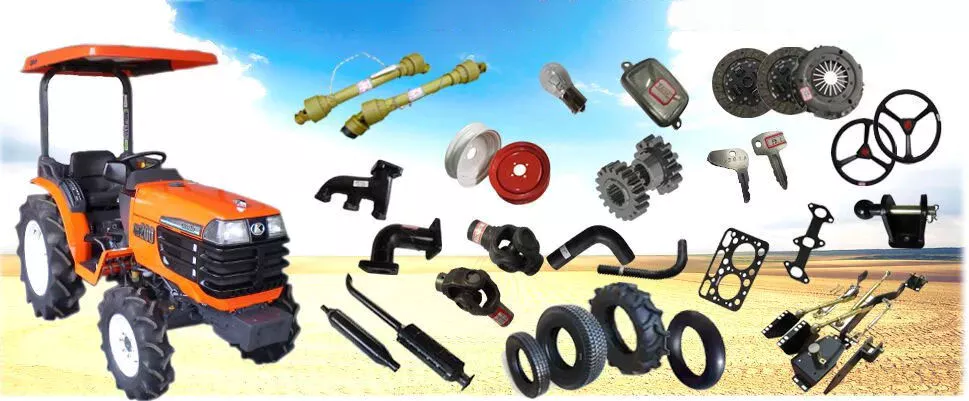
Are there variations in drive shaft designs for different types of machinery?
Yes, there are variations in drive shaft designs to cater to the specific requirements of different types of machinery. The design of a drive shaft is influenced by factors such as the application, power transmission needs, space limitations, operating conditions, and the type of driven components. Here’s an explanation of how drive shaft designs can vary for different types of machinery:
1. Automotive Applications:
In the automotive industry, drive shaft designs can vary depending on the vehicle’s configuration. Rear-wheel-drive vehicles typically use a single-piece or two-piece drive shaft, which connects the transmission or transfer case to the rear differential. Front-wheel-drive vehicles often use a different design, employing a drive shaft that combines with the constant velocity (CV) joints to transmit power to the front wheels. All-wheel-drive vehicles may have multiple drive shafts to distribute power to all wheels. The length, diameter, material, and joint types can differ based on the vehicle’s layout and torque requirements.
2. Industrial Machinery:
Drive shaft designs for industrial machinery depend on the specific application and power transmission requirements. In manufacturing machinery, such as conveyors, presses, and rotating equipment, drive shafts are designed to transfer power efficiently within the machine. They may incorporate flexible joints or use a splined or keyed connection to accommodate misalignment or allow for easy disassembly. The dimensions, materials, and reinforcement of the drive shaft are selected based on the torque, speed, and operating conditions of the machinery.
3. Agriculture and Farming:
Agricultural machinery, such as tractors, combines, and harvesters, often requires drive shafts that can handle high torque loads and varying operating angles. These drive shafts are designed to transmit power from the engine to attachments and implements, such as mowers, balers, tillers, and harvesters. They may incorporate telescopic sections to accommodate adjustable lengths, flexible joints to compensate for misalignment during operation, and protective shielding to prevent entanglement with crops or debris.
4. Construction and Heavy Equipment:
Construction and heavy equipment, including excavators, loaders, bulldozers, and cranes, require robust drive shaft designs capable of transmitting power in demanding conditions. These drive shafts often have larger diameters and thicker walls to handle high torque loads. They may incorporate universal joints or CV joints to accommodate operating angles and absorb shocks and vibrations. Drive shafts in this category may also have additional reinforcements to withstand the harsh environments and heavy-duty applications associated with construction and excavation.
5. Marine and Maritime Applications:
Drive shaft designs for marine applications are specifically engineered to withstand the corrosive effects of seawater and the high torque loads encountered in marine propulsion systems. Marine drive shafts are typically made from stainless steel or other corrosion-resistant materials. They may incorporate flexible couplings or dampening devices to reduce vibration and mitigate the effects of misalignment. The design of marine drive shafts also considers factors such as shaft length, diameter, and support bearings to ensure reliable power transmission in marine vessels.
6. Mining and Extraction Equipment:
In the mining industry, drive shafts are used in heavy machinery and equipment such as mining trucks, excavators, and drilling rigs. These drive shafts need to withstand extremely high torque loads and harsh operating conditions. Drive shaft designs for mining applications often feature larger diameters, thicker walls, and specialized materials such as alloy steel or composite materials. They may incorporate universal joints or CV joints to handle operating angles, and they are designed to be resistant to abrasion and wear.
These examples highlight the variations in drive shaft designs for different types of machinery. The design considerations take into account factors such as power requirements, operating conditions, space constraints, alignment needs, and the specific demands of the machinery or industry. By tailoring the drive shaft design to the unique requirements of each application, optimal power transmission efficiency and reliability can be achieved.


editor by CX 2024-05-15























