
Ürün Açıklaması
Rolling Mill of Professional Cardan Shaft with ISO Certificate
Kısa Tanıtım
İşlem akışı
Uygulamalar
Kalite Kontrol
Ürün Açıklaması
| structure | universal | Flexible or Rigid | Rigid | Standard or Nonstandard | Nonstandard |
| Malzeme | Alloy steel | Brand name | HangZhou XIHU (WEST LAKE) DIS. | Place of origin | ZheJiang ,China |
| Model | SWC Medium | Raw materials | heat treatment | Length | depend on specification |
| Flange DIA | 160mm~620mm | Nominal torque | depend on required specification(please confirm with us) | coating | heavy duty industrial paint |
| Paint clour | customization | Başvuru | Rolling mill machinery | OEM/ODM | Mevcut |
| Sertifikasyon | ISO,TUV,SGS | Fiyat | calculate according to required specification | Custom service | Mevcut |
Packaging & Delivery
Packaging details:Standard plywood case
Delivery detail: 15 -20 working days,depend on the actual produce condition
SSS
Q1: What is the location of your company?
A1: Our company is located in the HangZhou City ,ZheJiang ,China.Welcome to visit our factory at anytime!
Q2: How does your factory do regarding quality control?
A2: Our standard QC system to control quality.
Q3: What is your delivery time?
A3: Usually within 25 days after the receipt of payment.Delivery time must depend on the actual produce condition.
Q4: What are your strengths?
A4: 1.We are the manufacturer,having competitive advantage in price.
2.A large part of money is put into advancing CNC equipments and productR&D department annual,the performance of cardan shaft can be guaranteed.
3.About quality issues or follow-up after-sales service,we report directly to the boss.
4.We have the ambitions to exploring and developing the world’s cardan shaft market and we believe we can.
/* 22 Ocak 2571 19:08:37 */!function(){function s(e,r){var a,o={};try{e&&e.split(“,”).forEach(function(e,t){e&&(a=e.match(/(.*?):(.*)$/))&&1
| Malzeme: | Alaşımlı Çelik |
|---|---|
| Yük: | Tahrik Mili |
| Sertlik ve Esneklik: | Sertlik / Rijit Aks |
| Mil Çapı Boyutsal Doğruluğu: | BT6-BT9 |
| Eksen Şekli: | Düz Şaft |
| Şaft Şekli: | İçi Boş Eksen |
| Özelleştirme: |
Mevcut
| Özelleştirilmiş Talep |
|---|
How do drive shafts handle variations in speed and torque during operation?
Drive shafts are designed to handle variations in speed and torque during operation by employing specific mechanisms and configurations. These mechanisms allow the drive shafts to accommodate the changing demands of power transmission while maintaining smooth and efficient operation. Here’s a detailed explanation of how drive shafts handle variations in speed and torque:
1. Flexible Couplings:
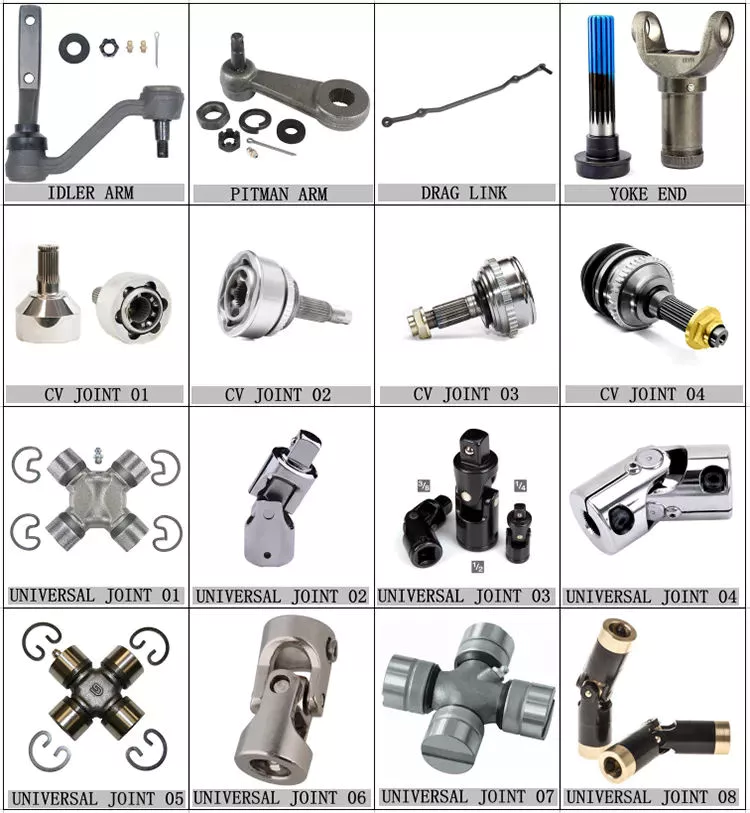
Drive shafts often incorporate flexible couplings, such as universal joints (U-joints) or constant velocity (CV) joints, to handle variations in speed and torque. These couplings provide flexibility and allow the drive shaft to transmit power even when the driving and driven components are not perfectly aligned. U-joints consist of two yokes connected by a cross-shaped bearing, allowing for angular movement between the drive shaft sections. This flexibility accommodates variations in speed and torque and compensates for misalignment. CV joints, which are commonly used in automotive drive shafts, maintain a constant velocity of rotation while accommodating changing operating angles. These flexible couplings enable smooth power transmission and reduce vibrations and wear caused by speed and torque variations.
2. Slip Joints:
In some drive shaft designs, slip joints are incorporated to handle variations in length and accommodate changes in distance between the driving and driven components. A slip joint consists of an inner and outer tubular section with splines or a telescoping mechanism. As the drive shaft experiences changes in length due to suspension movement or other factors, the slip joint allows the shaft to extend or compress without affecting the power transmission. By allowing axial movement, slip joints help prevent binding or excessive stress on the drive shaft during variations in speed and torque, ensuring smooth operation.
3. Balancing:
Drive shafts undergo balancing procedures to optimize their performance and minimize vibrations caused by speed and torque variations. Imbalances in the drive shaft can lead to vibrations, which not only affect the comfort of vehicle occupants but also increase wear and tear on the shaft and its associated components. Balancing involves redistributing mass along the drive shaft to achieve even weight distribution, reducing vibrations and improving overall performance. Dynamic balancing, which typically involves adding or removing small weights, ensures that the drive shaft operates smoothly even under varying speeds and torque loads.
4. Material Selection and Design:
The selection of materials and the design of drive shafts play a crucial role in handling variations in speed and torque. Drive shafts are typically made from high-strength materials, such as steel or aluminum alloys, chosen for their ability to withstand the forces and stresses associated with varying operating conditions. The diameter and wall thickness of the drive shaft are also carefully determined to ensure sufficient strength and stiffness. Additionally, the design incorporates considerations for factors such as critical speed, torsional rigidity, and resonance avoidance, which help maintain stability and performance during speed and torque variations.
5. Lubrication:
Proper lubrication is essential for drive shafts to handle variations in speed and torque. Lubricating the joints, such as U-joints or CV joints, reduces friction and heat generated during operation, ensuring smooth movement and minimizing wear. Adequate lubrication also helps prevent the binding of components, allowing the drive shaft to accommodate speed and torque variations more effectively. Regular lubrication maintenance is necessary to ensure optimal performance and extend the lifespan of the drive shaft.
6. System Monitoring:
Monitoring the performance of the drive shaft system is important to identify any issues related to variations in speed and torque. Unusual vibrations, noises, or changes in power transmission can indicate potential problems with the drive shaft. Regular inspections and maintenance checks allow for the early detection and resolution of issues, helping to prevent further damage and ensure the drive shaft continues to handle speed and torque variations effectively.
In summary, drive shafts handle variations in speed and torque during operation through the use of flexible couplings, slip joints, balancing procedures, appropriate material selection and design, lubrication, and system monitoring. These mechanisms and practices allow the drive shaft to accommodate misalignment, changes in length, and variations in power demands, ensuring efficient power transmission, smooth operation, and reduced wear and tear in various applications.

Tahrik milleri otomobil ve kamyonların performansını nasıl artırır?
Tahrik milleri, otomobil ve kamyonların performansını artırmada önemli bir rol oynar. Güç aktarımı, çekiş, yol tutuşu ve genel verimlilik de dahil olmak üzere araç performansının çeşitli yönlerine katkıda bulunurlar. İşte tahrik millerinin otomobil ve kamyonların performansını nasıl artırdığına dair ayrıntılı bir açıklama:
1. Güç Dağıtımı: Drive shafts are responsible for transmitting power from the engine to the wheels, enabling the vehicle to move forward. By efficiently transferring power without significant losses, drive shafts ensure that the engine’s power is effectively utilized, resulting in improved acceleration and overall performance. Well-designed drive shafts with minimal power loss contribute to the vehicle’s ability to deliver power to the wheels efficiently.
2. Tork Aktarımı: Tahrik milleri, torkun motordan tekerleklere aktarılmasını kolaylaştırır. Tork, aracı ileri doğru hareket ettiren dönme kuvvetidir. Doğru tork dönüştürme kapasitesine sahip yüksek kaliteli tahrik milleri, motor tarafından üretilen torkun tekerleklere etkili bir şekilde iletilmesini sağlar. Bu, aracın hızlı ivmelenme, ağır yük çekme ve dik yokuşları tırmanma yeteneğini artırarak genel performansı iyileştirir.
3. Çekiş ve Denge: Tahrik milleri, otomobil ve kamyonların çekişine ve dengesine katkıda bulunur. Gücü tekerleklere ileterek yol yüzeyine kuvvet uygulamalarına olanak tanır. Bu, özellikle hızlanma sırasında veya kaygan veya engebeli arazide sürüş yaparken aracın çekişini korumasını sağlar. Tahrik milleri aracılığıyla verimli güç iletimi, tüm tekerleklere dengeli güç dağılımı sağlayarak aracın dengesini artırır, kontrolü ve yol tutuşunu iyileştirir.
4. Kullanım ve Manevra Kabiliyeti: Tahrik milleri, araçların yol tutuşu ve manevra kabiliyetini etkiler. Motor ile tekerlekler arasında doğrudan bir bağlantı kurarak hassas kontrol ve hızlı tepki veren bir yol tutuşu sağlarlar. Minimum boşluk veya geri tepme içeren iyi tasarlanmış tahrik milleri, sürücü girdilerine daha doğrudan ve anında yanıt verilmesine katkıda bulunarak aracın çevikliğini ve manevra kabiliyetini artırır.
5. Kilo Verme: Tahrik milleri, otomobil ve kamyonlarda ağırlık azaltmaya katkıda bulunabilir. Alüminyum veya karbon fiber takviyeli kompozitler gibi malzemelerden yapılan hafif tahrik milleri, aracın toplam ağırlığını azaltır. Azalan ağırlık, güç-ağırlık oranını iyileştirerek daha iyi hızlanma, yol tutuşu ve yakıt verimliliği sağlar. Ek olarak, hafif tahrik milleri dönme kütlesini azaltarak motorun daha hızlı devir almasını sağlar ve performansı daha da artırır.
6. Mekanik Verimlilik: Verimli tahrik milleri, güç aktarımı sırasında enerji kayıplarını en aza indirir. Yüksek kaliteli rulmanlar, düşük sürtünmeli contalar ve optimize edilmiş yağlama gibi özellikler sayesinde tahrik milleri sürtünmeyi azaltır ve iç dirençten kaynaklanan güç kayıplarını en aza indirir. Bu, aktarma organı sisteminin mekanik verimliliğini artırarak tekerleklere daha fazla güç ulaşmasını sağlar ve genel araç performansını iyileştirir.
7. Performans Geliştirmeleri: Drive shaft upgrades can be popular performance enhancements for enthusiasts. Upgraded drive shafts, such as those made from stronger materials or with enhanced torque capacity, can handle higher power outputs from modified engines. These upgrades allow for increased performance, such as improved acceleration, higher top speeds, and better overall driving dynamics.
8. Performans Değişiklikleriyle Uyumluluk: Motor yükseltmeleri, artırılmış güç çıkışı veya aktarma organı sistemindeki değişiklikler gibi performans iyileştirmeleri genellikle uyumlu tahrik milleri gerektirir. Daha yüksek tork yüklerini kaldıracak veya değiştirilmiş aktarma organı konfigürasyonlarına uyum sağlayacak şekilde tasarlanmış tahrik milleri, optimum performans ve güvenilirlik sağlar. Bu miller, aracın artan güç ve torku etkili bir şekilde kullanmasını sağlayarak performans ve tepki hızını artırır.
9. Dayanıklılık ve Güvenilirlik: Sağlam ve bakımlı tahrik milleri, otomobil ve kamyonların dayanıklılığına ve güvenilirliğine katkıda bulunur. Güç aktarımıyla ilişkili gerilmelere ve yüklere dayanacak şekilde tasarlanmışlardır. Yüksek kaliteli malzemeler, uygun dengeleme ve düzenli bakım, tahrik millerinin sorunsuz çalışmasını sağlayarak arıza veya performans sorunları riskini en aza indirir. Güvenilir tahrik milleri, tutarlı güç aktarımı sağlayarak ve arıza sürelerini en aza indirerek genel performansı artırır.
10. Gelişmiş Teknolojilerle Uyumluluk: Tahrik milleri, araç teknolojilerindeki gelişmelerle paralel olarak evrim geçiriyor. Hibrit güç aktarma sistemleri, elektrik motorları ve rejeneratif frenleme gibi gelişmiş sistemlerle giderek daha fazla entegre ediliyorlar. Bu teknolojilerle sorunsuz bir şekilde çalışmak üzere tasarlanan tahrik milleri, verimlilik ve performans avantajlarını en üst düzeye çıkararak genel araç performansının iyileştirilmesine katkıda bulunuyor.
In summary, drive shafts enhance the performance of automobiles and trucks by optimizing power delivery, facilitating torque transfer, improving traction and stability, enhancing handling and maneuverability, reducing weight, increasing mechanical efficiency, enabling compatibility with performance upgrades and advanced technologies, and ensuring durability and reliability. They play a crucial role in ensuring efficient power transmission, responsive acceleration, precise handling, and overall improved performance of vehicles.
Are there variations in drive shaft designs for different types of machinery?
Yes, there are variations in drive shaft designs to cater to the specific requirements of different types of machinery. The design of a drive shaft is influenced by factors such as the application, power transmission needs, space limitations, operating conditions, and the type of driven components. Here’s an explanation of how drive shaft designs can vary for different types of machinery:
1. Automotive Applications:
In the automotive industry, drive shaft designs can vary depending on the vehicle’s configuration. Rear-wheel-drive vehicles typically use a single-piece or two-piece drive shaft, which connects the transmission or transfer case to the rear differential. Front-wheel-drive vehicles often use a different design, employing a drive shaft that combines with the constant velocity (CV) joints to transmit power to the front wheels. All-wheel-drive vehicles may have multiple drive shafts to distribute power to all wheels. The length, diameter, material, and joint types can differ based on the vehicle’s layout and torque requirements.
2. Industrial Machinery:
Drive shaft designs for industrial machinery depend on the specific application and power transmission requirements. In manufacturing machinery, such as conveyors, presses, and rotating equipment, drive shafts are designed to transfer power efficiently within the machine. They may incorporate flexible joints or use a splined or keyed connection to accommodate misalignment or allow for easy disassembly. The dimensions, materials, and reinforcement of the drive shaft are selected based on the torque, speed, and operating conditions of the machinery.
3. Agriculture and Farming:
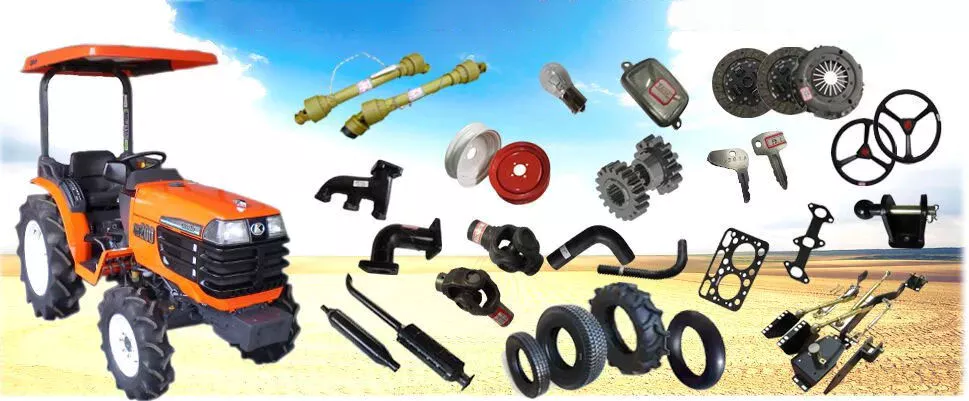
Agricultural machinery, such as tractors, combines, and harvesters, often requires drive shafts that can handle high torque loads and varying operating angles. These drive shafts are designed to transmit power from the engine to attachments and implements, such as mowers, balers, tillers, and harvesters. They may incorporate telescopic sections to accommodate adjustable lengths, flexible joints to compensate for misalignment during operation, and protective shielding to prevent entanglement with crops or debris.
4. Construction and Heavy Equipment:
Construction and heavy equipment, including excavators, loaders, bulldozers, and cranes, require robust drive shaft designs capable of transmitting power in demanding conditions. These drive shafts often have larger diameters and thicker walls to handle high torque loads. They may incorporate universal joints or CV joints to accommodate operating angles and absorb shocks and vibrations. Drive shafts in this category may also have additional reinforcements to withstand the harsh environments and heavy-duty applications associated with construction and excavation.
5. Marine and Maritime Applications:
Drive shaft designs for marine applications are specifically engineered to withstand the corrosive effects of seawater and the high torque loads encountered in marine propulsion systems. Marine drive shafts are typically made from stainless steel or other corrosion-resistant materials. They may incorporate flexible couplings or dampening devices to reduce vibration and mitigate the effects of misalignment. The design of marine drive shafts also considers factors such as shaft length, diameter, and support bearings to ensure reliable power transmission in marine vessels.
6. Mining and Extraction Equipment:
In the mining industry, drive shafts are used in heavy machinery and equipment such as mining trucks, excavators, and drilling rigs. These drive shafts need to withstand extremely high torque loads and harsh operating conditions. Drive shaft designs for mining applications often feature larger diameters, thicker walls, and specialized materials such as alloy steel or composite materials. They may incorporate universal joints or CV joints to handle operating angles, and they are designed to be resistant to abrasion and wear.
These examples highlight the variations in drive shaft designs for different types of machinery. The design considerations take into account factors such as power requirements, operating conditions, space constraints, alignment needs, and the specific demands of the machinery or industry. By tailoring the drive shaft design to the unique requirements of each application, optimal power transmission efficiency and reliability can be achieved.


editor by CX 2024-05-15























