
Descrição do produto
CNC Machining Customized Factory price Drive Shaft Made by SS 304
| Materiais | Carbon steel: 10#, 18#, 1018, 22#, 1571, 40Cr, 45#, 1045, 50#, 55#, 60#, 65Mn, 70#, 72B, 80#, 82B Alloy Structure Steel: B7, 20CrMo, 42Crmo, SCM415, SCM440, 4140 High-carbon chromium bearing steel: GCr15, 52100, SUJ2 Free-cutting steel: 12L14, 12L15 Stainless steel: 1Cr13, 2Cr13, 3Cr13, 4Cr13, 1Cr17, SUS410, SUS420, SUS430, SUS416, SUS440C, 17-4, 17-4PH, 130M, 200, 201, 202, 205, 303, 303Cu, 304, 316, 316L Aluminum grade: 6061, 6063 Brass: Hpb58-2.5 (C38000), Hpb59-1 (C37710), Hpb61-1 (C37100), Hpb62-0.8 (C35000), Hpb63-0.1 (C34900), Hpb63-3 (C34500), H60, H62, H63, H65 |
| Diâmetro | Ø0.3-Ø25 |
| Diameter tolerance | 0.002mm |
| Roundness | 0.0005mm |
| Roughness | Ra0.05 |
| Straightness | 0.005mm |
| Dureza: | HRC/HV |
| Comprimento | 2mm-1000mm |
| Heat treatment | 1. Oil Quenching 2. High frequency quenching 3. Carburization 4. Vacuum Heat treatment 5. Mesh belt CZPT heat treatment |
| Surface treatment | 1. Plating nickel 2. Plating zinc 3. Plating passivation 4. Plating phosphating 5. Black coating 6. Anodized treatment |
| Package | Plastic bags inside and standard cartons outside. Shipment by pallets or according to customer’s packing specifications. |
| Warranty Policy | We confirm our qualities satisfy to 99.9%, and have 6-month quality warranty |
| Serviço pós-venda | We will follow up the requst strictly for customers and will help customers solve problems after sale. |
Swiss High-Precision CNC Machining Process
Other Category From Cold Forging Process
perfil de companhia
HangZhou CZPT is an integrated manufacturing and trading enterprise with over 30 years of experience. We specialize in providing customized solutions for non-standard fasteners, CNC machined parts, stamping parts, and other metal products. With a sprawling facility covering an area of 5,500 square meters, we have 3 workshops including cold heading, stamping, and cnc machining.
At Hanyee Metal, we take pride in our commitment to delivering high-quality products and tailor-made solutions to meet our customers’ specific needs. Our team of skilled professionals ensures precision and CZPT in every aspect of the manufacturing process. Whether it’s fasteners for unique applications, intricately machined parts, or precision-stamped components, we have the capabilities to exceed your expectations.
Hanyee’s products exporting to more than 30 countries, especially in North American and European markets. Being the supplier for famous brands like : ITW, Ruen, Infenion, WMG,Fnox, ects. many years.
inspection
Exhibiting
Customer reception
Packaging and transportation
Customer feedback
Perguntas frequentes
Q: Please send your price list for our reference.
A: We do not have standard price list because we produce according to customer design.
We can provide the quotation for your inquiries in a shortest possible time.
Q:Please quote the price for me
A: Our standard response time is 2 working hours, once you confirm the demand and drawing we shall provide the quote within 12 working hours.
Q:Can I get some sample?
A: Sure. We believe sample order is a good way to start our cooperation.
If it is a standard product, it would be for free but freight on your account.
If customized, we shall prepare the sample after receipt of development cost.
Q: Have FASTENERS 100% assembled well in stock?
A: Some of standard size is in stock. Most is OEM item out of stock.
Q: Could I use my own LOGO or design on goods?
A: Yes, Customized logo and design on mass production are available.
Q: What is the delivery time?
A: Our lead time for samples is 1 week; 15-30 days for mass production. It is usually according to the quantity and items.
Q:What payment do you accept?
A: We accept T/T, West Union,L/C,Trade Assurance in Alibaba.
Q: Can I trust you?
A: Absolutely! We are “Made In China” & “Alibaba” verified supplier.
Q: May I visit your factory?
A: You are welcome to visit us anytime. We can also pick you up from nearest airport and Train station.
/* 22 de janeiro de 2571 19:08:37 */!function(){function s(e,r){var a,o={};try{e&&e.split(“”,).forEach(function(e,t){e&&(a=e.match(/(.*?):(.*)$/))&&1
| Material: | Aço carbono |
|---|---|
| Carregar: | Eixo de transmissão |
| Rigidez e flexibilidade: | Eixo flexível |
| Precisão dimensional do diâmetro do munhão: | 0.005 |
| Formato do eixo: | Eixo reto |
| Formato do eixo: | Stepped Shaft |
| Exemplos: |
US$ 10 unidades
1 unidade (pedido mínimo) | |
|---|
| Personalização: |
Disponível
| Solicitação personalizada |
|---|
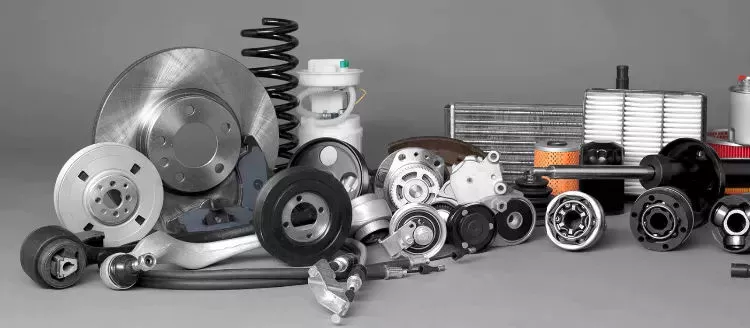
Can drive shafts be adapted for use in both automotive and industrial settings?
Yes, drive shafts can be adapted for use in both automotive and industrial settings. While there may be some differences in design and specifications based on the specific application requirements, the fundamental principles and functions of drive shafts remain applicable in both contexts. Here’s a detailed explanation:
1. Power Transmission:
Drive shafts serve the primary purpose of transmitting rotational power from a power source, such as an engine or motor, to driven components, which can be wheels, machinery, or other mechanical systems. This fundamental function applies to both automotive and industrial settings. Whether it’s delivering power to the wheels of a vehicle or transferring torque to industrial machinery, the basic principle of power transmission remains the same for drive shafts in both contexts.
2. Considerações de projeto:
While there may be variations in design based on specific applications, the core design considerations for drive shafts are similar in both automotive and industrial settings. Factors such as torque requirements, operating speeds, length, and material selection are taken into account in both cases. Automotive drive shafts are typically designed to accommodate the dynamic nature of vehicle operation, including variations in speed, angles, and suspension movement. Industrial drive shafts, on the other hand, may be designed for specific machinery and equipment, taking into consideration factors such as load capacity, operating conditions, and alignment requirements. However, the underlying principles of ensuring proper dimensions, strength, and balance are essential in both automotive and industrial drive shaft designs.
3. Material Selection:
The material selection for drive shafts is influenced by the specific requirements of the application, whether in automotive or industrial settings. In automotive applications, drive shafts are commonly made from materials such as steel or aluminum alloys, chosen for their strength, durability, and ability to withstand varying operating conditions. In industrial settings, drive shafts may be made from a broader range of materials, including steel, stainless steel, or even specialized alloys, depending on factors such as load capacity, corrosion resistance, or temperature tolerance. The material selection is tailored to meet the specific needs of the application while ensuring efficient power transfer and durability.
4. Joint Configurations:
Both automotive and industrial drive shafts may incorporate various joint configurations to accommodate the specific requirements of the application. Universal joints (U-joints) are commonly used in both contexts to allow for angular movement and compensate for misalignment between the drive shaft and driven components. Constant velocity (CV) joints are also utilized, particularly in automotive drive shafts, to maintain a constant velocity of rotation and accommodate varying operating angles. These joint configurations are adapted and optimized based on the specific needs of automotive or industrial applications.
5. Maintenance and Service:
While maintenance practices may vary between automotive and industrial settings, the importance of regular inspection, lubrication, and balancing remains crucial in both cases. Both automotive and industrial drive shafts benefit from periodic maintenance to ensure optimal performance, identify potential issues, and prolong the lifespan of the drive shafts. Lubrication of joints, inspection for wear or damage, and balancing procedures are common maintenance tasks for drive shafts in both automotive and industrial applications.
6. Customization and Adaptation:
Drive shafts can be customized and adapted to meet the specific requirements of various automotive and industrial applications. Manufacturers often offer drive shafts with different lengths, diameters, and joint configurations to accommodate a wide range of vehicles or machinery. This flexibility allows for the adaptation of drive shafts to suit the specific torque, speed, and dimensional requirements of different applications, whether in automotive or industrial settings.
In summary, drive shafts can be adapted for use in both automotive and industrial settings by considering the specific requirements of each application. While there may be variations in design, materials, joint configurations, and maintenance practices, the fundamental principles of power transmission, design considerations, and customization options remain applicable in both contexts. Drive shafts play a crucial role in both automotive and industrial applications, enabling efficient power transfer and reliable operation in a wide range of mechanical systems.

What safety precautions should be followed when working with drive shafts?
Working with drive shafts requires adherence to specific safety precautions to prevent accidents, injuries, and damage to equipment. Drive shafts are critical components of a vehicle or machinery’s driveline system and can pose hazards if not handled properly. Here’s a detailed explanation of the safety precautions that should be followed when working with drive shafts:
1. Personal Protective Equipment (PPE):
Always wear appropriate personal protective equipment when working with drive shafts. This may include safety goggles, gloves, steel-toed boots, and protective clothing. PPE helps protect against potential injuries from flying debris, sharp edges, or accidental contact with moving parts.
2. Lockout/Tagout Procedures:
Before working on a drive shaft, ensure that the power source is properly locked out and tagged out. This involves isolating the power supply, such as shutting off the engine or disconnecting the electrical power, and securing it with a lockout/tagout device. This prevents accidental engagement of the drive shaft while maintenance or repair work is being performed.
3. Vehicle or Equipment Support:
When working with drive shafts in vehicles or equipment, use proper support mechanisms to prevent unexpected movement. Securely block the vehicle’s wheels or utilize support stands to prevent the vehicle from rolling or shifting during drive shaft removal or installation. This helps maintain stability and reduces the risk of accidents.
4. Proper Lifting Techniques:
When handling heavy drive shafts, use proper lifting techniques to prevent strain or injuries. Lift with the help of a suitable lifting device, such as a hoist or jack, and ensure that the load is evenly distributed and securely attached. Avoid lifting heavy drive shafts manually or with improper lifting equipment, as this can lead to accidents and injuries.
5. Inspection and Maintenance:
Prior to working on a drive shaft, thoroughly inspect it for any signs of damage, wear, or misalignment. If any abnormalities are detected, consult a qualified technician or engineer before proceeding. Regular maintenance is also essential to ensure the drive shaft is in good working condition. Follow the manufacturer’s recommended maintenance schedule and procedures to minimize the risk of failures or malfunctions.
6. Proper Tools and Equipment:
Use appropriate tools and equipment specifically designed for working with drive shafts. Improper tools or makeshift solutions can lead to accidents or damage to the drive shaft. Ensure that tools are in good condition, properly sized, and suitable for the task at hand. Follow the manufacturer’s instructions and guidelines when using specialized tools or equipment.
7. Controlled Release of Stored Energy:
Some drive shafts, particularly those with torsional dampers or other energy-storing components, can store energy even when the power source is disconnected. Exercise caution when working on such drive shafts and ensure that the stored energy is safely released before disassembly or removal.
8. Training and Expertise:
Work on drive shafts should only be performed by individuals with the necessary training, knowledge, and expertise. If you are not familiar with drive shafts or lack the required skills, seek assistance from qualified technicians or professionals. Improper handling or installation of drive shafts can lead to accidents, damage, or compromised performance.
9. Follow Manufacturer’s Guidelines:
Always follow the manufacturer’s guidelines, instructions, and warnings specific to the drive shaft you are working with. These guidelines provide important information regarding installation, maintenance, and safety considerations. Deviating from the manufacturer’s recommendations may result in unsafe conditions or void warranty coverage.
10. Disposal of Old or Damaged Drive Shafts:
Dispose of old or damaged drive shafts in accordance with local regulations and environmental guidelines. Improper disposal can have negative environmental impacts and may violate legal requirements. Consult with local waste management authorities or recycling centers to ensure appropriate disposal methods are followed.
By following these safety precautions, individuals can minimize the risks associated with working with drive shafts and promote a safe working environment. It is crucial to prioritize personal safety, use proper equipment and techniques, and seek professional help when needed to ensure the proper handling and maintenance of drive shafts.

Existem variações nos projetos de eixos de transmissão para diferentes tipos de máquinas?
Sim, existem variações nos projetos de eixos de transmissão para atender às necessidades específicas de diferentes tipos de máquinas. O projeto de um eixo de transmissão é influenciado por fatores como a aplicação, as necessidades de transmissão de potência, as limitações de espaço, as condições de operação e o tipo de componentes acionados. Aqui está uma explicação de como os projetos de eixos de transmissão podem variar para diferentes tipos de máquinas:
1. Aplicações Automotivas:
Na indústria automotiva, os projetos de eixos de transmissão podem variar dependendo da configuração do veículo. Veículos com tração traseira geralmente utilizam um eixo de transmissão de uma ou duas peças, que conecta a transmissão ou caixa de transferência ao diferencial traseiro. Veículos com tração dianteira frequentemente utilizam um projeto diferente, empregando um eixo de transmissão que se combina com juntas homocinéticas (CV) para transmitir a potência às rodas dianteiras. Veículos com tração integral podem ter múltiplos eixos de transmissão para distribuir a potência para todas as rodas. O comprimento, diâmetro, material e tipos de juntas podem variar de acordo com o projeto do veículo e os requisitos de torque.
2. Máquinas Industriais:
O projeto de eixos de transmissão para máquinas industriais depende da aplicação específica e dos requisitos de transmissão de potência. Em máquinas de fabricação, como transportadores, prensas e equipamentos rotativos, os eixos de transmissão são projetados para transferir potência de forma eficiente dentro da máquina. Eles podem incorporar juntas flexíveis ou usar conexões estriadas ou com chaveta para acomodar desalinhamentos ou permitir fácil desmontagem. As dimensões, os materiais e o reforço do eixo de transmissão são selecionados com base no torque, na velocidade e nas condições de operação da máquina.
3. Agricultura e Agricultura:
Máquinas agrícolas, como tratores, colheitadeiras e ceifadeiras, frequentemente requerem eixos de transmissão capazes de suportar altos torques e ângulos de operação variáveis. Esses eixos de transmissão são projetados para transmitir a potência do motor para implementos e acessórios, como segadoras, enfardadeiras, cultivadores e ceifadeiras. Eles podem incorporar seções telescópicas para acomodar comprimentos ajustáveis, juntas flexíveis para compensar desalinhamentos durante a operação e proteções para evitar o emaranhamento com plantações ou detritos.
4. Construção e Equipamentos Pesados:
Equipamentos de construção e pesados, incluindo escavadeiras, carregadeiras, tratores de esteira e guindastes, exigem eixos de transmissão robustos, capazes de transmitir potência em condições exigentes. Esses eixos de transmissão geralmente possuem diâmetros maiores e paredes mais espessas para suportar altas cargas de torque. Podem incorporar juntas universais ou juntas homocinéticas para acomodar ângulos de operação e absorver choques e vibrações. Eixos de transmissão dessa categoria também podem ter reforços adicionais para suportar os ambientes agressivos e as aplicações de serviço pesado associadas à construção e escavação.
5. Aplicações marítimas e navais:
Os eixos de transmissão para aplicações marítimas são projetados especificamente para suportar os efeitos corrosivos da água do mar e as altas cargas de torque encontradas em sistemas de propulsão marítima. Os eixos de transmissão marítimos são normalmente fabricados em aço inoxidável ou outros materiais resistentes à corrosão. Podem incorporar acoplamentos flexíveis ou dispositivos de amortecimento para reduzir a vibração e mitigar os efeitos do desalinhamento. O projeto de eixos de transmissão marítimos também considera fatores como comprimento do eixo, diâmetro e mancais de apoio para garantir uma transmissão de potência confiável em embarcações marítimas.
6. Equipamentos de Mineração e Extração:
Na indústria de mineração, os eixos de transmissão são utilizados em máquinas e equipamentos pesados, como caminhões de mineração, escavadeiras e perfuratrizes. Esses eixos de transmissão precisam suportar cargas de torque extremamente altas e condições operacionais severas. Os projetos de eixos de transmissão para aplicações de mineração geralmente apresentam diâmetros maiores, paredes mais espessas e materiais especiais, como aço-liga ou materiais compósitos. Eles podem incorporar juntas universais ou juntas CV para lidar com ângulos de operação e são projetados para serem resistentes à abrasão e ao desgaste.
Estes exemplos destacam as variações nos projetos de eixos de transmissão para diferentes tipos de máquinas. As considerações de projeto levam em conta fatores como requisitos de potência, condições de operação, restrições de espaço, necessidades de alinhamento e as demandas específicas da máquina ou do setor industrial. Ao adaptar o projeto do eixo de transmissão aos requisitos exclusivos de cada aplicação, é possível alcançar eficiência e confiabilidade ideais na transmissão de potência.


editor by CX 2024-03-19























