
Produktbeskrivelse
CNC Machining Customized Factory price Drive Shaft Made by SS 304
| Materials | Carbon steel: 10#, 18#, 1018, 22#, 1571, 40Cr, 45#, 1045, 50#, 55#, 60#, 65Mn, 70#, 72B, 80#, 82B Alloy Structure Steel: B7, 20CrMo, 42Crmo, SCM415, SCM440, 4140 High-carbon chromium bearing steel: GCr15, 52100, SUJ2 Free-cutting steel: 12L14, 12L15 Stainless steel: 1Cr13, 2Cr13, 3Cr13, 4Cr13, 1Cr17, SUS410, SUS420, SUS430, SUS416, SUS440C, 17-4, 17-4PH, 130M, 200, 201, 202, 205, 303, 303Cu, 304, 316, 316L Aluminum grade: 6061, 6063 Brass: Hpb58-2.5 (C38000), Hpb59-1 (C37710), Hpb61-1 (C37100), Hpb62-0.8 (C35000), Hpb63-0.1 (C34900), Hpb63-3 (C34500), H60, H62, H63, H65 |
| Diameter | Ø0.3-Ø25 |
| Diameter tolerance | 0.002mm |
| Roundness | 0.0005mm |
| Roughness | Ra0.05 |
| Straightness | 0.005mm |
| Hardness: | HRC/HV |
| Længde | 2mm-1000mm |
| Heat treatment | 1. Oil Quenching 2. High frequency quenching 3. Carburization 4. Vacuum Heat treatment 5. Mesh belt CZPT heat treatment |
| Surface treatment | 1. Plating nickel 2. Plating zinc 3. Plating passivation 4. Plating phosphating 5. Black coating 6. Anodized treatment |
| Package | Plastic bags inside and standard cartons outside. Shipment by pallets or according to customer’s packing specifications. |
| Warranty Policy | We confirm our qualities satisfy to 99.9%, and have 6-month quality warranty |
| Eftersalgsservice | We will follow up the requst strictly for customers and will help customers solve problems after sale. |
Swiss High-Precision CNC Machining Process
Other Category From Cold Forging Process
Firmaprofil
HangZhou CZPT is an integrated manufacturing and trading enterprise with over 30 years of experience. We specialize in providing customized solutions for non-standard fasteners, CNC machined parts, stamping parts, and other metal products. With a sprawling facility covering an area of 5,500 square meters, we have 3 workshops including cold heading, stamping, and cnc machining.
At Hanyee Metal, we take pride in our commitment to delivering high-quality products and tailor-made solutions to meet our customers’ specific needs. Our team of skilled professionals ensures precision and CZPT in every aspect of the manufacturing process. Whether it’s fasteners for unique applications, intricately machined parts, or precision-stamped components, we have the capabilities to exceed your expectations.
Hanyee’s products exporting to more than 30 countries, especially in North American and European markets. Being the supplier for famous brands like : ITW, Ruen, Infenion, WMG,Fnox, ects. many years.
inspection
Exhibiting
Customer reception
Packaging and transportation
Customer feedback
Ofte stillede spørgsmål
Q: Please send your price list for our reference.
A: We do not have standard price list because we produce according to customer design.
We can provide the quotation for your inquiries in a shortest possible time.
Q:Please quote the price for me
A: Our standard response time is 2 working hours, once you confirm the demand and drawing we shall provide the quote within 12 working hours.
Q:Can I get some sample?
A: Sure. We believe sample order is a good way to start our cooperation.
If it is a standard product, it would be for free but freight on your account.
If customized, we shall prepare the sample after receipt of development cost.
Q: Have FASTENERS 100% assembled well in stock?
A: Some of standard size is in stock. Most is OEM item out of stock.
Q: Could I use my own LOGO or design on goods?
A: Yes, Customized logo and design on mass production are available.
Q: What is the delivery time?
A: Our lead time for samples is 1 week; 15-30 days for mass production. It is usually according to the quantity and items.
Q:What payment do you accept?
A: We accept T/T, West Union,L/C,Trade Assurance in Alibaba.
Q: Can I trust you?
A: Absolutely! We are “Made In China” & “Alibaba” verified supplier.
Q: May I visit your factory?
A: You are welcome to visit us anytime. We can also pick you up from nearest airport and Train station.
/* 22. januar 2571 19:08:37 */!function(){function s(e,r){var a,o={};try{e&&e.split(“,”).forEach(function(e,t){e&&(a=e.match(/(.*?):(.*)$/))
| Materiale: | Kulstofstål |
|---|---|
| Indlæs: | Drivaksel |
| Stivhed og fleksibilitet: | Fleksibel aksel |
| Dimensionsnøjagtighed for journaldiameter: | 0.005 |
| Akseform: | Lige skaft |
| Skaftform: | Stepped Shaft |
| Prøver: |
US$ 10/Piece
1 stk. (min. ordre) | |
|---|
| Tilpasning: |
Tilgængelig
| Tilpasset anmodning |
|---|
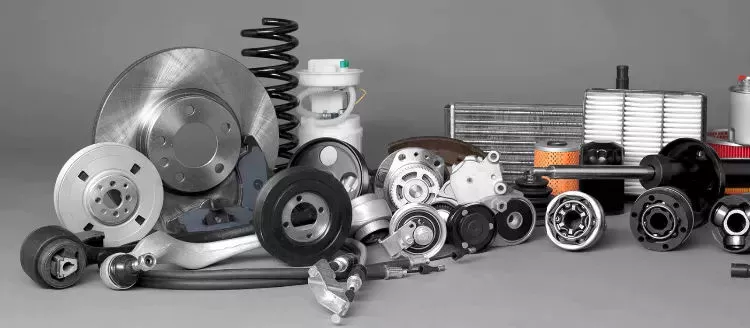
Kan drivaksler tilpasses til brug i både bilindustrien og industrien?
Ja, drivaksler kan tilpasses til brug i både bilindustrien og industrien. Selvom der kan være visse forskelle i design og specifikationer baseret på de specifikke anvendelseskrav, forbliver de grundlæggende principper og funktioner for drivaksler gældende i begge sammenhænge. Her er en detaljeret forklaring:
1. Kraftoverføring:
Drivaksler tjener det primære formål at overføre rotationskraft fra en strømkilde, såsom en motor, til drevne komponenter, som kan være hjul, maskiner eller andre mekaniske systemer. Denne grundlæggende funktion gælder for både bil- og industrimiljøer. Uanset om det drejer sig om at levere kraft til hjulene på et køretøj eller overføre drejningsmoment til industrimaskiner, forbliver det grundlæggende princip for kraftoverførsel det samme for drivaksler i begge sammenhænge.
2. Designovervejelser:
Selvom der kan være variationer i design baseret på specifikke anvendelser, er de centrale designovervejelser for drivaksler ens i både bil- og industrimiljøer. Faktorer som momentkrav, driftshastigheder, længde og materialevalg tages i betragtning i begge tilfælde. Bildrivaksler er typisk designet til at imødekomme køretøjets dynamiske drift, herunder variationer i hastighed, vinkler og affjedringsbevægelse. Industrielle drivaksler kan derimod være designet til specifikke maskiner og udstyr under hensyntagen til faktorer som lasteevne, driftsforhold og justeringskrav. De underliggende principper for at sikre korrekte dimensioner, styrke og balance er dog afgørende i både bil- og industridesign af drivaksler.
3. Materialevalg:
Materialevalget til drivaksler påvirkes af de specifikke krav til anvendelsen, uanset om det er i bilindustrien eller industrien. I bilindustrien er drivaksler almindeligvis fremstillet af materialer som stål eller aluminiumlegeringer, der er valgt for deres styrke, holdbarhed og evne til at modstå varierende driftsforhold. I industrielle omgivelser kan drivaksler være fremstillet af en bredere vifte af materialer, herunder stål, rustfrit stål eller endda speciallegeringer, afhængigt af faktorer som belastningskapacitet, korrosionsbestandighed eller temperaturtolerance. Materialevalget er skræddersyet til at imødekomme anvendelsens specifikke behov, samtidig med at effektiv kraftoverførsel og holdbarhed sikres.
4. Ledkonfigurationer:
Både bil- og industrielle drivaksler kan have forskellige ledkonfigurationer for at imødekomme de specifikke krav i applikationen. Universalled (U-led) bruges almindeligvis i begge sammenhænge for at muliggøre vinkelbevægelse og kompensere for skævhed mellem drivakslen og de drevne komponenter. Led med konstant hastighed (CV) anvendes også, især i bil-drivaksler, for at opretholde en konstant rotationshastighed og imødekomme varierende driftsvinkler. Disse ledkonfigurationer er tilpasset og optimeret baseret på de specifikke behov i bil- eller industrielle applikationer.
5. Vedligeholdelse og service:
Selvom vedligeholdelsespraksis kan variere mellem bil- og industrimiljøer, er vigtigheden af regelmæssig inspektion, smøring og afbalancering fortsat afgørende i begge tilfælde. Både bil- og industridrivaksler drager fordel af periodisk vedligeholdelse for at sikre optimal ydeevne, identificere potentielle problemer og forlænge drivakslernes levetid. Smøring af samlinger, inspektion for slid eller skader og afbalanceringsprocedurer er almindelige vedligeholdelsesopgaver for drivaksler i både bil- og industriapplikationer.
6. Tilpasning og tilpasning:
Drivaksler kan tilpasses og tilpasses for at opfylde de specifikke krav i forskellige bil- og industriapplikationer. Producenter tilbyder ofte drivaksler med forskellige længder, diametre og samlingskonfigurationer for at imødekomme en bred vifte af køretøjer eller maskiner. Denne fleksibilitet muliggør tilpasning af drivaksler, så de passer til de specifikke moment-, hastigheds- og dimensionskrav i forskellige applikationer, uanset om det er i bil- eller industrimiljøer.
Kort sagt kan drivaksler tilpasses til brug i både bilindustrien og industrien ved at tage hensyn til de specifikke krav i hver applikation. Selvom der kan være variationer i design, materialer, samlingskonfigurationer og vedligeholdelsespraksis, forbliver de grundlæggende principper for kraftoverførsel, designhensyn og tilpasningsmuligheder gældende i begge sammenhænge. Drivaksler spiller en afgørende rolle i både bilindustrien og industrien, da de muliggør effektiv kraftoverførsel og pålidelig drift i en bred vifte af mekaniske systemer.

What safety precautions should be followed when working with drive shafts?
Working with drive shafts requires adherence to specific safety precautions to prevent accidents, injuries, and damage to equipment. Drive shafts are critical components of a vehicle or machinery’s driveline system and can pose hazards if not handled properly. Here’s a detailed explanation of the safety precautions that should be followed when working with drive shafts:
1. Personal Protective Equipment (PPE):
Always wear appropriate personal protective equipment when working with drive shafts. This may include safety goggles, gloves, steel-toed boots, and protective clothing. PPE helps protect against potential injuries from flying debris, sharp edges, or accidental contact with moving parts.
2. Lockout/Tagout Procedures:
Before working on a drive shaft, ensure that the power source is properly locked out and tagged out. This involves isolating the power supply, such as shutting off the engine or disconnecting the electrical power, and securing it with a lockout/tagout device. This prevents accidental engagement of the drive shaft while maintenance or repair work is being performed.
3. Vehicle or Equipment Support:
When working with drive shafts in vehicles or equipment, use proper support mechanisms to prevent unexpected movement. Securely block the vehicle’s wheels or utilize support stands to prevent the vehicle from rolling or shifting during drive shaft removal or installation. This helps maintain stability and reduces the risk of accidents.
4. Proper Lifting Techniques:
When handling heavy drive shafts, use proper lifting techniques to prevent strain or injuries. Lift with the help of a suitable lifting device, such as a hoist or jack, and ensure that the load is evenly distributed and securely attached. Avoid lifting heavy drive shafts manually or with improper lifting equipment, as this can lead to accidents and injuries.
5. Inspection and Maintenance:
Prior to working on a drive shaft, thoroughly inspect it for any signs of damage, wear, or misalignment. If any abnormalities are detected, consult a qualified technician or engineer before proceeding. Regular maintenance is also essential to ensure the drive shaft is in good working condition. Follow the manufacturer’s recommended maintenance schedule and procedures to minimize the risk of failures or malfunctions.
6. Proper Tools and Equipment:
Use appropriate tools and equipment specifically designed for working with drive shafts. Improper tools or makeshift solutions can lead to accidents or damage to the drive shaft. Ensure that tools are in good condition, properly sized, and suitable for the task at hand. Follow the manufacturer’s instructions and guidelines when using specialized tools or equipment.
7. Controlled Release of Stored Energy:
Some drive shafts, particularly those with torsional dampers or other energy-storing components, can store energy even when the power source is disconnected. Exercise caution when working on such drive shafts and ensure that the stored energy is safely released before disassembly or removal.
8. Training and Expertise:
Work on drive shafts should only be performed by individuals with the necessary training, knowledge, and expertise. If you are not familiar with drive shafts or lack the required skills, seek assistance from qualified technicians or professionals. Improper handling or installation of drive shafts can lead to accidents, damage, or compromised performance.
9. Follow Manufacturer’s Guidelines:
Always follow the manufacturer’s guidelines, instructions, and warnings specific to the drive shaft you are working with. These guidelines provide important information regarding installation, maintenance, and safety considerations. Deviating from the manufacturer’s recommendations may result in unsafe conditions or void warranty coverage.
10. Disposal of Old or Damaged Drive Shafts:
Dispose of old or damaged drive shafts in accordance with local regulations and environmental guidelines. Improper disposal can have negative environmental impacts and may violate legal requirements. Consult with local waste management authorities or recycling centers to ensure appropriate disposal methods are followed.
By following these safety precautions, individuals can minimize the risks associated with working with drive shafts and promote a safe working environment. It is crucial to prioritize personal safety, use proper equipment and techniques, and seek professional help when needed to ensure the proper handling and maintenance of drive shafts.
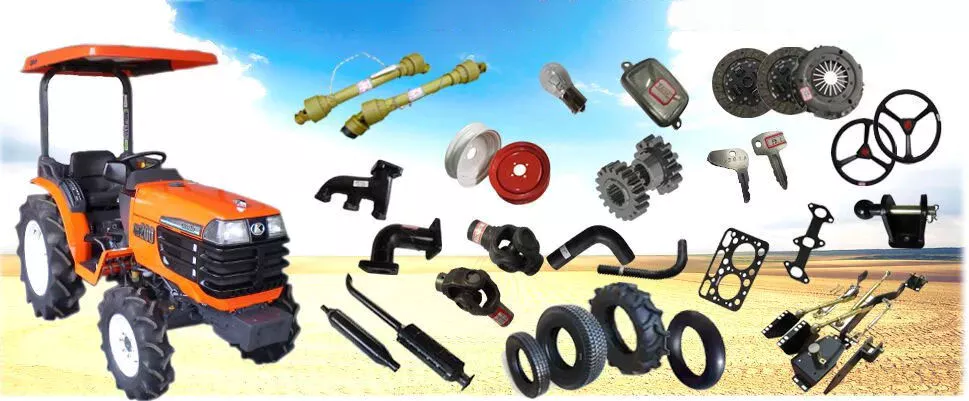
Are there variations in drive shaft designs for different types of machinery?
Yes, there are variations in drive shaft designs to cater to the specific requirements of different types of machinery. The design of a drive shaft is influenced by factors such as the application, power transmission needs, space limitations, operating conditions, and the type of driven components. Here’s an explanation of how drive shaft designs can vary for different types of machinery:
1. Automotive Applications:
In the automotive industry, drive shaft designs can vary depending on the vehicle’s configuration. Rear-wheel-drive vehicles typically use a single-piece or two-piece drive shaft, which connects the transmission or transfer case to the rear differential. Front-wheel-drive vehicles often use a different design, employing a drive shaft that combines with the constant velocity (CV) joints to transmit power to the front wheels. All-wheel-drive vehicles may have multiple drive shafts to distribute power to all wheels. The length, diameter, material, and joint types can differ based on the vehicle’s layout and torque requirements.
2. Industrial Machinery:
Drive shaft designs for industrial machinery depend on the specific application and power transmission requirements. In manufacturing machinery, such as conveyors, presses, and rotating equipment, drive shafts are designed to transfer power efficiently within the machine. They may incorporate flexible joints or use a splined or keyed connection to accommodate misalignment or allow for easy disassembly. The dimensions, materials, and reinforcement of the drive shaft are selected based on the torque, speed, and operating conditions of the machinery.
3. Agriculture and Farming:
Agricultural machinery, such as tractors, combines, and harvesters, often requires drive shafts that can handle high torque loads and varying operating angles. These drive shafts are designed to transmit power from the engine to attachments and implements, such as mowers, balers, tillers, and harvesters. They may incorporate telescopic sections to accommodate adjustable lengths, flexible joints to compensate for misalignment during operation, and protective shielding to prevent entanglement with crops or debris.
4. Construction and Heavy Equipment:
Construction and heavy equipment, including excavators, loaders, bulldozers, and cranes, require robust drive shaft designs capable of transmitting power in demanding conditions. These drive shafts often have larger diameters and thicker walls to handle high torque loads. They may incorporate universal joints or CV joints to accommodate operating angles and absorb shocks and vibrations. Drive shafts in this category may also have additional reinforcements to withstand the harsh environments and heavy-duty applications associated with construction and excavation.
5. Marine and Maritime Applications:
Drive shaft designs for marine applications are specifically engineered to withstand the corrosive effects of seawater and the high torque loads encountered in marine propulsion systems. Marine drive shafts are typically made from stainless steel or other corrosion-resistant materials. They may incorporate flexible couplings or dampening devices to reduce vibration and mitigate the effects of misalignment. The design of marine drive shafts also considers factors such as shaft length, diameter, and support bearings to ensure reliable power transmission in marine vessels.
6. Mining and Extraction Equipment:
In the mining industry, drive shafts are used in heavy machinery and equipment such as mining trucks, excavators, and drilling rigs. These drive shafts need to withstand extremely high torque loads and harsh operating conditions. Drive shaft designs for mining applications often feature larger diameters, thicker walls, and specialized materials such as alloy steel or composite materials. They may incorporate universal joints or CV joints to handle operating angles, and they are designed to be resistant to abrasion and wear.
These examples highlight the variations in drive shaft designs for different types of machinery. The design considerations take into account factors such as power requirements, operating conditions, space constraints, alignment needs, and the specific demands of the machinery or industry. By tailoring the drive shaft design to the unique requirements of each application, optimal power transmission efficiency and reliability can be achieved.


editor by CX 2024-03-19























