
Productbeschrijving
CNC Machining Customized Factory price Drive Shaft Made by SS 304
| Materialen | Koolstofstaal: 10#, 18#, 1018, 22#, 1571, 40Cr, 45#, 1045, 50#, 55#, 60#, 65Mn, 70#, 72B, 80#, 82B Gelegeerd constructiestaal: B7, 20CrMo, 42CrMo, SCM415, SCM440, 4140 Hoogwaardig chroomhoudend staal met een hoog koolstofgehalte: GCr15, 52100, SUJ2 Vrij snijdend staal: 12L14, 12L15 Roestvrij staal: 1Cr13, 2Cr13, 3Cr13, 4Cr13, 1Cr17, SUS410, SUS420, SUS430, SUS416, SUS440C, 17-4, 17-4PH, 130M, 200, 201, 202, 205, 303, 303Cu, 304, 316, 316L Aluminiumkwaliteit: 6061, 6063 Messing: Hpb58-2.5 (C38000), Hpb59-1 (C37710), Hpb61-1 (C37100), Hpb62-0.8 (C35000), Hpb63-0.1 (C34900), Hpb63-3 (C34500), H60, H62, H63, H65 |
| Diameter | Ø0.3-Ø25 |
| Diameter tolerantie | 0,002 mm |
| Rondheid | 0,0005 mm |
| Ruwheid | Ra0.05 |
| Rechtheid | 0,005 mm |
| Hardheid: | HRC/HV |
| Lengte | 2 mm-1000 mm |
| Warmtebehandeling | 1. Oliekoeling 2. Hoogfrequente demping 3. Carburisatie 4. Vacuümwarmtebehandeling 5. Mesh belt CZPT heat treatment |
| Oppervlaktebehandeling | 1. Vernikkelen 2. Verzinken 3. Passivering van de galvanische laag 4. Fosfateren van de galvanische laag 5. Zwarte coating 6. Anodisatiebehandeling |
| Pakket | Plastic zakken aan de binnenkant en standaard kartonnen dozen aan de buitenkant. Verzending per pallet of volgens de verpakkingsspecificaties van de klant. |
| Garantiebeleid | Wij bevestigen dat onze kwaliteit voldoet aan 99,9% en bieden 6 maanden kwaliteitsgarantie. |
| Klantenservice | We will follow up the requst strictly for customers and will help customers solve problems after sale. |
Swiss High-Precision CNC Machining Process
Other Category From Cold Forging Process
Bedrijfsprofiel
HangZhou CZPT is an integrated manufacturing and trading enterprise with over 30 years of experience. We specialize in providing customized solutions for non-standard fasteners, CNC machined parts, stamping parts, and other metal products. With a sprawling facility covering an area of 5,500 square meters, we have 3 workshops including cold heading, stamping, and cnc machining.
At Hanyee Metal, we take pride in our commitment to delivering high-quality products and tailor-made solutions to meet our customers’ specific needs. Our team of skilled professionals ensures precision and CZPT in every aspect of the manufacturing process. Whether it’s fasteners for unique applications, intricately machined parts, or precision-stamped components, we have the capabilities to exceed your expectations.
Hanyee’s products exporting to more than 30 countries, especially in North American and European markets. Being the supplier for famous brands like : ITW, Ruen, Infenion, WMG,Fnox, ects. many years.
inspection
Exhibiting
Customer reception
Packaging and transportation
Customer feedback
Veelgestelde vragen
Q: Please send your price list for our reference.
A: We do not have standard price list because we produce according to customer design.
We can provide the quotation for your inquiries in a shortest possible time.
Q:Please quote the price for me
A: Our standard response time is 2 working hours, once you confirm the demand and drawing we shall provide the quote within 12 working hours.
Q:Can I get some sample?
A: Sure. We believe sample order is a good way to start our cooperation.
If it is a standard product, it would be for free but freight on your account.
If customized, we shall prepare the sample after receipt of development cost.
Q: Have FASTENERS 100% assembled well in stock?
A: Some of standard size is in stock. Most is OEM item out of stock.
Q: Could I use my own LOGO or design on goods?
A: Yes, Customized logo and design on mass production are available.
Q: What is the delivery time?
A: Our lead time for samples is 1 week; 15-30 days for mass production. It is usually according to the quantity and items.
Q:What payment do you accept?
A: We accept T/T, West Union,L/C,Trade Assurance in Alibaba.
Q: Can I trust you?
A: Absolutely! We are “Made In China” & “Alibaba” verified supplier.
Q: May I visit your factory?
A: You are welcome to visit us anytime. We can also pick you up from nearest airport and Train station.
/* 22 januari 2571 19:08:37 */!function(){function s(e,r){var a,o={};try{e&&e.split(“,”).forEach(function(e,t){e&&(a=e.match(/(.*?):(.*)$/))&&1
| Materiaal: | Koolstofstaal |
|---|---|
| Laden: | Aandrijfas |
| Stijfheid en flexibiliteit: | Flexible Shaft |
| Dimensionale nauwkeurigheid van de asdiameter: | 0.005 |
| Asvorm: | Rechte as |
| Schachtvorm: | Stepped Shaft |
| Voorbeelden: |
US$ 10/Piece
1 stuk (minimale bestelling) | |
|---|
| Aanpassing: |
Beschikbaar
| Aanvraag op maat |
|---|
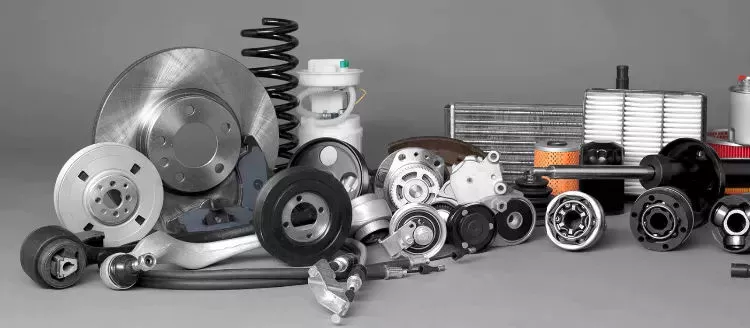
Can drive shafts be adapted for use in both automotive and industrial settings?
Yes, drive shafts can be adapted for use in both automotive and industrial settings. While there may be some differences in design and specifications based on the specific application requirements, the fundamental principles and functions of drive shafts remain applicable in both contexts. Here’s a detailed explanation:
1. Power Transmission:
Drive shafts serve the primary purpose of transmitting rotational power from a power source, such as an engine or motor, to driven components, which can be wheels, machinery, or other mechanical systems. This fundamental function applies to both automotive and industrial settings. Whether it’s delivering power to the wheels of a vehicle or transferring torque to industrial machinery, the basic principle of power transmission remains the same for drive shafts in both contexts.
2. Design Considerations:
While there may be variations in design based on specific applications, the core design considerations for drive shafts are similar in both automotive and industrial settings. Factors such as torque requirements, operating speeds, length, and material selection are taken into account in both cases. Automotive drive shafts are typically designed to accommodate the dynamic nature of vehicle operation, including variations in speed, angles, and suspension movement. Industrial drive shafts, on the other hand, may be designed for specific machinery and equipment, taking into consideration factors such as load capacity, operating conditions, and alignment requirements. However, the underlying principles of ensuring proper dimensions, strength, and balance are essential in both automotive and industrial drive shaft designs.
3. Material Selection:
The material selection for drive shafts is influenced by the specific requirements of the application, whether in automotive or industrial settings. In automotive applications, drive shafts are commonly made from materials such as steel or aluminum alloys, chosen for their strength, durability, and ability to withstand varying operating conditions. In industrial settings, drive shafts may be made from a broader range of materials, including steel, stainless steel, or even specialized alloys, depending on factors such as load capacity, corrosion resistance, or temperature tolerance. The material selection is tailored to meet the specific needs of the application while ensuring efficient power transfer and durability.
4. Joint Configurations:
Both automotive and industrial drive shafts may incorporate various joint configurations to accommodate the specific requirements of the application. Universal joints (U-joints) are commonly used in both contexts to allow for angular movement and compensate for misalignment between the drive shaft and driven components. Constant velocity (CV) joints are also utilized, particularly in automotive drive shafts, to maintain a constant velocity of rotation and accommodate varying operating angles. These joint configurations are adapted and optimized based on the specific needs of automotive or industrial applications.
5. Maintenance and Service:
While maintenance practices may vary between automotive and industrial settings, the importance of regular inspection, lubrication, and balancing remains crucial in both cases. Both automotive and industrial drive shafts benefit from periodic maintenance to ensure optimal performance, identify potential issues, and prolong the lifespan of the drive shafts. Lubrication of joints, inspection for wear or damage, and balancing procedures are common maintenance tasks for drive shafts in both automotive and industrial applications.
6. Customization and Adaptation:
Drive shafts can be customized and adapted to meet the specific requirements of various automotive and industrial applications. Manufacturers often offer drive shafts with different lengths, diameters, and joint configurations to accommodate a wide range of vehicles or machinery. This flexibility allows for the adaptation of drive shafts to suit the specific torque, speed, and dimensional requirements of different applications, whether in automotive or industrial settings.
In summary, drive shafts can be adapted for use in both automotive and industrial settings by considering the specific requirements of each application. While there may be variations in design, materials, joint configurations, and maintenance practices, the fundamental principles of power transmission, design considerations, and customization options remain applicable in both contexts. Drive shafts play a crucial role in both automotive and industrial applications, enabling efficient power transfer and reliable operation in a wide range of mechanical systems.

What safety precautions should be followed when working with drive shafts?
Working with drive shafts requires adherence to specific safety precautions to prevent accidents, injuries, and damage to equipment. Drive shafts are critical components of a vehicle or machinery’s driveline system and can pose hazards if not handled properly. Here’s a detailed explanation of the safety precautions that should be followed when working with drive shafts:
1. Personal Protective Equipment (PPE):
Always wear appropriate personal protective equipment when working with drive shafts. This may include safety goggles, gloves, steel-toed boots, and protective clothing. PPE helps protect against potential injuries from flying debris, sharp edges, or accidental contact with moving parts.
2. Lockout/Tagout Procedures:
Before working on a drive shaft, ensure that the power source is properly locked out and tagged out. This involves isolating the power supply, such as shutting off the engine or disconnecting the electrical power, and securing it with a lockout/tagout device. This prevents accidental engagement of the drive shaft while maintenance or repair work is being performed.
3. Vehicle or Equipment Support:
When working with drive shafts in vehicles or equipment, use proper support mechanisms to prevent unexpected movement. Securely block the vehicle’s wheels or utilize support stands to prevent the vehicle from rolling or shifting during drive shaft removal or installation. This helps maintain stability and reduces the risk of accidents.
4. Proper Lifting Techniques:
When handling heavy drive shafts, use proper lifting techniques to prevent strain or injuries. Lift with the help of a suitable lifting device, such as a hoist or jack, and ensure that the load is evenly distributed and securely attached. Avoid lifting heavy drive shafts manually or with improper lifting equipment, as this can lead to accidents and injuries.
5. Inspection and Maintenance:
Prior to working on a drive shaft, thoroughly inspect it for any signs of damage, wear, or misalignment. If any abnormalities are detected, consult a qualified technician or engineer before proceeding. Regular maintenance is also essential to ensure the drive shaft is in good working condition. Follow the manufacturer’s recommended maintenance schedule and procedures to minimize the risk of failures or malfunctions.
6. Proper Tools and Equipment:
Use appropriate tools and equipment specifically designed for working with drive shafts. Improper tools or makeshift solutions can lead to accidents or damage to the drive shaft. Ensure that tools are in good condition, properly sized, and suitable for the task at hand. Follow the manufacturer’s instructions and guidelines when using specialized tools or equipment.
7. Controlled Release of Stored Energy:
Some drive shafts, particularly those with torsional dampers or other energy-storing components, can store energy even when the power source is disconnected. Exercise caution when working on such drive shafts and ensure that the stored energy is safely released before disassembly or removal.
8. Training and Expertise:
Work on drive shafts should only be performed by individuals with the necessary training, knowledge, and expertise. If you are not familiar with drive shafts or lack the required skills, seek assistance from qualified technicians or professionals. Improper handling or installation of drive shafts can lead to accidents, damage, or compromised performance.
9. Follow Manufacturer’s Guidelines:
Always follow the manufacturer’s guidelines, instructions, and warnings specific to the drive shaft you are working with. These guidelines provide important information regarding installation, maintenance, and safety considerations. Deviating from the manufacturer’s recommendations may result in unsafe conditions or void warranty coverage.
10. Disposal of Old or Damaged Drive Shafts:
Dispose of old or damaged drive shafts in accordance with local regulations and environmental guidelines. Improper disposal can have negative environmental impacts and may violate legal requirements. Consult with local waste management authorities or recycling centers to ensure appropriate disposal methods are followed.
By following these safety precautions, individuals can minimize the risks associated with working with drive shafts and promote a safe working environment. It is crucial to prioritize personal safety, use proper equipment and techniques, and seek professional help when needed to ensure the proper handling and maintenance of drive shafts.
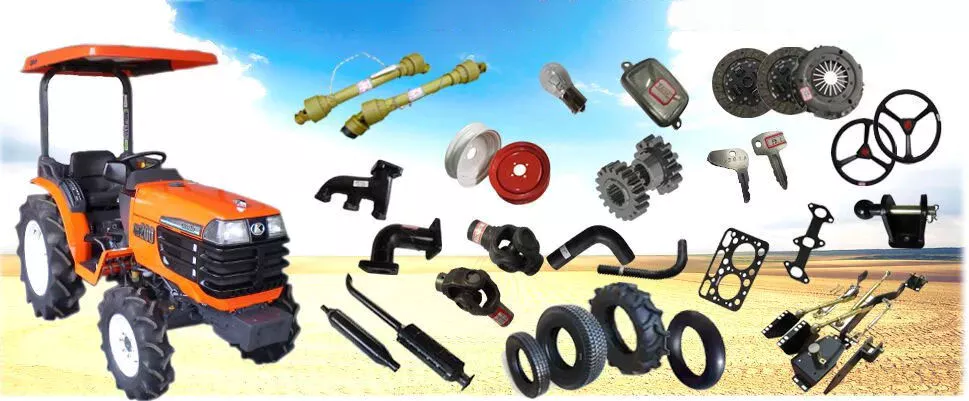
Zijn er variaties in het ontwerp van aandrijfassen voor verschillende soorten machines?
Ja, er bestaan variaties in het ontwerp van aandrijfassen om te voldoen aan de specifieke eisen van verschillende soorten machines. Het ontwerp van een aandrijfas wordt beïnvloed door factoren zoals de toepassing, de behoefte aan krachtoverbrenging, ruimtebeperkingen, bedrijfsomstandigheden en het type aangedreven componenten. Hieronder volgt een uitleg over hoe aandrijfasontwerpen kunnen variëren voor verschillende soorten machines:
1. Toepassingen in de automobielindustrie:
In de auto-industrie kunnen aandrijfassen variëren afhankelijk van de configuratie van het voertuig. Achterwielaangedreven voertuigen gebruiken doorgaans een aandrijfas uit één of twee delen, die de transmissie of tussenbak verbindt met het achterdifferentieel. Voorwielaangedreven voertuigen gebruiken vaak een ander ontwerp, waarbij een aandrijfas in combinatie met homokinetische koppelingen (CV-koppelingen) de kracht overbrengt naar de voorwielen. Vierwielaangedreven voertuigen kunnen meerdere aandrijfassen hebben om de kracht over alle wielen te verdelen. De lengte, diameter, het materiaal en de soorten koppelingen kunnen verschillen op basis van de lay-out van het voertuig en de koppelvereisten.
2. Industriële machines:
Het ontwerp van aandrijfassen voor industriële machines hangt af van de specifieke toepassing en de eisen aan de krachtoverbrenging. In productiemachines, zoals transportbanden, persen en roterende apparatuur, zijn aandrijfassen ontworpen om de kracht efficiënt binnen de machine over te brengen. Ze kunnen flexibele verbindingen bevatten of gebruikmaken van een spie- of sleutelverbinding om uitlijningsfouten op te vangen of eenvoudige demontage mogelijk te maken. De afmetingen, materialen en versterking van de aandrijfas worden gekozen op basis van het koppel, de snelheid en de bedrijfsomstandigheden van de machine.
3. Landbouw en veeteelt:
Landbouwmachines, zoals tractoren, maaidorsers en oogstmachines, vereisen vaak aandrijfassen die bestand zijn tegen hoge koppelbelastingen en variërende werkhoeken. Deze aandrijfassen zijn ontworpen om de kracht van de motor over te brengen op aanbouwdelen en werktuigen, zoals maaiers, balenpersen, grondfrezen en oogstmachines. Ze kunnen telescopische secties bevatten voor verstelbare lengtes, flexibele verbindingen om uitlijningsfouten tijdens gebruik te compenseren en beschermende afschermingen om te voorkomen dat ze verstrikt raken in gewassen of ander vuil.
4. Bouw en zwaar materieel:
Bouw- en zwaar materieel, waaronder graafmachines, laders, bulldozers en kranen, vereisen robuuste aandrijfassen die in staat zijn om kracht over te brengen onder veeleisende omstandigheden. Deze aandrijfassen hebben vaak een grotere diameter en dikkere wanden om hoge koppelbelastingen aan te kunnen. Ze kunnen zijn voorzien van kruiskoppelingen of homokinetische koppelingen om de werkhoeken te compenseren en schokken en trillingen op te vangen. Aandrijfassen in deze categorie kunnen ook extra verstevigingen hebben om bestand te zijn tegen de zware omstandigheden en toepassingen die kenmerkend zijn voor bouw- en graafwerkzaamheden.
5. Maritieme toepassingen:
Aandrijfassen voor maritieme toepassingen zijn specifiek ontworpen om de corrosieve effecten van zeewater en de hoge koppelbelastingen in scheepsaandrijfsystemen te weerstaan. Scheepsaandrijfassen worden doorgaans gemaakt van roestvrij staal of andere corrosiebestendige materialen. Ze kunnen flexibele koppelingen of dempingsmechanismen bevatten om trillingen te verminderen en de effecten van verkeerde uitlijning te beperken. Bij het ontwerp van scheepsaandrijfassen wordt ook rekening gehouden met factoren zoals aslengte, diameter en steunlagers om een betrouwbare krachtoverbrenging in schepen te garanderen.
6. Mijnbouw- en winningsapparatuur:
In de mijnbouw worden aandrijfassen gebruikt in zware machines en apparatuur zoals mijnbouwvrachtwagens, graafmachines en boorinstallaties. Deze aandrijfassen moeten bestand zijn tegen extreem hoge koppelbelastingen en zware bedrijfsomstandigheden. Aandrijfassen voor mijnbouwtoepassingen hebben vaak een grotere diameter, dikkere wanden en zijn vervaardigd van speciale materialen zoals gelegeerd staal of composietmaterialen. Ze kunnen zijn voorzien van kruiskoppelingen of homokinetische koppelingen om de werkhoeken te kunnen overbruggen en zijn ontworpen om slijtage te weerstaan.
Deze voorbeelden illustreren de variaties in aandrijfasontwerpen voor verschillende soorten machines. Bij het ontwerp wordt rekening gehouden met factoren zoals vermogensbehoefte, bedrijfsomstandigheden, ruimtebeperkingen, uitlijningseisen en de specifieke eisen van de machine of industrie. Door het ontwerp van de aandrijfas af te stemmen op de unieke eisen van elke toepassing, kunnen optimale efficiëntie en betrouwbaarheid van de krachtoverbrenging worden bereikt.


editor by CX 2024-03-19























