
Productbeschrijving
| Tractor Pto Shaft |
1. Product Description
|
2. More Products
3. The Structure Of PTO Shaft
4. Installing Process
5. Packing and Shipping
6.Our Company
HangZhou CHINAMFG Tech.Machinery Co.,Ltd was founded in 2003. It is located at HangZhou County, HangZhou City, closed to 204 National Road.Our main products: 1. all kinds of drive shaft 2.all kinds of gera box 3. Farm machinery: IMT500 inorganic fertilizer spreader, HMT05S organic fertilizer spreader, 3M rotovator , 3M wet-paddy field rotary, King 185 deep cultviating machine and so on. 4.The machinery parts: many kinds of Gear, Shaft, Flang, ,Gear box, Laser parts, Stamping parts and so on.
7. FAQ
1. Q: Are your products forged or cast?
A: All of our products are forged.
2. Q: What’s your MOQ?
A: 20 PCS for each type. We accept the sample order.
3. Q: What’s the horse power of the pto shaft are available?
A: We provide a full range of pto shaft, ranging from 16HP-200HP.
4. Q: How many splined specification do you have ?
A: We produce 1 1/8″-Z6, 1 3/8″-Z6, 1 3/4″-Z6, 1 3/8″- Z21, 1 3/4″-Z20, 8X42X48X8 and 8X32X38X6 splines.
5. Q: How about the warranty?
A: We guarantee 1 year warranty. With quality problems, we will send you the new products for free within next shipment.
6. Q: What’s your payment terms?
A: T/T, L/C, D/A, D/P….
7. Q: What is the delivery time?
A: 40 days after receiving your advanced deposit.
| Materiaal: | Koolstofstaal |
|---|---|
| Laden: | Aandrijfas |
| Stijfheid en flexibiliteit: | Stijfheid / Starre as |
| Asvorm: | Rechte as |
| Appearance Shape: | Round |
| Ontwerp: | Op maat gemaakt |
| Aanpassing: |
Beschikbaar
| Aanvraag op maat |
|---|
Hoe zorgen fabrikanten ervoor dat aftakasassen compatibel zijn met verschillende machines?
Fabrikanten nemen diverse maatregelen om de compatibiliteit van aftakasassen (PTO-assen) met verschillende machines te garanderen. Compatibiliteit is cruciaal om ervoor te zorgen dat aftakasassen de kracht van de krachtbron effectief kunnen overbrengen naar de aangedreven machine, zonder dat dit ten koste gaat van de prestaties, veiligheid of het gebruiksgemak. Hieronder volgt een gedetailleerde uitleg van hoe fabrikanten compatibiliteit waarborgen:
1. Standaardisatie: Aftakasassen worden ontworpen en geproduceerd volgens gestandaardiseerde specificaties. Deze specificaties beschrijven de essentiële parameters, zoals asafmetingen, spiebanenmaten, koppelwaarden en veiligheidseisen. Door zich aan gestandaardiseerde ontwerpen te houden, zorgen fabrikanten ervoor dat aftakasassen compatibel zijn met een breed scala aan apparatuur die aan dezelfde normen voldoet. Standaardisatie maakt uitwisselbaarheid mogelijk, wat betekent dat aftakasassen van de ene fabrikant kunnen worden gebruikt met apparatuur van een andere fabrikant, zolang ze maar aan dezelfde specificaties voldoen.
2. Samenwerking met fabrikanten van apparatuur: Fabrikanten van aftakasassen werken vaak nauw samen met machinefabrikanten om compatibiliteit te garanderen. Ze werken samen om de specifieke eisen van de machines te begrijpen en aftakasassen te ontwerpen die naadloos op de machines aansluiten. Deze samenwerking kan bestaan uit het delen van technische specificaties, het uitvoeren van gezamenlijke tests en het uitwisselen van feedback. Door samen te werken kunnen fabrikanten eventuele compatibiliteitsproblemen vroegtijdig in het ontwerp- en ontwikkelingsproces aanpakken, wat resulteert in aftakasassen die perfect zijn afgestemd op de behoeften van de machine.
3. Aanpassingsopties: Fabrikanten van aftakasassen bieden aanpassingsmogelijkheden voor verschillende machineconfiguraties. Ze bieden flexibiliteit op het gebied van aslengte, spiebanen, jukontwerpen en koppelingsmechanismen. Machinefabrikanten kunnen de vereiste parameters specificeren, waarna de aftakasassen dienovereenkomstig kunnen worden aangepast. Dit zorgt ervoor dat de aftakasassen precies aansluiten op de vermogensinput/output-vereisten en aansluitmethoden van de machine, waardoor compatibiliteit en efficiënte krachtoverdracht worden gegarandeerd.
4. Testen en validatie: Fabrikanten voeren strenge test- en validatieprocessen uit om de compatibiliteit en prestaties van aftakasassen te garanderen. Ze onderwerpen de assen aan diverse tests, waaronder koppeltests, rotatiesnelheidstests en duurzaamheidstests. Deze tests verifiëren dat de aftakasassen de verwachte vermogensbelasting en bedrijfsomstandigheden zonder storingen aankunnen. Door de prestaties van de aftakasassen te valideren, kunnen fabrikanten ervoor zorgen dat ze compatibel zijn met een breed scala aan apparatuur en dat ze onder verschillende bedrijfsomstandigheden betrouwbaar vermogen kunnen overbrengen.
5. Naleving van industrienormen: Fabrikanten van aftakasassen houden zich aan industrienormen en -voorschriften om compatibiliteit te garanderen. Organisaties zoals de American Society of Agricultural and Biological Engineers (ASABE) stellen veiligheids- en prestatienormen vast voor aftakasassen. Fabrikanten ontwerpen en produceren hun assen in overeenstemming met deze normen, zodat hun producten voldoen aan de noodzakelijke eisen voor compatibiliteit en veiligheid. Naleving van industrienormen biedt fabrikanten van apparatuur en eindgebruikers de zekerheid dat de aftakasassen compatibel en geschikt zijn voor gebruik met verschillende machines.
6. Documentatie en richtlijnen: Fabrikanten leveren uitgebreide documentatie en richtlijnen om fabrikanten van apparatuur en eindgebruikers te helpen bij het waarborgen van compatibiliteit. Deze documentatie omvat technische specificaties, installatie-instructies, onderhoudsrichtlijnen en veiligheidsaanbevelingen. De documentatie helpt fabrikanten van apparatuur bij het selecteren van de juiste aftakas voor hun apparatuur en biedt richtlijnen voor correcte installatie en gebruik. Door de richtlijnen van de fabrikant te volgen, kunnen fabrikanten van apparatuur compatibiliteit garanderen en de prestaties van de aftakas optimaliseren.
7. Lopende onderzoeks- en ontwikkelingsactiviteiten: Fabrikanten van aftakasassen investeren voortdurend in onderzoek en ontwikkeling om de compatibiliteit met verschillende machines te verbeteren. Ze blijven op de hoogte van trends in de sector, technologische ontwikkelingen en veranderende eisen aan machines. Dankzij dit voortdurende onderzoek en deze ontwikkeling kunnen fabrikanten het ontwerp, de materialen en de eigenschappen van aftakasassen verbeteren, waardoor compatibiliteit met de nieuwste machine-innovaties wordt gewaarborgd en eventuele compatibiliteitsproblemen worden opgelost.
Door standaardisatie toe te passen, samen te werken met fabrikanten van apparatuur, maatwerkopties aan te bieden, grondige tests uit te voeren, te voldoen aan industrienormen, documentatie en richtlijnen te verstrekken en te investeren in onderzoek en ontwikkeling, zorgen fabrikanten ervoor dat aftakasassen compatibel zijn met verschillende apparatuur. Deze compatibiliteit maakt een naadloze integratie, efficiënte krachtoverdracht en optimale prestaties mogelijk voor een breed scala aan machines en apparatuur in diverse industrieën.
Are there any limitations or disadvantages associated with PTO shafts?
While PTO (Power Take-Off) shafts offer numerous advantages in terms of power transfer and versatility, they also have certain limitations and disadvantages. It’s important to consider these factors when using PTO shafts to ensure safe and efficient operation. Here’s a detailed explanation of some limitations and disadvantages associated with PTO shafts:
1. Safety Hazards: One of the primary concerns with PTO shafts is the potential for safety hazards. PTO shafts rotate at high speeds and can pose a significant risk if not properly guarded or handled. Accidental contact with an exposed or inadequately shielded PTO shaft can result in severe injuries, including entanglement, amputation, or even fatalities. It is crucial to follow safety guidelines, implement proper guarding, and ensure that operators are well-trained on safe handling practices to mitigate these risks.
2. Onderhoud en smering: PTO shafts require regular maintenance and lubrication to ensure optimal performance and longevity. The moving parts, such as universal joints and splines, need to be inspected, cleaned, and lubricated at recommended intervals. Neglecting maintenance can lead to premature wear, decreased efficiency, and potential failures. Proper maintenance practices, including regular inspections and timely lubrication, are essential to mitigate these issues.
3. Alignment and Angles: PTO shafts rely on proper alignment and angles to ensure efficient power transfer. Misalignment or excessive angles between the power source and driven machinery can cause increased wear and strain on the components, leading to premature failure. Ensuring proper alignment and angle adjustment, using adjustable sliding yokes or other means, is important to prevent excessive stress on the PTO shaft and associated equipment.
4. Length Limitations: PTO shafts have limitations on their maximum and minimum length due to engineering constraints. The telescoping design allows for some adjustment, but there is a practical limit to how much the shaft can extend or retract. If the distance between the power source and driven machinery exceeds the maximum or falls below the minimum length of the PTO shaft, alternative solutions or modifications may be required. In some cases, additional components such as drive shaft extensions or gearboxes may be necessary to bridge the distance.
5. Compatibility: While manufacturers strive to ensure compatibility, there can still be challenges in finding the right PTO shaft for specific equipment configurations. Equipment may have unique requirements in terms of spline sizes, torque ratings, or connection methods that may not be readily available or compatible with off-the-shelf PTO shafts. Customization may be required to address these compatibility issues, which can result in increased costs or lead times.
6. Noise and Vibrations: PTO shafts in operation can generate significant noise and vibrations, especially at higher speeds. This can be a nuisance for operators and may require additional measures to reduce noise levels or dampen vibrations. Excessive vibrations can also affect the overall performance and lifespan of the PTO shaft and connected equipment. Implementing vibration dampeners or using flexible couplings can help mitigate these issues.
7. Power Limits: PTO shafts have specific power limits based on their design, materials, and components. Exceeding these power limits can lead to premature wear, component failures, or even shaft breakage. It is crucial to understand and adhere to the recommended power ratings for PTO shafts to ensure safe and reliable operation. In some cases, upgrading to a higher-capacity PTO shaft or implementing additional power transmission components may be necessary to accommodate higher power requirements.
8. Complex Installation and Removal: Installing and removing PTO shafts can be a complex process, especially in confined spaces or when dealing with heavy equipment. It may require aligning splines, engaging couplings, and securing locking mechanisms. Improper installation or removal techniques can lead to damage to the shaft or associated equipment. Proper training, handling equipment, and following manufacturer guidelines are essential to simplify and ensure the safe installation and removal of PTO shafts.
Despite these limitations and disadvantages, PTO shafts remain widely used and valuable components for power transfer in various industries. By addressing these considerations and implementing proper safety measures, maintenance practices, and alignment procedures, the potential drawbacks of PTO shafts can be effectively mitigated, allowing for safe and efficient operation.

How do PTO shafts contribute to transferring power from tractors to implements?
PTO shafts (Power Take-Off shafts) play a critical role in transferring power from tractors to implements in agricultural and industrial settings. They provide a reliable and efficient means of power transmission, enabling tractors to drive various implements and perform a wide range of tasks. Here’s a detailed explanation of how PTO shafts contribute to transferring power from tractors to implements:
Stroombron: Tractors are equipped with powerful engines designed to generate substantial amounts of mechanical power. This power is harnessed to drive the tractor’s wheels and operate hydraulic systems, as well as to provide power for the attachment of implements through the PTO shaft. The PTO shaft typically connects to the rear or side of the tractor, where the power take-off mechanism is located. The power take-off derives power directly from the tractor’s engine or transmission, allowing for efficient power transfer to the PTO shaft.
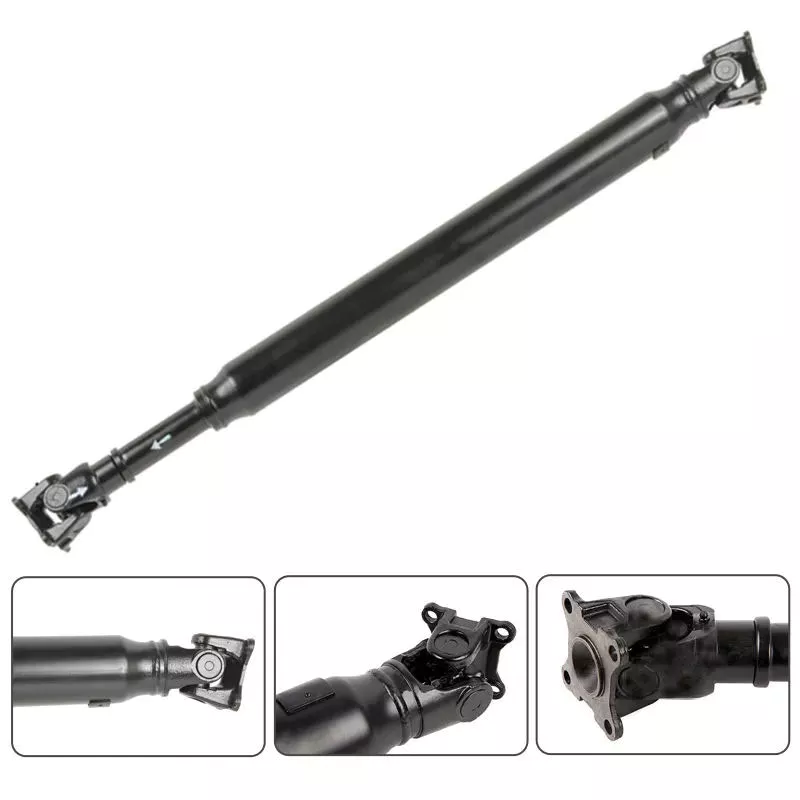
PTO Shaft Design: PTO shafts are designed as driveline components that transmit rotational power and torque from the tractor’s power take-off to the implement. They consist of a hollow metal tube with universal joints at each end. The universal joints accommodate angular misalignments and allow the PTO shaft to transmit power even when the tractor and implement are not perfectly aligned. The PTO shaft is also equipped with a safety shield or guard to prevent accidental contact with the rotating shaft, ensuring operator safety during operation.
PTO Engagement: To transfer power from the tractor to the implement, the PTO shaft needs to be engaged. Tractors are equipped with a PTO clutch mechanism that allows operators to engage or disengage the PTO shaft as needed. When the PTO clutch is engaged, power flows from the tractor’s engine through the power take-off mechanism and into the PTO shaft. This rotational power is then transmitted through the PTO shaft to the implement, driving its working components.
Rotational Power Transmission: The rotational power generated by the tractor’s engine is transferred to the PTO shaft through the power take-off mechanism. The PTO shaft, being directly connected to the power take-off, rotates at the same speed as the engine. This rotational power is then transmitted from the PTO shaft to the implement’s driveline or gearbox. The implement’s driveline, in turn, distributes the power to the implement’s working components, such as blades, augers, or pumps, enabling them to carry out their respective functions.
Matching Speed and Power: PTO shafts are designed to match the rotational speed and power requirements of various implements. Tractors often feature multiple speed settings for the PTO, allowing operators to select the appropriate speed for the specific implement being used. Different implements may require different rotational speeds to operate optimally, and the PTO shaft allows for easy adjustment to match those requirements. Additionally, the power generated by the tractor’s engine is transmitted through the PTO shaft, providing the necessary torque to drive the implement’s working components effectively.
Versatility and Efficiency: PTO shafts offer significant versatility and efficiency in agricultural and industrial operations. They allow tractors to power a wide range of implements, including mowers, balers, tillers, sprayers, and grain augers, among others. By connecting implements directly to the tractor’s power source, operators can quickly switch between tasks without the need for separate power generators or engines. This versatility and efficiency streamline workflow, reduce costs, and increase overall productivity in agricultural and industrial settings.
Safety Considerations: While PTO shafts are essential for power transmission, they can pose safety risks if mishandled. The rotating shaft and universal joints can cause severe injuries if operators come into contact with them while in operation. That’s why PTO shafts are equipped with safety shields or guards to prevent accidental contact. Operators should always ensure that the safety shields are in place and secure before engaging the PTO shaft. Proper training, adherence to safety guidelines, and regular maintenance of PTO shafts and associated safety features are crucial to ensuring safe operation.
In summary, PTO shafts are vital components that enable the transfer of power from tractors to implements in agricultural and industrial applications. They provide a reliable and efficient means of power transmission, allowing tractors to drive various implements and perform a wide range of tasks. By engaging the PTO clutch and transmitting rotational power through the PTO shaft, tractors power the working components of implements, providing versatility, efficiency, and productivity in agricultural and industrial operations.


editor by CX 2023-10-01























