
Productbeschrijving
YD13357103 Stand-by drive shaft of 4WG200 Transmission spare part for ZL50E wheel loader
| P/N | MEDOL | Part name | BRAND |
| YD13357103 | 4WG200 | Stand-by drive shaft | Z F |
[Packing&shipping]RO-RO and Container
(1) Complete machine nude packed, small parts with necessary packing and big component naked packing after disassembly for the container.
(2) Spare parts in paper case or wooden carton, big parts nude packing.
[Company Information]
ZheJiang Xihu (West Lake) Dis. Construction Machinery Co., Ltd ( WYCM ) has been offering a complete range of most reliable and cost-effective construction equipments from China to rest of the world which include but not limited to wheel loader, backhoe loader, motor grader, road roller, excavator, truck crane, bulldozer , and etc.
As 1 of the biggest export distributors of China machines spare parts, our business has reached more than 60 regions or countries world widely. The 2000 CBM warehouse and convenient transportation will guarantee you the high availability and short lead time.
Each of our team is rich in construction machinery background and committed to create the most values to our customers.
[Our services]
1.Mining &Construction machinery:
**Wheel loader
LG916 LG918 L918 LG933L L933 LG936L LG938L L938F LG946L L948 L948F LG952N LG952H LG953N L953F L955 L955F L955FN LG956L L956F L956FH LG958L L958F LG959 LG968 L968F LG978 LG979
**Backhoe loader
LGB877 LGB876 WZ30-25
**Motor Grader
G9138 G9165 G9180 G9190 G9200 G9220
**Road Roller
RS7120 RS7200 RS7260 RS8140 RS8160 RS8180 RS8200 RS8220
**Excavator
LG6135E LG6150E LG6210E LG6225E LG6235E LG6250E LG6300E LG6360E LG6400E
** Bulldozer
SD16 TY160 /SD22 TY220/ SD32 TY320
2.Engine parts
(Yuchai(YC6108G) CZPT (Deutz TD226B,WD615) Shangchai (C6121),(6BT5.9..)
3.Transmission
(4WG180,4WG200..) HangZhou advance (ZL30E,ZL50E,YD13,WG180..)
[Customer&Exhibition]
[Name Card]
Any interests, feel free to contact me! /* 22 januari 2571 19:08:37 */!function(){function s(e,r){var a,o={};try{e&&e.split(“,”).forEach(function(e,t){e&&(a=e.match(/(.*?):(.*)$/))&&1
| Sollicitatie: | Wheel Loader |
|---|---|
| Certificering: | CE, ISO9001: 2000 |
| Voorwaarde: | Nieuw |
| Model: | Z F |
| Part Number: | Yd13302003 |
| Part Name: | Stand-by Drive Shaft |
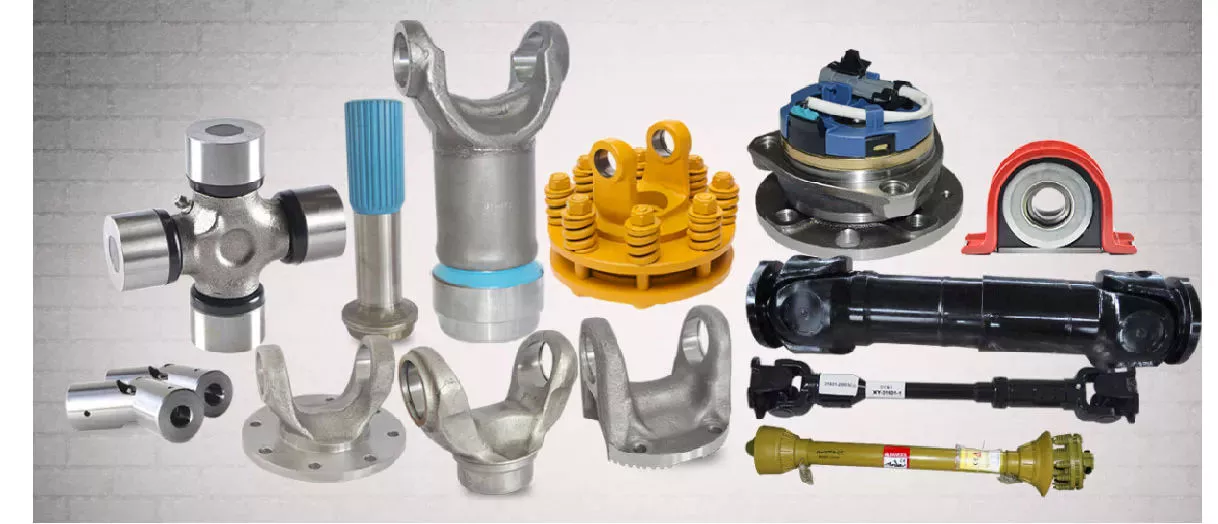
What factors should be considered when selecting the right drive shaft for an application?
When selecting the right drive shaft for an application, several factors need to be considered. The choice of drive shaft plays a crucial role in ensuring efficient and reliable power transmission. Here are the key factors to consider:
1. Power and Torque Requirements:
The power and torque requirements of the application are essential considerations. It is crucial to determine the maximum torque that the drive shaft will need to transmit without failure or excessive deflection. This includes evaluating the power output of the engine or power source, as well as the torque demands of the driven components. Selecting a drive shaft with the appropriate diameter, material strength, and design is essential to ensure it can handle the expected torque levels without compromising performance or safety.
2. Operating Speed:
The operating speed of the drive shaft is another critical factor. The rotational speed affects the dynamic behavior of the drive shaft, including the potential for vibration, resonance, and critical speed limitations. It is important to choose a drive shaft that can operate within the desired speed range without encountering excessive vibrations or compromising the structural integrity. Factors such as the material properties, balance, and critical speed analysis should be considered to ensure the drive shaft can handle the required operating speed effectively.
3. Length and Alignment:
The length and alignment requirements of the application must be considered when selecting a drive shaft. The distance between the engine or power source and the driven components determines the required length of the drive shaft. In situations where there are significant variations in length or operating angles, telescopic drive shafts or multiple drive shafts with appropriate couplings or universal joints may be necessary. Proper alignment of the drive shaft is crucial to minimize vibrations, reduce wear and tear, and ensure efficient power transmission.
4. Space Limitations:
The available space within the application is an important factor to consider. The drive shaft must fit within the allocated space without interfering with other components or structures. It is essential to consider the overall dimensions of the drive shaft, including length, diameter, and any additional components such as joints or couplings. In some cases, custom or compact drive shaft designs may be required to accommodate space limitations while maintaining adequate power transmission capabilities.
5. Environmental Conditions:
The environmental conditions in which the drive shaft will operate should be evaluated. Factors such as temperature, humidity, corrosive agents, and exposure to contaminants can impact the performance and lifespan of the drive shaft. It is important to select materials and coatings that can withstand the specific environmental conditions to prevent corrosion, degradation, or premature failure of the drive shaft. Special considerations may be necessary for applications exposed to extreme temperatures, water, chemicals, or abrasive substances.
6. Application Type and Industry:
The specific application type and industry requirements play a significant role in drive shaft selection. Different industries, such as automotive, aerospace, industrial machinery, agriculture, or marine, have unique demands that need to be addressed. Understanding the specific needs and operating conditions of the application is crucial in determining the appropriate drive shaft design, materials, and performance characteristics. Compliance with industry standards and regulations may also be a consideration in certain applications.
7. Maintenance and Serviceability:
The ease of maintenance and serviceability should be taken into account. Some drive shaft designs may require periodic inspection, lubrication, or replacement of components. Considering the accessibility of the drive shaft and associated maintenance requirements can help minimize downtime and ensure long-term reliability. Easy disassembly and reassembly of the drive shaft can also be beneficial for repair or component replacement.
By carefully considering these factors, one can select the right drive shaft for an application that meets the power transmission needs, operating conditions, and durability requirements, ultimately ensuring optimal performance and reliability.

Hoe dragen aandrijfassen bij aan de efficiëntie van de voertuigaandrijving en de krachtoverbrenging?
Aandrijfassen spelen een cruciale rol in de efficiëntie van voertuigaandrijving en krachtoverbrengingssystemen. Ze zijn verantwoordelijk voor het overbrengen van vermogen van de motor of krachtbron naar de wielen of aangedreven onderdelen. Hieronder volgt een gedetailleerde uitleg over hoe aandrijfassen bijdragen aan de efficiëntie van voertuigaandrijving en krachtoverbrenging:
1. Krachtoverdracht:
Aandrijfassen brengen de kracht van de motor of krachtbron over naar de wielen of aangedreven onderdelen. Door rotatie-energie efficiënt over te brengen, zorgen aandrijfassen ervoor dat het voertuig vooruit kan rijden of de machine kan aandrijven. Het ontwerp en de constructie van aandrijfassen garanderen minimaal energieverlies tijdens het overdrachtsproces, waardoor de efficiëntie van de krachtoverbrenging wordt gemaximaliseerd.
2. Koppelomzetting:
Aandrijfassen zetten het koppel van de motor of krachtbron om naar de wielen of aangedreven componenten. Koppelomzetting is noodzakelijk om de vermogenskarakteristieken van de motor af te stemmen op de eisen van het voertuig of de machine. Aandrijfassen met de juiste koppelomzettingsmogelijkheden zorgen ervoor dat het vermogen dat naar de wielen wordt overgebracht, wordt geoptimaliseerd voor efficiënte aandrijving en prestaties.
3. Homokinetische koppelingen (CV-koppelingen):
Veel aandrijfassen zijn voorzien van homokinetische koppelingen (CV-koppelingen), die helpen een constante snelheid en efficiënte krachtoverbrenging te handhaven, zelfs wanneer de aandrijvende en aangedreven componenten zich onder verschillende hoeken bevinden. Homokinetische koppelingen zorgen voor een soepele krachtoverdracht en minimaliseren trillingen of vermogensverlies die kunnen optreden als gevolg van veranderende werkhoeken. Door een constante snelheid te handhaven, dragen aandrijfassen bij aan een efficiënte krachtoverbrenging en verbeterde algehele voertuigprestaties.
4. Lichtgewicht constructie:
Efficiënte aandrijfassen worden vaak ontworpen met lichtgewicht materialen, zoals aluminium of composietmaterialen. Een lichtgewicht constructie vermindert de roterende massa van de aandrijfas, wat resulteert in een lagere inertie en een verbeterde efficiëntie. Een lagere roterende massa zorgt ervoor dat de motor sneller kan accelereren en decelereren, wat leidt tot een lager brandstofverbruik en betere algehele voertuigprestaties.
5. Minimale wrijving:
Efficiënte aandrijfassen zijn ontworpen om wrijvingsverliezen tijdens krachtoverbrenging te minimaliseren. Ze bevatten kenmerken zoals hoogwaardige lagers, wrijvingsarme afdichtingen en adequate smering om energieverliezen door wrijving te verminderen. Door wrijving te minimaliseren, verbeteren aandrijfassen de efficiëntie van de krachtoverbrenging en maximaliseren ze het beschikbare vermogen voor aandrijving of het aandrijven van andere machines.
6. Evenwichtige en trillingsvrije werking:
Aandrijfassen worden tijdens het productieproces dynamisch gebalanceerd om een soepele en trillingsvrije werking te garanderen. Onevenwichtigheden in de aandrijfas kunnen leiden tot vermogensverlies, verhoogde slijtage en trillingen die de algehele efficiëntie verminderen. Door de aandrijfas te balanceren, kan deze gelijkmatig draaien, waardoor trillingen worden geminimaliseerd en de efficiëntie van de krachtoverbrenging wordt geoptimaliseerd.
7. Onderhoud en regelmatige inspectie:
Goed onderhoud en regelmatige inspectie van aandrijfassen zijn essentieel voor het behoud van hun efficiëntie. Regelmatig smeren, inspectie van verbindingen en componenten, en snelle reparatie of vervanging van versleten of beschadigde onderdelen dragen bij aan een optimale krachtoverbrenging. Goed onderhouden aandrijfassen werken met minimale wrijving, minder vermogensverlies en een verbeterde algehele efficiëntie.
8. Integratie met efficiënte transmissiesystemen:
Aandrijfassen werken samen met efficiënte transmissiesystemen, zoals handgeschakelde, automatische of continu variabele transmissies. Deze transmissies helpen de vermogensafgifte en de overbrengingsverhoudingen te optimaliseren op basis van de rijomstandigheden en de voertuigsnelheid. Door de integratie met efficiënte transmissiesystemen dragen aandrijfassen bij aan de algehele efficiëntie van het aandrijf- en krachtoverbrengingssysteem van het voertuig.
9. Aerodynamische overwegingen:
In sommige gevallen worden aandrijfassen ontworpen met aerodynamische overwegingen in het achterhoofd. Gestroomlijnde aandrijfassen, die vaak worden gebruikt in krachtige of elektrische voertuigen, minimaliseren de luchtweerstand en verbeteren zo de algehele efficiëntie van het voertuig. Door de aerodynamische weerstand te verminderen, dragen aandrijfassen bij aan een efficiënte aandrijving en krachtoverbrenging van het voertuig.
10. Geoptimaliseerde lengte en ontwerp:
Aandrijfassen worden ontworpen met optimale lengtes en constructies om energieverliezen te minimaliseren. Een te lange aandrijfas of een onjuist ontwerp kan leiden tot extra roterende massa, verhoogde buigspanningen en energieverliezen. Door de lengte en het ontwerp te optimaliseren, maximaliseren aandrijfassen de efficiëntie van de krachtoverbrenging en dragen ze bij aan een verbeterde algehele voertuigefficiëntie.
Over het algemeen dragen aandrijfassen bij aan de efficiëntie van de voertuigvoortstuwing en krachtoverbrenging door effectieve krachtoverdracht, koppelomzetting, gebruik van homokinetische koppelingen, lichtgewicht constructie, minimale wrijving, gebalanceerde werking, regelmatig onderhoud, integratie met efficiënte transmissiesystemen, aerodynamische overwegingen en geoptimaliseerde lengte en ontwerp. Door een efficiënte krachtoverbrenging te garanderen en energieverliezen te minimaliseren, spelen aandrijfassen een belangrijke rol in het verbeteren van de algehele efficiëntie en prestaties van voertuigen en machines.

How do drive shafts handle variations in length and torque requirements?
Drive shafts are designed to handle variations in length and torque requirements in order to efficiently transmit rotational power. Here’s an explanation of how drive shafts address these variations:
Length Variations:
Drive shafts are available in different lengths to accommodate varying distances between the engine or power source and the driven components. They can be custom-made or purchased in standardized lengths, depending on the specific application. In situations where the distance between the engine and the driven components is longer, multiple drive shafts with appropriate couplings or universal joints can be used to bridge the gap. These additional drive shafts effectively extend the overall length of the power transmission system.
Additionally, some drive shafts are designed with telescopic sections. These sections can be extended or retracted, allowing for adjustments in length to accommodate different vehicle configurations or dynamic movements. Telescopic drive shafts are commonly used in applications where the distance between the engine and the driven components may change, such as in certain types of trucks, buses, and off-road vehicles.
Torque Requirements:
Drive shafts are engineered to handle varying torque requirements based on the power output of the engine or power source and the demands of the driven components. The torque transmitted through the drive shaft depends on factors such as the engine power, load conditions, and the resistance encountered by the driven components.
Manufacturers consider torque requirements when selecting the appropriate materials and dimensions for drive shafts. Drive shafts are typically made from high-strength materials, such as steel or aluminum alloys, to withstand the torque loads without deformation or failure. The diameter, wall thickness, and design of the drive shaft are carefully calculated to ensure it can handle the expected torque without excessive deflection or vibration.
In applications with high torque demands, such as heavy-duty trucks, industrial machinery, or performance vehicles, drive shafts may have additional reinforcements. These reinforcements can include thicker walls, cross-sectional shapes optimized for strength, or composite materials with superior torque-handling capabilities.
Furthermore, drive shafts often incorporate flexible joints, such as universal joints or constant velocity (CV) joints. These joints allow for angular misalignment and compensate for variations in the operating angles between the engine, transmission, and driven components. They also help absorb vibrations and shocks, reducing stress on the drive shaft and enhancing its torque-handling capacity.
In summary, drive shafts handle variations in length and torque requirements through customizable lengths, telescopic sections, appropriate materials and dimensions, and the inclusion of flexible joints. By carefully considering these factors, drive shafts can efficiently and reliably transmit power while accommodating the specific needs of different applications.


editor by CX 2024-04-26























