
제품 설명
YD13357103 Stand-by drive shaft of 4WG200 Transmission spare part for ZL50E wheel loader
| P/N | MEDOL | Part name | BRAND |
| YD13357103 | 4WG200 | Stand-by drive shaft | Z F |
[Packing&shipping]RO-RO and Container
(1) Complete machine nude packed, small parts with necessary packing and big component naked packing after disassembly for the container.
(2) Spare parts in paper case or wooden carton, big parts nude packing.
[Company Information]
ZheJiang Xihu (West Lake) Dis. Construction Machinery Co., Ltd ( WYCM ) has been offering a complete range of most reliable and cost-effective construction equipments from China to rest of the world which include but not limited to wheel loader, backhoe loader, motor grader, road roller, excavator, truck crane, bulldozer , and etc.
As 1 of the biggest export distributors of China machines spare parts, our business has reached more than 60 regions or countries world widely. The 2000 CBM warehouse and convenient transportation will guarantee you the high availability and short lead time.
Each of our team is rich in construction machinery background and committed to create the most values to our customers.
[Our services]
1.Mining &Construction machinery:
**Wheel loader
LG916 LG918 L918 LG933L L933 LG936L LG938L L938F LG946L L948 L948F LG952N LG952H LG953N L953F L955 L955F L955FN LG956L L956F L956FH LG958L L958F LG959 LG968 L968F LG978 LG979
**Backhoe loader
LGB877 LGB876 WZ30-25
**Motor Grader
G9138 G9165 G9180 G9190 G9200 G9220
**Road Roller
RS7120 RS7200 RS7260 RS8140 RS8160 RS8180 RS8200 RS8220
**Excavator
LG6135E LG6150E LG6210E LG6225E LG6235E LG6250E LG6300E LG6360E LG6400E
** Bulldozer
SD16 TY160 /SD22 TY220/ SD32 TY320
2.Engine parts
(Yuchai(YC6108G) CZPT (Deutz TD226B,WD615) Shangchai (C6121),(6BT5.9..)
3.Transmission
(4WG180,4WG200..) HangZhou advance (ZL30E,ZL50E,YD13,WG180..)
[Customer&Exhibition]
[Name Card]
Any interests, feel free to contact me! /* January 22, 2571 19:08:37 */!function(){function s(e,r){var a,o={};try{e&&e.split(“,”).forEach(function(e,t){e&&(a=e.match(/(.*?):(.*)$/))&&1
| 애플리케이션: | Wheel Loader |
|---|---|
| 인증: | CE, ISO9001: 2000 |
| 상태: | 새로운 |
| Model: | Z F |
| Part Number: | Yd13302003 |
| Part Name: | Stand-by Drive Shaft |
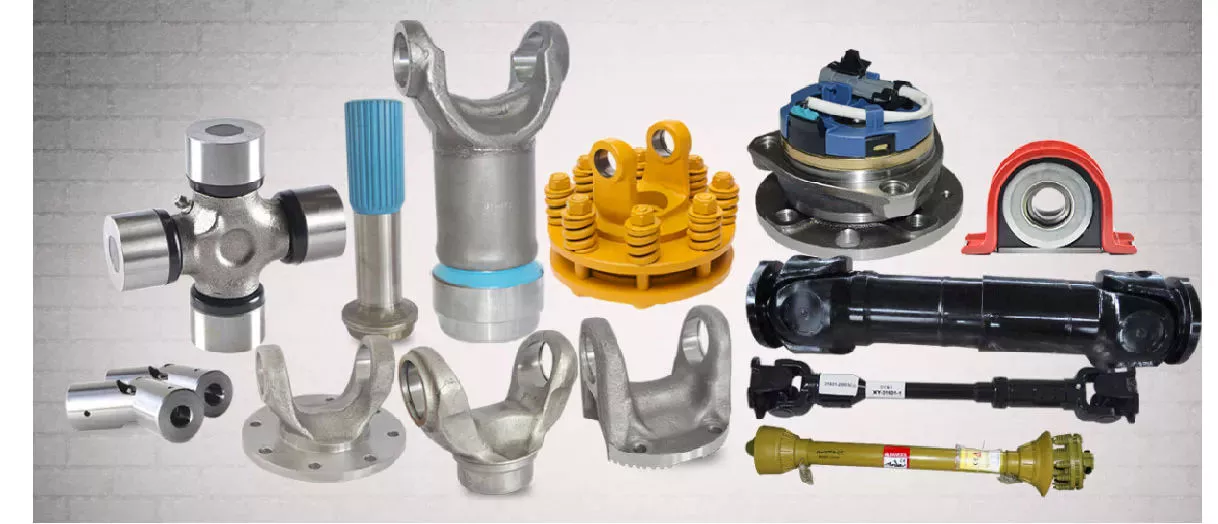
What factors should be considered when selecting the right drive shaft for an application?
When selecting the right drive shaft for an application, several factors need to be considered. The choice of drive shaft plays a crucial role in ensuring efficient and reliable power transmission. Here are the key factors to consider:
1. Power and Torque Requirements:
The power and torque requirements of the application are essential considerations. It is crucial to determine the maximum torque that the drive shaft will need to transmit without failure or excessive deflection. This includes evaluating the power output of the engine or power source, as well as the torque demands of the driven components. Selecting a drive shaft with the appropriate diameter, material strength, and design is essential to ensure it can handle the expected torque levels without compromising performance or safety.
2. Operating Speed:
The operating speed of the drive shaft is another critical factor. The rotational speed affects the dynamic behavior of the drive shaft, including the potential for vibration, resonance, and critical speed limitations. It is important to choose a drive shaft that can operate within the desired speed range without encountering excessive vibrations or compromising the structural integrity. Factors such as the material properties, balance, and critical speed analysis should be considered to ensure the drive shaft can handle the required operating speed effectively.
3. Length and Alignment:
The length and alignment requirements of the application must be considered when selecting a drive shaft. The distance between the engine or power source and the driven components determines the required length of the drive shaft. In situations where there are significant variations in length or operating angles, telescopic drive shafts or multiple drive shafts with appropriate couplings or universal joints may be necessary. Proper alignment of the drive shaft is crucial to minimize vibrations, reduce wear and tear, and ensure efficient power transmission.
4. Space Limitations:
The available space within the application is an important factor to consider. The drive shaft must fit within the allocated space without interfering with other components or structures. It is essential to consider the overall dimensions of the drive shaft, including length, diameter, and any additional components such as joints or couplings. In some cases, custom or compact drive shaft designs may be required to accommodate space limitations while maintaining adequate power transmission capabilities.
5. Environmental Conditions:
The environmental conditions in which the drive shaft will operate should be evaluated. Factors such as temperature, humidity, corrosive agents, and exposure to contaminants can impact the performance and lifespan of the drive shaft. It is important to select materials and coatings that can withstand the specific environmental conditions to prevent corrosion, degradation, or premature failure of the drive shaft. Special considerations may be necessary for applications exposed to extreme temperatures, water, chemicals, or abrasive substances.
6. Application Type and Industry:
The specific application type and industry requirements play a significant role in drive shaft selection. Different industries, such as automotive, aerospace, industrial machinery, agriculture, or marine, have unique demands that need to be addressed. Understanding the specific needs and operating conditions of the application is crucial in determining the appropriate drive shaft design, materials, and performance characteristics. Compliance with industry standards and regulations may also be a consideration in certain applications.
7. Maintenance and Serviceability:
The ease of maintenance and serviceability should be taken into account. Some drive shaft designs may require periodic inspection, lubrication, or replacement of components. Considering the accessibility of the drive shaft and associated maintenance requirements can help minimize downtime and ensure long-term reliability. Easy disassembly and reassembly of the drive shaft can also be beneficial for repair or component replacement.
By carefully considering these factors, one can select the right drive shaft for an application that meets the power transmission needs, operating conditions, and durability requirements, ultimately ensuring optimal performance and reliability.
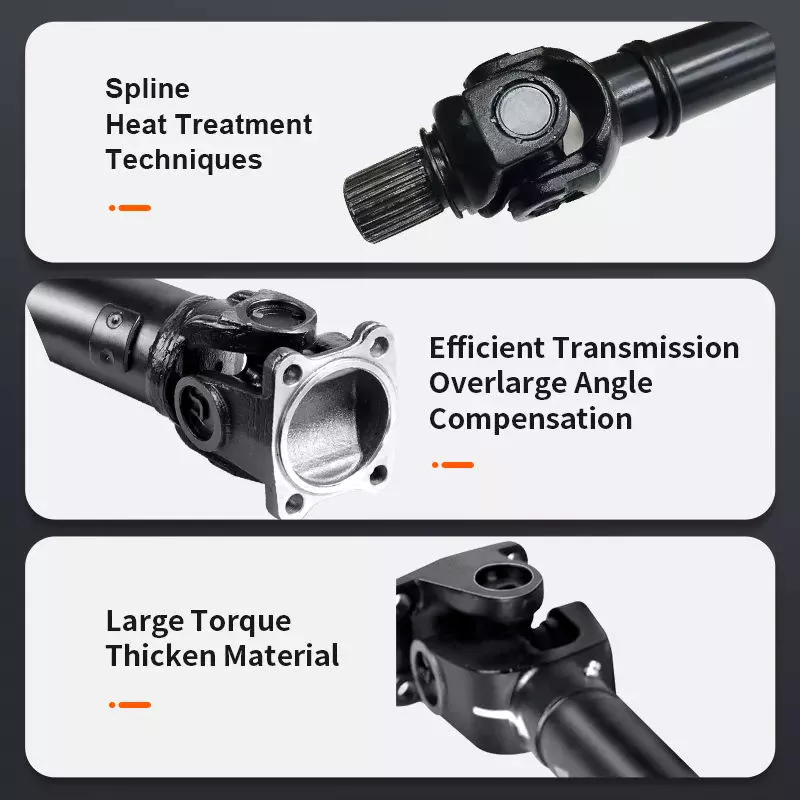
How do drive shafts contribute to the efficiency of vehicle propulsion and power transmission?
Drive shafts play a crucial role in the efficiency of vehicle propulsion and power transmission systems. They are responsible for transferring power from the engine or power source to the wheels or driven components. Here’s a detailed explanation of how drive shafts contribute to the efficiency of vehicle propulsion and power transmission:
1. 전력 전송:
Drive shafts transmit power from the engine or power source to the wheels or driven components. By efficiently transferring rotational energy, drive shafts enable the vehicle to move forward or drive the machinery. The design and construction of drive shafts ensure minimal power loss during the transfer process, maximizing the efficiency of power transmission.
2. Torque Conversion:
Drive shafts can convert torque from the engine or power source to the wheels or driven components. Torque conversion is necessary to match the power characteristics of the engine with the requirements of the vehicle or machinery. Drive shafts with appropriate torque conversion capabilities ensure that the power delivered to the wheels is optimized for efficient propulsion and performance.
3. Constant Velocity (CV) Joints:
Many drive shafts incorporate Constant Velocity (CV) joints, which help maintain a constant speed and efficient power transmission, even when the driving and driven components are at different angles. CV joints allow for smooth power transfer and minimize vibration or power losses that may occur due to changing operating angles. By maintaining constant velocity, drive shafts contribute to efficient power transmission and improved overall vehicle performance.
4. Lightweight Construction:
Efficient drive shafts are often designed with lightweight materials, such as aluminum or composite materials. Lightweight construction reduces the rotational mass of the drive shaft, which results in lower inertia and improved efficiency. Reduced rotational mass enables the engine to accelerate and decelerate more quickly, allowing for better fuel efficiency and overall vehicle performance.
5. Minimized Friction:
Efficient drive shafts are engineered to minimize frictional losses during power transmission. They incorporate features such as high-quality bearings, low-friction seals, and proper lubrication to reduce energy losses caused by friction. By minimizing friction, drive shafts enhance power transmission efficiency and maximize the available power for propulsion or operating other machinery.
6. Balanced and Vibration-Free Operation:
Drive shafts undergo dynamic balancing during the manufacturing process to ensure smooth and vibration-free operation. Imbalances in the drive shaft can lead to power losses, increased wear, and vibrations that reduce overall efficiency. By balancing the drive shaft, it can spin evenly, minimizing vibrations and optimizing power transmission efficiency.
7. Maintenance and Regular Inspection:
Proper maintenance and regular inspection of drive shafts are essential for maintaining their efficiency. Regular lubrication, inspection of joints and components, and prompt repair or replacement of worn or damaged parts help ensure optimal power transmission efficiency. Well-maintained drive shafts operate with minimal friction, reduced power losses, and improved overall efficiency.
8. Integration with Efficient Transmission Systems:
Drive shafts work in conjunction with efficient transmission systems, such as manual, automatic, or continuously variable transmissions. These transmissions help optimize power delivery and gear ratios based on driving conditions and vehicle speed. By integrating with efficient transmission systems, drive shafts contribute to the overall efficiency of the vehicle propulsion and power transmission system.
9. Aerodynamic Considerations:
In some cases, drive shafts are designed with aerodynamic considerations in mind. Streamlined drive shafts, often used in high-performance or electric vehicles, minimize drag and air resistance to improve overall vehicle efficiency. By reducing aerodynamic drag, drive shafts contribute to the efficient propulsion and power transmission of the vehicle.
10. Optimized Length and Design:
Drive shafts are designed to have optimal lengths and designs to minimize energy losses. Excessive drive shaft length or improper design can introduce additional rotational mass, increase bending stresses, and result in energy losses. By optimizing the length and design, drive shafts maximize power transmission efficiency and contribute to improved overall vehicle efficiency.
Overall, drive shafts contribute to the efficiency of vehicle propulsion and power transmission through effective power transfer, torque conversion, utilization of CV joints, lightweight construction, minimized friction, balanced operation, regular maintenance, integration with efficient transmission systems, aerodynamic considerations, and optimized length and design. By ensuring efficient power delivery and minimizing energy losses, drive shafts play a significant role in enhancing the overall efficiency and performance of vehicles and machinery.

구동축은 길이 및 토크 요구 사항의 변화에 어떻게 대응합니까?
구동축은 회전력을 효율적으로 전달하기 위해 길이와 토크 요구량의 변화를 처리하도록 설계되었습니다. 구동축이 이러한 변화에 어떻게 대응하는지 설명드리겠습니다.
길이 변형:
구동축은 엔진 또는 동력원과 구동 부품 사이의 거리에 따라 다양한 길이로 제공됩니다. 특정 용도에 따라 맞춤 제작하거나 표준 길이로 구입할 수 있습니다. 엔진과 구동 부품 사이의 거리가 긴 경우에는 적절한 커플링이나 유니버설 조인트를 사용하여 여러 개의 구동축을 연결하여 거리를 늘릴 수 있습니다. 이러한 추가 구동축은 동력 전달 시스템의 전체 길이를 효과적으로 연장합니다.
또한, 일부 구동축은 텔레스코픽 구조로 설계되어 있습니다. 이 텔레스코픽 구조는 길이를 늘리거나 줄일 수 있어 다양한 차량 구성이나 역동적인 움직임에 맞춰 길이를 조절할 수 있습니다. 텔레스코픽 구동축은 엔진과 구동 부품 사이의 거리가 변할 수 있는 특정 유형의 트럭, 버스, 오프로드 차량 등에 주로 사용됩니다.
토크 요구 사항:
구동축은 엔진 또는 동력원의 출력과 구동 부품의 요구 사항에 따라 달라지는 토크를 처리하도록 설계되었습니다. 구동축을 통해 전달되는 토크는 엔진 출력, 부하 조건, 구동 부품이 받는 저항과 같은 요소에 따라 달라집니다.
제조업체는 구동축의 재질과 치수를 선택할 때 토크 요구 사항을 고려합니다. 구동축은 일반적으로 강철이나 알루미늄 합금과 같은 고강도 재질로 제작되어 변형이나 파손 없이 토크 하중을 견딜 수 있도록 합니다. 구동축의 직경, 벽 두께 및 설계는 과도한 처짐이나 진동 없이 예상되는 토크를 처리할 수 있도록 신중하게 계산됩니다.
대형 트럭, 산업 기계 또는 고성능 차량과 같이 높은 토크가 요구되는 응용 분야에서는 구동축에 추가적인 보강재가 사용될 수 있습니다. 이러한 보강재에는 더 두꺼운 벽, 강도에 최적화된 단면 형상 또는 우수한 토크 처리 능력을 갖춘 복합 재료가 포함될 수 있습니다.
또한, 구동축에는 유니버설 조인트나 등속 조인트(CV 조인트)와 같은 유연한 관절이 포함되는 경우가 많습니다. 이러한 관절은 각도 불일치를 허용하고 엔진, 변속기 및 구동 부품 사이의 작동 각도 변화를 보정합니다. 또한 진동과 충격을 흡수하여 구동축에 가해지는 스트레스를 줄이고 토크 처리 능력을 향상시키는 데 도움이 됩니다.
요약하자면, 구동축은 맞춤형 길이, 신축식 구조, 적절한 재질 및 치수, 그리고 유연한 연결부를 통해 다양한 길이 및 토크 요구 사항을 처리할 수 있습니다. 이러한 요소들을 신중하게 고려함으로써 구동축은 다양한 응용 분야의 특정 요구 사항을 충족하면서 효율적이고 안정적으로 동력을 전달할 수 있습니다.


editor by CX 2024-04-26























