
Penerangan Produk
Basic Info.
| Model NO. | 02G45715A | Parts | Auto Parts For Center Support Bearing | |||||||
| Spesifikasi | Bearing ID 20-85mm | Trademark | YTK or Customized | |||||||
| Price | Negotiable | Transport Packing | Neutral Packing & Customized | |||||||
| Exportation | ZheJiang Port | Bearing Quality | ZV3 Level | |||||||
| Waranti | One Year or Above | Laser Mark | Tersedia | |||||||
| Applicable Models | Production Capacity | 6 | Φ30 | CB | Φ35 Φ40 | 3535730 | Φ60 | |||
| Φ60 | Φ60 | 6 | Φ65 |
-FAQ:
Q1. What is your terms of packing?
Generally, we pack our goods in neutral boxes and brown cartons or as your demand.
If you have legally registered patent,we can pack the goods in your branded boxes after getting your authorization letters.
Q2. What is your terms of delivery?
EXW, FOB, CIF, CFR
Q3. How about your delivery time?
Generally, it will take 10 to 30 days after receiving your advance payment.
The specific delivery time depends on the items and the quantity of your order.
/* 22 Januari 2571 19:08:37 */!function(){function s(e,r){var a,o={};try{e&&e.split(“,”).forEach(function(e,t){e&&(a=e.match(/(.*?):(.*)$/)&
| Perkhidmatan selepas jualan: | Satu Tahun |
|---|---|
| Keadaan: | Baru |
| Warna: | Hitam |
| Sampel: |
US$ 10/Keping
1 Keping (Pesanan Minimum) | Order Sample |
|---|
| Penyesuaian: |
Tersedia
| Permintaan Tersuai |
|---|
.shipping-cost-tm .tm-status-off{background: none;padding:0;color: #1470cc}
|
Shipping Cost:
Estimated freight per unit. |
about shipping cost and estimated delivery time. |
|---|
| Payment Method: |
|
|---|---|
|
Initial Payment Full Payment |
| Currency: | US$ |
|---|
| Return&refunds: | You can apply for a refund up to 30 days after receipt of the products. |
|---|
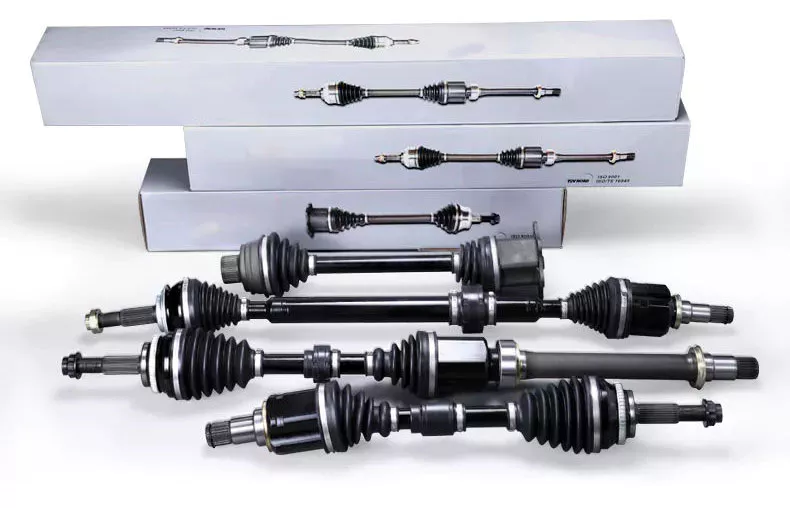
What maintenance practices are crucial for prolonging the lifespan of drive shafts?
To prolong the lifespan of drive shafts and ensure their optimal performance, several maintenance practices are crucial. Regular maintenance helps identify and address potential issues before they escalate, reduces wear and tear, and ensures the drive shaft operates smoothly and efficiently. Here are some essential maintenance practices for prolonging the lifespan of drive shafts:
1. Regular Inspection:
Performing regular inspections is vital for detecting any signs of wear, damage, or misalignment. Inspect the drive shaft visually, looking for cracks, dents, or any signs of excessive wear on the shaft itself and its associated components such as joints, yokes, and splines. Check for any signs of lubrication leaks or contamination. Additionally, inspect the fasteners and mounting points to ensure they are secure. Early detection of any issues allows for timely repairs or replacements, preventing further damage to the drive shaft.
2. Lubrication:
Proper lubrication is essential for the smooth operation and longevity of drive shafts. Lubricate the joints, such as universal joints or constant velocity joints, as recommended by the manufacturer. Lubrication reduces friction, minimizes wear, and helps dissipate heat generated during operation. Use the appropriate lubricant specified for the specific drive shaft and application, considering factors such as temperature, load, and operating conditions. Regularly check the lubrication levels and replenish as necessary to ensure optimal performance and prevent premature failure.
3. Balancing and Alignment:
Maintaining proper balancing and alignment is crucial for the lifespan of drive shafts. Imbalances or misalignments can lead to vibrations, accelerated wear, and potential failure. If vibrations or unusual noises are detected during operation, it is important to address them promptly. Perform balancing procedures as necessary, including dynamic balancing, to ensure even weight distribution along the drive shaft. Additionally, verify that the drive shaft is correctly aligned with the engine or power source and the driven components. Misalignment can cause excessive stress on the drive shaft, leading to premature failure.
4. Protective Coatings:
Applying protective coatings can help prolong the lifespan of drive shafts, particularly in applications exposed to harsh environments or corrosive substances. Consider using coatings such as zinc plating, powder coating, or specialized corrosion-resistant coatings to enhance the drive shaft’s resistance to corrosion, rust, and chemical damage. Regularly inspect the coating for any signs of degradation or damage, and reapply or repair as necessary to maintain the protective barrier.
5. Torque and Fastener Checks:
Ensure that the drive shaft’s fasteners, such as bolts, nuts, or clamps, are properly torqued and secured according to the manufacturer’s specifications. Loose or improperly tightened fasteners can lead to excessive vibrations, misalignment, or even detachment of the drive shaft. Periodically check and retighten the fasteners as recommended or after any maintenance or repair procedures. Additionally, monitor the torque levels during operation to ensure they remain within the specified range, as excessive torque can strain the drive shaft and lead to premature failure.
6. Environmental Protection:
Protecting the drive shaft from environmental factors can significantly extend its lifespan. In applications exposed to extreme temperatures, moisture, chemicals, or abrasive substances, take appropriate measures to shield the drive shaft. This may include using protective covers, seals, or guards to prevent contaminants from entering and causing damage. Regular cleaning of the drive shaft, especially in dirty or corrosive environments, can also help remove debris and prevent buildup that could compromise its performance and longevity.
7. Manufacturer Guidelines:
Follow the manufacturer’s guidelines and recommendations for maintenance practices specific to the drive shaft model and application. The manufacturer’s instructions may include specific intervals for inspections, lubrication, balancing, or other maintenance tasks. Adhering to these guidelines ensures that the drive shaft is properly maintained and serviced, maximizing its lifespan and minimizing the risk of unexpected failures.
By implementing these maintenance practices, drive shafts can operate reliably, maintain efficient power transmission, and have an extended service life, ultimately reducing downtime and ensuring optimal performance in various applications.
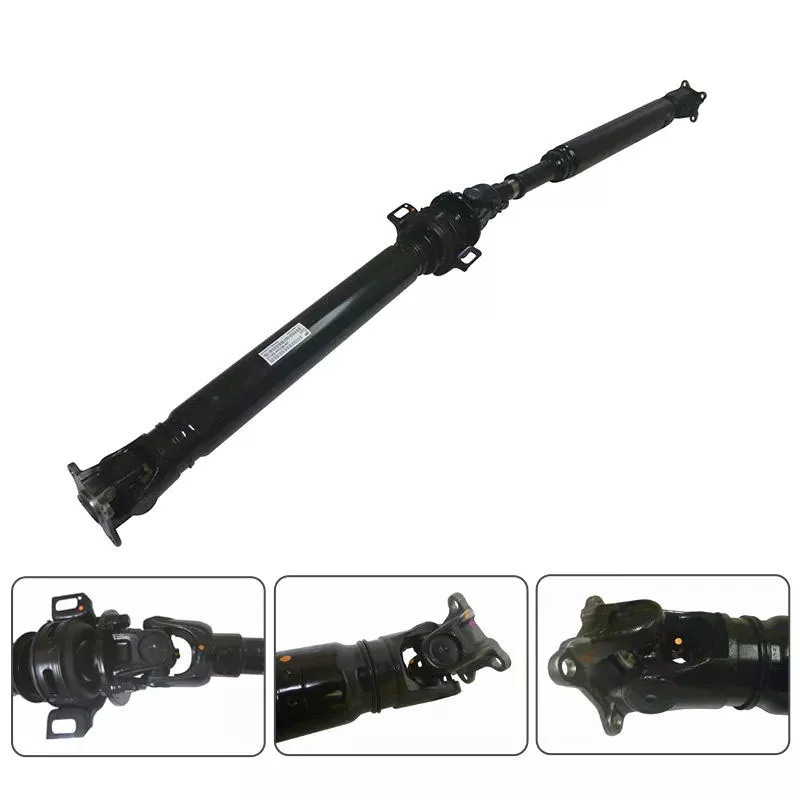
Can you provide real-world examples of vehicles and machinery that use drive shafts?
Drive shafts are widely used in various vehicles and machinery to transmit power from the engine or power source to the wheels or driven components. Here are some real-world examples of vehicles and machinery that utilize drive shafts:
1. Automobiles:
Drive shafts are commonly found in automobiles, especially those with rear-wheel drive or four-wheel drive systems. In these vehicles, the drive shaft transfers power from the transmission or transfer case to the rear differential or front differential, respectively. This allows the engine’s power to be distributed to the wheels, propelling the vehicle forward.
2. Trucks and Commercial Vehicles:
Drive shafts are essential components in trucks and commercial vehicles. They are used to transfer power from the transmission or transfer case to the rear axle or multiple axles in the case of heavy-duty trucks. Drive shafts in commercial vehicles are designed to handle higher torque loads and are often larger and more robust than those used in passenger cars.
3. Construction and Earthmoving Equipment:
Various types of construction and earthmoving equipment, such as excavators, loaders, bulldozers, and graders, rely on drive shafts for power transmission. These machines typically have complex drivetrain systems that use drive shafts to transfer power from the engine to the wheels or tracks, enabling them to perform heavy-duty tasks on construction sites or in mining operations.
4. Agricultural Machinery:
Agricultural machinery, including tractors, combines, and harvesters, utilize drive shafts to transmit power from the engine to the wheels or driven components. Drive shafts in agricultural machinery are often subjected to demanding conditions and may have additional features such as telescopic sections to accommodate variable distances between components.
5. Industrial Machinery:
Industrial machinery, such as manufacturing equipment, generators, pumps, and compressors, often incorporate drive shafts in their power transmission systems. These drive shafts transfer power from electric motors, engines, or other power sources to various driven components, enabling the machinery to perform specific tasks in industrial settings.
6. Marine Vessels:
In marine applications, drive shafts are commonly used to transmit power from the engine to the propeller in boats, ships, and other watercraft. Marine drive shafts are typically longer and designed to withstand the unique challenges posed by water environments, including corrosion resistance and appropriate sealing mechanisms.
7. Recreational Vehicles (RVs) and Motorhomes:
RVs and motorhomes often employ drive shafts as part of their drivetrain systems. These drive shafts transfer power from the transmission to the rear axle, allowing the vehicle to move and providing propulsion. Drive shafts in RVs may have additional features such as dampers or vibration-reducing components to enhance comfort during travel.
8. Off-Road and Racing Vehicles:
Off-road vehicles, such as SUVs, trucks, and all-terrain vehicles (ATVs), as well as racing vehicles, frequently utilize drive shafts. These drive shafts are designed to withstand the rigors of off-road conditions or high-performance racing, transmitting power efficiently to the wheels and ensuring optimal traction and performance.
9. Railway Rolling Stock:
In railway systems, drive shafts are employed in locomotives and some types of rolling stock. They transfer power from the locomotive’s engine to the wheels or propulsion system, enabling the train to move along the tracks. Railway drive shafts are typically much longer and may have additional features to accommodate the articulated or flexible nature of some train configurations.
10. Wind Turbines:
Large-scale wind turbines used for generating electricity incorporate drive shafts in their power transmission systems. The drive shafts transfer rotational energy from the turbine’s blades to the generator, where it is converted into electrical power. Drive shafts in wind turbines are designed to handle the significant torque and rotational forces generated by the wind.
These examples demonstrate the broad range of vehicles and machinery that rely on drive shafts for efficient power transmission and propulsion. Drive shafts are essential components in various industries, enabling the transfer of power from the source to the driven components, ultimately facilitating movement, operation, or the performance of specific tasks.
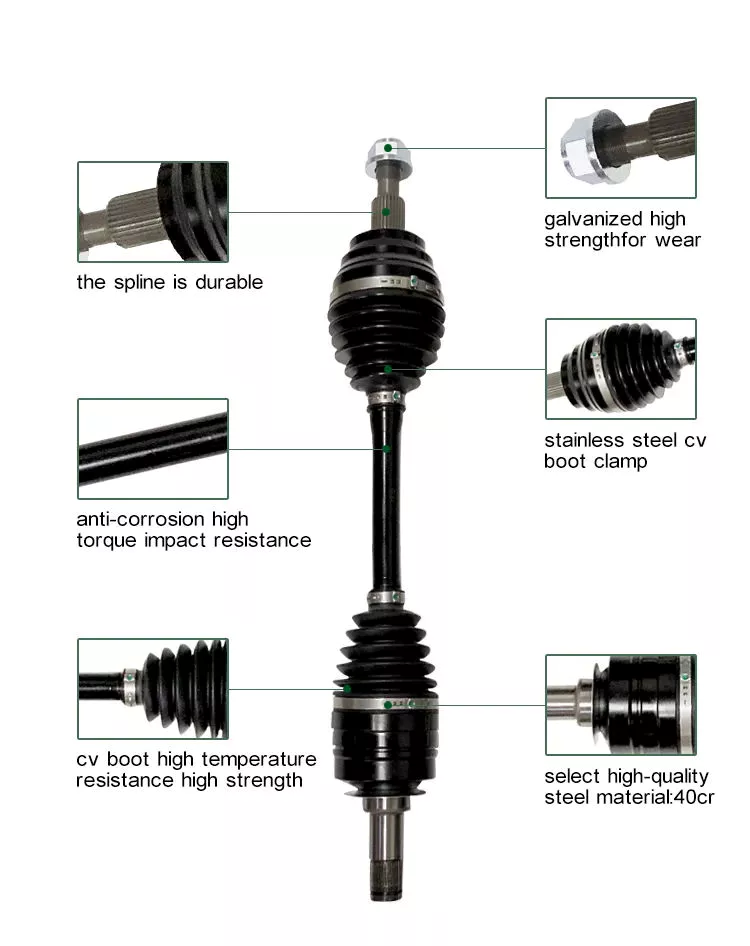
Bolehkah anda terangkan pelbagai jenis aci pemacu dan aplikasi khusus mereka?
Aci pacu datang dalam pelbagai jenis, setiap satunya direka bentuk untuk memenuhi aplikasi dan keperluan tertentu. Pemilihan aci pacu bergantung kepada faktor seperti jenis kenderaan atau peralatan, keperluan penghantaran kuasa, batasan ruang dan keadaan operasi. Berikut ialah penjelasan tentang pelbagai jenis aci pacu dan aplikasi khusus mereka:
1. Aci Pepejal:
Aci padu, juga dikenali sebagai aci pemacu satu bahagian atau keluli padu, ialah aci tunggal tanpa gangguan yang mengalir dari enjin atau sumber kuasa ke komponen yang digerakkan. Ia merupakan reka bentuk yang ringkas dan teguh yang digunakan dalam banyak aplikasi. Aci padu biasanya terdapat dalam kenderaan pacuan roda belakang, di mana ia menghantar kuasa dari transmisi ke gandar belakang. Ia juga digunakan dalam jentera perindustrian, seperti pam, penjana dan penghantar, di mana transmisi kuasa yang lurus dan tegar diperlukan.
2. Aci Tiub:
Aci tiub, juga dikenali sebagai aci berongga, ialah aci pemacu dengan struktur seperti tiub silinder. Ia dibina dengan teras berongga dan biasanya lebih ringan daripada aci pepejal. Aci tiub menawarkan faedah seperti berat yang dikurangkan, kekakuan kilasan yang lebih baik dan redaman getaran yang lebih baik. Ia menemui aplikasi dalam pelbagai kenderaan, termasuk kereta, trak dan motosikal, serta dalam peralatan dan jentera perindustrian. Aci pemacu tiub biasanya digunakan dalam kenderaan pacuan roda hadapan, di mana ia menyambungkan transmisi ke roda hadapan.
3. Aci Halaju Malar (CV):
Aci Halaju Malar (CV) direka bentuk khusus untuk mengendalikan pergerakan sudut dan mengekalkan halaju malar antara enjin/transmisi dan komponen yang dipacu. Ia menggabungkan sambungan CV di kedua-dua hujungnya, yang membolehkan fleksibiliti dan pampasan untuk perubahan sudut. Aci CV biasanya digunakan dalam kenderaan pacuan roda hadapan dan pacuan semua roda, serta dalam kenderaan luar jalan dan jentera berat tertentu. Sambungan CV membolehkan penghantaran kuasa yang lancar walaupun roda dipusingkan atau suspensi bergerak, mengurangkan getaran dan meningkatkan prestasi keseluruhan.
4. Aci Sambungan Gelincir:
Aci sambungan gelincir, juga dikenali sebagai aci teleskopik, terdiri daripada dua atau lebih bahagian tiub yang boleh meluncur masuk dan keluar antara satu sama lain. Reka bentuk ini membolehkan pelarasan panjang, menampung perubahan jarak antara enjin/transmisi dan komponen yang dipacu. Aci sambungan gelincir biasanya digunakan dalam kenderaan dengan jarak roda yang panjang atau sistem gantungan boleh laras, seperti sesetengah trak, bas dan kenderaan rekreasi. Dengan memberikan fleksibiliti panjang, aci sambungan gelincir memastikan pemindahan kuasa yang berterusan, walaupun casis kenderaan mengalami pergerakan atau perubahan dalam geometri gantungan.
5. Aci Kadan Berganda:
Aci Cardan berganda, juga dirujuk sebagai aci sambungan universal berganda, ialah sejenis aci pemacu yang menggabungkan dua sambungan universal. Konfigurasi ini membantu mengurangkan getaran dan meminimumkan sudut operasi sambungan, menghasilkan penghantaran kuasa yang lebih lancar. Aci Cardan berganda biasanya digunakan dalam aplikasi tugas berat, seperti trak, kenderaan luar jalan dan jentera pertanian. Ia amat sesuai untuk aplikasi dengan keperluan tork yang tinggi dan sudut operasi yang besar, memberikan ketahanan dan prestasi yang dipertingkatkan.
6. Aci Komposit:
Aci komposit diperbuat daripada bahan komposit seperti gentian karbon atau gentian kaca, yang menawarkan kelebihan seperti berat yang dikurangkan, kekuatan yang lebih baik dan ketahanan terhadap kakisan. Aci pemacu komposit semakin banyak digunakan dalam kenderaan berprestasi tinggi, kereta sport dan aplikasi perlumbaan, di mana pengurangan berat dan nisbah kuasa-ke-berat yang dipertingkatkan adalah penting. Pembinaan komposit membolehkan penalaan tepat ciri-ciri kekakuan dan redaman, menghasilkan dinamik kenderaan dan kecekapan drivetrain yang lebih baik.
7. Aci PTO:
Aci Pengangkut Kuasa (PTO) ialah aci pemacu khusus yang digunakan dalam jentera pertanian dan peralatan perindustrian tertentu. Ia direka bentuk untuk memindahkan kuasa daripada enjin atau sumber kuasa kepada pelbagai alat tambahan, seperti mesin pemotong rumput, pembalut atau pam. Aci PTO biasanya mempunyai sambungan berpintal pada satu hujung untuk disambungkan ke sumber kuasa dan sambungan universal di hujung yang lain untuk menampung pergerakan sudut. Ia dicirikan oleh keupayaannya untuk menghantar tahap tork yang tinggi dan keserasiannya dengan pelbagai alat pemacu.
8. Aci Marin:
Aci marin, juga dikenali sebagai aci kipas atau aci ekor, direka khusus untuk kapal marin. Ia menghantar kuasa dari enjin ke kipas, membolehkan pendorongan. Aci marin biasanya panjang dan beroperasi dalam persekitaran yang keras, terdedah kepada air, kakisan dan beban tork yang tinggi. Ia biasanya diperbuat daripada keluli tahan karat atau bahan tahan kakisan lain dan direka bentuk untuk menahan keadaan mencabar yang dihadapi dalam aplikasi marin.
Penting untuk diperhatikan bahawa aplikasi khusus aci pacu mungkin berbeza-beza bergantung pada pengeluar kenderaan atau peralatan, serta keperluan reka bentuk dan kejuruteraan khusus. Contoh yang diberikan di atas mengetengahkan aplikasi biasa untuk setiap jenis aci pacu, tetapi mungkin terdapat variasi tambahan dan reka bentuk khusus berdasarkan keperluan industri tertentu dan kemajuan teknologi.


editor by CX 2024-03-28























