
उत्पाद वर्णन
|
आवेदन |
|||||
|
• Agricultural equipment |
• Armament |
• Automobile industry |
• Computing equipment |
• Medical / dental instruments |
• Measuring instruments |
|
•Miscellaneous equipment |
•Pharmaceutical industry |
• Orthopedic implants |
• Safety equipment |
• Petrochemical industry |
• Industrial valves |
|
•Fixing and movable equipment |
• Sanitary fittings |
• General machinery |
• Pumps and general connections |
• Food and beverage processing |
• Instrumentation equipment |
|
Item Name |
CNC Machined Manufacturing Stainless Steel Drive Forging Shaft |
|
General Products Application/Service Area |
Metal Parts Solution for Vehicle, Agriculture machine, Construction Machine, transportation equipment, Valve and Pump system, Agriculture machine metal Parts, engine bracket, truck chassis bracket, gear box , gear housing , gear cover, shaft, spline shaft , pulley, flange, connection pipe, pipe, hydraulic valve , valve housing ,Fitting , flange, wheel, fly wheel, oil pump housing, starter housing, coolant pump housing, transmission shaft , transmission gear, sprocket, chains etc. |
|
Main blank Process for Steel Casting |
Investment casting (wax mold made by middle temperature wax) /Precision casting ; Lost Wax Casting (wax mold made by low temperature wax)/ Precision casting |
|
Blanks Tolerance -Casting Tolerance |
CT7-8 for Lost wax Casting Process CT4-6 for Investment casting Process |
|
Applicable Material |
Carbon steel, Low Carbon steel, middle carbon steel,WCB, WCA, WCC, ISO 340-550, Alloy Carbon steel: G25CrMo4, Heat Resistant Steel, Stainless Steel: CF8, CF8M, . G-X6CrNiMo1810, G-X7CrNiNb1189, SUS 304, 304L, 316, 316L. OR According to customer requirement |
|
Casting Blank Size /Dimensions |
2 mm-600mm / 0.08inch-24inch according to customer requirement |
|
Casting Blank Weight |
Range from 0.01kg-85kg |
|
Applicable Machining Process |
CNC Machining/ Lathing/ Milling/ Turning/ Boring/ Drilling/ Tapping/ Broaching/Reaming /Grinding/Honing and etc. |
|
Machined Surface Quality |
Ra 0.8-Ra3.2 according to customer requirement |
|
Applicable Heat Treatment |
Normalization , annealing, quenching and tempering, Case Hardening, Nitriding, Carbon Nitriding, Induction Quenching |
|
Applicable Finish Surface Treatment |
Shot/sand blast, polishing, Surface passivation, Primer Painting , Powder coating, ED- Coating, Chromate Plating, zinc-plate, Dacromat coating, Finish Painting, |
|
MOQ |
For stainless steel casting : 200pcs For machining: 50pcs |
|
समय सीमा |
45days from the receipt date of deposit for Steel Lost Wax Casting |
Technical Support:
ZheJiang Matech is professional at independent development and design. Our engineers are skilled at AUTO CAD, PRO ENGINEER, SOLID WORKS and other 2D & 3D softwares. We are able to design, develop,produce and deliver your PO according to your drawings, samples or just an idea. Dural control of standard products and OEM products.
Quality Control:
1) Checking the raw material after they reach our factory——- Incoming quality control ( IQC)
2) Checking the details before the production line operated
3) Have full inspection and routing inspection during mass production—In process quality control(IPQC)
4) Checking the goods after they are finished—- Final quality control(FQC)
5) Checking the goods after they are finished—–Outgoing quality control(OQC)
Main Product
Our Factory
ZheJiang CZPT Machinery Manufacturer Co., Ltd.
–Branch of CZPT Industry ltd.
We specialize in Metal Parts Solution for Vehicle, Agriculture machine, Construction Machine, transportation equipment, Valve and Pump system etc.
With keeping manufacturing process design, quality plHangZhou, key manufacturing processes and final quality control in house we are mastering key competence to supply quality mechanical parts and assembly to our customers for both Chinese and Export Market .
To satisfy different mechanical and functional requirements from our customers we are making a big range of metal products for our clients on base of different blanks solutions and technologies. These blanks solutions and technologies include processes of Iron Casting, Steel Casting, Stainless Steel Casting, Aluminum Casting and Forging.
During the early involvement of the customer’s design process we are giving professional input to our customers in terms of process feasibility, cost reduction and function approach. You are welcome to contact us for technical enquiry and business cooperation.
Our Certificate
Our Customer
Our Team
Our Package
Inner Packing →Strong & waterproof plastic big is packed inside, to keep the product in safe condition.Or as customer requests.
Outer Packing →Multilayer wooden box with strong bandages, used for standard export package. Or customized as per customer’s requirements.
अक्सर पूछे जाने वाले प्रश्न
1. Are you a manufacturer or a trading company?
We are a professional manufacturer with over 15 years’ export experience for designing and producing vehicle machinery parts.
2. How can I get some samples?
If you need, we are glad to offer you samples for free, but the new clients are expected to pay the courier cost, and the charge will be deducted from the payment for formal order.
3. Can you make casting according to our drawing?
Yes, we can make casting according to your drawing, 2D drawing, or 3D cad model. If the 3D cad model can be supplied, the development of the tooling can be more efficient. But without 3D, based on 2D drawing we can still make the samples properly approved.
4. Can you make casting based on our samples?
Yes, we can make measurement based on your samples to make drawings for tooling making.
5. What’s your quality control device in house?
We have spectrometer in house to monitor the chemical property, tensile test machine to control the mechanical property and UT Sonic as NDT checking method to control the casting detect under the surface of cast.
/* 22 जनवरी, 2571 19:08:37 */!function(){function s(e,r){var a,o={};try{e&&e.split(“,”).forEach(function(e,t){e&&(a=e.match(/(.*?):(.*)$/))&&1
| सामग्री: | Stainless Steel, Steel, Iron, Aluminum, Brass |
|---|---|
| भार: | ड्राइव शाफ्ट |
| कठोरता और लचीलापन: | कठोरता / कठोर धुरी |
| उदाहरण: |
US$ 6.62/kg
1 kg(Min.Order) | Order Sample Customized according to product drawings
|
|---|
| अनुकूलन: |
उपलब्ध
| अनुकूलित अनुरोध |
|---|
.shipping-cost-tm .tm-status-off{background: none;padding:0;color: #1470cc}
|
Shipping Cost:
Estimated freight per unit. |
about shipping cost and estimated delivery time. |
|---|
| Payment Method: |
|
|---|---|
|
Initial Payment Full Payment |
| Currency: | US$ |
|---|
| Return&refunds: | You can apply for a refund up to 30 days after receipt of the products. |
|---|
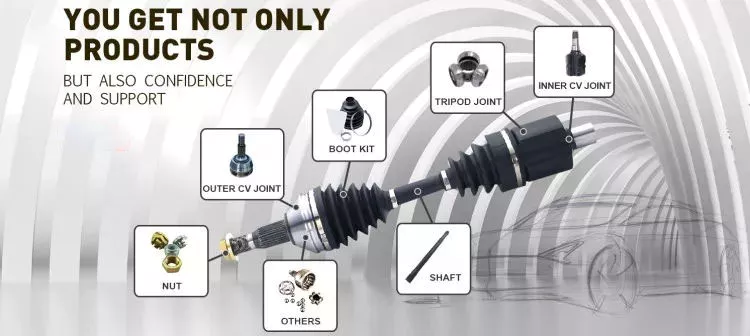
How do drive shafts ensure efficient power transfer while maintaining balance?
Drive shafts employ various mechanisms to ensure efficient power transfer while maintaining balance. Efficient power transfer refers to the ability of the drive shaft to transmit rotational power from the source (such as an engine) to the driven components (such as wheels or machinery) with minimal energy loss. Balancing, on the other hand, involves minimizing vibrations and eliminating any uneven distribution of mass that can cause disturbances during operation. Here’s an explanation of how drive shafts achieve both efficient power transfer and balance:
1. Material Selection:
The material selection for drive shafts is crucial for maintaining balance and ensuring efficient power transfer. Drive shafts are commonly made from materials such as steel or aluminum alloys, chosen for their strength, stiffness, and durability. These materials have excellent dimensional stability and can withstand the torque loads encountered during operation. By using high-quality materials, drive shafts can minimize deformation, flexing, and imbalances that could compromise power transmission and generate vibrations.
2. Design Considerations:
The design of the drive shaft plays a significant role in both power transfer efficiency and balance. Drive shafts are engineered to have appropriate dimensions, including diameter and wall thickness, to handle the anticipated torque loads without excessive deflection or vibration. The design also considers factors such as the length of the drive shaft, the number and type of joints (such as universal joints or constant velocity joints), and the use of balancing weights. By carefully designing the drive shaft, manufacturers can achieve optimal power transfer efficiency while minimizing the potential for imbalance-induced vibrations.
3. Balancing Techniques:
Balance is crucial for drive shafts as any imbalance can cause vibrations, noise, and accelerated wear. To maintain balance, drive shafts undergo various balancing techniques during the manufacturing process. Static and dynamic balancing methods are employed to ensure that the mass distribution along the drive shaft is uniform. Static balancing involves adding counterweights at specific locations to offset any weight imbalances. Dynamic balancing is performed by spinning the drive shaft at high speeds and measuring any vibrations. If imbalances are detected, additional adjustments are made to achieve a balanced state. These balancing techniques help minimize vibrations and ensure smooth operation of the drive shaft.
4. Universal Joints and Constant Velocity Joints:
Drive shafts often incorporate universal joints (U-joints) or constant velocity (CV) joints to accommodate misalignment and maintain balance during operation. U-joints are flexible joints that allow for angular movement between shafts. They are typically used in applications where the drive shaft operates at varying angles. CV joints, on the other hand, are designed to maintain a constant velocity of rotation and are commonly used in front-wheel-drive vehicles. By incorporating these joints, drive shafts can compensate for misalignment, reduce stress on the shaft, and minimize vibrations that can negatively impact power transfer efficiency and balance.
5. Maintenance and Inspection:
Regular maintenance and inspection of drive shafts are essential for ensuring efficient power transfer and balance. Periodic checks for wear, damage, or misalignment can help identify any issues that may affect the drive shaft’s performance. Lubrication of the joints and proper tightening of fasteners are also critical for maintaining optimal operation. By adhering to recommended maintenance procedures, any imbalances or inefficiencies can be addressed promptly, ensuring continued efficient power transfer and balance.
In summary, drive shafts ensure efficient power transfer while maintaining balance through careful material selection, thoughtful design considerations, balancing techniques, and the incorporation of flexible joints. By optimizing these factors, drive shafts can transmit rotational power smoothly and reliably, minimizing energy losses and vibrations that can impact performance and longevity.

ड्राइव शाफ्ट के साथ काम करते समय किन सुरक्षा सावधानियों का पालन किया जाना चाहिए?
ड्राइव शाफ्ट के साथ काम करते समय दुर्घटनाओं, चोटों और उपकरणों को होने वाले नुकसान से बचने के लिए विशिष्ट सुरक्षा सावधानियों का पालन करना आवश्यक है। ड्राइव शाफ्ट किसी वाहन या मशीनरी के ड्राइवलाइन सिस्टम के महत्वपूर्ण घटक होते हैं और यदि इन्हें ठीक से न संभाला जाए तो ये खतरनाक हो सकते हैं। ड्राइव शाफ्ट के साथ काम करते समय बरती जाने वाली सुरक्षा सावधानियों का विस्तृत विवरण यहाँ दिया गया है:
1. व्यक्तिगत सुरक्षा उपकरण (पीपीई):
ड्राइव शाफ्ट के साथ काम करते समय हमेशा उचित व्यक्तिगत सुरक्षा उपकरण पहनें। इसमें सुरक्षा चश्मे, दस्ताने, स्टील-टो वाले जूते और सुरक्षात्मक कपड़े शामिल हो सकते हैं। पीपीई उड़ने वाले मलबे, नुकीले किनारों या चलते हुए पुर्जों के आकस्मिक संपर्क से होने वाली संभावित चोटों से सुरक्षा प्रदान करता है।
2. लॉकआउट/टैगआउट प्रक्रियाएँ:
ड्राइव शाफ्ट पर काम करने से पहले, सुनिश्चित करें कि बिजली स्रोत को ठीक से लॉकआउट और टैगआउट किया गया है। इसमें बिजली आपूर्ति को अलग करना शामिल है, जैसे कि इंजन को बंद करना या बिजली की आपूर्ति को डिस्कनेक्ट करना, और इसे लॉकआउट/टैगआउट डिवाइस से सुरक्षित करना। इससे रखरखाव या मरम्मत कार्य के दौरान ड्राइव शाफ्ट के आकस्मिक रूप से चालू होने से बचा जा सकता है।
3. वाहन या उपकरण सहायता:
वाहनों या उपकरणों में ड्राइव शाफ्ट के साथ काम करते समय, अप्रत्याशित हलचल को रोकने के लिए उचित सपोर्ट तंत्र का उपयोग करें। ड्राइव शाफ्ट को निकालते या लगाते समय वाहन को लुढ़कने या हिलने से रोकने के लिए वाहन के पहियों को मजबूती से ब्लॉक करें या सपोर्ट स्टैंड का उपयोग करें। इससे स्थिरता बनी रहती है और दुर्घटनाओं का खतरा कम होता है।
4. सामान उठाने की सही तकनीक:
भारी ड्राइव शाफ्ट को उठाते समय, तनाव या चोट से बचने के लिए उचित उठाने की तकनीक का उपयोग करें। उपयुक्त उठाने वाले उपकरण, जैसे कि होइस्ट या जैक, की सहायता से उठाएँ और सुनिश्चित करें कि भार समान रूप से वितरित हो और सुरक्षित रूप से जुड़ा हो। भारी ड्राइव शाफ्ट को मैन्युअल रूप से या अनुचित उठाने वाले उपकरणों से उठाने से बचें, क्योंकि इससे दुर्घटनाएँ और चोटें लग सकती हैं।
5. निरीक्षण और रखरखाव:
ड्राइव शाफ्ट पर काम शुरू करने से पहले, उसमें किसी भी प्रकार की क्षति, घिसावट या संरेखण में गड़बड़ी की अच्छी तरह से जांच कर लें। यदि कोई असामान्यता पाई जाती है, तो आगे बढ़ने से पहले किसी योग्य तकनीशियन या इंजीनियर से परामर्श लें। ड्राइव शाफ्ट की कार्यशील स्थिति को सुनिश्चित करने के लिए नियमित रखरखाव भी आवश्यक है। खराबी या गड़बड़ी के जोखिम को कम करने के लिए निर्माता द्वारा अनुशंसित रखरखाव कार्यक्रम और प्रक्रियाओं का पालन करें।
6. उचित उपकरण और सामग्री:
ड्राइव शाफ्ट के साथ काम करने के लिए विशेष रूप से डिज़ाइन किए गए उपयुक्त औजारों का ही प्रयोग करें। गलत औजारों या कामचलाऊ समाधानों से दुर्घटनाएं हो सकती हैं या ड्राइव शाफ्ट को नुकसान पहुंच सकता है। सुनिश्चित करें कि औजार अच्छी स्थिति में हों, सही आकार के हों और काम के लिए उपयुक्त हों। विशेष औजारों का उपयोग करते समय निर्माता के निर्देशों और दिशानिर्देशों का पालन करें।
7. संग्रहित ऊर्जा का नियंत्रित विमोचन:
कुछ ड्राइव शाफ्ट, विशेष रूप से वे जिनमें टॉर्शनल डैम्पर या अन्य ऊर्जा-संग्रहीत घटक होते हैं, बिजली स्रोत बंद होने पर भी ऊर्जा संग्रहित कर सकते हैं। ऐसे ड्राइव शाफ्ट पर काम करते समय सावधानी बरतें और यह सुनिश्चित करें कि उन्हें खोलने या हटाने से पहले संग्रहित ऊर्जा सुरक्षित रूप से मुक्त हो जाए।
8. प्रशिक्षण और विशेषज्ञता:
ड्राइव शाफ्ट पर काम केवल उन्हीं व्यक्तियों द्वारा किया जाना चाहिए जिनके पास आवश्यक प्रशिक्षण, ज्ञान और विशेषज्ञता हो। यदि आप ड्राइव शाफ्ट से परिचित नहीं हैं या आपके पास आवश्यक कौशल नहीं हैं, तो योग्य तकनीशियनों या पेशेवरों से सहायता लें। ड्राइव शाफ्ट को गलत तरीके से संभालने या स्थापित करने से दुर्घटनाएं, क्षति या कार्यक्षमता में कमी आ सकती है।
9. निर्माता के दिशानिर्देशों का पालन करें:
ड्राइव शाफ्ट के साथ काम करते समय हमेशा निर्माता के दिशानिर्देशों, निर्देशों और चेतावनियों का पालन करें। ये दिशानिर्देश स्थापना, रखरखाव और सुरक्षा संबंधी महत्वपूर्ण जानकारी प्रदान करते हैं। निर्माता की अनुशंसाओं का उल्लंघन करने से असुरक्षित स्थितियाँ उत्पन्न हो सकती हैं या वारंटी रद्द हो सकती है।
10. पुराने या क्षतिग्रस्त ड्राइव शाफ्ट का निपटान:
पुराने या क्षतिग्रस्त ड्राइव शाफ्ट का निपटान स्थानीय नियमों और पर्यावरण संबंधी दिशानिर्देशों के अनुसार करें। अनुचित निपटान से पर्यावरण पर नकारात्मक प्रभाव पड़ सकते हैं और कानूनी आवश्यकताओं का उल्लंघन हो सकता है। उचित निपटान विधियों का पालन सुनिश्चित करने के लिए स्थानीय अपशिष्ट प्रबंधन अधिकारियों या पुनर्चक्रण केंद्रों से परामर्श लें।
इन सुरक्षा सावधानियों का पालन करके, व्यक्ति ड्राइव शाफ्ट के साथ काम करने से जुड़े जोखिमों को कम कर सकते हैं और एक सुरक्षित कार्य वातावरण को बढ़ावा दे सकते हैं। ड्राइव शाफ्ट के उचित संचालन और रखरखाव को सुनिश्चित करने के लिए व्यक्तिगत सुरक्षा को प्राथमिकता देना, उचित उपकरण और तकनीकों का उपयोग करना और आवश्यकता पड़ने पर पेशेवर सहायता लेना अत्यंत महत्वपूर्ण है।
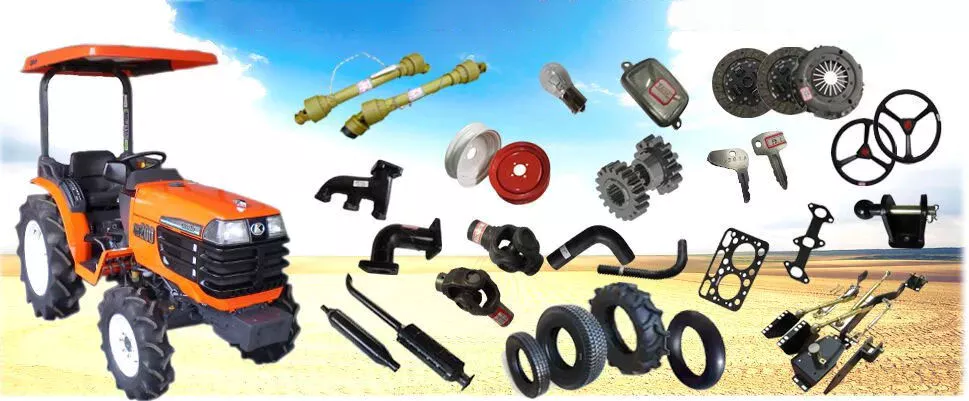
Are there variations in drive shaft designs for different types of machinery?
Yes, there are variations in drive shaft designs to cater to the specific requirements of different types of machinery. The design of a drive shaft is influenced by factors such as the application, power transmission needs, space limitations, operating conditions, and the type of driven components. Here’s an explanation of how drive shaft designs can vary for different types of machinery:
1. Automotive Applications:
In the automotive industry, drive shaft designs can vary depending on the vehicle’s configuration. Rear-wheel-drive vehicles typically use a single-piece or two-piece drive shaft, which connects the transmission or transfer case to the rear differential. Front-wheel-drive vehicles often use a different design, employing a drive shaft that combines with the constant velocity (CV) joints to transmit power to the front wheels. All-wheel-drive vehicles may have multiple drive shafts to distribute power to all wheels. The length, diameter, material, and joint types can differ based on the vehicle’s layout and torque requirements.
2. Industrial Machinery:
Drive shaft designs for industrial machinery depend on the specific application and power transmission requirements. In manufacturing machinery, such as conveyors, presses, and rotating equipment, drive shafts are designed to transfer power efficiently within the machine. They may incorporate flexible joints or use a splined or keyed connection to accommodate misalignment or allow for easy disassembly. The dimensions, materials, and reinforcement of the drive shaft are selected based on the torque, speed, and operating conditions of the machinery.
3. Agriculture and Farming:
Agricultural machinery, such as tractors, combines, and harvesters, often requires drive shafts that can handle high torque loads and varying operating angles. These drive shafts are designed to transmit power from the engine to attachments and implements, such as mowers, balers, tillers, and harvesters. They may incorporate telescopic sections to accommodate adjustable lengths, flexible joints to compensate for misalignment during operation, and protective shielding to prevent entanglement with crops or debris.
4. Construction and Heavy Equipment:
Construction and heavy equipment, including excavators, loaders, bulldozers, and cranes, require robust drive shaft designs capable of transmitting power in demanding conditions. These drive shafts often have larger diameters and thicker walls to handle high torque loads. They may incorporate universal joints or CV joints to accommodate operating angles and absorb shocks and vibrations. Drive shafts in this category may also have additional reinforcements to withstand the harsh environments and heavy-duty applications associated with construction and excavation.
5. Marine and Maritime Applications:
Drive shaft designs for marine applications are specifically engineered to withstand the corrosive effects of seawater and the high torque loads encountered in marine propulsion systems. Marine drive shafts are typically made from stainless steel or other corrosion-resistant materials. They may incorporate flexible couplings or dampening devices to reduce vibration and mitigate the effects of misalignment. The design of marine drive shafts also considers factors such as shaft length, diameter, and support bearings to ensure reliable power transmission in marine vessels.
6. Mining and Extraction Equipment:
In the mining industry, drive shafts are used in heavy machinery and equipment such as mining trucks, excavators, and drilling rigs. These drive shafts need to withstand extremely high torque loads and harsh operating conditions. Drive shaft designs for mining applications often feature larger diameters, thicker walls, and specialized materials such as alloy steel or composite materials. They may incorporate universal joints or CV joints to handle operating angles, and they are designed to be resistant to abrasion and wear.
These examples highlight the variations in drive shaft designs for different types of machinery. The design considerations take into account factors such as power requirements, operating conditions, space constraints, alignment needs, and the specific demands of the machinery or industry. By tailoring the drive shaft design to the unique requirements of each application, optimal power transmission efficiency and reliability can be achieved.


editor by CX 2024-04-12























