
The Hidden Dangers of PTO Shafts and How to Avoid Them
UK INDUSTRY FOCUS
3,000+ WORDS
Published for UK industrial operators, procurement managers, and safety engineers · Updated 2025
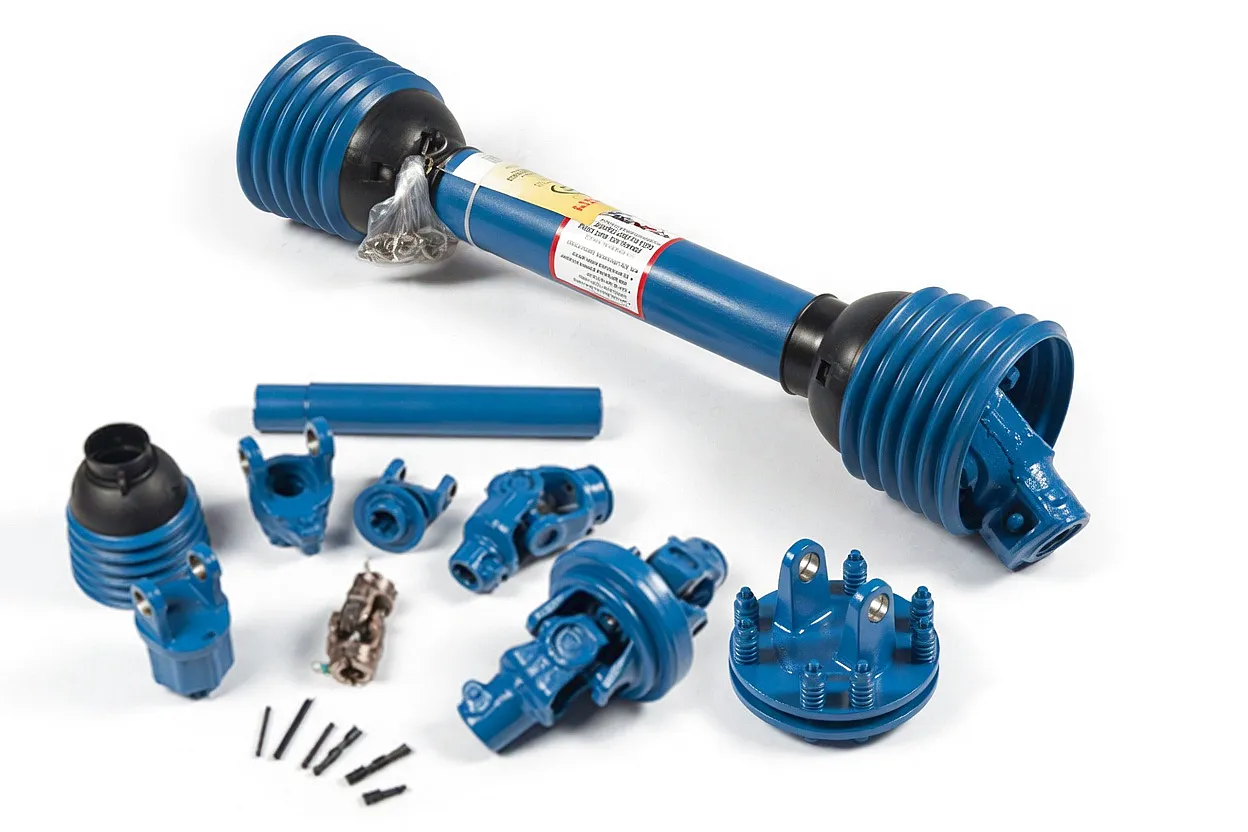 Every year across British farms, construction sites, and heavy manufacturing plants, PTO shafts silently rotate at speeds exceeding 1,000 RPM — transferring extraordinary amounts of mechanical power between tractors, implements, and industrial machinery. These rotating drive components are among the most productive pieces of engineering on any UK farm or industrial site, yet they also rank among the most statistically dangerous. The Health and Safety Executive (HSE) consistently records serious entanglement injuries and fatalities connected to unguarded or misused PTO drive shafts each decade, and the data makes for sobering reading. What makes this particularly troubling is that virtually all such incidents are preventable. The dangers are not mysterious or unpredictable — they stem from identifiable mechanical risks, human behavioural patterns, and maintenance oversights that repeat themselves with frustrating consistency. Understanding the full spectrum of hazards associated with PTO shafts, from their rotational mechanics to their failure modes, is the essential foundation for eliminating these risks on your site.
What Exactly Is a PTO Shaft and Why Does Rotation Make It Dangerous?
A Power Take-Off (PTO) shaft is a mechanical coupling device that transmits rotational power from a primary driver — most commonly a tractor’s engine gearbox, but also industrial motors and stationary engines — to an attached implement or machine. In agricultural contexts, you will see PTO shafts driving everything from mowers, balers, and slurry tankers to grain augers and hedge cutters. In UK manufacturing and engineering facilities, such as those found in Sheffield’s steel processing sector or the food production plants around Birmingham and the East Midlands, PTO-driven equipment appears in conveyor systems, mixers, compressors, and hydraulic pump units.
The danger is rooted in physics. A standard agricultural PTO shaft operates at either 540 RPM or 1,000 RPM. At 540 RPM, a shaft completes nine full rotations per second. At 1,000 RPM, that rises to approximately 16.7 rotations per second. Any loose clothing, a scarf, an untucked jacket hem, or a drawstring cord that contacts the rotating surface for even a fraction of a second can be wound around the shaft instantly. Human reaction time — typically between 150 and 300 milliseconds — is far too slow to pull away before entanglement occurs. Once fabric catches, the mechanical advantage of the rotating shaft pulls the person into the machine with irresistible force. This is why the HSE categorises PTO entanglement as a catastrophic, life-altering injury risk, rather than merely a moderate hazard.
Key Risk Factors at a Glance
- ■ Unguarded rotating surfaces
- ■ Shaft angular misalignment stress
- ■ Exceeding rated torque thresholds
- ■ Worn universal joints
- ■ Inadequate maintenance intervals
Seven Hidden Dangers Most Operators Underestimate
1. The Invisible Entanglement Zone
The most lethal danger from PTO shafts is one that operators routinely fail to appreciate until it is too late: the entanglement zone extends well beyond the shaft’s physical diameter. At 540 RPM, loose fabric doesn’t need to make direct contact with the steel shaft itself — it only needs to touch the rotating guard sleeve, the yoke ears, or even the subtle turbulence of air movement near fast-spinning components. UK farm accident investigations have documented cases where operators wearing standard overalls suffered entanglement while standing what they believed to be a “safe” distance from the shaft. The underlying issue is that the human eye struggles to perceive high-speed rotation as rotation at all; above approximately 8–10 rotations per second, a rotating shaft appears almost stationary, a visual illusion that has contributed to countless incidents on farms in Yorkshire, Lincolnshire, and across Northern Ireland.
2. Angular Misalignment and Hidden Stress Fractures
PTO shafts are engineered to accommodate angular variation between the driving and driven components, but this tolerance has strict limits. Operating a PTO drive shaft at angles exceeding the manufacturer’s specified maximum — typically between 15° and 30° depending on the joint design — creates cyclic stress that accumulates invisibly within the universal joints and shaft tube. In industrial environments around Birmingham and the Black Country, where equipment is often repurposed or adapted beyond original specifications, this is a particularly common problem. The shaft may function normally for weeks or months before the accumulated fatigue causes a sudden catastrophic fracture. When a rotating PTO shaft breaks under torque, the resulting whip effect releases stored mechanical energy with enormous force, turning the fractured components into high-velocity projectiles. Workers operating nearby have sustained crush injuries and penetrating trauma from such failures in UK manufacturing incidents reported to the HSE.
3. Worn Guarding That No Longer Guards
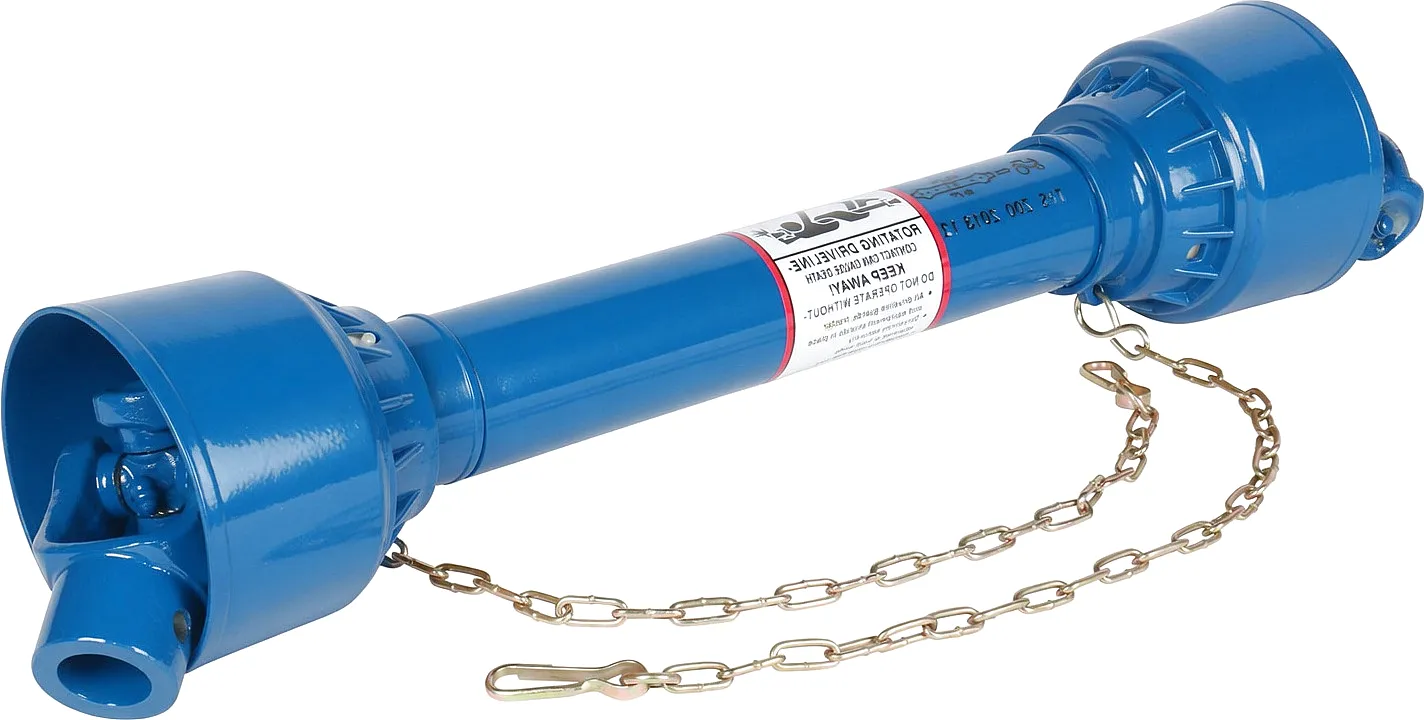
Plastic PTO shaft guards are designed to remain stationary while the shaft rotates freely within them. The safety logic depends entirely on this — a person contacting the outer guard sleeve should not be pulled in because the guard doesn’t rotate. However, this protection fails completely when the guard’s retaining chains are broken, when the guard itself has cracked or split from UV degradation or impact damage, or when the guard is not properly secured and can rotate with the shaft. Across UK agricultural machinery inspections, worn or non-functional PTO guards are among the most frequently cited compliance failures. What makes this particularly insidious is that a visually intact guard can still be dangerously compromised: the inner bearing race that allows the guard to remain stationary may be seized with corrosion, meaning the guard rotates with the shaft and provides zero protection. This is a failure mode that visual inspection alone cannot reliably detect.
4. Torque Overload and Driveline Shock
Every PTO shaft is rated to transmit a specific maximum torque — a figure determined by the cross-sectional strength of the shaft tube, the design of the yokes, and the load capacity of the universal joints. When an implement encounters sudden resistance — a rock hitting a rotary cutter, a blockage in a mixer, or a sudden engagement under load — the shock torque transmitted through the PTO shaft can spike to three, four, or even five times the continuous rated torque in a matter of milliseconds. Without an integrated torque limiter or overrunning clutch, this shock load is borne entirely by the shaft assembly and its connections. The result is accelerated wear at best, immediate component fracture at worst. In UK processing plants in the food manufacturing corridor around Grimsby and Hull, driveline shock from sudden implement stalls has been responsible for several notable shaft failures and associated near-miss incidents in recent years.
5. The “Just a Second” Maintenance Trap
A disproportionate number of PTO shaft injuries in the UK occur not during normal operation, but during brief maintenance interventions that operators perform without disengaging the shaft. Clearing a blockage, adjusting an implement, reaching across to retrieve a fallen tool — these small tasks frequently take place while the tractor engine is still running and the PTO is still engaged, because the operator thinks the task will “only take a second.” The psychology here is well-documented in occupational safety research: when a task is perceived as brief and routine, individuals systematically underestimate risk and bypass lockout-tagout protocols. UK HSE guidance is unambiguous: the PTO must be fully disengaged, the tractor engine switched off, and the shaft allowed to come to a complete stop before any approach to the driveline zone. There is no task so minor that it warrants deviation from this rule.
6. Incorrect Shaft Length and Telescoping Issues
A PTO shaft that is too short for the application creates a different but equally serious hazard. When the implement raises to its working height or the tractor turns on headland, the telescoping inner and outer tubes must have adequate overlap to maintain structural integrity and transmit torque safely. If the shaft is undersized for the application, the tubes can separate entirely under load — releasing a spinning component that may strike the operator or bystanders. Conversely, a shaft that is too long can bottom out the telescoping mechanism, creating a rigid connection that transmits all implement shock directly into the tractor gearbox and can fracture the stub shaft. Correct shaft length calculation, taking into account the full range of implement articulation and lift height, is a fundamental requirement that is frequently ignored when operators source replacement PTO shafts from non-specialist suppliers at agricultural shows or online platforms without proper technical guidance.
7. Lubrication Failure and Bearing Seizure
Universal joints within PTO shaft assemblies contain needle roller bearings that require regular lubrication to operate within thermal and mechanical limits. In the UK’s variable climate — wet winters in Wales and Scotland, humid summer conditions in East Anglia — water ingress into unsealed or poorly maintained joints dramatically accelerates corrosion of needle bearings. A seized universal joint no longer allows the angular articulation the shaft design depends on; instead, cyclic bending forces are transmitted as point loads into the joint caps and yoke bores. The vibration signature of a failing universal joint — a perceptible shudder at certain RPM ranges — is a known early warning sign that experienced operators learn to recognise. However, in busy seasonal operations such as UK harvest campaigns or major construction earthworks, this warning is often overridden by production pressure, with costly and dangerous consequences.
PTO Shaft Technical Performance Parameters
| Parameter | Standard Series | Heavy Duty Series | Industrial Series |
|---|---|---|---|
| Continuous Torque | Up to 1,200 Nm | Up to 3,500 Nm | Up to 8,000 Nm |
| Max Operating Speed | 540 / 1,000 RPM | 540 / 1,000 RPM | Up to 2,400 RPM |
| Max Operating Angle | 15° per joint | 20° per joint | 25° wide-angle CV |
| Shaft Material | 20CrMnTi alloy steel | 42CrMo4 alloy steel | 40CrNiMo / 4340 |
| Surface Treatment | Carburising + zinc plate | Induction hardened | Nitride / hard chrome |
| Overload Protection | Shear bolt limiter | Friction / ratchet clutch | Cam / ball torque limiter |
| Guard Compliance | EN ISO 11684 | EN ISO 11684 | PSSR 2000 / ATEX opt. |
| Profile / Spline Options | Lemon / star / cross | 6/21 spline std. | Custom spline, keyed |
What PTO Shafts Are Made From — and Why Materials Are a Safety Issue
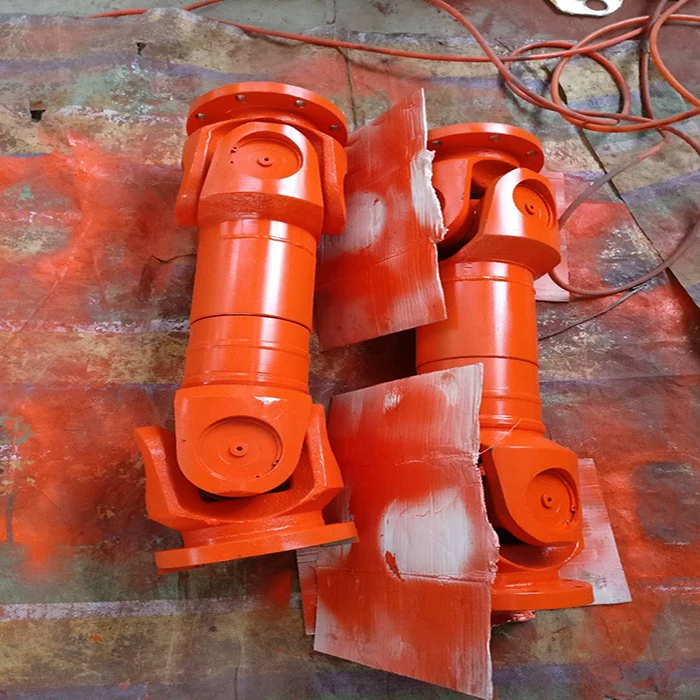 The choice of material in a PTO shaft assembly directly determines not only its performance characteristics but also its failure mode — and failure mode matters enormously when it comes to safety. A shaft made from an inadequate alloy may deform progressively under overload, giving visible warning signs before fracture. A shaft constructed from a brittle material, or one that has been incorrectly heat-treated, can shatter without warning, scattering fragments at high velocity. Understanding what your PTO drive shaft is made from is therefore not merely a procurement detail — it is a safety-critical specification.
High-quality PTO shafts for agricultural and industrial use are manufactured from medium-carbon alloy steels such as 42CrMo4 (equivalent to the US designation 4140) or 40CrNiMo, both of which offer an excellent balance of tensile strength, toughness, and fatigue resistance. These materials, after appropriate heat treatment — typically quenching and tempering to hardness levels between 28 and 34 HRC — achieve yield strengths in the range of 800–1,000 MPa, with good impact resistance even at low temperatures. This is particularly relevant in the UK market, where equipment must perform reliably in cold autumn and winter conditions that are typical across Scotland, Cumbria, and the Yorkshire Dales.
Universal joint crosses and bearing cups are typically manufactured from case-hardened alloy steel — often 20CrMnTi, which after carburising achieves a surface hardness exceeding 58 HRC while retaining a tough core. The guard sleeve components are generally produced from high-density polyethylene (HDPE) for the outer profile tube, providing sufficient rigidity to retain shape under normal operating conditions while being light enough not to impair shaft balance. Yoke forgings at the shaft ends are typically produced from 1045 medium-carbon steel, with spline and bore dimensions held to tight tolerances — typically within H7/k6 or H7/n6 fit grades — to ensure positive, rattle-free engagement with tractor and implement stub shafts.
A Practical Prevention Framework for UK Operators
Avoiding the dangers outlined above is not complicated — but it does require a disciplined approach to selection, installation, maintenance, and operational practice. The following framework draws on HSE guidance, British Standards relevant to agricultural and industrial machinery, and the hard-won experience of UK plant managers and farm health and safety advisors. It is intended as a practical reference for anyone responsible for the procurement, installation, or daily operation of PTO-driven equipment.
Specification must precede procurement. Before ordering a replacement or new PTO shaft, determine the maximum continuous torque and peak shock torque requirements, the full angular range the shaft will experience across all implement positions, the operating speed (540 or 1,000 RPM, or non-standard for industrial applications), and the precise stub shaft profile, spline count, and diameter at both driving and driven ends. This information should come from the tractor or primary driver handbook and the implement manufacturer’s documentation — not from visual matching of the old shaft alone.
Guard integrity is non-negotiable. Every PTO shaft in service must have a complete, functional guard assembly with both end cones fitted and securing chains attached to prevent the guard from rotating. Guards should be inspected at every pre-operation check — not just during scheduled service intervals. Any guard showing cracks, splits, or bearing seizure should be replaced before the machine re-enters service. This is a legal obligation under The Provision and Use of Work Equipment Regulations 1998 (PUWER) in Great Britain, and carrying out work with an unguarded PTO shaft can expose employers to substantial enforcement action and unlimited civil liability.
Where PTO Shafts Are Used Across UK Industry
UK Agriculture
From the cereal farms of Lincolnshire and East Anglia to the hill farms of Cumbria and mid-Wales, PTO drive shafts power rotary mowers, balers, slurry tankers, seed drills, hedge cutters, and potato harvesters. The demands here span enormous diversity — from lightweight 50 hp tractors to 300 hp units — requiring shafts matched precisely to each application’s torque and speed profile.
Construction & Civils
PTO-driven hydraulic pumps and concrete mixers attached to compact tractors are standard across UK construction sites, including major infrastructure projects around Birmingham, Manchester, and the ongoing HS2 corridor works. The operating environment is often harsh, with shaft assemblies exposed to concrete dust, site debris, and mechanical impact demands beyond standard agricultural use.
Food & Beverage Processing
Industrial PTO-style drive shafts are widely used in food processing plants across Yorkshire and the North East to drive mixers, conveyors, augers, and pump systems. Stainless steel or FDA-compliant coated versions are specified where hygiene standards apply, and the demand for zero-backlash transmission is particularly pronounced in precision portioning and filling equipment.
Steel & Heavy Engineering
Sheffield’s remaining precision engineering companies and the metal fabrication sector around the Black Country rely on industrial driveshaft assemblies in rolling mills, cutting machines, and forming presses. The torque demands in this sector are among the highest of any PTO application, with peak shock loads during mill engagement requiring purpose-designed heavy industrial shaft assemblies rated well beyond standard agricultural specifications.
Customer Success Story: Sheffield Precision Fabrications Ltd
METAL FABRICATION & PROCESSING
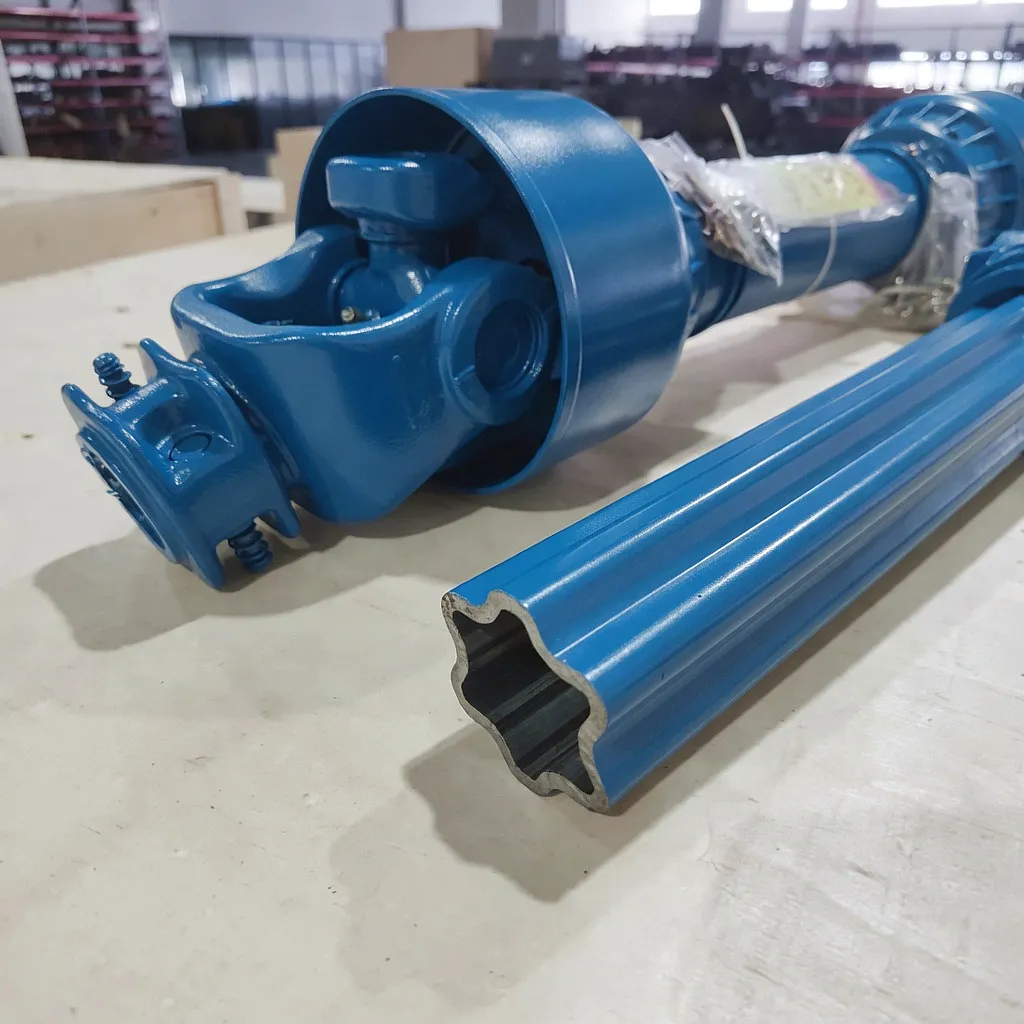
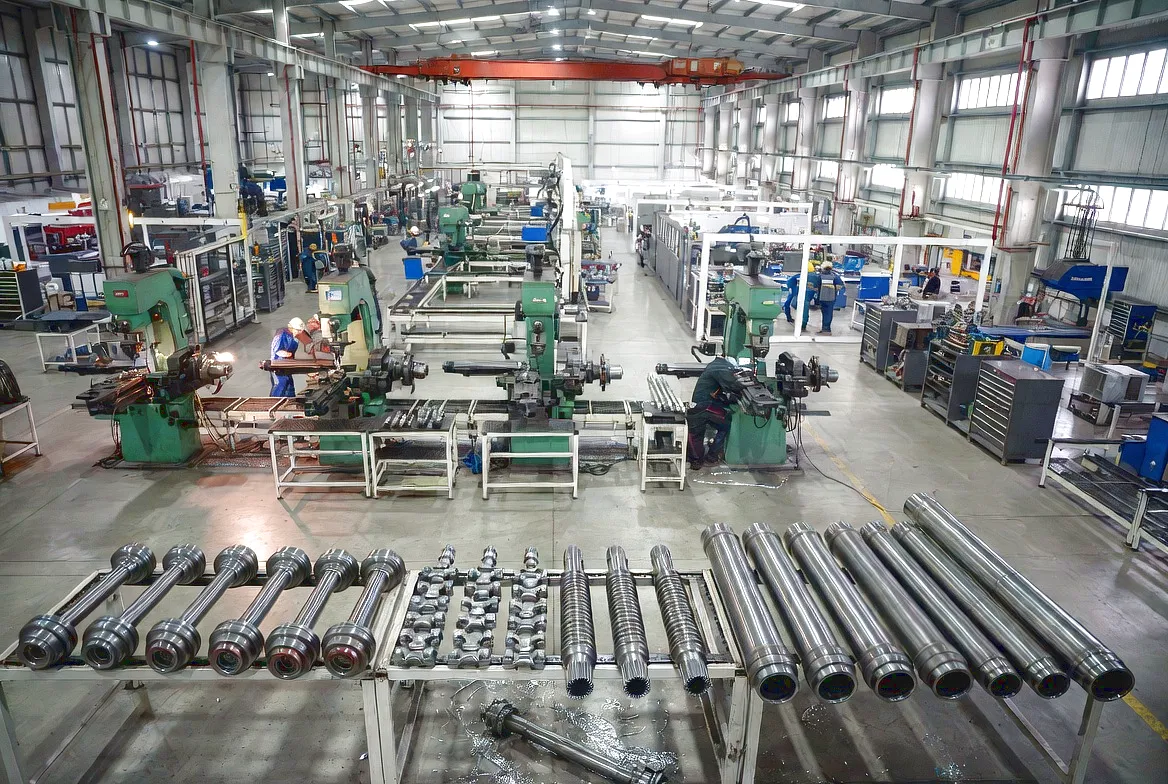
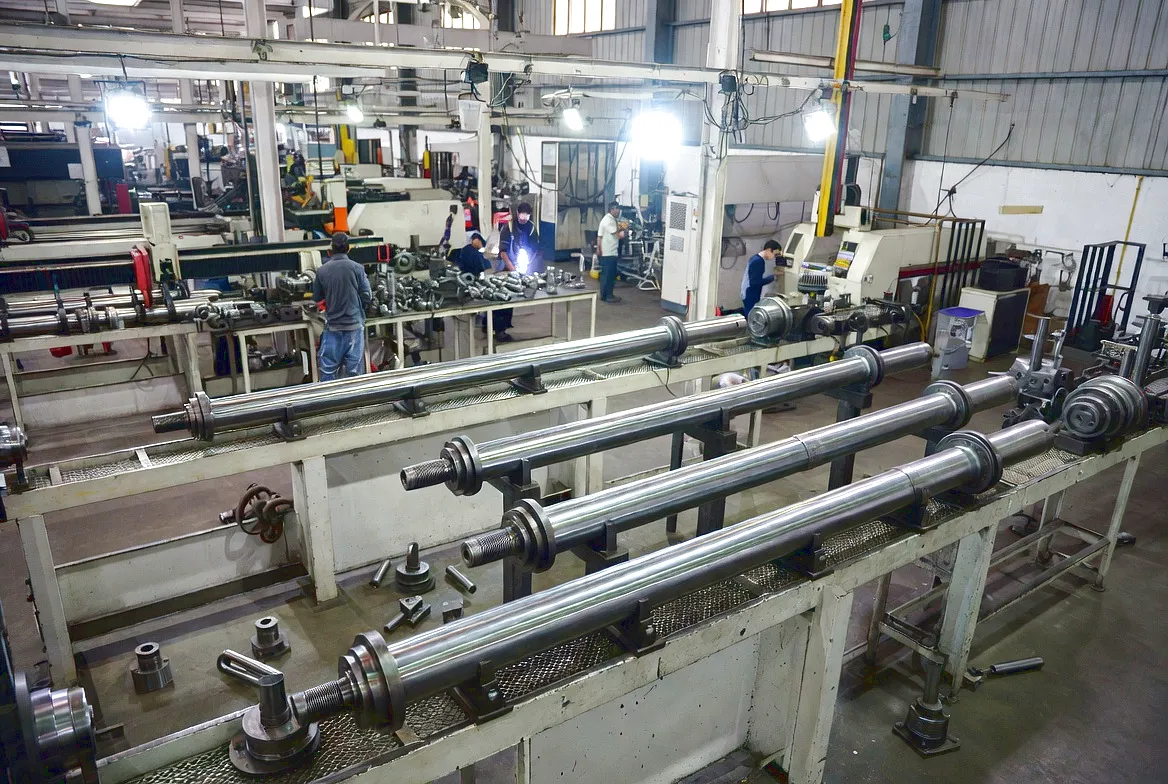
 Sheffield Precision Fabrications Ltd operates three medium-format metal forming lines in the Lower Don Valley, producing structural steel sections and heavy plate assemblies for the UK construction and offshore sectors. In early 2024, the company’s maintenance engineering team identified a recurring pattern of PTO shaft failures on two of their hydraulic press feed lines — specifically, premature universal joint failure occurring within 800–1,200 operating hours rather than the expected 4,000+ hours of their previous supplier’s products.
The root cause analysis pointed to a combination of factors: the existing shafts were running at operating angles beyond their design threshold due to a press bed modification carried out in 2022, and the continuous torque rating of the installed shafts was marginal for the actual peak loads being generated during heavy section forming cycles. The maintenance team reached out to Ever Power for a technical consultation, providing full drawings, operating parameters, and the measured angular deflection data from their press geometry.
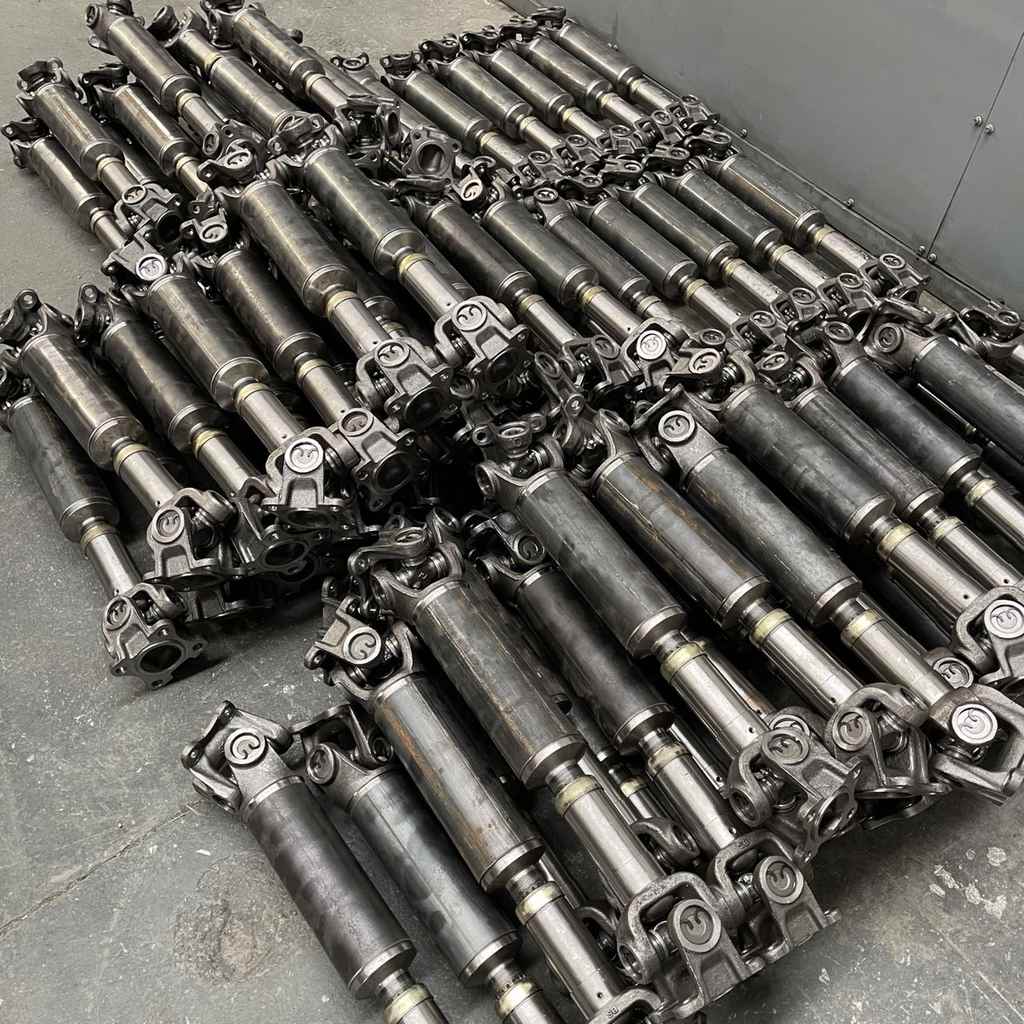
Ever Power’s engineering response was delivered within 48 hours. The recommended solution was a custom-specified heavy industrial PTO shaft assembly in 42CrMo4 steel, with wide-angle constant velocity joints rated for sustained 22° operation, induction-hardened bearing surfaces, and a factory-set friction clutch torque limiter calibrated to 115% of the measured continuous load — providing overload protection without interrupting production flow from minor shock events. The custom assemblies were produced and delivered to Sheffield within four weeks, with full test certificates and compliance documentation.
Eighteen months after installation, neither custom PTO shaft assembly has required unscheduled maintenance. The company has since standardised Ever Power supply across all four of their driveshaft positions and reports a complete elimination of the entanglement and fracture-related safety incidents that had occurred during the previous shaft lifecycle — incidents that had generated three RIDDOR reportable near-misses in 2022–2023 alone.
“The wide-angle CV joints Ever Power specified for our press line have run completely without issue for eighteen months. We’ve gone from near-monthly maintenance interventions on the driveline to a scheduled annual check — the improvement in uptime and the reduction in risk is genuinely significant.”
“What impressed us most was how precisely Ever Power calibrated the torque limiter to our actual operating profile rather than just shipping a standard off-shelf unit. That level of technical engagement is rare from a supplier and it made a real difference to how the equipment performs under our specific load cycles.”
“Delivery to our Sheffield site was handled professionally — full documentation, test certificates, and installation guidance arrived with the goods. Comparing to our previous supply experience, the difference in commercial reliability alone justifies the switch. The zero RIDDOR incidents since installation speaks for itself.”
Frequently Asked Questions
Need a PTO Shaft Specification or Replacement Quote?
Ever Power’s engineering team serves UK industrial and agricultural buyers with custom-specified PTO drive shaft assemblies, full compliance documentation, and reliable delivery.
Article produced for B2B industrial and agricultural operators in the United Kingdom. All technical specifications indicative — consult manufacturer documentation for application-specific requirements. © Ever Power · edit by gzl























