
Mô tả sản phẩm
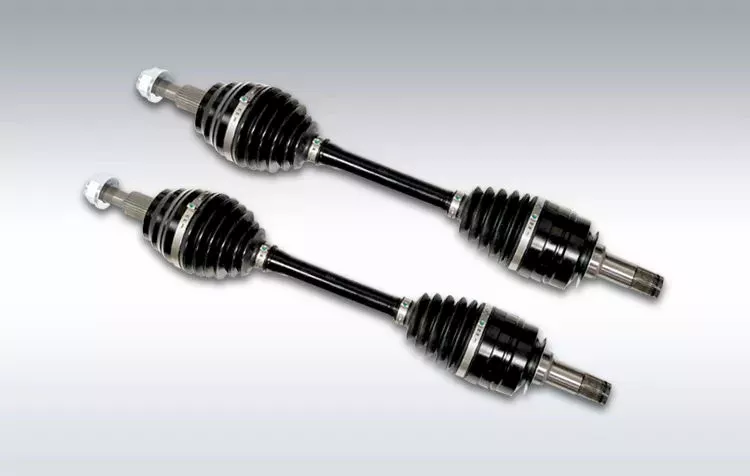
| Part Name: | Trục truyền động PTO |
| Kiểu: | Tillage Equipment Parts |
| Item No.: | 38-SB |
| Industry Focus: | Agricultural |
| Ứng dụng: | Engineering Machinery Engine |
| Performance: | High Precision |
| Ứng dụng: | Drive Shaft applicable to John Deere lawn mower. |
| Feature: | Flawless finish High durability Sturdiness Product Image |
| Factory Add: |
Tiller Blade Plant : Xihu (West Lake) Dis.ng hardware industrial park, Xihu (West Lake) Dis. district, ZheJiang . Disc Blade Plant : HangZhou hi-tech development zone, HangZhou, ZheJiang . Iron Wheel Plant : Xihu (West Lake) Dis. Tongqin Town, HangZhou, zHangZhoug. Bolt and Nut Plant : Xihu (West Lake) Dis. industrial zone, HangZhou, zHangZhoug. |
| If you have any enquiry about quotation or cooperation, please feel free to email us, Our sales representative will contact you within 24 hours. Thank you for your interest in our products. | |
Why choose FarmDiscover for cooperation?
Comparing with our competitors, we have much more advantages as follows:
1.Since 2000 we have been exporting our parts and have rich experience in agriculture parts export.
2. More professional sales staffs to guarantee the better service.
3. Close to HangZhou/ZheJiang port, Reduce the transportation cost and time, ensure timely delivery.
4. Better quality to guarantee better Credit.
| Vật liệu: | Alloy Steel |
|---|---|
| Load: | Trục truyền động |
| Stiffness & Flexibility: | Stiffness / Rigid Axle |
| Journal Diameter Dimensional Accuracy: | Tiêu chuẩn |
| Axis Shape: | Straight Shaft |
| Shaft Shape: | Real Axis |
| Tùy chỉnh: |
Có sẵn
| Yêu cầu tùy chỉnh |
|---|
Are there any limitations or disadvantages associated with PTO drive shaft systems?
While PTO (Power Take-Off) drive shaft systems offer numerous advantages, there are also some limitations and disadvantages associated with their use. It’s important to consider these factors when deciding whether to implement a PTO drive shaft system. The limitations and disadvantages include:
1. Safety Risks:
PTO drive shaft systems can pose safety risks if not used and maintained properly. The rotating drive shaft, exposed splines, and universal joints can present hazards to operators and bystanders if they come into contact with them while in operation. Entanglement or entrapment of clothing, hair, or body parts in the rotating components can result in severe injuries. It is crucial to follow safety guidelines, use appropriate shielding, and implement safety devices to mitigate these risks.
2. Maintenance and Lubrication:
PTO drive shaft systems require regular maintenance and lubrication to ensure optimal performance and longevity. The joints, splines, and bearings need to be inspected, cleaned, and lubricated as recommended by the manufacturer. Failure to perform routine maintenance can lead to premature wear, increased friction, and eventual component failure, resulting in unexpected downtime and costly repairs.
3. Misalignment and Vibrations:
PTO drive shaft systems can experience misalignment and vibrations, especially when the driven equipment is not perfectly aligned with the power source. Misalignment places additional stress on the drive shaft and its components, leading to increased wear and reduced efficiency. Vibrations generated during operation can also contribute to fatigue and accelerated wear of the drive shaft and connected equipment.
4. Limited Operating Angles:
PTO drive shaft systems typically have limited operating angles due to the design constraints of universal joints. Exceeding the recommended operating angles can cause binding, increased wear, and reduced power transmission efficiency. This limitation may restrict the range of movement or flexibility when connecting PTO-driven equipment, requiring careful planning and alignment during installation.
5. Noise and Vibration:
PTO drive shaft systems can generate noise and vibrations during operation. The rotating components, especially at high speeds, can create audible noise and vibrations that may be transmitted to the operator, the equipment, and the surrounding environment. Excessive noise and vibrations can negatively impact the operator’s comfort, equipment performance, and may require additional measures to mitigate their effects.
6. Limited Power Transfer Capacity:
PTO drive shaft systems have limitations in terms of power transfer capacity. The torque and power that can be transmitted through the drive shaft depend on its design, material strength, and the selected components. In applications requiring high torque or power, alternative power transmission methods such as hydraulic systems or direct mechanical drives may be more suitable and capable of handling the required loads.
7. Compatibility Challenges:
Ensuring compatibility between PTO drive shafts and different equipment can sometimes be challenging. Equipment may have unique connection requirements, such as non-standard splines or flanges, which may require custom adapters or modifications. Achieving compatibility with older or specialized equipment can require additional effort and may not always be straightforward.
8. Cost:
Implementing a PTO drive shaft system can involve significant upfront costs, including the purchase of the drive shaft, compatible equipment, and any necessary adapters or couplings. Additionally, ongoing maintenance, lubrication, and potential repairs can contribute to the overall cost of ownership. It is important to consider the cost-benefit ratio and the specific needs of the application before investing in a PTO drive shaft system.
Despite these limitations and disadvantages, PTO drive shaft systems continue to be widely used due to their versatility, ease of use, and compatibility with a wide range of equipment. By addressing safety concerns, performing regular maintenance, and considering the specific requirements of the application, many of these limitations can be mitigated, allowing for reliable and efficient operation.
What safety precautions should be followed when working with PTO drive shafts?
Working with PTO (Power Take-Off) drive shafts requires strict adherence to safety precautions to prevent accidents and ensure the well-being of individuals operating or maintaining the equipment. Here are some important safety precautions to follow when working with PTO drive shafts:
1. Read and Understand the Manufacturer’s Instructions:
Before working with PTO drive shafts, carefully read and understand the manufacturer’s instructions, operating manuals, and safety guidelines. Familiarize yourself with the specific requirements and recommendations for the PTO drive shaft model being used. The manufacturer’s instructions provide essential information regarding installation, operation, maintenance, and safety precautions.
2. Wear Appropriate Personal Protective Equipment (PPE):
Always wear the necessary personal protective equipment (PPE) when working with PTO drive shafts. This may include safety glasses, protective gloves, steel-toed boots, and appropriate clothing. PPE helps protect against potential hazards such as flying debris, entanglement, or contact with rotating components.
3. Ensure Proper Installation and Alignment:
Follow the recommended installation procedures for the PTO drive shaft. Ensure that it is correctly aligned and securely attached to both the power source and the driven equipment. Improper installation or misalignment can lead to excessive vibration, premature wear, and potential dislodgement of the drive shaft during operation.
4. Use Safety Guards and Shields:
PTO drive shafts should be equipped with appropriate safety guards and shields. These protective devices help prevent accidental contact with rotating components and minimize the risk of entanglement. Ensure that the guards and shields are properly installed and in good working condition. Do not remove or bypass them during operation.
5. Avoid Loose Clothing, Jewelry, and Hair:
When working with PTO drive shafts, avoid wearing loose clothing, jewelry, or having long hair that can get entangled in the rotating components. Secure or remove any loose items that could pose a risk of entanglement or become caught in the drive shaft during operation.
6. Disconnect Power Before Maintenance:
Prior to performing any maintenance or inspection on the PTO drive shaft, ensure that the power source is completely shut off and the equipment is at a complete stop. Disconnect the power supply and take appropriate measures to prevent accidental startup, such as locking out and tagging out the power source.
7. Regularly Inspect and Maintain the Drive Shaft:
Regularly inspect the PTO drive shaft for signs of wear, damage, or misalignment. Check for loose or missing components, and ensure that all fasteners and connections are secure. Lubricate the drive shaft as recommended by the manufacturer. Promptly address any maintenance or repair needs to prevent further damage or potential safety hazards.
8. Be Cautious of Overload and Shock Loads:
Avoid subjecting the PTO drive shaft to excessive loads or sudden shock loads beyond its rated capacity. Overloading can lead to premature wear, component failure, and potential accidents. Ensure that the equipment being driven by the PTO drive shaft does not exceed its recommended load limits.
9. Provide Training and Awareness:
Ensure that individuals working with or around PTO drive shafts receive proper training and are aware of the associated risks and safety precautions. Training should cover installation procedures, safe operation, maintenance practices, and emergency procedures. Promote a safety-conscious culture and encourage reporting of any safety concerns or incidents.
10. Seek Professional Assistance When Needed:
If you’re unsure about any aspect of working with PTO drive shafts or encounter complex maintenance or repair needs, seek professional assistance. Consulting with qualified technicians, engineers, or the equipment manufacturer can help ensure that the work is carried out safely and effectively.
Remember, safety should always be the top priority when working with PTO drive shafts. Following these precautions helps minimize the risk of accidents, injuries, and equipment damage. It is essential to stay vigilant, exercise caution, and comply with relevant safety regulations and standards.

Trục truyền động PTO đóng góp như thế nào vào việc truyền công suất từ máy kéo đến các thiết bị nông nghiệp?
Trục truyền động PTO (Power Take-Off) đóng vai trò quan trọng trong việc truyền tải công suất từ máy kéo đến các thiết bị nông nghiệp và công nghiệp. Chúng cung cấp kết nối cơ khí cho phép truyền tải công suất quay một cách hiệu quả và đáng tin cậy từ động cơ máy kéo đến các thiết bị khác nhau. Dưới đây là giải thích chi tiết về cách trục truyền động PTO góp phần truyền tải công suất:
1. Nguồn điện:
Máy kéo đóng vai trò là nguồn năng lượng chính trong các hoạt động nông nghiệp. Động cơ của máy kéo tạo ra công suất quay, cần được truyền đến các thiết bị gắn kèm để thực hiện các nhiệm vụ cụ thể. Công suất do động cơ tạo ra được khai thác và truyền qua trục truyền động PTO.
2. Trục đầu ra PTO:
Máy kéo được trang bị trục truyền động PTO, thường nằm ở phía sau máy kéo. Trục truyền động PTO được thiết kế đặc biệt để truyền công suất đến các thiết bị bên ngoài, chẳng hạn như các dụng cụ hoặc máy móc. Trục dẫn động PTO kết nối trực tiếp với trục truyền động này để nhận công suất.
3. Cấu hình trục truyền động PTO:
Trục truyền động PTO bao gồm một trục quay có các rãnh then ở cả hai đầu. Các rãnh then này tạo ra kết nối chắc chắn và bền bỉ với trục đầu ra PTO của máy kéo và trục đầu vào của thiết bị nông nghiệp. Trục truyền động được thiết kế để truyền công suất quay đồng thời thích ứng với khoảng cách và sự thẳng hàng thay đổi giữa máy kéo và thiết bị nông nghiệp.
4. Các phụ kiện và trục đầu vào của thiết bị:
Đầu còn lại của trục truyền động PTO nối với trục đầu vào của thiết bị. Thiết bị có thể có điểm gắn kết cụ thể hoặc kết nối trục truyền động PTO được thiết kế để tiếp nhận trục truyền động. Trục đầu vào của thiết bị được căn chỉnh chính xác với trục truyền động để đảm bảo truyền tải công suất hiệu quả.
5. Truyền tải năng lượng cơ học:
Khi trục truyền động PTO được kết nối đúng cách với cả trục đầu ra PTO của máy kéo và trục đầu vào của thiết bị, nó sẽ đóng vai trò là liên kết cơ học giữa hai bộ phận này. Khi động cơ máy kéo hoạt động, công suất quay do động cơ tạo ra được truyền qua trục đầu ra PTO vào trục truyền động.
6. Truyền tải năng lượng quay:
Trục truyền động PTO quay với tốc độ tương đương động cơ máy kéo, truyền lực quay hiệu quả đến thiết bị nông nghiệp. Thiết bị này sử dụng lực quay để vận hành máy móc chuyên dụng hoặc thực hiện các nhiệm vụ khác nhau, chẳng hạn như cắt cỏ, cày xới, xén cỏ hoặc bơm nước.
7. Hiệu suất truyền tải điện năng:
Trục truyền động PTO được thiết kế để tối đa hóa hiệu suất truyền tải năng lượng. Chúng thường được chế tạo bằng vật liệu có độ bền cao và kỹ thuật chính xác để giảm thiểu tổn thất năng lượng và đảm bảo truyền tải năng lượng đáng tin cậy. Bảo trì đúng cách, bao gồm bôi trơn và kiểm tra định kỳ, là điều cần thiết để duy trì hiệu suất truyền tải năng lượng tối ưu.
8. Các lưu ý về an toàn:
Trục truyền động PTO có thể tiềm ẩn rủi ro an toàn nếu không được sử dụng đúng cách. Điều quan trọng là phải tuân thủ các hướng dẫn an toàn và đảm bảo rằng trục truyền động được bảo vệ đúng cách để tránh tiếp xúc với các bộ phận quay. Người vận hành cũng nên thận trọng trong quá trình lắp đặt và tháo rời để tránh tai nạn hoặc thương tích.
Tóm lại, trục truyền động PTO đóng vai trò là mắt xích quan trọng giữa máy kéo và thiết bị nông nghiệp, tạo điều kiện thuận lợi cho việc truyền tải công suất quay. Chúng cung cấp kết nối cơ khí giúp truyền tải công suất hiệu quả từ động cơ máy kéo đến thiết bị nông nghiệp, cho phép thực hiện nhiều nhiệm vụ nông nghiệp và công nghiệp một cách hiệu quả và năng suất.


editor by CX 2023-12-12























