
Produktbeskrivning
| Part Name: | Kraftuttagsaxel |
| Typ: | Tillage Equipment Parts |
| Item No.: | 38-SB |
| Industry Focus: | Agricultural |
| Ansökan: | Engineering Machinery Engine |
| Performance: | High Precision |
| Ansökan: | Drive Shaft applicable to John Deere lawn mower. |
| Feature: | Flawless finish High durability Sturdiness Product Image |
| Factory Add: |
Tiller Blade Plant : Xihu (West Lake) Dis.ng hardware industrial park, Xihu (West Lake) Dis. district, ZheJiang . Disc Blade Plant : HangZhou hi-tech development zone, HangZhou, ZheJiang . Iron Wheel Plant : Xihu (West Lake) Dis. Tongqin Town, HangZhou, zHangZhoug. Bolt and Nut Plant : Xihu (West Lake) Dis. industrial zone, HangZhou, zHangZhoug. |
| If you have any enquiry about quotation or cooperation, please feel free to email us, Our sales representative will contact you within 24 hours. Thank you for your interest in our products. | |
Why choose FarmDiscover for cooperation?
Comparing with our competitors, we have much more advantages as follows:
1.Since 2000 we have been exporting our parts and have rich experience in agriculture parts export.
2. More professional sales staffs to guarantee the better service.
3. Close to HangZhou/ZheJiang port, Reduce the transportation cost and time, ensure timely delivery.
4. Better quality to guarantee better Credit.
| Material: | Legerat stål |
|---|---|
| Ladda: | Drivaxel |
| Styvhet och flexibilitet: | Styvhet / Stel axel |
| Måttnoggrannhet för journaldiameter: | Standard |
| Axelform: | Rak axel |
| Axelform: | Verklig axel |
| Anpassning: |
Tillgänglig
| Anpassad förfrågan |
|---|
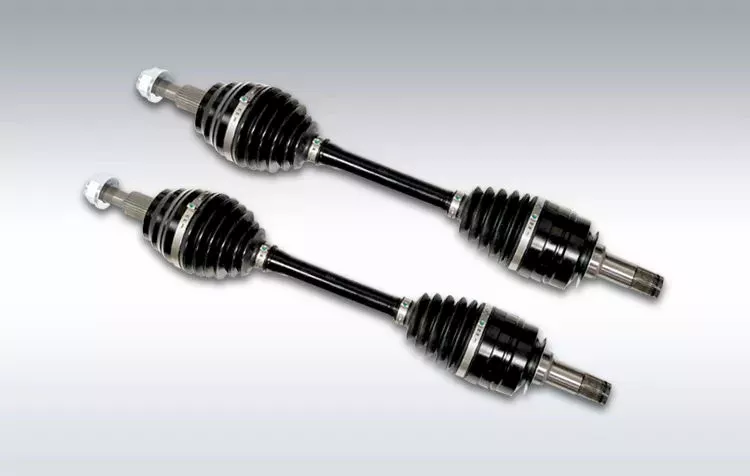
Are there any limitations or disadvantages associated with PTO drive shaft systems?
While PTO (Power Take-Off) drive shaft systems offer numerous advantages, there are also some limitations and disadvantages associated with their use. It’s important to consider these factors when deciding whether to implement a PTO drive shaft system. The limitations and disadvantages include:
1. Safety Risks:
PTO drive shaft systems can pose safety risks if not used and maintained properly. The rotating drive shaft, exposed splines, and universal joints can present hazards to operators and bystanders if they come into contact with them while in operation. Entanglement or entrapment of clothing, hair, or body parts in the rotating components can result in severe injuries. It is crucial to follow safety guidelines, use appropriate shielding, and implement safety devices to mitigate these risks.
2. Maintenance and Lubrication:
PTO drive shaft systems require regular maintenance and lubrication to ensure optimal performance and longevity. The joints, splines, and bearings need to be inspected, cleaned, and lubricated as recommended by the manufacturer. Failure to perform routine maintenance can lead to premature wear, increased friction, and eventual component failure, resulting in unexpected downtime and costly repairs.
3. Misalignment and Vibrations:
PTO drive shaft systems can experience misalignment and vibrations, especially when the driven equipment is not perfectly aligned with the power source. Misalignment places additional stress on the drive shaft and its components, leading to increased wear and reduced efficiency. Vibrations generated during operation can also contribute to fatigue and accelerated wear of the drive shaft and connected equipment.
4. Limited Operating Angles:
PTO drive shaft systems typically have limited operating angles due to the design constraints of universal joints. Exceeding the recommended operating angles can cause binding, increased wear, and reduced power transmission efficiency. This limitation may restrict the range of movement or flexibility when connecting PTO-driven equipment, requiring careful planning and alignment during installation.
5. Noise and Vibration:
PTO drive shaft systems can generate noise and vibrations during operation. The rotating components, especially at high speeds, can create audible noise and vibrations that may be transmitted to the operator, the equipment, and the surrounding environment. Excessive noise and vibrations can negatively impact the operator’s comfort, equipment performance, and may require additional measures to mitigate their effects.
6. Limited Power Transfer Capacity:
PTO drive shaft systems have limitations in terms of power transfer capacity. The torque and power that can be transmitted through the drive shaft depend on its design, material strength, and the selected components. In applications requiring high torque or power, alternative power transmission methods such as hydraulic systems or direct mechanical drives may be more suitable and capable of handling the required loads.
7. Compatibility Challenges:
Ensuring compatibility between PTO drive shafts and different equipment can sometimes be challenging. Equipment may have unique connection requirements, such as non-standard splines or flanges, which may require custom adapters or modifications. Achieving compatibility with older or specialized equipment can require additional effort and may not always be straightforward.
8. Cost:
Implementing a PTO drive shaft system can involve significant upfront costs, including the purchase of the drive shaft, compatible equipment, and any necessary adapters or couplings. Additionally, ongoing maintenance, lubrication, and potential repairs can contribute to the overall cost of ownership. It is important to consider the cost-benefit ratio and the specific needs of the application before investing in a PTO drive shaft system.
Despite these limitations and disadvantages, PTO drive shaft systems continue to be widely used due to their versatility, ease of use, and compatibility with a wide range of equipment. By addressing safety concerns, performing regular maintenance, and considering the specific requirements of the application, many of these limitations can be mitigated, allowing for reliable and efficient operation.
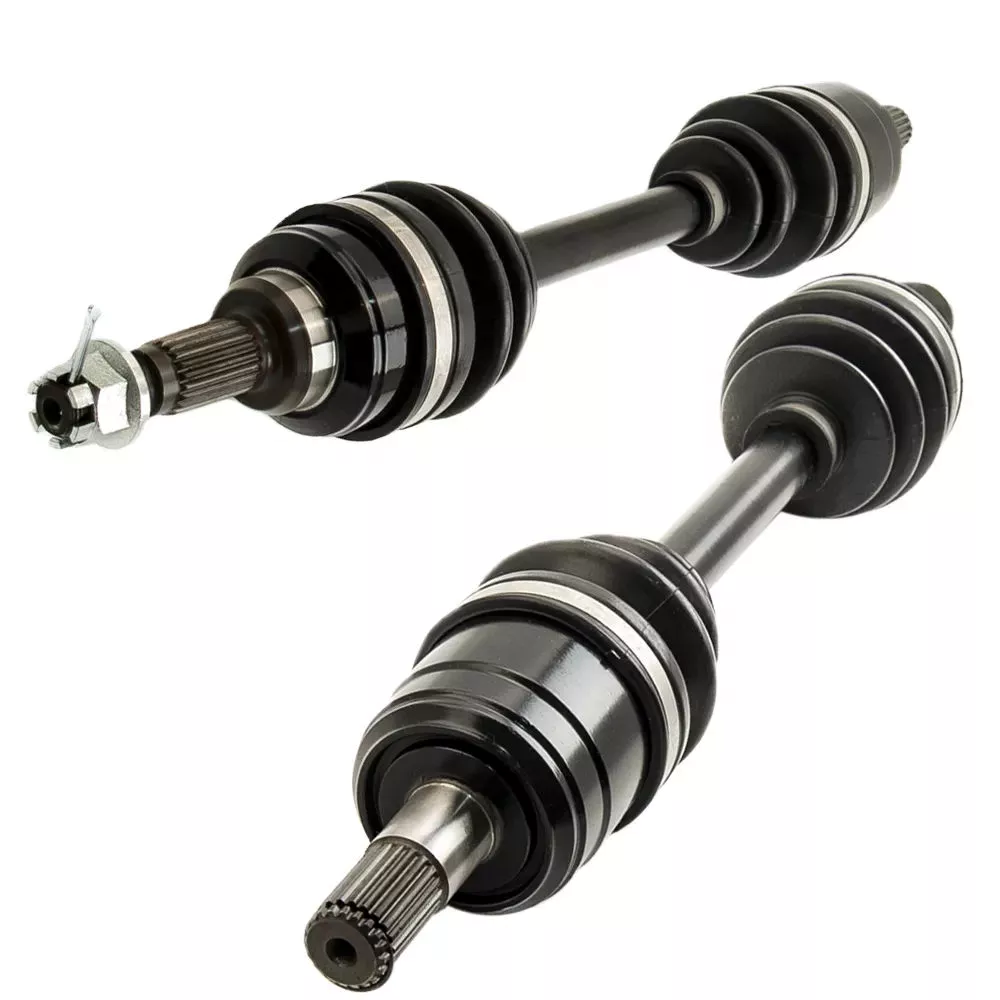
What safety precautions should be followed when working with PTO drive shafts?
Working with PTO (Power Take-Off) drive shafts requires strict adherence to safety precautions to prevent accidents and ensure the well-being of individuals operating or maintaining the equipment. Here are some important safety precautions to follow when working with PTO drive shafts:
1. Read and Understand the Manufacturer’s Instructions:
Before working with PTO drive shafts, carefully read and understand the manufacturer’s instructions, operating manuals, and safety guidelines. Familiarize yourself with the specific requirements and recommendations for the PTO drive shaft model being used. The manufacturer’s instructions provide essential information regarding installation, operation, maintenance, and safety precautions.
2. Wear Appropriate Personal Protective Equipment (PPE):
Always wear the necessary personal protective equipment (PPE) when working with PTO drive shafts. This may include safety glasses, protective gloves, steel-toed boots, and appropriate clothing. PPE helps protect against potential hazards such as flying debris, entanglement, or contact with rotating components.
3. Ensure Proper Installation and Alignment:
Follow the recommended installation procedures for the PTO drive shaft. Ensure that it is correctly aligned and securely attached to both the power source and the driven equipment. Improper installation or misalignment can lead to excessive vibration, premature wear, and potential dislodgement of the drive shaft during operation.
4. Use Safety Guards and Shields:
PTO drive shafts should be equipped with appropriate safety guards and shields. These protective devices help prevent accidental contact with rotating components and minimize the risk of entanglement. Ensure that the guards and shields are properly installed and in good working condition. Do not remove or bypass them during operation.
5. Avoid Loose Clothing, Jewelry, and Hair:
When working with PTO drive shafts, avoid wearing loose clothing, jewelry, or having long hair that can get entangled in the rotating components. Secure or remove any loose items that could pose a risk of entanglement or become caught in the drive shaft during operation.
6. Disconnect Power Before Maintenance:
Prior to performing any maintenance or inspection on the PTO drive shaft, ensure that the power source is completely shut off and the equipment is at a complete stop. Disconnect the power supply and take appropriate measures to prevent accidental startup, such as locking out and tagging out the power source.
7. Regularly Inspect and Maintain the Drive Shaft:
Regularly inspect the PTO drive shaft for signs of wear, damage, or misalignment. Check for loose or missing components, and ensure that all fasteners and connections are secure. Lubricate the drive shaft as recommended by the manufacturer. Promptly address any maintenance or repair needs to prevent further damage or potential safety hazards.
8. Be Cautious of Overload and Shock Loads:
Avoid subjecting the PTO drive shaft to excessive loads or sudden shock loads beyond its rated capacity. Overloading can lead to premature wear, component failure, and potential accidents. Ensure that the equipment being driven by the PTO drive shaft does not exceed its recommended load limits.
9. Provide Training and Awareness:
Ensure that individuals working with or around PTO drive shafts receive proper training and are aware of the associated risks and safety precautions. Training should cover installation procedures, safe operation, maintenance practices, and emergency procedures. Promote a safety-conscious culture and encourage reporting of any safety concerns or incidents.
10. Seek Professional Assistance When Needed:
If you’re unsure about any aspect of working with PTO drive shafts or encounter complex maintenance or repair needs, seek professional assistance. Consulting with qualified technicians, engineers, or the equipment manufacturer can help ensure that the work is carried out safely and effectively.
Remember, safety should always be the top priority when working with PTO drive shafts. Following these precautions helps minimize the risk of accidents, injuries, and equipment damage. It is essential to stay vigilant, exercise caution, and comply with relevant safety regulations and standards.

Hur bidrar kraftuttagsaxlar till att överföra kraft från traktorer till redskap?
Kraftuttagsaxlar (Power Take-Off) spelar en avgörande roll för att överföra kraft från traktorer till redskap inom jordbruks- och industritillämpningar. De utgör en mekanisk koppling som möjliggör effektiv och tillförlitlig överföring av rotationskraft från traktorns motor till olika redskap. Här är en detaljerad förklaring av hur kraftuttagsaxlar bidrar till kraftöverföring:
1. Strömkälla:
En traktor fungerar som den primära kraftkällan i jordbruksarbete. Traktorns motor genererar rotationskraft, som behöver överföras till de anslutna redskapen för att utföra specifika uppgifter. Kraften som genereras av motorn utnyttjas och överförs via kraftuttagsaxeln.
2. Kraftuttagsaxel:
Traktorer är utrustade med en kraftuttagsaxel, vanligtvis placerad baktill på traktorn. Kraftuttagets utgående axel är specifikt konstruerad för att överföra kraft till externa enheter, såsom redskap eller maskiner. Kraftuttagets drivaxel är direkt ansluten till denna utgående axel för att ta emot kraft.
3. Konfiguration av kraftuttagsaxel:
Kraftuttagsaxeln består av en roterande axel med splines i båda ändar. Dessa splines ger en säker och robust anslutning till traktorns kraftuttagsaxel och redskapets ingående axel. Drivaxeln är konstruerad för att överföra rotationskraft samtidigt som den anpassar sig till det varierande avståndet och uppriktningen mellan traktorn och redskapet.
4. Tillbehör och redskapsingångsaxel:
Den andra änden av kraftuttagsaxeln ansluts till redskapets ingående axel. Redskapet kan ha en specifik fästpunkt eller en kraftuttagsanslutning utformad för att ta emot kraftuttagsaxeln. Redskapets ingående axel är exakt inriktad med kraftuttagsaxeln för att säkerställa effektiv kraftöverföring.
5. Mekanisk kraftöverföring:
När kraftuttagsaxeln är korrekt ansluten till både traktorns utgående kraftuttagsaxel och redskapets ingående axel, fungerar den som en mekanisk länk mellan de två. När traktorns motor går överförs rotationskraften som genereras av motorn via kraftuttagsaxeln och in i drivaxeln.
6. Rotationskraftleverans:
Kraftuttagsaxeln roterar med samma hastighet som traktorns motor, vilket effektivt levererar rotationskraften till redskapet. Redskapet använder denna kraft för att driva sina specifika maskiner eller utföra olika uppgifter, såsom klippning, jordbearbetning, gräsklippning eller pumpning.
7. Kraftöverföringens effektivitet:
Kraftuttagsaxlar är konstruerade för att maximera kraftöverföringens effektivitet. De är vanligtvis konstruerade med höghållfasta material och precisionsteknik för att minimera energiförluster och säkerställa en tillförlitlig kraftöverföring. Korrekt underhåll, inklusive smörjning och regelbundna inspektioner, är avgörande för att upprätthålla optimal kraftöverföringseffektivitet.
8. Säkerhetsaspekter:
Kraftuttagsaxlar kan utgöra säkerhetsrisker om de inte används korrekt. Det är viktigt att följa säkerhetsföreskrifterna och se till att drivaxeln är ordentligt skyddad för att förhindra kontakt med roterande komponenter. Förare bör också vara försiktiga vid till- och frånkoppling för att undvika olyckor eller skador.
Sammanfattningsvis fungerar kraftuttagsaxlar som den viktiga länken mellan traktorer och redskap, vilket underlättar överföringen av rotationskraft. De utgör en mekanisk anslutning som effektivt överför kraft från traktorns motor till redskapet, vilket gör att en mängd olika jordbruks- och industriuppgifter kan utföras effektivt och ändamålsenligt.


editor by CX 2023-12-12























