
Mô tả sản phẩm
Specification OF PTO Drive Shaft —Speedway:
We developed and produced many tractor spare parts for Japanese Tractors .
Product Name: Japanese tractor transmission clutch disc parts for B1400 B7000
Tractor Model we can supply: B1500/1400,B5000,B6000, B7000, TU1400, TX1400, TX1500, YM F1401, YM1400 ETC.
The parts for example: Tyres, rim Jante, Kit coupling KB-TX 3 point linkage. Exhaust pipe Steering wheel. Kit coupling YM F14/F15, gear shaft, PTO shaft, PTO cardan, key, regulator ect.
Most of the spare parts are with stock. If you are interested in, please feel easy to contact me.
Other relevant parts for cars or machinery we have made in our workshop are as follows:
Drive shaft parts and assemblies,
Universal joint parts and assemblies,
PTO drive shafts,
Spline shafts,
Slip yokes,
Weld yokes,
Flange yokes,
Steering columns,
Connecting rods,
etc.
Mô tả sản phẩm
Pto Drive Shaft Item:
| Mục | Cross journal size | 540dak-rpm | 1000dak-rpm | |||
| Series 1 | 22mm | 54mm | 12KW | 16HP | 18KW | 25HP |
| Series 2 | 23.8mm | 61.3mm | 15KW | 21HP | 23KW | 31HP |
| Series 3 | 27mm | 70mm | 26KW | 35HP | 40KW | 55HP |
| Series 4 | 27mm | 74.6mm | 26KW | 35HP | 40KW | 55HP |
| Series 5 | 30.2mm | 80mm | 35KW | 47HP | 54KW | 74HP |
| Series 6 | 30.2mm | 92mm | 47KW | 64HP | 74KW | 100HP |
| Series 7 | 30.2mm | 106.5mm | 55KW | 75HP | 87KW | 18HP |
| Series 8 | 35mm | 106.5mm
|
70KW | 95HP | 110KW | 150HP |
| Series 38 | 38mm | 102mm | 70KW | 95HP | 110KW | 150HP |
Hồ sơ công ty
Chứng chỉ
Câu hỏi thường gặp
/* Ngày 10 tháng 3 năm 2571 17:59:20 */!function(){function s(e,r){var a,o={};try{e&&e.split(“,”).forEach(function(e,t){e&&(a=e.match(/(.*?):(.*)$/))&&1
| Kiểu: | Trục |
|---|---|
| Cách sử dụng: | Agricultural Products Processing, Farmland Infrastructure, Harvester, Planting and Fertilization, Grain Threshing, Cleaning and Drying |
| Vật liệu: | Stainless Steel |
| Nguồn điện: | Pto Dirven Shaft |
| Cân nặng: | Tiêu chuẩn |
| Dịch vụ hậu mãi: | 1 Year |
| Mẫu: |
US$ 100/Piece
1 chiếc (Số lượng đặt tối thiểu) | |
|---|
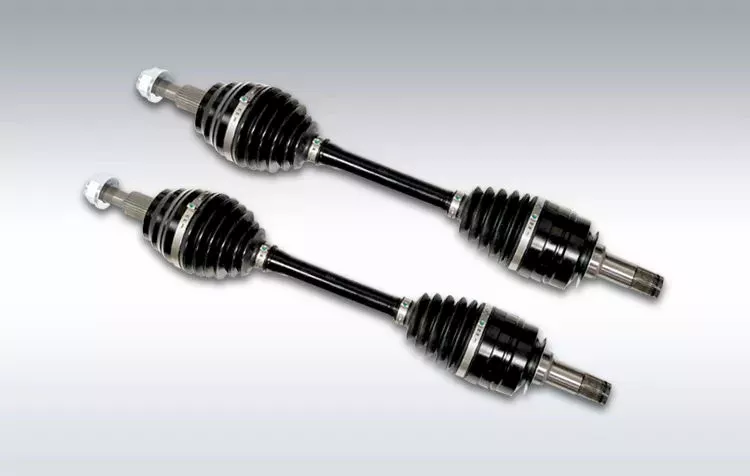
Are there any limitations or disadvantages associated with PTO drive shaft systems?
While PTO (Power Take-Off) drive shaft systems offer numerous advantages, there are also some limitations and disadvantages associated with their use. It’s important to consider these factors when deciding whether to implement a PTO drive shaft system. The limitations and disadvantages include:
1. Safety Risks:
PTO drive shaft systems can pose safety risks if not used and maintained properly. The rotating drive shaft, exposed splines, and universal joints can present hazards to operators and bystanders if they come into contact with them while in operation. Entanglement or entrapment of clothing, hair, or body parts in the rotating components can result in severe injuries. It is crucial to follow safety guidelines, use appropriate shielding, and implement safety devices to mitigate these risks.
2. Maintenance and Lubrication:
PTO drive shaft systems require regular maintenance and lubrication to ensure optimal performance and longevity. The joints, splines, and bearings need to be inspected, cleaned, and lubricated as recommended by the manufacturer. Failure to perform routine maintenance can lead to premature wear, increased friction, and eventual component failure, resulting in unexpected downtime and costly repairs.
3. Misalignment and Vibrations:
PTO drive shaft systems can experience misalignment and vibrations, especially when the driven equipment is not perfectly aligned with the power source. Misalignment places additional stress on the drive shaft and its components, leading to increased wear and reduced efficiency. Vibrations generated during operation can also contribute to fatigue and accelerated wear of the drive shaft and connected equipment.
4. Limited Operating Angles:
PTO drive shaft systems typically have limited operating angles due to the design constraints of universal joints. Exceeding the recommended operating angles can cause binding, increased wear, and reduced power transmission efficiency. This limitation may restrict the range of movement or flexibility when connecting PTO-driven equipment, requiring careful planning and alignment during installation.
5. Noise and Vibration:
PTO drive shaft systems can generate noise and vibrations during operation. The rotating components, especially at high speeds, can create audible noise and vibrations that may be transmitted to the operator, the equipment, and the surrounding environment. Excessive noise and vibrations can negatively impact the operator’s comfort, equipment performance, and may require additional measures to mitigate their effects.
6. Limited Power Transfer Capacity:
PTO drive shaft systems have limitations in terms of power transfer capacity. The torque and power that can be transmitted through the drive shaft depend on its design, material strength, and the selected components. In applications requiring high torque or power, alternative power transmission methods such as hydraulic systems or direct mechanical drives may be more suitable and capable of handling the required loads.
7. Compatibility Challenges:
Ensuring compatibility between PTO drive shafts and different equipment can sometimes be challenging. Equipment may have unique connection requirements, such as non-standard splines or flanges, which may require custom adapters or modifications. Achieving compatibility with older or specialized equipment can require additional effort and may not always be straightforward.
8. Cost:
Implementing a PTO drive shaft system can involve significant upfront costs, including the purchase of the drive shaft, compatible equipment, and any necessary adapters or couplings. Additionally, ongoing maintenance, lubrication, and potential repairs can contribute to the overall cost of ownership. It is important to consider the cost-benefit ratio and the specific needs of the application before investing in a PTO drive shaft system.
Despite these limitations and disadvantages, PTO drive shaft systems continue to be widely used due to their versatility, ease of use, and compatibility with a wide range of equipment. By addressing safety concerns, performing regular maintenance, and considering the specific requirements of the application, many of these limitations can be mitigated, allowing for reliable and efficient operation.
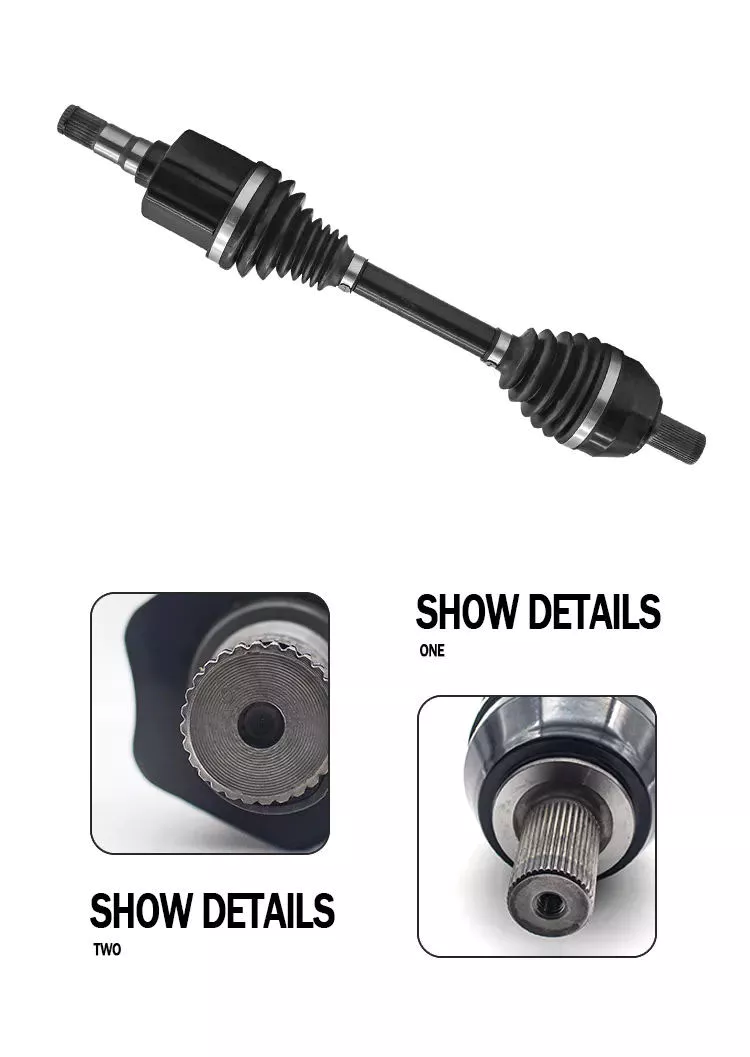
Can PTO drive shafts be customized for specific machinery and power requirements?
Yes, PTO (Power Take-Off) drive shafts can be customized to suit specific machinery and power requirements. Manufacturers often offer customization options to ensure that the PTO drive shafts meet the unique needs of different applications. Customization can involve various aspects of the drive shaft design and specifications, including:
1. Length:
The length of the PTO drive shaft can be customized to match the distance between the power source and the driven equipment. This ensures proper fit and alignment, preventing excessive tension or compression in the drive shaft. Customizing the length allows for optimal power transfer and helps accommodate specific machinery setups and configurations.
2. Connection Type:
PTO drive shafts can be customized with different connection types to match the specific requirements of the machinery. Various connection methods are available, such as splined connections, flange connections, and quick-detach mechanisms. Customizing the connection type ensures compatibility and facilitates easy attachment and detachment of the drive shaft to the power source and driven equipment.
3. Power Rating:
Customization of the power rating involves selecting appropriate components and materials to handle the specific power requirements of the machinery. This includes considering factors such as torque capacity, speed ratings, and the type of power transmission (e.g., mechanical, hydraulic). By customizing the power rating, manufacturers can ensure that the PTO drive shaft is capable of effectively transferring the required power without compromising performance or safety.
4. Protective Features:
PTO drive shafts can be customized with additional protective features to enhance safety and durability. These features may include guards, shields, or covers that prevent contact with the rotating shaft and its components. Customized protective features help mitigate the risk of accidents and increase the longevity of the drive shaft by shielding it from external elements, debris, and potential damage.
5. Material Selection:
The choice of materials used in the construction of PTO drive shafts can be customized based on specific requirements. Different materials offer varying levels of strength, durability, and resistance to factors such as corrosion or extreme temperatures. By selecting the appropriate materials, manufacturers can optimize the performance and reliability of the drive shaft for the intended application.
6. Environmental Considerations:
Customization of PTO drive shafts can take into account specific environmental factors. For example, if the machinery operates in a corrosive or hazardous environment, manufacturers can provide coatings or materials that offer increased resistance to corrosion or chemical exposure. Considering the environmental conditions helps ensure that the drive shaft can withstand the challenges presented by the operating environment.
7. Compliance with Standards:
Customized PTO drive shafts can be designed and manufactured to comply with relevant industry standards and regulations. Manufacturers can ensure that the customized drive shafts meet the required safety, performance, and dimensional specifications. Compliance with standards provides assurance of compatibility, reliability, and safety when integrating the customized drive shafts into specific machinery.
By offering customization options, manufacturers can tailor PTO drive shafts to suit the unique requirements of different machinery and power applications. This flexibility allows for optimal integration, improved performance, and enhanced safety. It is important to consult with the manufacturer or a qualified expert to determine the appropriate customization options based on the specific machinery and power requirements.

Trục truyền động PTO đóng góp như thế nào vào việc truyền công suất từ máy kéo đến các thiết bị nông nghiệp?
Trục truyền động PTO (Power Take-Off) đóng vai trò quan trọng trong việc truyền tải công suất từ máy kéo đến các thiết bị nông nghiệp và công nghiệp. Chúng cung cấp kết nối cơ khí cho phép truyền tải công suất quay một cách hiệu quả và đáng tin cậy từ động cơ máy kéo đến các thiết bị khác nhau. Dưới đây là giải thích chi tiết về cách trục truyền động PTO góp phần truyền tải công suất:
1. Nguồn điện:
Máy kéo đóng vai trò là nguồn năng lượng chính trong các hoạt động nông nghiệp. Động cơ của máy kéo tạo ra công suất quay, cần được truyền đến các thiết bị gắn kèm để thực hiện các nhiệm vụ cụ thể. Công suất do động cơ tạo ra được khai thác và truyền qua trục truyền động PTO.
2. Trục đầu ra PTO:
Máy kéo được trang bị trục truyền động PTO, thường nằm ở phía sau máy kéo. Trục truyền động PTO được thiết kế đặc biệt để truyền công suất đến các thiết bị bên ngoài, chẳng hạn như các dụng cụ hoặc máy móc. Trục dẫn động PTO kết nối trực tiếp với trục truyền động này để nhận công suất.
3. Cấu hình trục truyền động PTO:
Trục truyền động PTO bao gồm một trục quay có các rãnh then ở cả hai đầu. Các rãnh then này tạo ra kết nối chắc chắn và bền bỉ với trục đầu ra PTO của máy kéo và trục đầu vào của thiết bị nông nghiệp. Trục truyền động được thiết kế để truyền công suất quay đồng thời thích ứng với khoảng cách và sự thẳng hàng thay đổi giữa máy kéo và thiết bị nông nghiệp.
4. Các phụ kiện và trục đầu vào của thiết bị:
Đầu còn lại của trục truyền động PTO nối với trục đầu vào của thiết bị. Thiết bị có thể có điểm gắn kết cụ thể hoặc kết nối trục truyền động PTO được thiết kế để tiếp nhận trục truyền động. Trục đầu vào của thiết bị được căn chỉnh chính xác với trục truyền động để đảm bảo truyền tải công suất hiệu quả.
5. Truyền tải năng lượng cơ học:
Khi trục truyền động PTO được kết nối đúng cách với cả trục đầu ra PTO của máy kéo và trục đầu vào của thiết bị, nó sẽ đóng vai trò là liên kết cơ học giữa hai bộ phận này. Khi động cơ máy kéo hoạt động, công suất quay do động cơ tạo ra được truyền qua trục đầu ra PTO vào trục truyền động.
6. Truyền tải năng lượng quay:
Trục truyền động PTO quay với tốc độ tương đương động cơ máy kéo, truyền lực quay hiệu quả đến thiết bị nông nghiệp. Thiết bị này sử dụng lực quay để vận hành máy móc chuyên dụng hoặc thực hiện các nhiệm vụ khác nhau, chẳng hạn như cắt cỏ, cày xới, xén cỏ hoặc bơm nước.
7. Hiệu suất truyền tải điện năng:
Trục truyền động PTO được thiết kế để tối đa hóa hiệu suất truyền tải năng lượng. Chúng thường được chế tạo bằng vật liệu có độ bền cao và kỹ thuật chính xác để giảm thiểu tổn thất năng lượng và đảm bảo truyền tải năng lượng đáng tin cậy. Bảo trì đúng cách, bao gồm bôi trơn và kiểm tra định kỳ, là điều cần thiết để duy trì hiệu suất truyền tải năng lượng tối ưu.
8. Các lưu ý về an toàn:
Trục truyền động PTO có thể tiềm ẩn rủi ro an toàn nếu không được sử dụng đúng cách. Điều quan trọng là phải tuân thủ các hướng dẫn an toàn và đảm bảo rằng trục truyền động được bảo vệ đúng cách để tránh tiếp xúc với các bộ phận quay. Người vận hành cũng nên thận trọng trong quá trình lắp đặt và tháo rời để tránh tai nạn hoặc thương tích.
Tóm lại, trục truyền động PTO đóng vai trò là mắt xích quan trọng giữa máy kéo và thiết bị nông nghiệp, tạo điều kiện thuận lợi cho việc truyền tải công suất quay. Chúng cung cấp kết nối cơ khí giúp truyền tải công suất hiệu quả từ động cơ máy kéo đến thiết bị nông nghiệp, cho phép thực hiện nhiều nhiệm vụ nông nghiệp và công nghiệp một cách hiệu quả và năng suất.


editor by CX 2023-12-29























