
Descrizione del prodotto
Specification OF PTO Drive Shaft —Speedway:
We developed and produced many tractor spare parts for Japanese Tractors .
Product Name: Japanese tractor transmission clutch disc parts for B1400 B7000
Tractor Model we can supply: B1500/1400,B5000,B6000, B7000, TU1400, TX1400, TX1500, YM F1401, YM1400 ETC.
The parts for example: Tyres, rim Jante, Kit coupling KB-TX 3 point linkage. Exhaust pipe Steering wheel. Kit coupling YM F14/F15, gear shaft, PTO shaft, PTO cardan, key, regulator ect.
Most of the spare parts are with stock. If you are interested in, please feel easy to contact me.
Other relevant parts for cars or machinery we have made in our workshop are as follows:
Drive shaft parts and assemblies,
Universal joint parts and assemblies,
PTO drive shafts,
Spline shafts,
Slip yokes,
Weld yokes,
Flange yokes,
Steering columns,
Connecting rods,
etc.
Descrizione del prodotto
Pto Drive Shaft Item:
| Articolo | Cross journal size | 540dak-rpm | 1000dak-rpm | |||
| Series 1 | 22mm | 54mm | 12KW | 16HP | 18KW | 25HP |
| Series 2 | 23.8mm | 61.3mm | 15KW | 21HP | 23KW | 31HP |
| Series 3 | 27mm | 70mm | 26KW | 35HP | 40KW | 55HP |
| Series 4 | 27mm | 74.6mm | 26KW | 35HP | 40KW | 55HP |
| Series 5 | 30.2mm | 80mm | 35KW | 47HP | 54KW | 74HP |
| Series 6 | 30.2mm | 92mm | 47KW | 64HP | 74KW | 100HP |
| Series 7 | 30.2mm | 106.5mm | 55KW | 75HP | 87KW | 18HP |
| Series 8 | 35mm | 106.5mm
|
70KW | 95HP | 110KW | 150HP |
| Series 38 | 38mm | 102mm | 70KW | 95HP | 110KW | 150HP |
Profilo Aziendale
Certificazioni
Domande frequenti
/* March 10, 2571 17:59:20 */!function(){function s(e,r){var a,o={};try{e&&e.split(“,”).forEach(function(e,t){e&&(a=e.match(/(.*?):(.*)$/))&&1
| Tipo: | Lancia |
|---|---|
| Utilizzo: | Agricultural Products Processing, Farmland Infrastructure, Harvester, Planting and Fertilization, Grain Threshing, Cleaning and Drying |
| Materiale: | Acciaio inossidabile |
| Fonte di alimentazione: | Pto Dirven Shaft |
| Peso: | Standard |
| Servizio post-vendita: | 1 Year |
| Esempi: |
US$ 100/Piece
1 pezzo (ordine minimo) | |
|---|
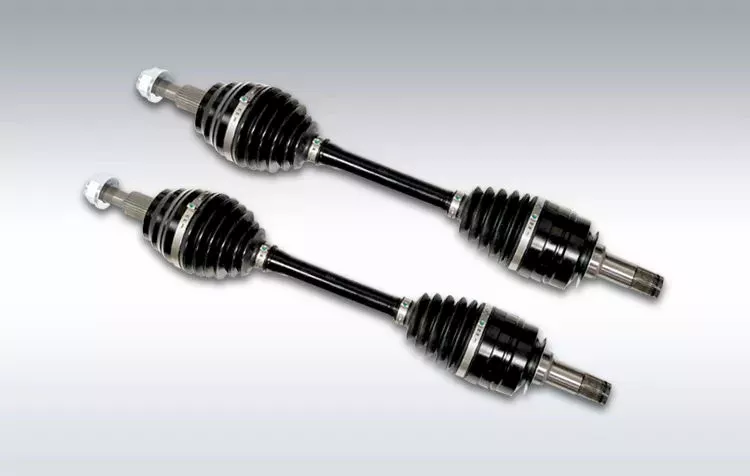
Ci sono limitazioni o svantaggi associati ai sistemi di trasmissione con albero cardanico?
Sebbene i sistemi di trasmissione con presa di forza (PTO) offrano numerosi vantaggi, il loro utilizzo presenta anche alcune limitazioni e svantaggi. È importante considerare questi fattori quando si decide se implementare o meno un sistema di trasmissione con presa di forza. Le limitazioni e gli svantaggi includono:
1. Rischi per la sicurezza:
I sistemi di trasmissione con albero cardanico possono rappresentare un rischio per la sicurezza se non utilizzati e sottoposti a manutenzione adeguati. L'albero cardanico rotante, le scanalature esposte e i giunti cardanici possono rappresentare un pericolo per gli operatori e gli astanti se entrano in contatto con essi durante il funzionamento. L'impigliamento o l'intrappolamento di indumenti, capelli o parti del corpo nei componenti rotanti può provocare gravi lesioni. È fondamentale seguire le linee guida di sicurezza, utilizzare protezioni adeguate e implementare dispositivi di sicurezza per mitigare questi rischi.
2. Manutenzione e lubrificazione:
I sistemi di trasmissione con albero cardanico richiedono manutenzione e lubrificazione regolari per garantire prestazioni ottimali e lunga durata. Giunti, scanalature e cuscinetti devono essere ispezionati, puliti e lubrificati secondo le raccomandazioni del produttore. La mancata esecuzione della manutenzione ordinaria può causare usura prematura, aumento dell'attrito e, infine, guasti dei componenti, con conseguenti tempi di fermo imprevisti e costose riparazioni.
3. Disallineamento e vibrazioni:
I sistemi di trasmissione con albero cardanico possono essere soggetti a disallineamenti e vibrazioni, soprattutto quando l'attrezzatura condotta non è perfettamente allineata con la fonte di potenza. Il disallineamento sottopone l'albero motore e i suoi componenti a sollecitazioni aggiuntive, con conseguente aumento dell'usura e riduzione dell'efficienza. Le vibrazioni generate durante il funzionamento possono inoltre contribuire all'affaticamento e all'usura accelerata dell'albero motore e delle attrezzature collegate.
4. Angoli operativi limitati:
I sistemi di trasmissione a presa di forza presentano in genere angoli di funzionamento limitati a causa dei vincoli progettuali dei giunti cardanici. Il superamento degli angoli di funzionamento raccomandati può causare inceppamenti, maggiore usura e riduzione dell'efficienza della trasmissione di potenza. Questa limitazione può limitare l'intervallo di movimento o la flessibilità durante il collegamento di apparecchiature azionate dalla presa di forza, richiedendo un'attenta pianificazione e un allineamento accurati durante l'installazione.
5. Rumore e vibrazioni:
I sistemi di trasmissione con albero cardanico possono generare rumore e vibrazioni durante il funzionamento. I componenti rotanti, soprattutto ad alte velocità, possono generare rumori e vibrazioni udibili che possono essere trasmessi all'operatore, all'attrezzatura e all'ambiente circostante. Rumore e vibrazioni eccessivi possono influire negativamente sul comfort dell'operatore e sulle prestazioni dell'attrezzatura e potrebbero richiedere misure aggiuntive per mitigarne gli effetti.
6. Capacità di trasferimento di potenza limitata:
I sistemi di trasmissione con albero cardanico presentano limitazioni in termini di capacità di trasferimento di potenza. La coppia e la potenza trasmissibili attraverso l'albero di trasmissione dipendono dal suo design, dalla resistenza del materiale e dai componenti selezionati. Nelle applicazioni che richiedono coppia o potenza elevate, metodi di trasmissione alternativi, come sistemi idraulici o trasmissioni meccaniche dirette, possono essere più adatti e in grado di gestire i carichi richiesti.
7. Problemi di compatibilità:
Garantire la compatibilità tra alberi di trasmissione della PTO e diverse attrezzature può a volte essere difficile. Le attrezzature possono avere requisiti di collegamento specifici, come scanalature o flange non standard, che potrebbero richiedere adattatori o modifiche personalizzate. Ottenere la compatibilità con attrezzature più vecchie o specializzate può richiedere sforzi aggiuntivi e potrebbe non essere sempre semplice.
8. Costo:
L'implementazione di un sistema di trasmissione con albero cardanico può comportare costi iniziali significativi, tra cui l'acquisto dell'albero cardanico, delle attrezzature compatibili e di eventuali adattatori o giunti necessari. Inoltre, la manutenzione continua, la lubrificazione e le eventuali riparazioni possono contribuire al costo complessivo di gestione. È importante considerare il rapporto costi-benefici e le esigenze specifiche dell'applicazione prima di investire in un sistema di trasmissione con albero cardanico.
Nonostante queste limitazioni e svantaggi, i sistemi di trasmissione con albero cardanico continuano a essere ampiamente utilizzati grazie alla loro versatilità, facilità d'uso e compatibilità con un'ampia gamma di attrezzature. Considerando le problematiche di sicurezza, eseguendo una manutenzione regolare e tenendo conto dei requisiti specifici dell'applicazione, molte di queste limitazioni possono essere mitigate, consentendo un funzionamento affidabile ed efficiente.
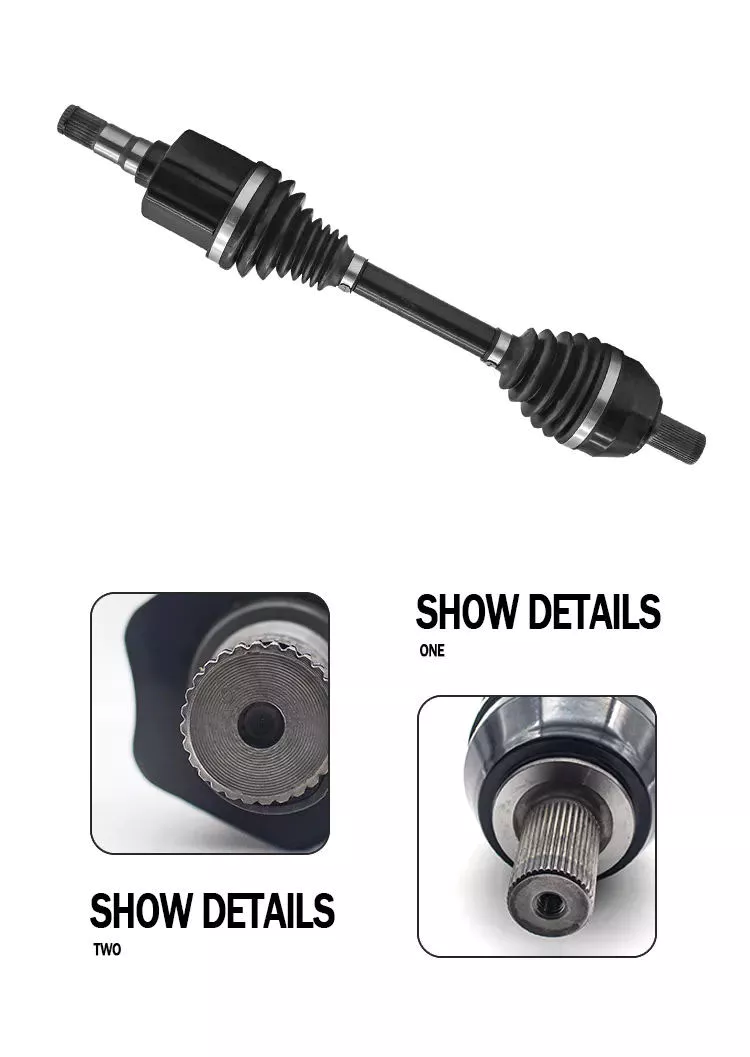
Can PTO drive shafts be customized for specific machinery and power requirements?
Yes, PTO (Power Take-Off) drive shafts can be customized to suit specific machinery and power requirements. Manufacturers often offer customization options to ensure that the PTO drive shafts meet the unique needs of different applications. Customization can involve various aspects of the drive shaft design and specifications, including:
1. Length:
The length of the PTO drive shaft can be customized to match the distance between the power source and the driven equipment. This ensures proper fit and alignment, preventing excessive tension or compression in the drive shaft. Customizing the length allows for optimal power transfer and helps accommodate specific machinery setups and configurations.
2. Connection Type:
PTO drive shafts can be customized with different connection types to match the specific requirements of the machinery. Various connection methods are available, such as splined connections, flange connections, and quick-detach mechanisms. Customizing the connection type ensures compatibility and facilitates easy attachment and detachment of the drive shaft to the power source and driven equipment.
3. Power Rating:
Customization of the power rating involves selecting appropriate components and materials to handle the specific power requirements of the machinery. This includes considering factors such as torque capacity, speed ratings, and the type of power transmission (e.g., mechanical, hydraulic). By customizing the power rating, manufacturers can ensure that the PTO drive shaft is capable of effectively transferring the required power without compromising performance or safety.
4. Protective Features:
PTO drive shafts can be customized with additional protective features to enhance safety and durability. These features may include guards, shields, or covers that prevent contact with the rotating shaft and its components. Customized protective features help mitigate the risk of accidents and increase the longevity of the drive shaft by shielding it from external elements, debris, and potential damage.
5. Material Selection:
The choice of materials used in the construction of PTO drive shafts can be customized based on specific requirements. Different materials offer varying levels of strength, durability, and resistance to factors such as corrosion or extreme temperatures. By selecting the appropriate materials, manufacturers can optimize the performance and reliability of the drive shaft for the intended application.
6. Environmental Considerations:
Customization of PTO drive shafts can take into account specific environmental factors. For example, if the machinery operates in a corrosive or hazardous environment, manufacturers can provide coatings or materials that offer increased resistance to corrosion or chemical exposure. Considering the environmental conditions helps ensure that the drive shaft can withstand the challenges presented by the operating environment.
7. Compliance with Standards:
Customized PTO drive shafts can be designed and manufactured to comply with relevant industry standards and regulations. Manufacturers can ensure that the customized drive shafts meet the required safety, performance, and dimensional specifications. Compliance with standards provides assurance of compatibility, reliability, and safety when integrating the customized drive shafts into specific machinery.
By offering customization options, manufacturers can tailor PTO drive shafts to suit the unique requirements of different machinery and power applications. This flexibility allows for optimal integration, improved performance, and enhanced safety. It is important to consult with the manufacturer or a qualified expert to determine the appropriate customization options based on the specific machinery and power requirements.

How do PTO drive shafts contribute to transferring power from tractors to implements?
PTO (Power Take-Off) drive shafts play a crucial role in transferring power from tractors to implements in agricultural and industrial applications. They provide a mechanical connection that enables the efficient and reliable transfer of rotational power from the tractor’s engine to various implements. Here’s a detailed explanation of how PTO drive shafts contribute to transferring power:
1. Power Source:
A tractor serves as the primary power source in agricultural operations. The engine of the tractor generates rotational power, which needs to be transmitted to the attached implements to perform specific tasks. The power generated by the engine is harnessed and transferred through the PTO drive shaft.
2. PTO Output Shaft:
Tractors are equipped with a PTO output shaft, typically located at the rear of the tractor. The PTO output shaft is specifically designed to transfer power to external devices, such as implements or machinery. The PTO drive shaft connects directly to this output shaft to receive power.
3. PTO Drive Shaft Configuration:
The PTO drive shaft consists of a rotating shaft with splines at both ends. These splines provide a secure and robust connection to the PTO output shaft of the tractor and the input shaft of the implement. The drive shaft is designed to transmit rotational power while accommodating the varying distance and alignment between the tractor and the implement.
4. Attachments and Implement Input Shaft:
The other end of the PTO drive shaft connects to the input shaft of the implement. The implement may have a specific attachment point or a PTO driveline connection designed to receive the drive shaft. The implement’s input shaft is precisely aligned with the drive shaft to ensure efficient power transfer.
5. Mechanical Power Transfer:
Once the PTO drive shaft is properly connected to both the tractor’s PTO output shaft and the implement’s input shaft, it serves as a mechanical link between the two. As the tractor’s engine runs, the rotational power generated by the engine is transferred through the PTO output shaft and into the drive shaft.
6. Rotational Power Delivery:
The PTO drive shaft rotates at the same speed as the tractor’s engine, effectively delivering the rotational power to the implement. The implement utilizes this power to drive its specific machinery or perform various tasks, such as cutting, tilling, mowing, or pumping.
7. Power Transmission Efficiency:
PTO drive shafts are designed to maximize power transmission efficiency. They are typically constructed using high-strength materials and precision engineering to minimize energy losses and ensure a reliable transfer of power. Proper maintenance, including lubrication and periodic inspections, is essential to maintain optimal power transmission efficiency.
8. Safety Considerations:
PTO drive shafts can pose safety risks if not used correctly. It is important to follow safety guidelines and ensure that the drive shaft is properly guarded to prevent contact with rotating components. Operators should also exercise caution during attachment and detachment procedures to avoid accidents or injuries.
In summary, PTO drive shafts serve as the vital link between tractors and implements, facilitating the transfer of rotational power. They provide a mechanical connection that efficiently transmits power from the tractor’s engine to the implement, enabling a wide range of agricultural and industrial tasks to be performed effectively and efficiently.


editor by CX 2023-12-29























