
Mô tả sản phẩm
Thông số sản phẩm
| Tên sản phẩm | Gearbox Output Shaft Assembly |
| Model NO. | HW25716XA AMT |
| Chứng nhận | ISO9001 |
| Brake System Parts | Brake Control |
| Transmission System Parts | Gearbox |
| Steering System Parts | Steering Transmission Device |
| Measurement | 24*17*14cm |
| Transport Package | Exporting Standard |
| Specification | 18/24/32/38/41c*L530/535mm |
| Nguồn gốc | Trung Quốc |
| Production Capacity | 10000 PCS/Month |
| Ứng dụng | Shacman, Sinotruk, FAW,etc |
Ảnh chi tiết
Our Advantages
1. We have been committed to the heavy truck accessories industry for more than 10 years. The company’s professional team can quickly match any products you need, saving you purchasing time;
2. Excellent product quality is the foundation of our company and the cornerstone on which our company has always relied for survival;
3.Our company has formed a complete supply chain, which can process customer orders within 2 hours, arrange production plans and ship goods as soon as possible;
4. Our company has complete after-sales guarantee, and excellent after-sales service is the main factor for us to reach follow-up cooperation with customers.
Hồ sơ công ty
Chứng chỉ
Đóng gói & Vận chuyển
Customer Visit
Câu hỏi thường gặp
1. About the condition of the truck:
Each product will have a test report.We guarantee that the product is in good condition.
2. About delivery:
Divided into flat frame container, bulk carrier, roll-on – roll ship
3.MOQ:
1 group
4. About OEM:
Welcome, you can send your own designed LOGO, we can open a new mold for you to print or emboss any LOGO.
5. Terms of payment:
For sample orders, you can use telegraphic transfer, sight L/C, Western Union, Paypal, MoneyGram, Alipay or credit card.
6. About delivery time:
The exact delivery time depends on the item you order and the quantity.
7. About Us:
We have a professional vehicle renewal team, 1 for every truck Test report.
/* Ngày 22 tháng 1 năm 2571 19:08:37 */!function(){function s(e,r){var a,o={};try{e&&e.split(“,”).forEach(function(e,t){e&&(a=e.match(/(.*?):(.*)$/))&&1
| Dịch vụ hậu mãi: | Tốt |
|---|---|
| Bảo hành: | 12 tháng |
| Kiểu: | Gearbox |
| Tùy chỉnh: |
Có sẵn
| Yêu cầu tùy chỉnh |
|---|
.shipping-cost-tm .tm-status-off{background: none;padding:0;color: #1470cc}
| Chi phí vận chuyển:
Cước phí vận chuyển ước tính cho mỗi đơn vị sản phẩm. |
Thông tin về chi phí vận chuyển và thời gian giao hàng dự kiến. |
|---|
| Phương thức thanh toán: |
|
|---|---|
|
Khoản thanh toán ban đầu Thanh toán đầy đủ |
| Tiền tệ: | US$ |
|---|
| Chính sách đổi trả và hoàn tiền: | Bạn có thể yêu cầu hoàn tiền trong vòng 30 ngày kể từ ngày nhận sản phẩm. |
|---|
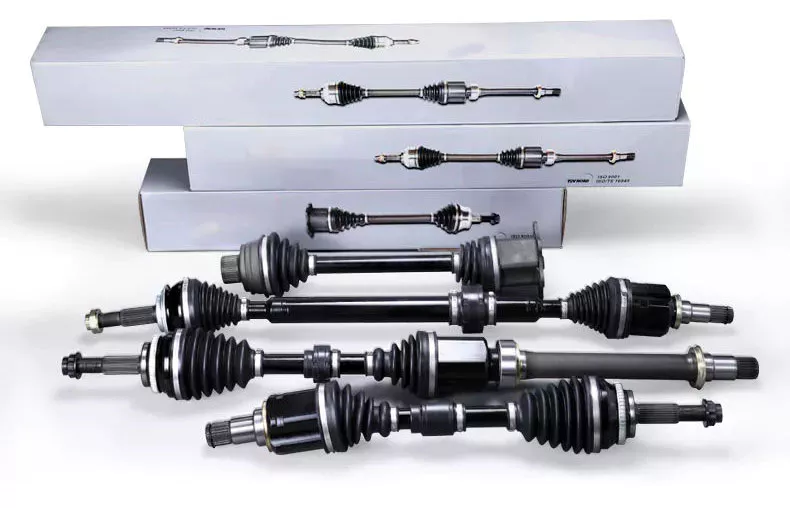
What maintenance practices are crucial for prolonging the lifespan of drive shafts?
To prolong the lifespan of drive shafts and ensure their optimal performance, several maintenance practices are crucial. Regular maintenance helps identify and address potential issues before they escalate, reduces wear and tear, and ensures the drive shaft operates smoothly and efficiently. Here are some essential maintenance practices for prolonging the lifespan of drive shafts:
1. Regular Inspection:
Performing regular inspections is vital for detecting any signs of wear, damage, or misalignment. Inspect the drive shaft visually, looking for cracks, dents, or any signs of excessive wear on the shaft itself and its associated components such as joints, yokes, and splines. Check for any signs of lubrication leaks or contamination. Additionally, inspect the fasteners and mounting points to ensure they are secure. Early detection of any issues allows for timely repairs or replacements, preventing further damage to the drive shaft.
2. Lubrication:
Proper lubrication is essential for the smooth operation and longevity of drive shafts. Lubricate the joints, such as universal joints or constant velocity joints, as recommended by the manufacturer. Lubrication reduces friction, minimizes wear, and helps dissipate heat generated during operation. Use the appropriate lubricant specified for the specific drive shaft and application, considering factors such as temperature, load, and operating conditions. Regularly check the lubrication levels and replenish as necessary to ensure optimal performance and prevent premature failure.
3. Balancing and Alignment:
Maintaining proper balancing and alignment is crucial for the lifespan of drive shafts. Imbalances or misalignments can lead to vibrations, accelerated wear, and potential failure. If vibrations or unusual noises are detected during operation, it is important to address them promptly. Perform balancing procedures as necessary, including dynamic balancing, to ensure even weight distribution along the drive shaft. Additionally, verify that the drive shaft is correctly aligned with the engine or power source and the driven components. Misalignment can cause excessive stress on the drive shaft, leading to premature failure.
4. Protective Coatings:
Applying protective coatings can help prolong the lifespan of drive shafts, particularly in applications exposed to harsh environments or corrosive substances. Consider using coatings such as zinc plating, powder coating, or specialized corrosion-resistant coatings to enhance the drive shaft’s resistance to corrosion, rust, and chemical damage. Regularly inspect the coating for any signs of degradation or damage, and reapply or repair as necessary to maintain the protective barrier.
5. Torque and Fastener Checks:
Ensure that the drive shaft’s fasteners, such as bolts, nuts, or clamps, are properly torqued and secured according to the manufacturer’s specifications. Loose or improperly tightened fasteners can lead to excessive vibrations, misalignment, or even detachment of the drive shaft. Periodically check and retighten the fasteners as recommended or after any maintenance or repair procedures. Additionally, monitor the torque levels during operation to ensure they remain within the specified range, as excessive torque can strain the drive shaft and lead to premature failure.
6. Environmental Protection:
Protecting the drive shaft from environmental factors can significantly extend its lifespan. In applications exposed to extreme temperatures, moisture, chemicals, or abrasive substances, take appropriate measures to shield the drive shaft. This may include using protective covers, seals, or guards to prevent contaminants from entering and causing damage. Regular cleaning of the drive shaft, especially in dirty or corrosive environments, can also help remove debris and prevent buildup that could compromise its performance and longevity.
7. Manufacturer Guidelines:
Follow the manufacturer’s guidelines and recommendations for maintenance practices specific to the drive shaft model and application. The manufacturer’s instructions may include specific intervals for inspections, lubrication, balancing, or other maintenance tasks. Adhering to these guidelines ensures that the drive shaft is properly maintained and serviced, maximizing its lifespan and minimizing the risk of unexpected failures.
By implementing these maintenance practices, drive shafts can operate reliably, maintain efficient power transmission, and have an extended service life, ultimately reducing downtime and ensuring optimal performance in various applications.

How do drive shafts contribute to the efficiency of vehicle propulsion and power transmission?
Drive shafts play a crucial role in the efficiency of vehicle propulsion and power transmission systems. They are responsible for transferring power from the engine or power source to the wheels or driven components. Here’s a detailed explanation of how drive shafts contribute to the efficiency of vehicle propulsion and power transmission:
1. Power Transfer:
Drive shafts transmit power from the engine or power source to the wheels or driven components. By efficiently transferring rotational energy, drive shafts enable the vehicle to move forward or drive the machinery. The design and construction of drive shafts ensure minimal power loss during the transfer process, maximizing the efficiency of power transmission.
2. Torque Conversion:
Drive shafts can convert torque from the engine or power source to the wheels or driven components. Torque conversion is necessary to match the power characteristics of the engine with the requirements of the vehicle or machinery. Drive shafts with appropriate torque conversion capabilities ensure that the power delivered to the wheels is optimized for efficient propulsion and performance.
3. Constant Velocity (CV) Joints:
Many drive shafts incorporate Constant Velocity (CV) joints, which help maintain a constant speed and efficient power transmission, even when the driving and driven components are at different angles. CV joints allow for smooth power transfer and minimize vibration or power losses that may occur due to changing operating angles. By maintaining constant velocity, drive shafts contribute to efficient power transmission and improved overall vehicle performance.
4. Lightweight Construction:
Efficient drive shafts are often designed with lightweight materials, such as aluminum or composite materials. Lightweight construction reduces the rotational mass of the drive shaft, which results in lower inertia and improved efficiency. Reduced rotational mass enables the engine to accelerate and decelerate more quickly, allowing for better fuel efficiency and overall vehicle performance.
5. Minimized Friction:
Efficient drive shafts are engineered to minimize frictional losses during power transmission. They incorporate features such as high-quality bearings, low-friction seals, and proper lubrication to reduce energy losses caused by friction. By minimizing friction, drive shafts enhance power transmission efficiency and maximize the available power for propulsion or operating other machinery.
6. Balanced and Vibration-Free Operation:
Drive shafts undergo dynamic balancing during the manufacturing process to ensure smooth and vibration-free operation. Imbalances in the drive shaft can lead to power losses, increased wear, and vibrations that reduce overall efficiency. By balancing the drive shaft, it can spin evenly, minimizing vibrations and optimizing power transmission efficiency.
7. Maintenance and Regular Inspection:
Proper maintenance and regular inspection of drive shafts are essential for maintaining their efficiency. Regular lubrication, inspection of joints and components, and prompt repair or replacement of worn or damaged parts help ensure optimal power transmission efficiency. Well-maintained drive shafts operate with minimal friction, reduced power losses, and improved overall efficiency.
8. Integration with Efficient Transmission Systems:
Drive shafts work in conjunction with efficient transmission systems, such as manual, automatic, or continuously variable transmissions. These transmissions help optimize power delivery and gear ratios based on driving conditions and vehicle speed. By integrating with efficient transmission systems, drive shafts contribute to the overall efficiency of the vehicle propulsion and power transmission system.
9. Aerodynamic Considerations:
In some cases, drive shafts are designed with aerodynamic considerations in mind. Streamlined drive shafts, often used in high-performance or electric vehicles, minimize drag and air resistance to improve overall vehicle efficiency. By reducing aerodynamic drag, drive shafts contribute to the efficient propulsion and power transmission of the vehicle.
10. Optimized Length and Design:
Drive shafts are designed to have optimal lengths and designs to minimize energy losses. Excessive drive shaft length or improper design can introduce additional rotational mass, increase bending stresses, and result in energy losses. By optimizing the length and design, drive shafts maximize power transmission efficiency and contribute to improved overall vehicle efficiency.
Overall, drive shafts contribute to the efficiency of vehicle propulsion and power transmission through effective power transfer, torque conversion, utilization of CV joints, lightweight construction, minimized friction, balanced operation, regular maintenance, integration with efficient transmission systems, aerodynamic considerations, and optimized length and design. By ensuring efficient power delivery and minimizing energy losses, drive shafts play a significant role in enhancing the overall efficiency and performance of vehicles and machinery.
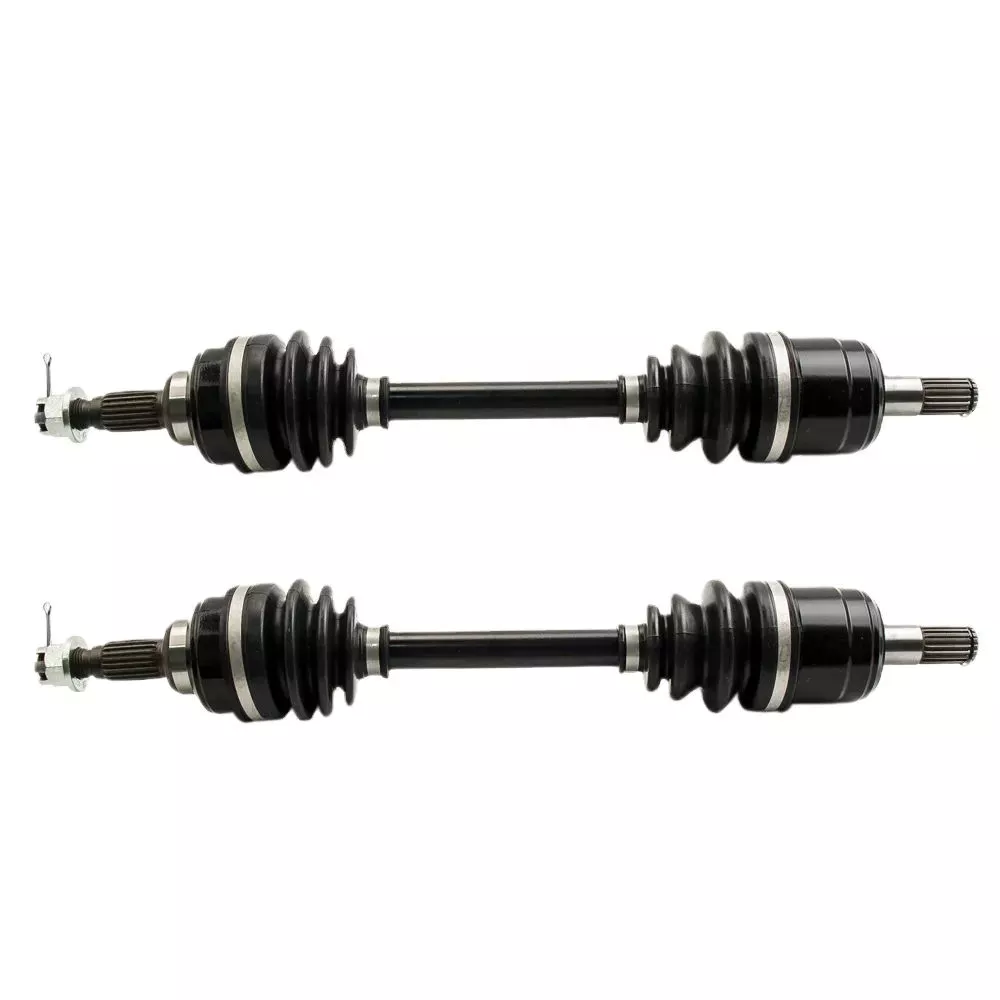
Trục truyền động là gì và nó hoạt động như thế nào trong xe cộ và máy móc?
Trục truyền động, còn được gọi là trục chân vịt hoặc trục truyền động, là một bộ phận cơ khí đóng vai trò quan trọng trong việc truyền công suất quay từ động cơ đến bánh xe hoặc các bộ phận dẫn động khác trong xe cộ và máy móc. Nó thường được sử dụng trong nhiều loại phương tiện, bao gồm ô tô, xe tải, xe máy và máy móc nông nghiệp hoặc công nghiệp. Dưới đây là giải thích chi tiết về trục truyền động là gì và cách thức hoạt động của nó:
1. Định nghĩa và cấu trúc: Trục truyền động là một ống kim loại hình trụ nối động cơ hoặc nguồn năng lượng với bánh xe hoặc các bộ phận được dẫn động. Nó thường được làm bằng thép hoặc nhôm và bao gồm một hoặc nhiều đoạn ống với các khớp nối vạn năng (khớp chữ U) ở mỗi đầu. Các khớp nối chữ U này cho phép chuyển động góc và bù trừ sự lệch trục giữa động cơ/hộp số và bánh xe hoặc các bộ phận được dẫn động.
2. Truyền động: Chức năng chính của trục truyền động là truyền công suất quay từ động cơ hoặc nguồn năng lượng đến bánh xe hoặc các bộ phận được dẫn động. Trong xe cộ, trục truyền động kết nối trục đầu ra của hộp số với bộ vi sai, sau đó bộ vi sai truyền công suất đến bánh xe. Trong máy móc, trục truyền động truyền công suất từ động cơ đến các bộ phận được dẫn động khác nhau như bơm, máy phát điện hoặc các hệ thống cơ khí khác.
3. Mô-men xoắn và tốc độ: Trục truyền động có nhiệm vụ truyền cả mô-men xoắn và tốc độ quay. Mô-men xoắn là lực quay do động cơ hoặc nguồn năng lượng tạo ra, trong khi tốc độ quay là số vòng quay mỗi phút (RPM). Trục truyền động phải có khả năng truyền mô-men xoắn cần thiết mà không bị xoắn hoặc uốn quá mức và duy trì tốc độ quay mong muốn để các bộ phận được dẫn động hoạt động hiệu quả.
4. Khớp nối linh hoạt: Các khớp chữ U trên trục truyền động cung cấp một khớp nối linh hoạt cho phép chuyển động góc và bù trừ sự lệch trục giữa động cơ/hộp số và các bánh xe hoặc các bộ phận được dẫn động. Khi hệ thống treo của xe di chuyển hoặc máy móc hoạt động trên địa hình không bằng phẳng, trục truyền động có thể điều chỉnh chiều dài và góc của nó để phù hợp với những chuyển động này, đảm bảo truyền tải năng lượng trơn tru và ngăn ngừa hư hỏng các bộ phận của hệ thống truyền động.
5. Chiều dài và sự cân bằng: Chiều dài trục truyền động được xác định bởi khoảng cách giữa động cơ hoặc nguồn năng lượng và các bánh xe hoặc bộ phận được dẫn động. Trục truyền động phải có kích thước phù hợp để đảm bảo truyền tải năng lượng hiệu quả và tránh rung động hoặc uốn cong quá mức. Ngoài ra, trục truyền động được cân bằng cẩn thận để giảm thiểu rung động và mất cân bằng quay, những yếu tố có thể gây khó chịu, giảm hiệu suất và dẫn đến mài mòn sớm các bộ phận của hệ thống truyền động.
6. Các lưu ý về an toàn: Trục truyền động trong xe cộ và máy móc cần có các biện pháp an toàn thích hợp. Trong xe cộ, trục truyền động thường được bao bọc trong ống hoặc vỏ bảo vệ để ngăn tiếp xúc với các bộ phận chuyển động và giảm nguy cơ chấn thương trong trường hợp trục trặc hoặc hỏng hóc. Ngoài ra, các tấm chắn hoặc bộ phận bảo vệ an toàn thường được lắp đặt xung quanh các trục truyền động hở trong máy móc để bảo vệ người vận hành khỏi các mối nguy hiểm tiềm ẩn liên quan đến các bộ phận quay.
7. Bảo trì và kiểm tra: Việc bảo dưỡng và kiểm tra định kỳ trục truyền động là rất cần thiết để đảm bảo chúng hoạt động tốt và bền lâu. Điều này bao gồm kiểm tra các dấu hiệu mài mòn, hư hỏng hoặc độ rơ quá mức ở các khớp chữ U, kiểm tra trục truyền động xem có vết nứt hoặc biến dạng nào không, và bôi trơn các khớp chữ U theo khuyến cáo của nhà sản xuất. Bảo dưỡng đúng cách giúp ngăn ngừa hỏng hóc, đảm bảo hiệu suất tối ưu và kéo dài tuổi thọ của trục truyền động.
Tóm lại, trục truyền động là một bộ phận cơ khí truyền công suất quay từ động cơ hoặc nguồn năng lượng đến bánh xe hoặc các bộ phận được dẫn động trong xe cộ và máy móc. Nó hoạt động bằng cách tạo ra kết nối chắc chắn giữa động cơ/hộp số và bánh xe hoặc các bộ phận được dẫn động, đồng thời cho phép chuyển động góc và bù sai lệch thông qua việc sử dụng các khớp chữ U. Trục truyền động đóng vai trò quan trọng trong việc truyền công suất, phân phối mô-men xoắn và tốc độ, khớp nối linh hoạt, các vấn đề về chiều dài và cân bằng, an toàn và yêu cầu bảo trì. Hoạt động đúng cách của nó là điều cần thiết cho sự vận hành trơn tru và hiệu quả của xe cộ và máy móc.


editor by CX 2024-04-08























