
Produktbeskrivning
Produktparametrar
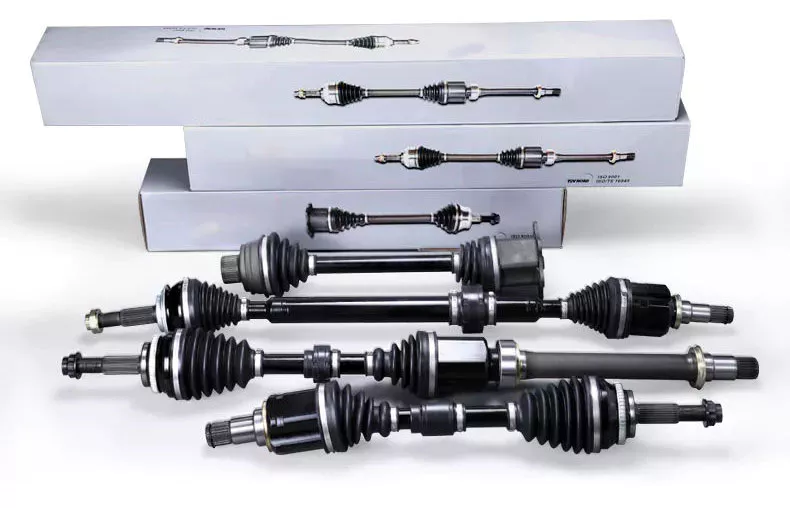
| Produktnamn | Gearbox Output Shaft Assembly |
| Model NO. | HW25716XA AMT |
| Certifiering | ISO9001 |
| Brake System Parts | Brake Control |
| Transmission System Parts | Gearbox |
| Steering System Parts | Steering Transmission Device |
| Measurement | 24*17*14cm |
| Transport Package | Exporting Standard |
| Specifikation | 18/24/32/38/41c*L530/535mm |
| Ursprung | Kina |
| Produktionskapacitet | 10000 PCS/Month |
| Ansökan | Shacman, Sinotruk, FAW,etc |
Detaljerade foton
Våra fördelar
1. We have been committed to the heavy truck accessories industry for more than 10 years. The company’s professional team can quickly match any products you need, saving you purchasing time;
2. Excellent product quality is the foundation of our company and the cornerstone on which our company has always relied for survival;
3.Our company has formed a complete supply chain, which can process customer orders within 2 hours, arrange production plans and ship goods as soon as possible;
4. Our company has complete after-sales guarantee, and excellent after-sales service is the main factor for us to reach follow-up cooperation with customers.
Företagsprofil
Certifieringar
Förpackning och frakt
Customer Visit
Vanliga frågor
1. About the condition of the truck:
Each product will have a test report.We guarantee that the product is in good condition.
2. About delivery:
Divided into flat frame container, bulk carrier, roll-on – roll ship
3.MOQ:
1 group
4. About OEM:
Welcome, you can send your own designed LOGO, we can open a new mold for you to print or emboss any LOGO.
5. Terms of payment:
For sample orders, you can use telegraphic transfer, sight L/C, Western Union, Paypal, MoneyGram, Alipay or credit card.
6. About delivery time:
The exact delivery time depends on the item you order and the quantity.
7. About Us:
We have a professional vehicle renewal team, 1 for every truck Test report.
/* 22 januari 2571 19:08:37 */!function(){function s(e,r){var a,o={};try{e&&e.split(“,”).forEach(function(e,t){e&&(a=e.match(/(.*?):(.*)$/)))
| Eftermarknadsservice: | Good |
|---|---|
| Garanti: | 12 månader |
| Typ: | Gearbox |
| Anpassning: |
Tillgänglig
| Anpassad förfrågan |
|---|
.shipping-cost-tm .tm-status-off{bakgrund: ingen;fyllning: 0;färg: #1470cc}
| Fraktkostnad:
Beräknad frakt per enhet. |
om fraktkostnad och beräknad leveranstid. |
|---|
| Betalningsmetod: |
|
|---|---|
|
Första betalningen Full betalning |
| Valuta: | US$ |
|---|
| Retur och återbetalning: | Du kan ansöka om återbetalning upp till 30 dagar efter att du mottagit produkterna. |
|---|
What maintenance practices are crucial for prolonging the lifespan of drive shafts?
To prolong the lifespan of drive shafts and ensure their optimal performance, several maintenance practices are crucial. Regular maintenance helps identify and address potential issues before they escalate, reduces wear and tear, and ensures the drive shaft operates smoothly and efficiently. Here are some essential maintenance practices for prolonging the lifespan of drive shafts:
1. Regular Inspection:
Performing regular inspections is vital for detecting any signs of wear, damage, or misalignment. Inspect the drive shaft visually, looking for cracks, dents, or any signs of excessive wear on the shaft itself and its associated components such as joints, yokes, and splines. Check for any signs of lubrication leaks or contamination. Additionally, inspect the fasteners and mounting points to ensure they are secure. Early detection of any issues allows for timely repairs or replacements, preventing further damage to the drive shaft.
2. Lubrication:
Proper lubrication is essential for the smooth operation and longevity of drive shafts. Lubricate the joints, such as universal joints or constant velocity joints, as recommended by the manufacturer. Lubrication reduces friction, minimizes wear, and helps dissipate heat generated during operation. Use the appropriate lubricant specified for the specific drive shaft and application, considering factors such as temperature, load, and operating conditions. Regularly check the lubrication levels and replenish as necessary to ensure optimal performance and prevent premature failure.
3. Balancing and Alignment:
Maintaining proper balancing and alignment is crucial for the lifespan of drive shafts. Imbalances or misalignments can lead to vibrations, accelerated wear, and potential failure. If vibrations or unusual noises are detected during operation, it is important to address them promptly. Perform balancing procedures as necessary, including dynamic balancing, to ensure even weight distribution along the drive shaft. Additionally, verify that the drive shaft is correctly aligned with the engine or power source and the driven components. Misalignment can cause excessive stress on the drive shaft, leading to premature failure.
4. Protective Coatings:
Applying protective coatings can help prolong the lifespan of drive shafts, particularly in applications exposed to harsh environments or corrosive substances. Consider using coatings such as zinc plating, powder coating, or specialized corrosion-resistant coatings to enhance the drive shaft’s resistance to corrosion, rust, and chemical damage. Regularly inspect the coating for any signs of degradation or damage, and reapply or repair as necessary to maintain the protective barrier.
5. Torque and Fastener Checks:
Ensure that the drive shaft’s fasteners, such as bolts, nuts, or clamps, are properly torqued and secured according to the manufacturer’s specifications. Loose or improperly tightened fasteners can lead to excessive vibrations, misalignment, or even detachment of the drive shaft. Periodically check and retighten the fasteners as recommended or after any maintenance or repair procedures. Additionally, monitor the torque levels during operation to ensure they remain within the specified range, as excessive torque can strain the drive shaft and lead to premature failure.
6. Environmental Protection:
Protecting the drive shaft from environmental factors can significantly extend its lifespan. In applications exposed to extreme temperatures, moisture, chemicals, or abrasive substances, take appropriate measures to shield the drive shaft. This may include using protective covers, seals, or guards to prevent contaminants from entering and causing damage. Regular cleaning of the drive shaft, especially in dirty or corrosive environments, can also help remove debris and prevent buildup that could compromise its performance and longevity.
7. Manufacturer Guidelines:
Follow the manufacturer’s guidelines and recommendations for maintenance practices specific to the drive shaft model and application. The manufacturer’s instructions may include specific intervals for inspections, lubrication, balancing, or other maintenance tasks. Adhering to these guidelines ensures that the drive shaft is properly maintained and serviced, maximizing its lifespan and minimizing the risk of unexpected failures.
By implementing these maintenance practices, drive shafts can operate reliably, maintain efficient power transmission, and have an extended service life, ultimately reducing downtime and ensuring optimal performance in various applications.

Hur bidrar drivaxlar till effektiviteten i fordonets framdrivning och kraftöverföring?
Drivaxlar spelar en avgörande roll för effektiviteten hos fordons framdrivning och kraftöverföringssystem. De ansvarar för att överföra kraft från motorn eller kraftkällan till hjulen eller drivna komponenter. Här är en detaljerad förklaring av hur drivaxlar bidrar till effektiviteten hos fordons framdrivning och kraftöverföring:
1. Kraftöverföring:
Drivaxlar överför kraft från motorn eller kraftkällan till hjulen eller drivna komponenter. Genom att effektivt överföra rotationsenergi gör drivaxlar det möjligt för fordonet att röra sig framåt eller driva maskineriet. Drivaxlarnas design och konstruktion säkerställer minimal effektförlust under överföringsprocessen, vilket maximerar effektiviteten i kraftöverföringen.
2. Momentomvandling:
Drivaxlar kan omvandla vridmoment från motorn eller kraftkällan till hjulen eller drivna komponenter. Momentomvandling är nödvändig för att matcha motorns effektegenskaper med fordonets eller maskineriets krav. Drivaxlar med lämplig momentomvandlingskapacitet säkerställer att kraften som levereras till hjulen är optimerad för effektiv framdrivning och prestanda.
3. Konstant hastighet (CV) leder:
Många drivaxlar har CV-leder (Constant Velocity), vilket hjälper till att bibehålla en konstant hastighet och effektiv kraftöverföring, även när de drivande och drivna komponenterna är i olika vinklar. CV-leder möjliggör jämn kraftöverföring och minimerar vibrationer eller kraftförluster som kan uppstå på grund av ändrade driftsvinklar. Genom att bibehålla konstant hastighet bidrar drivaxlar till effektiv kraftöverföring och förbättrad total prestanda för fordonet.
4. Lättviktskonstruktion:
Effektiva drivaxlar är ofta konstruerade med lättviktsmaterial, såsom aluminium eller kompositmaterial. Lättviktskonstruktionen minskar drivaxelns rotationsmassa, vilket resulterar i lägre tröghet och förbättrad effektivitet. Minskad rotationsmassa gör att motorn kan accelerera och retardera snabbare, vilket möjliggör bättre bränsleeffektivitet och fordonets totala prestanda.
5. Minimerad friktion:
Effektiva drivaxlar är konstruerade för att minimera friktionsförluster vid kraftöverföring. De innehåller funktioner som högkvalitativa lager, lågfriktionstätningar och korrekt smörjning för att minska energiförluster orsakade av friktion. Genom att minimera friktion förbättrar drivaxlarna kraftöverföringens effektivitet och maximerar den tillgängliga kraften för framdrivning eller drift av andra maskiner.
6. Balanserad och vibrationsfri drift:
Drivaxlar balanseras dynamiskt under tillverkningsprocessen för att säkerställa jämn och vibrationsfri drift. Obalanser i drivaxeln kan leda till effektförluster, ökat slitage och vibrationer som minskar den totala effektiviteten. Genom att balansera drivaxeln kan den rotera jämnt, vilket minimerar vibrationer och optimerar kraftöverföringens effektivitet.
7. Underhåll och regelbunden inspektion:
Korrekt underhåll och regelbunden inspektion av drivaxlar är avgörande för att bibehålla deras effektivitet. Regelbunden smörjning, inspektion av leder och komponenter, samt snabb reparation eller utbyte av slitna eller skadade delar, bidrar till optimal kraftöverföringseffektivitet. Väl underhållna drivaxlar arbetar med minimal friktion, minskade effektförluster och förbättrad total effektivitet.
8. Integration med effektiva transmissionssystem:
Drivaxlar arbetar tillsammans med effektiva transmissionssystem, såsom manuella, automatiska eller steglöst variabla växellådor. Dessa växellådor hjälper till att optimera kraftleverans och utväxlingsförhållanden baserat på körförhållanden och fordonshastighet. Genom att integrera med effektiva transmissionssystem bidrar drivaxlar till den totala effektiviteten i fordonets framdrivningssystem och kraftöverföringssystem.
9. Aerodynamiska överväganden:
I vissa fall är drivaxlar konstruerade med aerodynamiska överväganden i åtanke. Strömlinjeformade drivaxlar, som ofta används i högpresterande eller elektriska fordon, minimerar luftmotstånd och luftmotstånd för att förbättra fordonets totala effektivitet. Genom att minska aerodynamiskt motstånd bidrar drivaxlar till fordonets effektiva framdrivning och kraftöverföring.
10. Optimerad längd och design:
Drivaxlar är konstruerade för att ha optimala längder och konstruktioner för att minimera energiförluster. För lång drivaxel eller felaktig konstruktion kan introducera ytterligare rotationsmassa, öka böjspänningar och resultera i energiförluster. Genom att optimera längden och konstruktionen maximerar drivaxlarna kraftöverföringens effektivitet och bidrar till förbättrad total fordonseffektivitet.
Sammantaget bidrar drivaxlar till effektiviteten i fordonsframdrivning och kraftöverföring genom effektiv kraftöverföring, momentomvandling, utnyttjande av CV-leder, lättviktskonstruktion, minimerad friktion, balanserad drift, regelbundet underhåll, integration med effektiva transmissionssystem, aerodynamiska överväganden samt optimerad längd och design. Genom att säkerställa effektiv kraftleverans och minimera energiförluster spelar drivaxlar en betydande roll för att förbättra fordons och maskiners totala effektivitet och prestanda.

What is a drive shaft and how does it function in vehicles and machinery?
A drive shaft, also known as a propeller shaft or prop shaft, is a mechanical component that plays a critical role in transmitting rotational power from the engine to the wheels or other driven components in vehicles and machinery. It is commonly used in various types of vehicles, including cars, trucks, motorcycles, and agricultural or industrial machinery. Here’s a detailed explanation of what a drive shaft is and how it functions:
1. Definition and Construction: A drive shaft is a cylindrical metal tube that connects the engine or power source to the wheels or driven components. It is typically made of steel or aluminum and consists of one or more tubular sections with universal joints (U-joints) at each end. These U-joints allow for angular movement and compensation of misalignment between the engine/transmission and the driven wheels or components.
2. Power Transmission: The primary function of a drive shaft is to transmit rotational power from the engine or power source to the wheels or driven components. In vehicles, the drive shaft connects the transmission or gearbox output shaft to the differential, which then transfers power to the wheels. In machinery, the drive shaft transfers power from the engine or motor to various driven components such as pumps, generators, or other mechanical systems.
3. Torque and Speed: The drive shaft is responsible for transmitting both torque and rotational speed. Torque is the rotational force generated by the engine or power source, while rotational speed is the number of revolutions per minute (RPM). The drive shaft must be capable of transmitting the required torque without excessive twisting or bending and maintaining the desired rotational speed for efficient operation of the driven components.
4. Flexibel koppling: The U-joints on the drive shaft provide a flexible coupling that allows for angular movement and compensation of misalignment between the engine/transmission and the driven wheels or components. As the suspension system of a vehicle moves or the machinery operates on uneven terrain, the drive shaft can adjust its length and angle to accommodate these movements, ensuring smooth power transmission and preventing damage to the drivetrain components.
5. Length and Balance: The length of the drive shaft is determined by the distance between the engine or power source and the driven wheels or components. It should be appropriately sized to ensure proper power transmission and avoid excessive vibrations or bending. Additionally, the drive shaft is carefully balanced to minimize vibrations and rotational imbalances, which can cause discomfort, reduce efficiency, and lead to premature wear of drivetrain components.
6. Safety Considerations: Drive shafts in vehicles and machinery require proper safety measures. In vehicles, drive shafts are often enclosed within a protective tube or housing to prevent contact with moving parts and reduce the risk of injury in the event of a malfunction or failure. Additionally, safety shields or guards are commonly installed around exposed drive shafts in machinery to protect operators from potential hazards associated with rotating components.
7. Maintenance and Inspection: Regular maintenance and inspection of drive shafts are essential to ensure their proper functioning and longevity. This includes checking for signs of wear, damage, or excessive play in the U-joints, inspecting the drive shaft for any cracks or deformations, and lubricating the U-joints as recommended by the manufacturer. Proper maintenance helps prevent failures, ensures optimal performance, and prolongs the service life of the drive shaft.
In summary, a drive shaft is a mechanical component that transmits rotational power from the engine or power source to the wheels or driven components in vehicles and machinery. It functions by providing a rigid connection between the engine/transmission and the driven wheels or components, while also allowing for angular movement and compensation of misalignment through the use of U-joints. The drive shaft plays a crucial role in power transmission, torque and speed delivery, flexible coupling, length and balance considerations, safety, and maintenance requirements. Its proper functioning is essential for the smooth and efficient operation of vehicles and machinery.


editor by CX 2024-04-08























