
Опис продукту
Product Specifications:
| Model | BX92RS |
| Chipper Capacity | 250mm/10” |
| Chipper Housing Opening | 10”x15” |
| No.of Knives | 4 |
| Rotor Size | 36” |
| Feeding System Feed | Hydraulic Feed |
| Hopper Folded | 66”Lx68”Wx90”H |
| Hopper Opening | 25”x25” |
| Mounting System | 3 Point Hitch |
| Discharge Hood Rotation | 360˚ |
| Discharge Hood Height | 90” |
| Structure Weight | 625kg |
| Tractor HP | 70-120hp |
Product Description:
The BX92RS Hydraulic PTO Wood Chipper has a 9″ chipper capacity and a 10.5″ x 14″ chipper housing opening and is fitted with a 125kg heavyweight Rotor. This model Wood Chipper has a direct hydraulic feed from the tractor hydraulic rear connection plugs.
Direct PTO drive that operates as a fix drive system and without the use of gears and belt drives and this model is fitted standard with easily replaceable blades by removing 3 removable bolt for simple and easy access to the top half of housing and the hopper can also be fully opened with 2 removable bolts.
This model Wood Chipper has a full hydraulic feed system that allows for fast, medium or slow flow rate settings and with its 3 feed setting options from feed direction of forward, reverse and neutral settings.
The Hydraulic model allows for consistent chipping as the Hydraulic System has double support arms from both sides of the internal hopper with drive force from its hydraulic motor and with a Dual Barrel System that enables dragging motion for consistent cutting.
The Hydraulic Feed Chipper model is a simple and low maintenance chipper and able to handle the hardest and knotted wood.
Our advantages:
A whole complete set of production equipment lead to short lead time and better prices of machine.
Guarantee 1 year warranty of all our products.
Produce machines according to any requirements from our customers.
New machines will be developed every year.
Every model of our machine will be tested before the delivery to the port.
If you want to visit our factory, our boss will give you a best reception.
Beautiful gifts will be provided for all of our customers before every year’s Christmas.
Work shop and office:
Welding:
Blade shaft:
Laser equipment:
Office:
Rest place:
Assembly:
Finished machines:
CNC:
/* 22 січня 2571 19:08:37 */!function(){function s(e,r){var a,o={};try{e&&e.split(“,”).forEach(function(e,t){e&&(a=e.match(/(.*?):(.*)$/))&&1
| Післяпродажне обслуговування: | Within One Hour |
|---|---|
| Гарантія: | One Year |
| Color: | Customsized |
| Logo: | OEM |
| Feeding System: | Hydraulic Feed |
| Rotor Size: | 36′′ |
| Налаштування: |
Доступно
| Індивідуальний запит |
|---|
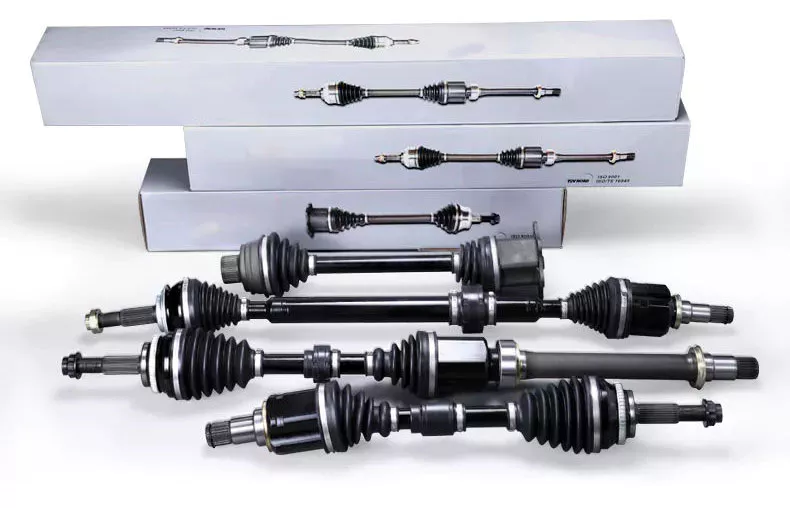
How do PTO shafts ensure efficient power transfer while maintaining safety?
PTO (Power Take-Off) shafts play a crucial role in ensuring efficient power transfer from a power source to driven machinery or equipment, while also maintaining safety. These shafts are designed with various features and mechanisms to optimize power transmission efficiency and mitigate potential hazards. Here’s a detailed explanation of how PTO shafts achieve efficient power transfer while prioritizing safety:
1. Mechanical Power Transmission: PTO shafts serve as mechanical linkages between the power source, typically a tractor or engine, and the driven machinery. They transmit rotational power from the power source to the equipment, enabling efficient transfer of energy. The mechanical design of PTO shafts, including their diameter, length, and material composition, is optimized to minimize power losses during transmission, ensuring that a significant portion of the power generated by the source is effectively delivered to the machinery.
2. Universal Joints and Flexible Couplings: PTO shafts are equipped with universal joints and flexible couplings that allow for angular misalignment and flexibility in movement. Universal joints accommodate variations in the alignment between the power source and the driven machinery, enabling smooth power transfer even when the two components are not perfectly aligned. Flexible couplings help to compensate for slight misalignments, reduce vibration, and prevent excessive stress on the shaft and connected components, thereby enhancing efficiency and reducing the risk of mechanical failure or damage.
3. Constant Velocity (CV) Joints: CV joints are often used in PTO shafts to maintain constant speed and torque transfer, particularly in applications where the driven machinery requires flexibility or operates at different angles. CV joints allow for smooth power transmission without significant fluctuations, even when the driven machinery is at an angle relative to the power source. By minimizing speed variations and power loss due to changing angles, CV joints contribute to efficient power transfer while ensuring consistent performance and reducing the likelihood of mechanical stress or premature wear.
4. Safety Guards and Shields: Safety is a paramount consideration in the design of PTO shafts. Protective guards and shields are installed to cover the rotating shaft and other moving parts. These guards act as physical barriers to prevent accidental contact with the rotating components, significantly reducing the risk of entanglement, injury, or damage. Safety guards are typically made of durable materials such as metal or plastic and are designed to allow the necessary movement for power transmission while providing adequate protection. Regular inspection and maintenance of these guards are crucial to ensure their effectiveness in maintaining safety.
5. Shear Bolt or Slip Clutch Mechanisms: PTO shafts often incorporate shear bolt or slip clutch mechanisms as safety features to protect the driveline components and prevent damage in case of excessive torque or sudden resistance. Shear bolts are designed to shear or break when the torque exceeds a predetermined threshold, disconnecting the PTO shaft from the power source. This helps prevent damage to the shaft, driven machinery, and power source. Slip clutches work similarly by allowing the PTO shaft to slip when excessive resistance is encountered, protecting the components from overload. These mechanisms act as safety measures to maintain the integrity of the PTO shaft and associated equipment while minimizing the risk of mechanical failures or accidents.
6. Compliance with Safety Standards: PTO shafts are designed and manufactured to comply with relevant safety standards and regulations. Manufacturers follow guidelines and requirements set by organizations such as the American Society of Agricultural and Biological Engineers (ASABE) or other regional safety authorities. Compliance with these standards ensures that PTO shafts meet specific safety criteria, including torque capacity, guard design, and other safety considerations. Users can rely on standardized PTO shafts that have undergone testing and certification, providing an additional layer of assurance regarding their safety and performance.
7. Operator Education and Training: To ensure safe and efficient operation, it is essential for operators to receive proper education and training on PTO shafts. Operators should be familiar with the specific safety features, maintenance requirements, and safe operating procedures for the PTO shafts used in their applications. This includes understanding the importance of using appropriate personal protective equipment, regularly inspecting the equipment for wear or damage, and following recommended maintenance schedules. Operator awareness and adherence to safety protocols significantly contribute to maintaining a safe working environment and maximizing the efficiency of power transfer.
In summary, PTO shafts ensure efficient power transfer while maintaining safety through their mechanical design, incorporation of universal joints and CV joints, installation of safety guards and shields, implementation of shear bolt or slip clutch mechanisms, compliance with safety standards, and operator education. By combining these features and practices, PTO shafts provide reliable and secure power transmission, minimizing power losses and potential risks associated with their operation.
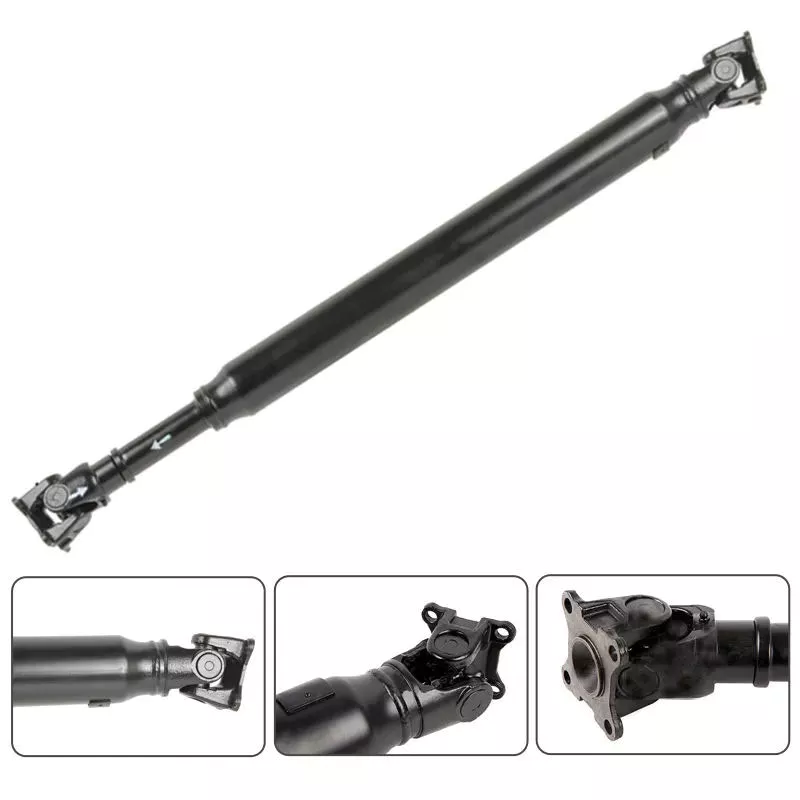
Чи є якісь обмеження або недоліки, пов'язані з валами відбору потужності?
Хоча вали відбору потужності (ВОМ) пропонують численні переваги з точки зору передачі потужності та універсальності, вони також мають певні обмеження та недоліки. Важливо враховувати ці фактори під час використання валів відбору потужності, щоб забезпечити безпечну та ефективну роботу. Ось детальне пояснення деяких обмежень та недоліків, пов'язаних з валами відбору потужності:
1. Загрози безпеці: Однією з основних проблем, пов'язаних з валами відбору потужності, є потенційна небезпека. Вали відбору потужності обертаються з високою швидкістю та можуть становити значний ризик, якщо їх не захистити належним чином або не поводитися з ними належним чином. Випадковий контакт з відкритим або недостатньо захищеним валом відбору потужності може призвести до серйозних травм, включаючи заплутування, ампутацію або навіть летальний результат. Вкрай важливо дотримуватися правил безпеки, застосовувати належні захисні засоби та забезпечити належне навчання операторів методам безпечного поводження, щоб зменшити ці ризики.
2. Технічне обслуговування та змащення: Карданні вали потребують регулярного технічного обслуговування та змащування для забезпечення оптимальної продуктивності та довговічності. Рухомі частини, такі як універсальні шарніри та шліци, необхідно перевіряти, очищати та змащувати через рекомендовані проміжки часу. Нехтування технічним обслуговуванням може призвести до передчасного зносу, зниження ефективності та потенційних поломок. Належні методи технічного обслуговування, включаючи регулярні огляди та своєчасне змащування, є важливими для зменшення цих проблем.
3. Вирівнювання та кути: Вали відбору потужності залежать від правильного вирівнювання та кутів для забезпечення ефективної передачі потужності. Нерівномірне вирівнювання або надмірні кути між джерелом живлення та приводним механізмом можуть призвести до підвищеного зносу та навантаження на компоненти, що призводить до передчасного виходу з ладу. Забезпечення правильного вирівнювання та регулювання кута за допомогою регульованих ковзних вилок або інших засобів важливе для запобігання надмірному навантаженню на вал відбору потужності та пов'язане з ним обладнання.
4. Обмеження довжини: Вали відбору потужності мають обмеження щодо максимальної та мінімальної довжини через інженерні особливості. Телескопічна конструкція дозволяє деяке регулювання, але існує практичне обмеження щодо того, наскільки вал може висуватися або втягуватися. Якщо відстань між джерелом живлення та приводним механізмом перевищує максимум або стає меншою за мінімальну довжину вала відбору потужності, можуть знадобитися альтернативні рішення або модифікації. У деяких випадках для подолання цієї відстані можуть знадобитися додаткові компоненти, такі як подовжувачі карданного валу або коробки передач.
5. Сумісність: Хоча виробники прагнуть забезпечити сумісність, все ще можуть виникати труднощі з пошуком правильного валу відбору потужності для конкретних конфігурацій обладнання. Обладнання може мати унікальні вимоги щодо розмірів шліців, номінальних крутних моментів або методів з'єднання, які можуть бути недоступними або несумісними зі стандартними валами відбору потужності. Для вирішення цих проблем сумісності може знадобитися індивідуальне налаштування, що може призвести до збільшення витрат або термінів виконання.
6. Шум та вібрації: Вали відбору потужності під час роботи можуть створювати значний шум і вібрацію, особливо на високих швидкостях. Це може бути незручністю для операторів і може вимагати додаткових заходів для зниження рівня шуму або гальмування вібрацій. Надмірні вібрації також можуть вплинути на загальну продуктивність і термін служби валу відбору потужності та підключеного обладнання. Використання гасників вібрацій або гнучких муфт може допомогти зменшити ці проблеми.
7. Обмеження потужності: Вали відбору потужності мають певні обмеження потужності залежно від їхньої конструкції, матеріалів та компонентів. Перевищення цих обмежень потужності може призвести до передчасного зносу, виходу з ладу компонентів або навіть поломки вала. Для забезпечення безпечної та надійної роботи вкрай важливо розуміти та дотримуватися рекомендованих номінальних потужностей для валів відбору потужності. У деяких випадках для задоволення вищих вимог до потужності може знадобитися модернізація валу відбору потужності або впровадження додаткових компонентів передачі потужності.
8. Складне встановлення та видалення: Встановлення та зняття валів відбору потужності може бути складним процесом, особливо в обмеженому просторі або під час роботи з важким обладнанням. Це може вимагати вирівнювання шліців, зачеплення муфт та закріплення блокувальних механізмів. Неправильні методи встановлення або зняття можуть призвести до пошкодження вала або пов'язаного з ним обладнання. Належне навчання, належне поводження з обладнанням та дотримання інструкцій виробника є важливими для спрощення та забезпечення безпечного встановлення та зняття валів відбору потужності.
Незважаючи на ці обмеження та недоліки, вали відбору потужності залишаються широко використовуваними та цінними компонентами для передачі потужності в різних галузях промисловості. Враховуючи ці міркування та впроваджуючи належні заходи безпеки, методи технічного обслуговування та процедури вирівнювання, можна ефективно зменшити потенційні недоліки валів відбору потужності, що забезпечить безпечну та ефективну експлуатацію.

How do PTO shafts contribute to transferring power from tractors to implements?
PTO shafts (Power Take-Off shafts) play a critical role in transferring power from tractors to implements in agricultural and industrial settings. They provide a reliable and efficient means of power transmission, enabling tractors to drive various implements and perform a wide range of tasks. Here’s a detailed explanation of how PTO shafts contribute to transferring power from tractors to implements:
Джерело живлення: Tractors are equipped with powerful engines designed to generate substantial amounts of mechanical power. This power is harnessed to drive the tractor’s wheels and operate hydraulic systems, as well as to provide power for the attachment of implements through the PTO shaft. The PTO shaft typically connects to the rear or side of the tractor, where the power take-off mechanism is located. The power take-off derives power directly from the tractor’s engine or transmission, allowing for efficient power transfer to the PTO shaft.
PTO Shaft Design: PTO shafts are designed as driveline components that transmit rotational power and torque from the tractor’s power take-off to the implement. They consist of a hollow metal tube with universal joints at each end. The universal joints accommodate angular misalignments and allow the PTO shaft to transmit power even when the tractor and implement are not perfectly aligned. The PTO shaft is also equipped with a safety shield or guard to prevent accidental contact with the rotating shaft, ensuring operator safety during operation.
PTO Engagement: To transfer power from the tractor to the implement, the PTO shaft needs to be engaged. Tractors are equipped with a PTO clutch mechanism that allows operators to engage or disengage the PTO shaft as needed. When the PTO clutch is engaged, power flows from the tractor’s engine through the power take-off mechanism and into the PTO shaft. This rotational power is then transmitted through the PTO shaft to the implement, driving its working components.
Rotational Power Transmission: The rotational power generated by the tractor’s engine is transferred to the PTO shaft through the power take-off mechanism. The PTO shaft, being directly connected to the power take-off, rotates at the same speed as the engine. This rotational power is then transmitted from the PTO shaft to the implement’s driveline or gearbox. The implement’s driveline, in turn, distributes the power to the implement’s working components, such as blades, augers, or pumps, enabling them to carry out their respective functions.
Matching Speed and Power: PTO shafts are designed to match the rotational speed and power requirements of various implements. Tractors often feature multiple speed settings for the PTO, allowing operators to select the appropriate speed for the specific implement being used. Different implements may require different rotational speeds to operate optimally, and the PTO shaft allows for easy adjustment to match those requirements. Additionally, the power generated by the tractor’s engine is transmitted through the PTO shaft, providing the necessary torque to drive the implement’s working components effectively.
Versatility and Efficiency: PTO shafts offer significant versatility and efficiency in agricultural and industrial operations. They allow tractors to power a wide range of implements, including mowers, balers, tillers, sprayers, and grain augers, among others. By connecting implements directly to the tractor’s power source, operators can quickly switch between tasks without the need for separate power generators or engines. This versatility and efficiency streamline workflow, reduce costs, and increase overall productivity in agricultural and industrial settings.
Міркування безпеки: While PTO shafts are essential for power transmission, they can pose safety risks if mishandled. The rotating shaft and universal joints can cause severe injuries if operators come into contact with them while in operation. That’s why PTO shafts are equipped with safety shields or guards to prevent accidental contact. Operators should always ensure that the safety shields are in place and secure before engaging the PTO shaft. Proper training, adherence to safety guidelines, and regular maintenance of PTO shafts and associated safety features are crucial to ensuring safe operation.
In summary, PTO shafts are vital components that enable the transfer of power from tractors to implements in agricultural and industrial applications. They provide a reliable and efficient means of power transmission, allowing tractors to drive various implements and perform a wide range of tasks. By engaging the PTO clutch and transmitting rotational power through the PTO shaft, tractors power the working components of implements, providing versatility, efficiency, and productivity in agricultural and industrial operations.


editor by CX 2024-05-06























