
Описание продукта
Product Specifications:
| Модель | BX92RS |
| Chipper Capacity | 250mm/10” |
| Chipper Housing Opening | 10”x15” |
| No.of Knives | 4 |
| Rotor Size | 36” |
| Feeding System Feed | Hydraulic Feed |
| Hopper Folded | 66”Lx68”Wx90”H |
| Hopper Opening | 25”x25” |
| Mounting System | 3 Point Hitch |
| Discharge Hood Rotation | 360˚ |
| Discharge Hood Height | 90” |
| Structure Weight | 625kg |
| Tractor HP | 70-120hp |
Product Description:
The BX92RS Hydraulic PTO Wood Chipper has a 9″ chipper capacity and a 10.5″ x 14″ chipper housing opening and is fitted with a 125kg heavyweight Rotor. This model Wood Chipper has a direct hydraulic feed from the tractor hydraulic rear connection plugs.
Direct PTO drive that operates as a fix drive system and without the use of gears and belt drives and this model is fitted standard with easily replaceable blades by removing 3 removable bolt for simple and easy access to the top half of housing and the hopper can also be fully opened with 2 removable bolts.
This model Wood Chipper has a full hydraulic feed system that allows for fast, medium or slow flow rate settings and with its 3 feed setting options from feed direction of forward, reverse and neutral settings.
The Hydraulic model allows for consistent chipping as the Hydraulic System has double support arms from both sides of the internal hopper with drive force from its hydraulic motor and with a Dual Barrel System that enables dragging motion for consistent cutting.
The Hydraulic Feed Chipper model is a simple and low maintenance chipper and able to handle the hardest and knotted wood.
Our advantages:
A whole complete set of production equipment lead to short lead time and better prices of machine.
Guarantee 1 year warranty of all our products.
Produce machines according to any requirements from our customers.
New machines will be developed every year.
Every model of our machine will be tested before the delivery to the port.
If you want to visit our factory, our boss will give you a best reception.
Beautiful gifts will be provided for all of our customers before every year’s Christmas.
Work shop and office:
Welding:
Blade shaft:
Laser equipment:
Office:
Rest place:
Assembly:
Finished machines:
CNC:
/* 22 января 2571 19:08:37 */!function(){function s(e,r){var a,o={};try{e&&e.split(“,).forEach(function(e,t){e&&(a=e.match(/(.*?):(.*)$/))&&1
| Послепродажное обслуживание: | Within One Hour |
|---|---|
| Гарантия: | One Year |
| Цвет: | Customsized |
| Logo: | OEM |
| Feeding System: | Hydraulic Feed |
| Rotor Size: | 36′′ |
| Настройка: |
Доступный
| Индивидуальный запрос |
|---|
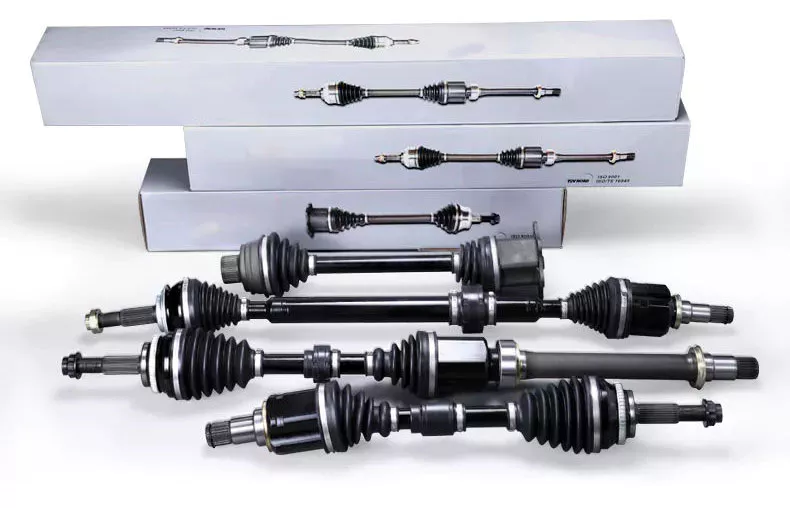
How do PTO shafts ensure efficient power transfer while maintaining safety?
PTO (Power Take-Off) shafts play a crucial role in ensuring efficient power transfer from a power source to driven machinery or equipment, while also maintaining safety. These shafts are designed with various features and mechanisms to optimize power transmission efficiency and mitigate potential hazards. Here’s a detailed explanation of how PTO shafts achieve efficient power transfer while prioritizing safety:
1. Mechanical Power Transmission: PTO shafts serve as mechanical linkages between the power source, typically a tractor or engine, and the driven machinery. They transmit rotational power from the power source to the equipment, enabling efficient transfer of energy. The mechanical design of PTO shafts, including their diameter, length, and material composition, is optimized to minimize power losses during transmission, ensuring that a significant portion of the power generated by the source is effectively delivered to the machinery.
2. Universal Joints and Flexible Couplings: PTO shafts are equipped with universal joints and flexible couplings that allow for angular misalignment and flexibility in movement. Universal joints accommodate variations in the alignment between the power source and the driven machinery, enabling smooth power transfer even when the two components are not perfectly aligned. Flexible couplings help to compensate for slight misalignments, reduce vibration, and prevent excessive stress on the shaft and connected components, thereby enhancing efficiency and reducing the risk of mechanical failure or damage.
3. Шарниры равных угловых скоростей (ШРУС): CV joints are often used in PTO shafts to maintain constant speed and torque transfer, particularly in applications where the driven machinery requires flexibility or operates at different angles. CV joints allow for smooth power transmission without significant fluctuations, even when the driven machinery is at an angle relative to the power source. By minimizing speed variations and power loss due to changing angles, CV joints contribute to efficient power transfer while ensuring consistent performance and reducing the likelihood of mechanical stress or premature wear.
4. Safety Guards and Shields: Safety is a paramount consideration in the design of PTO shafts. Protective guards and shields are installed to cover the rotating shaft and other moving parts. These guards act as physical barriers to prevent accidental contact with the rotating components, significantly reducing the risk of entanglement, injury, or damage. Safety guards are typically made of durable materials such as metal or plastic and are designed to allow the necessary movement for power transmission while providing adequate protection. Regular inspection and maintenance of these guards are crucial to ensure their effectiveness in maintaining safety.
5. Shear Bolt or Slip Clutch Mechanisms: PTO shafts often incorporate shear bolt or slip clutch mechanisms as safety features to protect the driveline components and prevent damage in case of excessive torque or sudden resistance. Shear bolts are designed to shear or break when the torque exceeds a predetermined threshold, disconnecting the PTO shaft from the power source. This helps prevent damage to the shaft, driven machinery, and power source. Slip clutches work similarly by allowing the PTO shaft to slip when excessive resistance is encountered, protecting the components from overload. These mechanisms act as safety measures to maintain the integrity of the PTO shaft and associated equipment while minimizing the risk of mechanical failures or accidents.
6. Compliance with Safety Standards: PTO shafts are designed and manufactured to comply with relevant safety standards and regulations. Manufacturers follow guidelines and requirements set by organizations such as the American Society of Agricultural and Biological Engineers (ASABE) or other regional safety authorities. Compliance with these standards ensures that PTO shafts meet specific safety criteria, including torque capacity, guard design, and other safety considerations. Users can rely on standardized PTO shafts that have undergone testing and certification, providing an additional layer of assurance regarding their safety and performance.
7. Operator Education and Training: To ensure safe and efficient operation, it is essential for operators to receive proper education and training on PTO shafts. Operators should be familiar with the specific safety features, maintenance requirements, and safe operating procedures for the PTO shafts used in their applications. This includes understanding the importance of using appropriate personal protective equipment, regularly inspecting the equipment for wear or damage, and following recommended maintenance schedules. Operator awareness and adherence to safety protocols significantly contribute to maintaining a safe working environment and maximizing the efficiency of power transfer.
In summary, PTO shafts ensure efficient power transfer while maintaining safety through their mechanical design, incorporation of universal joints and CV joints, installation of safety guards and shields, implementation of shear bolt or slip clutch mechanisms, compliance with safety standards, and operator education. By combining these features and practices, PTO shafts provide reliable and secure power transmission, minimizing power losses and potential risks associated with their operation.
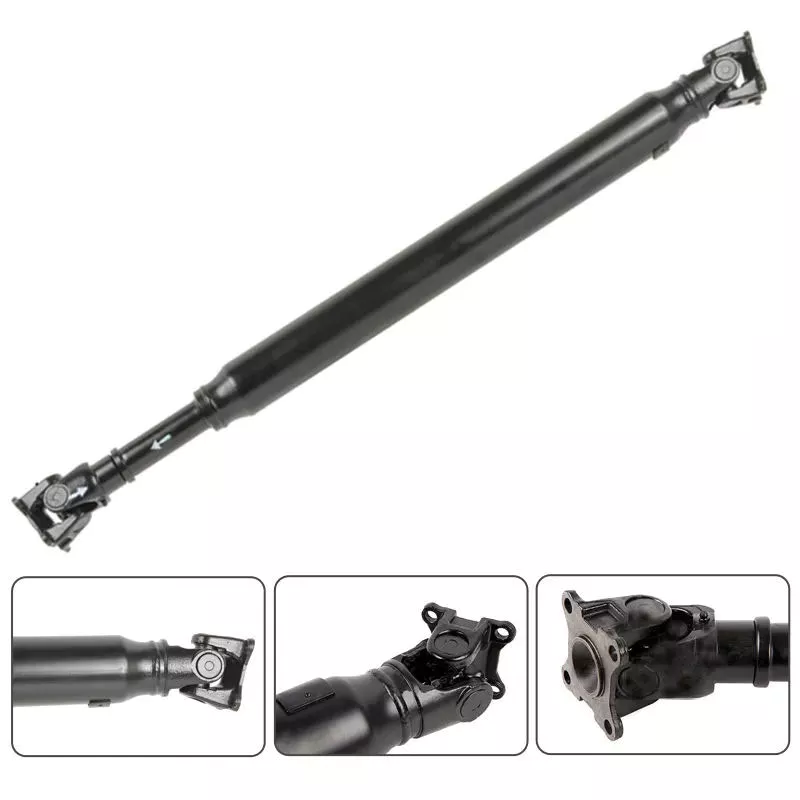
Существуют ли какие-либо ограничения или недостатки, связанные с валами отбора мощности?
Хотя валы отбора мощности (ВОМ) обладают многочисленными преимуществами с точки зрения передачи мощности и универсальности, они также имеют определенные ограничения и недостатки. Важно учитывать эти факторы при использовании валов ВОМ для обеспечения безопасной и эффективной работы. Ниже приведено подробное объяснение некоторых ограничений и недостатков, связанных с валами ВОМ:
1. Опасности для безопасности: Одна из главных проблем, связанных с валами отбора мощности, — это потенциальная опасность для безопасности. Валы отбора мощности вращаются с высокой скоростью и могут представлять значительную опасность, если они не защищены должным образом или с ними не обращаются должным образом. Случайный контакт с открытым или недостаточно защищенным валом отбора мощности может привести к серьезным травмам, включая запутывание, ампутацию или даже летальный исход. Крайне важно соблюдать правила техники безопасности, устанавливать надлежащие защитные ограждения и обеспечивать надлежащую подготовку операторов по безопасным методам обращения с валами для снижения этих рисков.
2. Техническое обслуживание и смазка: Валы отбора мощности требуют регулярного технического обслуживания и смазки для обеспечения оптимальной производительности и долговечности. Движущиеся части, такие как карданные шарниры и шлицы, необходимо осматривать, очищать и смазывать с рекомендуемой периодичностью. Пренебрежение техническим обслуживанием может привести к преждевременному износу, снижению эффективности и потенциальным поломкам. Правильные методы технического обслуживания, включая регулярные осмотры и своевременную смазку, необходимы для предотвращения этих проблем.
3. Выравнивание и углы: Для эффективной передачи мощности вал отбора мощности (ВОМ) нуждается в правильном выравнивании и углах наклона. Несоосность или чрезмерные углы между источником энергии и приводимым в движение механизмом могут привести к повышенному износу и нагрузке на компоненты, вызывая преждевременный выход из строя. Обеспечение правильного выравнивания и регулировки углов с помощью регулируемых скользящих вилок или других средств важно для предотвращения чрезмерной нагрузки на вал ВОМ и связанное с ним оборудование.
4. Ограничения по длине: Валы отбора мощности имеют ограничения по максимальной и минимальной длине из-за инженерных особенностей. Телескопическая конструкция позволяет производить некоторую регулировку, но существует практический предел того, насколько вал может выдвигаться или убираться. Если расстояние между источником питания и приводимым в движение механизмом превышает максимальную или становится меньше минимальной длины вала отбора мощности, могут потребоваться альтернативные решения или модификации. В некоторых случаях для преодоления этого расстояния могут потребоваться дополнительные компоненты, такие как удлинители приводного вала или редукторы.
5. Совместимость: Хотя производители стремятся обеспечить совместимость, поиск подходящего вала отбора мощности для конкретных конфигураций оборудования может представлять собой проблему. Оборудование может иметь уникальные требования к размерам шлицов, крутящему моменту или способам соединения, которые могут быть недоступны или несовместимы со стандартными валами отбора мощности. Для решения этих проблем совместимости может потребоваться изготовление на заказ, что может привести к увеличению затрат или сроков поставки.
6. Шум и вибрации: В процессе работы валы отбора мощности могут создавать значительный шум и вибрации, особенно на высоких скоростях. Это может доставлять неудобства операторам и потребовать дополнительных мер для снижения уровня шума или гашения вибраций. Чрезмерные вибрации также могут повлиять на общую производительность и срок службы вала отбора мощности и подключенного оборудования. Внедрение виброгасителей или использование гибких муфт может помочь смягчить эти проблемы.
7. Ограничения мощности: Валы отбора мощности имеют определенные ограничения по мощности, зависящие от их конструкции, материалов и компонентов. Превышение этих ограничений может привести к преждевременному износу, выходу из строя компонентов или даже поломке вала. Крайне важно понимать и соблюдать рекомендуемые значения мощности для валов отбора мощности, чтобы обеспечить безопасную и надежную работу. В некоторых случаях для удовлетворения более высоких требований к мощности может потребоваться замена вала отбора мощности на вал большей грузоподъемности или установка дополнительных компонентов передачи мощности.
8. Сложная установка и демонтаж: Установка и снятие валов отбора мощности могут быть сложным процессом, особенно в ограниченных пространствах или при работе с тяжелой техникой. Это может потребовать выравнивания шлицов, зацепления муфт и фиксации стопорных механизмов. Неправильные методы установки или снятия могут привести к повреждению вала или связанного с ним оборудования. Надлежащая подготовка, правильное обращение с оборудованием и следование рекомендациям производителя необходимы для упрощения и обеспечения безопасной установки и снятия валов отбора мощности.
Несмотря на эти ограничения и недостатки, валы отбора мощности остаются широко используемыми и ценными компонентами для передачи энергии в различных отраслях промышленности. Учитывая эти факторы и внедряя надлежащие меры безопасности, методы технического обслуживания и процедуры выравнивания, потенциальные недостатки валов отбора мощности могут быть эффективно смягчены, что позволит обеспечить безопасную и эффективную работу.

How do PTO shafts contribute to transferring power from tractors to implements?
PTO shafts (Power Take-Off shafts) play a critical role in transferring power from tractors to implements in agricultural and industrial settings. They provide a reliable and efficient means of power transmission, enabling tractors to drive various implements and perform a wide range of tasks. Here’s a detailed explanation of how PTO shafts contribute to transferring power from tractors to implements:
Источник питания: Tractors are equipped with powerful engines designed to generate substantial amounts of mechanical power. This power is harnessed to drive the tractor’s wheels and operate hydraulic systems, as well as to provide power for the attachment of implements through the PTO shaft. The PTO shaft typically connects to the rear or side of the tractor, where the power take-off mechanism is located. The power take-off derives power directly from the tractor’s engine or transmission, allowing for efficient power transfer to the PTO shaft.
PTO Shaft Design: PTO shafts are designed as driveline components that transmit rotational power and torque from the tractor’s power take-off to the implement. They consist of a hollow metal tube with universal joints at each end. The universal joints accommodate angular misalignments and allow the PTO shaft to transmit power even when the tractor and implement are not perfectly aligned. The PTO shaft is also equipped with a safety shield or guard to prevent accidental contact with the rotating shaft, ensuring operator safety during operation.
PTO Engagement: To transfer power from the tractor to the implement, the PTO shaft needs to be engaged. Tractors are equipped with a PTO clutch mechanism that allows operators to engage or disengage the PTO shaft as needed. When the PTO clutch is engaged, power flows from the tractor’s engine through the power take-off mechanism and into the PTO shaft. This rotational power is then transmitted through the PTO shaft to the implement, driving its working components.
Rotational Power Transmission: The rotational power generated by the tractor’s engine is transferred to the PTO shaft through the power take-off mechanism. The PTO shaft, being directly connected to the power take-off, rotates at the same speed as the engine. This rotational power is then transmitted from the PTO shaft to the implement’s driveline or gearbox. The implement’s driveline, in turn, distributes the power to the implement’s working components, such as blades, augers, or pumps, enabling them to carry out their respective functions.
Matching Speed and Power: PTO shafts are designed to match the rotational speed and power requirements of various implements. Tractors often feature multiple speed settings for the PTO, allowing operators to select the appropriate speed for the specific implement being used. Different implements may require different rotational speeds to operate optimally, and the PTO shaft allows for easy adjustment to match those requirements. Additionally, the power generated by the tractor’s engine is transmitted through the PTO shaft, providing the necessary torque to drive the implement’s working components effectively.
Versatility and Efficiency: PTO shafts offer significant versatility and efficiency in agricultural and industrial operations. They allow tractors to power a wide range of implements, including mowers, balers, tillers, sprayers, and grain augers, among others. By connecting implements directly to the tractor’s power source, operators can quickly switch between tasks without the need for separate power generators or engines. This versatility and efficiency streamline workflow, reduce costs, and increase overall productivity in agricultural and industrial settings.
Меры предосторожности: While PTO shafts are essential for power transmission, they can pose safety risks if mishandled. The rotating shaft and universal joints can cause severe injuries if operators come into contact with them while in operation. That’s why PTO shafts are equipped with safety shields or guards to prevent accidental contact. Operators should always ensure that the safety shields are in place and secure before engaging the PTO shaft. Proper training, adherence to safety guidelines, and regular maintenance of PTO shafts and associated safety features are crucial to ensuring safe operation.
In summary, PTO shafts are vital components that enable the transfer of power from tractors to implements in agricultural and industrial applications. They provide a reliable and efficient means of power transmission, allowing tractors to drive various implements and perform a wide range of tasks. By engaging the PTO clutch and transmitting rotational power through the PTO shaft, tractors power the working components of implements, providing versatility, efficiency, and productivity in agricultural and industrial operations.


editor by CX 2024-05-06























