
Ürün Açıklaması
Huading SWC Type Cardan Drive Shaft
No machine element other than a Cardan shaft allows power transmission of torque between spatially offset driving and driven shafts whose position can be changed during operation.
Spatial angular motion and changes in axial length are ensured by advanced constructional elements.
Thus, Cardan shafts have become an indispensable transmission component in industrial production.
Typical applications: Steel mill machinery, paper mill machinery, levelers, marine propulsion, pumps, amusement rides, wastewater treatment.
Advantage:
1. Low life-cycle costs and long service life;
2. Increase productivity;
3. Professional and innovative solutions;
4. Reduce carbon dioxide emissions and environmental protection;
5. High torque capacity even at large deflection angles;
6. Easy to move and run smoothly;
♦SWC CH Cardan Shaft Basic Parameter And Main Dimension:
| Model | Tactical diameter D mm |
Nominal torque Tn kN·m |
Fatigue torque Tf kN·m |
Axis rotation β (°) |
Stretch length LS mm |
Lmin | Boyut mm |
Rotary inertia kg.m2 |
Ağırlık kg |
||||||||||
| D1 js11 |
D2 H7 |
D3 | Lm | n-d | k | t | b h9 |
g | Lmin |
Increase 100mm |
Lmin | Increase 100mm |
|||||||
| SWC180CH1 | 180 | 20 | 10 | ≤25 | 200 | 925 | 155 | 105 | 114 | 110 | 8-17 | 17 | 5 | 24 | 7 | 0.181 | 0.0070 | 74 | 2.8 |
| SWC180CH2 | 700 | 1425 | 0.216 | 104 | |||||||||||||||
| SWC200CH1 | 200 | 32 | 16 | ≤15 | 80 | 720 | 170 | 120 | 127 | 135 | 8-17 | 19 | 5 | 28 | 16 | 0.276 | 0.0130 | 76 | 3.6 |
| SWC200CH2 | 50 | 690 | 0.261 | 74 | |||||||||||||||
| SWC225CH1 | 225 | 40 | 20 | ≤15 | 85 | 710 | 196 | 135 | 152 | 120 | 8-17 | 20 | 5 | 32 | 9.0 | 0.415 | 0.5714 | 95 | 4.9 |
| SWC225CH2 | 70 | 640 | 0.397 | 92 | |||||||||||||||
| SWC250CH1 | 250 | 63 | 31.5 | ≤15 | 100 | 795 | 218 | 150 | 168 | 140 | 8-19 | 25 | 6 | 40 | 12.5 | 0.900 | 0.5717 | 148 | 5.3 |
| SWC250CH2 | 70 | 735 | 0.885 | 136 | |||||||||||||||
| SWC285CH1 | 285 | 90 | 45 | ≤15 | 120 | 950 | 245 | 170 | 194 | 160 | 8-21 | 27 | 7 | 40 | 15.0 | 1.826 | 0.571 | 229 | 6.3 |
| SWC285CH2 | 80 | 880 | 1.801 | 221 | |||||||||||||||
| SWC315CH1 | 315 | 125 | 63 | ≤15 | 130 | 1070 | 280 | 185 | 219 | 180 | 10-23 | 32 | 8 | 40 | 15.0 | 3.331 | 0.571 | 346 | 8.0 |
| SWC315CH2 | 90 | 980 | 3.163 | 334 | |||||||||||||||
| SWC350CH1 | 350 | 180 | 90 | ≤15 | 140 | 1170 | 310 | 210 | 267 | 194 | 10-23 | 35 | 8 | 50 | 16.0 | 6.215 | 0.2219 | 508 | 15.0 |
| SWC350CH2 | 90 | 1070 | 5.824 | 485 | |||||||||||||||
| SWC390CH1 | 390 | 250 | 125 | ≤15 | 150 | 1300 | 345 | 235 | 267 | 215 | 10-25 | 40 | 8 | 70 | 18.0 | 11.125 | 0.2219 | 655 | 15.0 |
| SWC390CH2 | 90 | 1200 | 10.763 | 600 | |||||||||||||||
| SWC440CH1 | 440 | 355 | 180 | ≤15 | 400 | 2110 | 390 | 255 | 325 | 260 | 16-28 | 42 | 10 | 80 | 20 | 22.540 | 0.4744 | 1312 | 21.7 |
| SWC440CH2 | 800 | 2510 | 24.430 | 1537 | |||||||||||||||
| SWC490CH1 | 490 | 500 | 250 | ≤15 | 400 | 2220 | 435 | 275 | 325 | 270 | 16-31 | 47 | 12 | 90 | 22.5 | 33.970 | 0.4744 | 1554 | 21.7 |
| SWC490CH2 | 800 | 2620 | 35.870 | 1779 | |||||||||||||||
| SWC550CH1 | 550 | 710 | 355 | ≤15 | 500 | 2585 | 492 | 320 | 426 | 305 | 16-31 | 50 | 12 | 100 | 22.5 | 72.790 | 1.3570 | 2585 | 34.0 |
| SWC550CH2 | 1000 | 3085 | 79.570 | 3045 | |||||||||||||||
·Notice:1.Tf-Torque allowed by fatigue strength under variable load
2. Lmin-Minimum length after shortening
3. L-Installation length as required
Universal Joint Shafts Features:
1. We have a very complete supply chain system, and can provide over 1000 different spare parts.
2 . Elastomer connecting in the middle;
3. Can absorb vibration, compensates for radial, axial and angular deviation;
4. Oil resistance and electrical insulation;
5. Have the same characteristic of clockwise and anticlockwise rotation;
Cardan Shaft Types:
We can supply you with SWP, SWC, WSD, and WS universal coupling as follows:
Welded shaft type with length compensation/ expansion joint
Short type with length compensation/ expansion joint
Short type without length compensation/ expansion joint
Long type without length compensation/ expansion joint
Double flange with length compensation/ expansion joint
Long type with big length compensation / big expansion joint
Super Short type with length compensation/ expansion joint
Our Services:
1. Design Services
Our design team has experience in Universal Joint shafts relating to product design and development. If you have any needs for your new product or wish to make further improvements, we are here to offer our support.
2. Product Services
Raw materials → Cutting → Forging →Rough machining →Shot blasting →Heat treatment →Testing →Fashioning →Cleaning→ Assembly→Packing→Shipping
3. Samples Procedure
We could develop the sample according to your requirement and amend the sample constantly to meet your need.
4. Research & Development
We usually research the new needs of the market and develop new models when there are new cars in the market.
5. Quality Control
Every step should be a special test by Professional Staff according to the standard of ISO9001 and TS16949.
SSS
Q 1: Are you a trading company or a manufacturer?
A: We are a professional manufacturer specializing in manufacturing
various series of Cardan shafts.
Q 2:Can you do OEM?
Yes, we can. We can do OEM & ODM for all the customers with customized artwork in PDF or AI format.
Q 3:How long is your delivery time?
Generally, it is 20-30 days if the goods are not in stock. It is according to quantity.
Q 4: Do you provide samples? Is it free or extra?
Yes, we could offer the sample but not for free. Actually, we have an excellent price principle, when you make the bulk order the cost of the sample will be deducted.
Q 5: How long is your warranty?
A: Our Warranty is 12 months under normal circumstances.
Q 6: What is the MOQ?
A: Usually our MOQ is 1pcs.
Q 7: Do you have inspection procedures for coupling?
A:100% self-inspection before packing.
Q 8: Can I have a visit to your factory before the order?
A: Sure, welcome to visit our factory.
Q 9: What’s your payment?
A:1) T/T.
Welcome to contact us for more detailed information about Cardan shafts!
/* 22 Ocak 2571 19:08:37 */!function(){function s(e,r){var a,o={};try{e&&e.split(“,”).forEach(function(e,t){e&&(a=e.match(/(.*?):(.*)$/))&&1
| Standard Or Nonstandard: | Nonstandard |
|---|---|
| Shaft Hole: | as Your Requirement |
| Torque: | as Your Requirement |
| Özelleştirme: |
Mevcut
| Özelleştirilmiş Talep |
|---|
.shipping-cost-tm .tm-status-off{background: none;padding:0;color: #1470cc}
|
Nakliye Ücreti:
Birim başına tahmini nakliye ücreti. |
Kargo ücreti ve tahmini teslim süresi hakkında bilgi. |
|---|
| Ödeme yöntemi: |
|
|---|---|
|
İlk Ödeme Tam Ödeme |
| Para birimi: | US$ |
|---|
| İade ve geri ödemeler: | Ürünleri teslim aldıktan sonraki 30 güne kadar iade talebinde bulunabilirsiniz. |
|---|
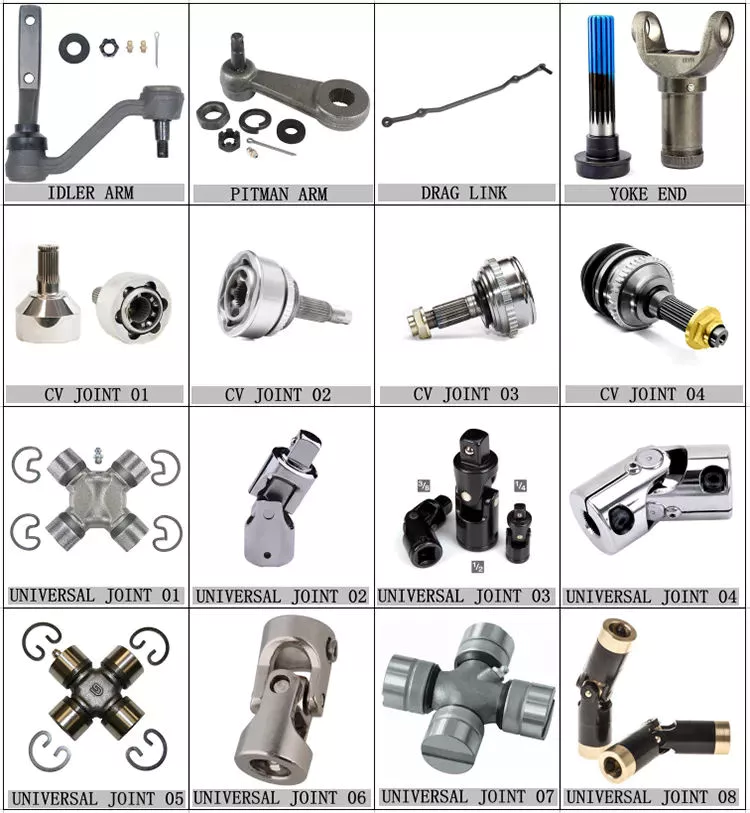
How do drive shafts handle variations in speed and torque during operation?
Drive shafts are designed to handle variations in speed and torque during operation by employing specific mechanisms and configurations. These mechanisms allow the drive shafts to accommodate the changing demands of power transmission while maintaining smooth and efficient operation. Here’s a detailed explanation of how drive shafts handle variations in speed and torque:
1. Flexible Couplings:
Drive shafts often incorporate flexible couplings, such as universal joints (U-joints) or constant velocity (CV) joints, to handle variations in speed and torque. These couplings provide flexibility and allow the drive shaft to transmit power even when the driving and driven components are not perfectly aligned. U-joints consist of two yokes connected by a cross-shaped bearing, allowing for angular movement between the drive shaft sections. This flexibility accommodates variations in speed and torque and compensates for misalignment. CV joints, which are commonly used in automotive drive shafts, maintain a constant velocity of rotation while accommodating changing operating angles. These flexible couplings enable smooth power transmission and reduce vibrations and wear caused by speed and torque variations.
2. Slip Joints:
In some drive shaft designs, slip joints are incorporated to handle variations in length and accommodate changes in distance between the driving and driven components. A slip joint consists of an inner and outer tubular section with splines or a telescoping mechanism. As the drive shaft experiences changes in length due to suspension movement or other factors, the slip joint allows the shaft to extend or compress without affecting the power transmission. By allowing axial movement, slip joints help prevent binding or excessive stress on the drive shaft during variations in speed and torque, ensuring smooth operation.
3. Balancing:
Drive shafts undergo balancing procedures to optimize their performance and minimize vibrations caused by speed and torque variations. Imbalances in the drive shaft can lead to vibrations, which not only affect the comfort of vehicle occupants but also increase wear and tear on the shaft and its associated components. Balancing involves redistributing mass along the drive shaft to achieve even weight distribution, reducing vibrations and improving overall performance. Dynamic balancing, which typically involves adding or removing small weights, ensures that the drive shaft operates smoothly even under varying speeds and torque loads.
4. Material Selection and Design:
The selection of materials and the design of drive shafts play a crucial role in handling variations in speed and torque. Drive shafts are typically made from high-strength materials, such as steel or aluminum alloys, chosen for their ability to withstand the forces and stresses associated with varying operating conditions. The diameter and wall thickness of the drive shaft are also carefully determined to ensure sufficient strength and stiffness. Additionally, the design incorporates considerations for factors such as critical speed, torsional rigidity, and resonance avoidance, which help maintain stability and performance during speed and torque variations.
5. Lubrication:
Proper lubrication is essential for drive shafts to handle variations in speed and torque. Lubricating the joints, such as U-joints or CV joints, reduces friction and heat generated during operation, ensuring smooth movement and minimizing wear. Adequate lubrication also helps prevent the binding of components, allowing the drive shaft to accommodate speed and torque variations more effectively. Regular lubrication maintenance is necessary to ensure optimal performance and extend the lifespan of the drive shaft.
6. System Monitoring:
Monitoring the performance of the drive shaft system is important to identify any issues related to variations in speed and torque. Unusual vibrations, noises, or changes in power transmission can indicate potential problems with the drive shaft. Regular inspections and maintenance checks allow for the early detection and resolution of issues, helping to prevent further damage and ensure the drive shaft continues to handle speed and torque variations effectively.
In summary, drive shafts handle variations in speed and torque during operation through the use of flexible couplings, slip joints, balancing procedures, appropriate material selection and design, lubrication, and system monitoring. These mechanisms and practices allow the drive shaft to accommodate misalignment, changes in length, and variations in power demands, ensuring efficient power transmission, smooth operation, and reduced wear and tear in various applications.
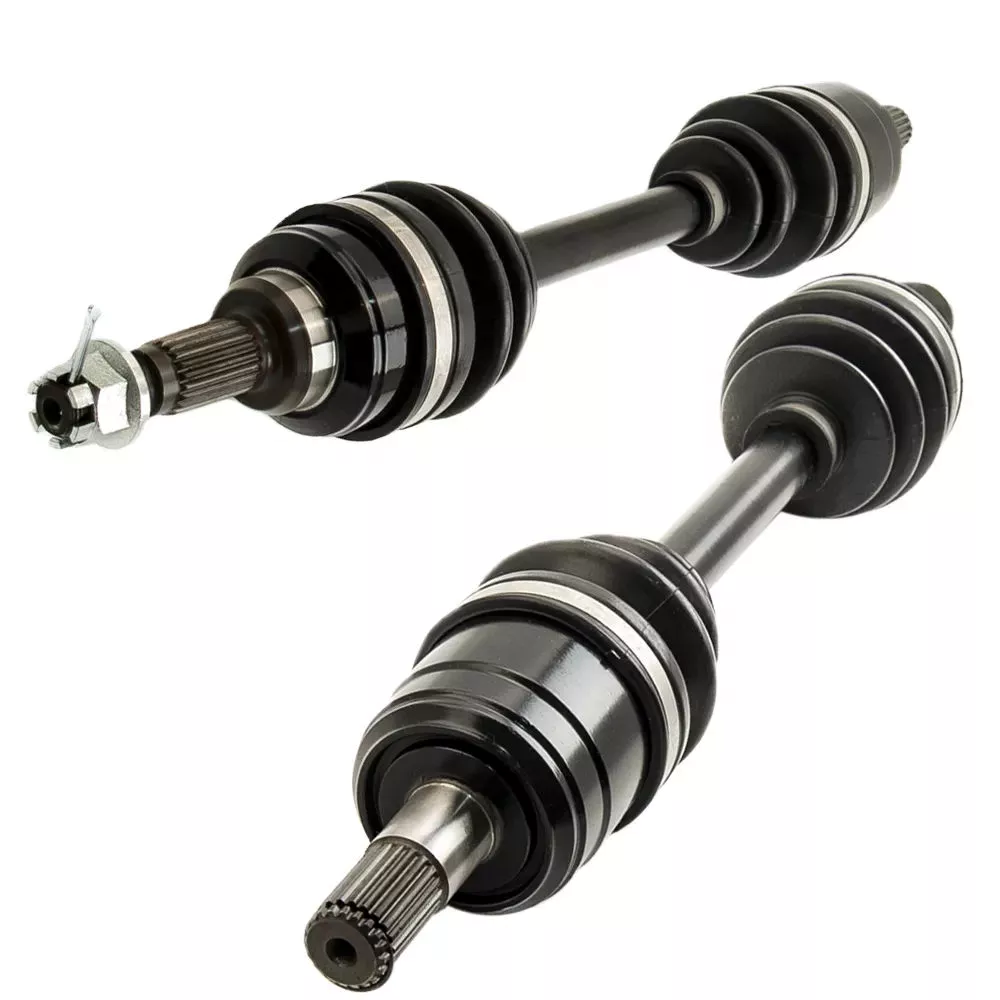
Tahrik milleri, çalışma sırasında yük ve titreşimdeki değişimleri nasıl karşılar?
Tahrik milleri, çeşitli mekanizmalar ve özellikler kullanarak çalışma sırasında yük ve titreşimdeki değişimleri karşılayacak şekilde tasarlanmıştır. Bu mekanizmalar, düzgün güç aktarımını sağlamaya, titreşimleri en aza indirmeye ve tahrik milinin yapısal bütünlüğünü korumaya yardımcı olur. İşte tahrik millerinin yük ve titreşim değişimlerini nasıl ele aldığına dair ayrıntılı bir açıklama:
1. Malzeme Seçimi ve Tasarım:
Tahrik milleri genellikle çelik alaşımları veya kompozit malzemeler gibi yüksek mukavemet ve rijitliğe sahip malzemelerden yapılır. Malzeme seçimi ve tasarımı, uygulamanın beklenen yüklerini ve çalışma koşullarını dikkate alır. Uygun malzemeler kullanılarak ve tasarım optimize edilerek, tahrik milleri aşırı sapma veya deformasyon yaşamadan beklenen yük değişimlerine dayanabilir.
2. Tork Kapasitesi:
Tahrik milleri, beklenen yüklere karşılık gelen belirli bir tork kapasitesiyle tasarlanır. Tork kapasitesi, tahrik kaynağının güç çıkışı ve tahrik edilen bileşenlerin tork gereksinimleri gibi faktörleri dikkate alır. Yeterli tork kapasitesine sahip bir tahrik mili seçilerek, yükteki değişimler tahrik milinin sınırlarını aşmadan ve arıza veya hasar riski oluşturmadan karşılanabilir.
3. Dinamik Dengeleme:
Üretim sürecinde, tahrik milleri dinamik dengelemeye tabi tutulabilir. Tahrik milindeki dengesizlikler, çalışma sırasında titreşimlere neden olabilir. Dengeleme işlemi sırasında, tahrik milinin düzgün dönmesini ve titreşimlerin en aza indirilmesini sağlamak için stratejik olarak ağırlıklar eklenir veya çıkarılır. Dinamik dengeleme, yük değişimlerinin etkilerini azaltmaya ve tahrik milinde aşırı titreşim olasılığını düşürmeye yardımcı olur.
4. Sönümleyiciler ve Titreşim Kontrolü:
Tahrik milleri, titreşimleri daha da en aza indirmek için amortisörler veya titreşim kontrol mekanizmaları içerebilir. Bu cihazlar genellikle yük değişimlerinden veya diğer faktörlerden kaynaklanabilecek titreşimleri emmek veya dağıtmak için tasarlanmıştır. Amortisörler, burulma amortisörleri, kauçuk izolatörler veya tahrik mili boyunca stratejik olarak yerleştirilmiş diğer titreşim emici elemanlar şeklinde olabilir. Titreşimleri yöneterek ve azaltarak, tahrik milleri sorunsuz çalışmayı sağlar ve genel sistem performansını artırır.
5. CV Mafsalları:
Sabit Hız (CV) mafsalları, çalışma açılarındaki değişimleri karşılamak ve sabit bir hızı korumak için genellikle tahrik millerinde kullanılır. CV mafsalları, tahrik eden ve tahrik edilen bileşenler farklı açılarda olsa bile tahrik milinin güç iletmesini sağlar. Çalışma açılarındaki değişimleri karşılayarak, CV mafsalları yük değişimlerinin etkisini en aza indirmeye ve tahrik hattı geometrisindeki değişikliklerden kaynaklanabilecek potansiyel titreşimleri azaltmaya yardımcı olur.
6. Yağlama ve Bakım:
Tahrik millerinin yük ve titreşim değişimlerini etkili bir şekilde karşılayabilmesi için uygun yağlama ve düzenli bakım şarttır. Yağlama, hareketli parçalar arasındaki sürtünmeyi azaltarak aşınmayı ve ısı oluşumunu en aza indirir. Bağlantı noktalarının incelenmesi ve yağlanması da dahil olmak üzere düzenli bakım, tahrik milinin optimum durumda kalmasını sağlayarak yük değişimlerinden kaynaklanan arıza veya performans düşüşü riskini azaltır.
7. Yapısal Rijitlik:
Tahrik milleri, eğilme ve burulma kuvvetlerine karşı koyacak yeterli yapısal rijitliğe sahip olacak şekilde tasarlanmıştır. Bu rijitlik, yük değişimlerine maruz kaldığında tahrik milinin bütünlüğünü korumaya yardımcı olur. Sapmayı en aza indirerek ve yapısal bütünlüğü koruyarak, tahrik mili performansı tehlikeye atmadan veya aşırı titreşimlere neden olmadan gücü etkili bir şekilde iletebilir ve yük değişimlerini yönetebilir.
8. Kontrol Sistemleri ve Geri Besleme:
Bazı uygulamalarda, tahrik milleri tork, hız ve titreşim gibi parametreleri aktif olarak izleyen ve ayarlayan kontrol sistemleriyle donatılabilir. Bu kontrol sistemleri, yük veya titreşimlerdeki değişimleri tespit etmek ve performansı optimize etmek için gerçek zamanlı ayarlamalar yapmak üzere sensörler ve geri bildirim mekanizmaları kullanır. Yük değişimlerini ve titreşimleri aktif olarak yöneterek, tahrik milleri değişen çalışma koşullarına uyum sağlayabilir ve sorunsuz çalışmayı sürdürebilir.
Özetle, tahrik milleri, dikkatli malzeme seçimi ve tasarımı, tork kapasitesi hususları, dinamik dengeleme, amortisörlerin ve titreşim kontrol mekanizmalarının entegrasyonu, CV mafsallarının kullanımı, uygun yağlama ve bakım, yapısal rijitlik ve bazı durumlarda kontrol sistemleri ve geri besleme mekanizmaları yoluyla çalışma sırasında yük ve titreşimdeki değişimleri yönetir. Bu özellikler ve mekanizmaları birleştirerek, tahrik milleri, yük değişimlerinin ve titreşimlerin genel sistem performansı üzerindeki etkisini en aza indirirken, güvenilir ve verimli güç aktarımını sağlar.
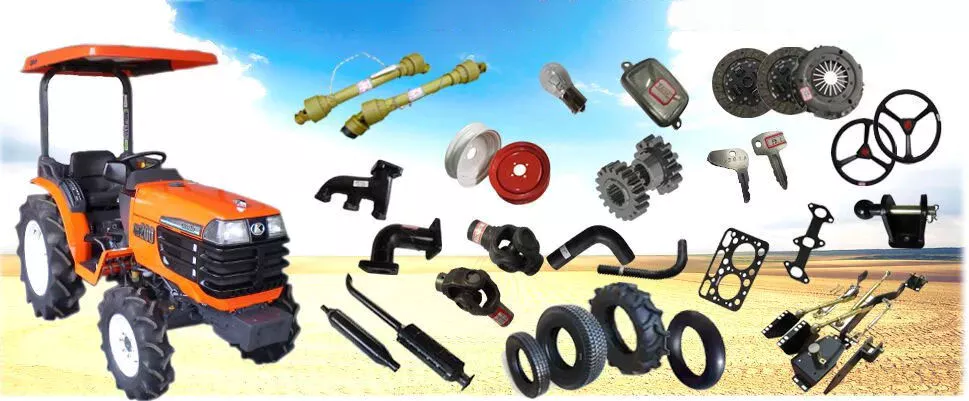
Are there variations in drive shaft designs for different types of machinery?
Yes, there are variations in drive shaft designs to cater to the specific requirements of different types of machinery. The design of a drive shaft is influenced by factors such as the application, power transmission needs, space limitations, operating conditions, and the type of driven components. Here’s an explanation of how drive shaft designs can vary for different types of machinery:
1. Automotive Applications:
In the automotive industry, drive shaft designs can vary depending on the vehicle’s configuration. Rear-wheel-drive vehicles typically use a single-piece or two-piece drive shaft, which connects the transmission or transfer case to the rear differential. Front-wheel-drive vehicles often use a different design, employing a drive shaft that combines with the constant velocity (CV) joints to transmit power to the front wheels. All-wheel-drive vehicles may have multiple drive shafts to distribute power to all wheels. The length, diameter, material, and joint types can differ based on the vehicle’s layout and torque requirements.
2. Industrial Machinery:
Drive shaft designs for industrial machinery depend on the specific application and power transmission requirements. In manufacturing machinery, such as conveyors, presses, and rotating equipment, drive shafts are designed to transfer power efficiently within the machine. They may incorporate flexible joints or use a splined or keyed connection to accommodate misalignment or allow for easy disassembly. The dimensions, materials, and reinforcement of the drive shaft are selected based on the torque, speed, and operating conditions of the machinery.
3. Agriculture and Farming:
Agricultural machinery, such as tractors, combines, and harvesters, often requires drive shafts that can handle high torque loads and varying operating angles. These drive shafts are designed to transmit power from the engine to attachments and implements, such as mowers, balers, tillers, and harvesters. They may incorporate telescopic sections to accommodate adjustable lengths, flexible joints to compensate for misalignment during operation, and protective shielding to prevent entanglement with crops or debris.
4. Construction and Heavy Equipment:
Construction and heavy equipment, including excavators, loaders, bulldozers, and cranes, require robust drive shaft designs capable of transmitting power in demanding conditions. These drive shafts often have larger diameters and thicker walls to handle high torque loads. They may incorporate universal joints or CV joints to accommodate operating angles and absorb shocks and vibrations. Drive shafts in this category may also have additional reinforcements to withstand the harsh environments and heavy-duty applications associated with construction and excavation.
5. Marine and Maritime Applications:
Drive shaft designs for marine applications are specifically engineered to withstand the corrosive effects of seawater and the high torque loads encountered in marine propulsion systems. Marine drive shafts are typically made from stainless steel or other corrosion-resistant materials. They may incorporate flexible couplings or dampening devices to reduce vibration and mitigate the effects of misalignment. The design of marine drive shafts also considers factors such as shaft length, diameter, and support bearings to ensure reliable power transmission in marine vessels.
6. Mining and Extraction Equipment:
In the mining industry, drive shafts are used in heavy machinery and equipment such as mining trucks, excavators, and drilling rigs. These drive shafts need to withstand extremely high torque loads and harsh operating conditions. Drive shaft designs for mining applications often feature larger diameters, thicker walls, and specialized materials such as alloy steel or composite materials. They may incorporate universal joints or CV joints to handle operating angles, and they are designed to be resistant to abrasion and wear.
These examples highlight the variations in drive shaft designs for different types of machinery. The design considerations take into account factors such as power requirements, operating conditions, space constraints, alignment needs, and the specific demands of the machinery or industry. By tailoring the drive shaft design to the unique requirements of each application, optimal power transmission efficiency and reliability can be achieved.


editor by CX 2024-03-05























