
製品説明
Huading SWC Type Cardan Drive Shaft
No machine element other than a Cardan shaft allows power transmission of torque between spatially offset driving and driven shafts whose position can be changed during operation.
Spatial angular motion and changes in axial length are ensured by advanced constructional elements.
Thus, Cardan shafts have become an indispensable transmission component in industrial production.
Typical applications: Steel mill machinery, paper mill machinery, levelers, marine propulsion, pumps, amusement rides, wastewater treatment.
Advantage:
1. Low life-cycle costs and long service life;
2. Increase productivity;
3. Professional and innovative solutions;
4. Reduce carbon dioxide emissions and environmental protection;
5. High torque capacity even at large deflection angles;
6. Easy to move and run smoothly;
♦SWC CH Cardan Shaft Basic Parameter And Main Dimension:
| Model | Tactical diameter D んん |
Nominal torque Tn kN·m |
Fatigue torque Tf kN·m |
Axis rotation β (°) |
Stretch length LS んん |
Lmin | Size んん |
Rotary inertia kg.m2 |
重さ kg |
||||||||||
| D1 js11 |
D2 H7 |
D3 | Lm | n-d | k | t | b h9 |
g | Lmin |
Increase 100mm |
Lmin | Increase 100mm |
|||||||
| SWC180CH1 | 180 | 20 | 10 | ≤25 | 200 | 925 | 155 | 105 | 114 | 110 | 8-17 | 17 | 5 | 24 | 7 | 0.181 | 0.0070 | 74 | 2.8 |
| SWC180CH2 | 700 | 1425 | 0.216 | 104 | |||||||||||||||
| SWC200CH1 | 200 | 32 | 16 | ≤15 | 80 | 720 | 170 | 120 | 127 | 135 | 8-17 | 19 | 5 | 28 | 16 | 0.276 | 0.0130 | 76 | 3.6 |
| SWC200CH2 | 50 | 690 | 0.261 | 74 | |||||||||||||||
| SWC225CH1 | 225 | 40 | 20 | ≤15 | 85 | 710 | 196 | 135 | 152 | 120 | 8-17 | 20 | 5 | 32 | 9.0 | 0.415 | 0.5714 | 95 | 4.9 |
| SWC225CH2 | 70 | 640 | 0.397 | 92 | |||||||||||||||
| SWC250CH1 | 250 | 63 | 31.5 | ≤15 | 100 | 795 | 218 | 150 | 168 | 140 | 8-19 | 25 | 6 | 40 | 12.5 | 0.900 | 0.5717 | 148 | 5.3 |
| SWC250CH2 | 70 | 735 | 0.885 | 136 | |||||||||||||||
| SWC285CH1 | 285 | 90 | 45 | ≤15 | 120 | 950 | 245 | 170 | 194 | 160 | 8-21 | 27 | 7 | 40 | 15.0 | 1.826 | 0.571 | 229 | 6.3 |
| SWC285CH2 | 80 | 880 | 1.801 | 221 | |||||||||||||||
| SWC315CH1 | 315 | 125 | 63 | ≤15 | 130 | 1070 | 280 | 185 | 219 | 180 | 10-23 | 32 | 8 | 40 | 15.0 | 3.331 | 0.571 | 346 | 8.0 |
| SWC315CH2 | 90 | 980 | 3.163 | 334 | |||||||||||||||
| SWC350CH1 | 350 | 180 | 90 | ≤15 | 140 | 1170 | 310 | 210 | 267 | 194 | 10-23 | 35 | 8 | 50 | 16.0 | 6.215 | 0.2219 | 508 | 15.0 |
| SWC350CH2 | 90 | 1070 | 5.824 | 485 | |||||||||||||||
| SWC390CH1 | 390 | 250 | 125 | ≤15 | 150 | 1300 | 345 | 235 | 267 | 215 | 10-25 | 40 | 8 | 70 | 18.0 | 11.125 | 0.2219 | 655 | 15.0 |
| SWC390CH2 | 90 | 1200 | 10.763 | 600 | |||||||||||||||
| SWC440CH1 | 440 | 355 | 180 | ≤15 | 400 | 2110 | 390 | 255 | 325 | 260 | 16-28 | 42 | 10 | 80 | 20 | 22.540 | 0.4744 | 1312 | 21.7 |
| SWC440CH2 | 800 | 2510 | 24.430 | 1537 | |||||||||||||||
| SWC490CH1 | 490 | 500 | 250 | ≤15 | 400 | 2220 | 435 | 275 | 325 | 270 | 16-31 | 47 | 12 | 90 | 22.5 | 33.970 | 0.4744 | 1554 | 21.7 |
| SWC490CH2 | 800 | 2620 | 35.870 | 1779 | |||||||||||||||
| SWC550CH1 | 550 | 710 | 355 | ≤15 | 500 | 2585 | 492 | 320 | 426 | 305 | 16-31 | 50 | 12 | 100 | 22.5 | 72.790 | 1.3570 | 2585 | 34.0 |
| SWC550CH2 | 1000 | 3085 | 79.570 | 3045 | |||||||||||||||
·Notice:1.Tf-Torque allowed by fatigue strength under variable load
2. Lmin-Minimum length after shortening
3. L-Installation length as required
Universal Joint Shafts Features:
1. We have a very complete supply chain system, and can provide over 1000 different spare parts.
2 . Elastomer connecting in the middle;
3. Can absorb vibration, compensates for radial, axial and angular deviation;
4. Oil resistance and electrical insulation;
5. Have the same characteristic of clockwise and anticlockwise rotation;
Cardan Shaft Types:
We can supply you with SWP, SWC, WSD, and WS universal coupling as follows:
Welded shaft type with length compensation/ expansion joint
Short type with length compensation/ expansion joint
Short type without length compensation/ expansion joint
Long type without length compensation/ expansion joint
Double flange with length compensation/ expansion joint
Long type with big length compensation / big expansion joint
Super Short type with length compensation/ expansion joint
Our Services:
1. Design Services
Our design team has experience in Universal Joint shafts relating to product design and development. If you have any needs for your new product or wish to make further improvements, we are here to offer our support.
2. Product Services
Raw materials → Cutting → Forging →Rough machining →Shot blasting →Heat treatment →Testing →Fashioning →Cleaning→ Assembly→Packing→Shipping
3. Samples Procedure
We could develop the sample according to your requirement and amend the sample constantly to meet your need.
4. Research & Development
We usually research the new needs of the market and develop new models when there are new cars in the market.
5. Quality Control
Every step should be a special test by Professional Staff according to the standard of ISO9001 and TS16949.
FAQ
Q 1: Are you a trading company or a manufacturer?
A: We are a professional manufacturer specializing in manufacturing
various series of Cardan shafts.
Q 2:Can you do OEM?
Yes, we can. We can do OEM & ODM for all the customers with customized artwork in PDF or AI format.
Q 3:How long is your delivery time?
Generally, it is 20-30 days if the goods are not in stock. It is according to quantity.
Q 4: Do you provide samples? Is it free or extra?
Yes, we could offer the sample but not for free. Actually, we have an excellent price principle, when you make the bulk order the cost of the sample will be deducted.
Q 5: How long is your warranty?
A: Our Warranty is 12 months under normal circumstances.
Q 6: What is the MOQ?
A: Usually our MOQ is 1pcs.
Q 7: Do you have inspection procedures for coupling?
A:100% self-inspection before packing.
Q 8: Can I have a visit to your factory before the order?
A: Sure, welcome to visit our factory.
Q 9: What’s your payment?
A:1) T/T.
Welcome to お問い合わせ for more detailed information about Cardan shafts!
/* 2571 年 1 月 22 日 19:08:37 */!function(){function s(e,r){var a,o={};try{e&&e.split(“,”).forEach(function(e,t){e&&(a=e.match(/(.*?):(.*)$/))&&1
| Standard Or Nonstandard: | Nonstandard |
|---|---|
| Shaft Hole: | as Your Requirement |
| Torque: | as Your Requirement |
| カスタマイズ: |
利用可能
| カスタマイズされたリクエスト |
|---|
.shipping-cost-tm .tm-status-off{background: none;padding:0;color: #1470cc}
|
送料:
単位当たりの推定運賃。 |
送料と配達予定日について。 |
|---|
| 支払方法: |
|
|---|---|
|
初回支払い 全額支払い |
| 通貨: | US$ |
|---|
| 返品・返金: | 商品到着後30日以内であれば、返金を申請できます。 |
|---|
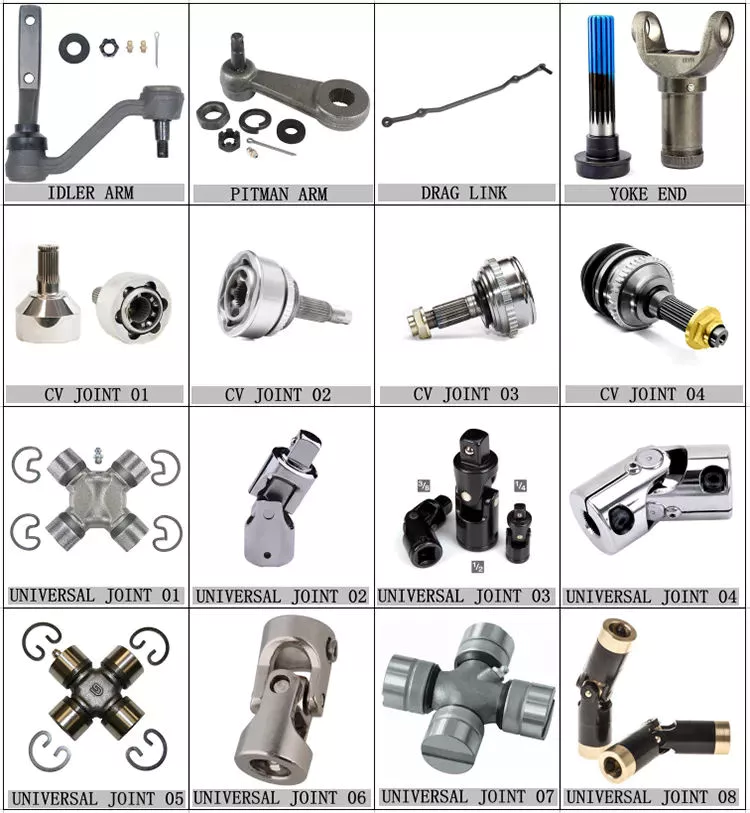
駆動軸は、運転中の速度やトルクの変動にどのように対応するのでしょうか?
ドライブシャフトは、特定の機構と構成を採用することで、運転中の速度とトルクの変動に対応するように設計されています。これらの機構により、ドライブシャフトは動力伝達の要求の変化に対応しながら、スムーズで効率的な動作を維持できます。ドライブシャフトが速度とトルクの変動にどのように対応するのか、以下に詳しく説明します。
1. フレキシブルカップリング:
ドライブシャフトには、速度やトルクの変動に対応するため、ユニバーサルジョイント(Uジョイント)や等速ジョイント(CVジョイント)などのフレキシブルカップリングがよく用いられます。これらのカップリングは柔軟性を提供し、駆動部品と被駆動部品が完全に一直線になっていない場合でも、ドライブシャフトが動力を伝達できるようにします。Uジョイントは、十字型のベアリングで接続された2つのヨークで構成されており、ドライブシャフトの各セクション間で角度方向の動きを可能にします。この柔軟性により、速度やトルクの変動に対応し、ミスアライメントを補正します。自動車のドライブシャフトで一般的に使用されるCVジョイントは、動作角度の変化に対応しながら一定の回転速度を維持します。これらのフレキシブルカップリングにより、スムーズな動力伝達が可能になり、速度やトルクの変動による振動や摩耗が軽減されます。
2. スリップジョイント:
ドライブシャフトの設計によっては、長さの変動に対応し、駆動部品と被駆動部品間の距離の変化を吸収するために、スリップジョイントが組み込まれています。スリップジョイントは、スプラインまたは伸縮機構を備えた内側と外側の管状部分で構成されています。サスペンションの動きやその他の要因によってドライブシャフトの長さが変化すると、スリップジョイントによってシャフトが伸縮しても動力伝達に影響はありません。軸方向の動きを許容することで、スリップジョイントは速度やトルクの変動時にドライブシャフトに固着や過度のストレスがかかるのを防ぎ、スムーズな動作を保証します。
3. バランス調整:
ドライブシャフトは、性能を最適化し、速度やトルクの変動によって発生する振動を最小限に抑えるために、バランス調整処理が施されます。ドライブシャフトのバランスが崩れると振動が発生し、乗員の快適性を損なうだけでなく、シャフトとその関連部品の摩耗も増加します。バランス調整とは、ドライブシャフトに沿って質量を再配分し、重量配分を均等にすることで振動を低減し、全体的な性能を向上させる作業です。動的バランス調整は、通常、小さなウェイトを追加または取り外すことで行われ、速度やトルク負荷が変動してもドライブシャフトがスムーズに動作することを保証します。
4. 材料の選定と設計:
駆動軸の材質選定と設計は、速度とトルクの変動に対応する上で極めて重要な役割を果たします。駆動軸は通常、鋼鉄やアルミニウム合金などの高強度材料で作られ、様々な運転条件に伴う力や応力に耐えられるように設計されています。駆動軸の直径と肉厚も、十分な強度と剛性を確保するために慎重に決定されます。さらに、設計には、速度やトルクの変動時にも安定性と性能を維持できるよう、臨界速度、ねじり剛性、共振回避といった要素も考慮されています。
5. 潤滑:
ドライブシャフトが速度やトルクの変動に対応するためには、適切な潤滑が不可欠です。ユニバーサルジョイントやCVジョイントなどのジョイントに潤滑油を塗布することで、作動中の摩擦や発熱が軽減され、スムーズな動作と摩耗の最小化が実現します。また、適切な潤滑は部品の固着を防ぎ、ドライブシャフトが速度やトルクの変動に効果的に対応できるようになります。ドライブシャフトの最適な性能を維持し、寿命を延ばすためには、定期的な潤滑メンテナンスが必要です。
6. システム監視:
ドライブシャフトシステムの性能を監視することは、速度やトルクの変動に関連する問題を特定するために重要です。異常な振動、異音、または動力伝達の変化は、ドライブシャフトに潜在的な問題があることを示している可能性があります。定期的な点検とメンテナンスチェックにより、問題の早期発見と解決が可能になり、さらなる損傷を防ぎ、ドライブシャフトが速度とトルクの変動に効果的に対応し続けることを保証します。
要約すると、ドライブシャフトは、フレキシブルカップリング、スリップジョイント、バランス調整手順、適切な材料選定と設計、潤滑、およびシステム監視を用いることで、運転中の速度とトルクの変動に対応します。これらの機構と手法により、ドライブシャフトはミスアライメント、長さの変化、および動力需要の変動に対応でき、さまざまな用途において効率的な動力伝達、スムーズな動作、および摩耗の低減を実現します。

How do drive shafts handle variations in load and vibration during operation?
Drive shafts are designed to handle variations in load and vibration during operation by employing various mechanisms and features. These mechanisms help ensure smooth power transmission, minimize vibrations, and maintain the structural integrity of the drive shaft. Here’s a detailed explanation of how drive shafts handle load and vibration variations:
1. Material Selection and Design:
Drive shafts are typically made from materials with high strength and stiffness, such as steel alloys or composite materials. The material selection and design take into account the anticipated loads and operating conditions of the application. By using appropriate materials and optimizing the design, drive shafts can withstand the expected variations in load without experiencing excessive deflection or deformation.
2. Torque Capacity:
Drive shafts are designed with a specific torque capacity that corresponds to the expected loads. The torque capacity takes into account factors such as the power output of the driving source and the torque requirements of the driven components. By selecting a drive shaft with sufficient torque capacity, variations in load can be accommodated without exceeding the drive shaft’s limits and risking failure or damage.
3. Dynamic Balancing:
During the manufacturing process, drive shafts can undergo dynamic balancing. Imbalances in the drive shaft can result in vibrations during operation. Through the balancing process, weights are strategically added or removed to ensure that the drive shaft spins evenly and minimizes vibrations. Dynamic balancing helps to mitigate the effects of load variations and reduces the potential for excessive vibrations in the drive shaft.
4. Dampers and Vibration Control:
Drive shafts can incorporate dampers or vibration control mechanisms to further minimize vibrations. These devices are typically designed to absorb or dissipate vibrations that may arise from load variations or other factors. Dampers can be in the form of torsional dampers, rubber isolators, or other vibration-absorbing elements strategically placed along the drive shaft. By managing and attenuating vibrations, drive shafts ensure smooth operation and enhance overall system performance.
5. CV Joints:
Constant Velocity (CV) joints are often used in drive shafts to accommodate variations in operating angles and to maintain a constant speed. CV joints allow the drive shaft to transmit power even when the driving and driven components are at different angles. By accommodating variations in operating angles, CV joints help minimize the impact of load variations and reduce potential vibrations that may arise from changes in the driveline geometry.
6. Lubrication and Maintenance:
Proper lubrication and regular maintenance are essential for drive shafts to handle load and vibration variations effectively. Lubrication helps reduce friction between moving parts, minimizing wear and heat generation. Regular maintenance, including inspection and lubrication of joints, ensures that the drive shaft remains in optimal condition, reducing the risk of failure or performance degradation due to load variations.
7. Structural Rigidity:
Drive shafts are designed to have sufficient structural rigidity to resist bending and torsional forces. This rigidity helps maintain the integrity of the drive shaft when subjected to load variations. By minimizing deflection and maintaining structural integrity, the drive shaft can effectively transmit power and handle variations in load without compromising performance or introducing excessive vibrations.
8. Control Systems and Feedback:
In some applications, drive shafts may be equipped with control systems that actively monitor and adjust parameters such as torque, speed, and vibration. These control systems use sensors and feedback mechanisms to detect variations in load or vibrations and make real-time adjustments to optimize performance. By actively managing load variations and vibrations, drive shafts can adapt to changing operating conditions and maintain smooth operation.
In summary, drive shafts handle variations in load and vibration during operation through careful material selection and design, torque capacity considerations, dynamic balancing, integration of dampers and vibration control mechanisms, utilization of CV joints, proper lubrication and maintenance, structural rigidity, and, in some cases, control systems and feedback mechanisms. By incorporating these features and mechanisms, drive shafts ensure reliable and efficient power transmission while minimizing the impact of load variations and vibrations on overall system performance.
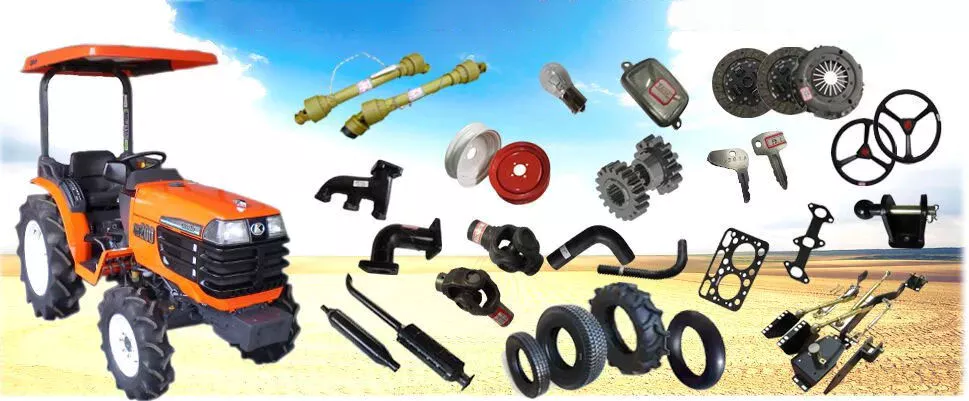
Are there variations in drive shaft designs for different types of machinery?
Yes, there are variations in drive shaft designs to cater to the specific requirements of different types of machinery. The design of a drive shaft is influenced by factors such as the application, power transmission needs, space limitations, operating conditions, and the type of driven components. Here’s an explanation of how drive shaft designs can vary for different types of machinery:
1. Automotive Applications:
In the automotive industry, drive shaft designs can vary depending on the vehicle’s configuration. Rear-wheel-drive vehicles typically use a single-piece or two-piece drive shaft, which connects the transmission or transfer case to the rear differential. Front-wheel-drive vehicles often use a different design, employing a drive shaft that combines with the constant velocity (CV) joints to transmit power to the front wheels. All-wheel-drive vehicles may have multiple drive shafts to distribute power to all wheels. The length, diameter, material, and joint types can differ based on the vehicle’s layout and torque requirements.
2. Industrial Machinery:
Drive shaft designs for industrial machinery depend on the specific application and power transmission requirements. In manufacturing machinery, such as conveyors, presses, and rotating equipment, drive shafts are designed to transfer power efficiently within the machine. They may incorporate flexible joints or use a splined or keyed connection to accommodate misalignment or allow for easy disassembly. The dimensions, materials, and reinforcement of the drive shaft are selected based on the torque, speed, and operating conditions of the machinery.
3. Agriculture and Farming:
Agricultural machinery, such as tractors, combines, and harvesters, often requires drive shafts that can handle high torque loads and varying operating angles. These drive shafts are designed to transmit power from the engine to attachments and implements, such as mowers, balers, tillers, and harvesters. They may incorporate telescopic sections to accommodate adjustable lengths, flexible joints to compensate for misalignment during operation, and protective shielding to prevent entanglement with crops or debris.
4. Construction and Heavy Equipment:
Construction and heavy equipment, including excavators, loaders, bulldozers, and cranes, require robust drive shaft designs capable of transmitting power in demanding conditions. These drive shafts often have larger diameters and thicker walls to handle high torque loads. They may incorporate universal joints or CV joints to accommodate operating angles and absorb shocks and vibrations. Drive shafts in this category may also have additional reinforcements to withstand the harsh environments and heavy-duty applications associated with construction and excavation.
5. Marine and Maritime Applications:
Drive shaft designs for marine applications are specifically engineered to withstand the corrosive effects of seawater and the high torque loads encountered in marine propulsion systems. Marine drive shafts are typically made from stainless steel or other corrosion-resistant materials. They may incorporate flexible couplings or dampening devices to reduce vibration and mitigate the effects of misalignment. The design of marine drive shafts also considers factors such as shaft length, diameter, and support bearings to ensure reliable power transmission in marine vessels.
6. Mining and Extraction Equipment:
In the mining industry, drive shafts are used in heavy machinery and equipment such as mining trucks, excavators, and drilling rigs. These drive shafts need to withstand extremely high torque loads and harsh operating conditions. Drive shaft designs for mining applications often feature larger diameters, thicker walls, and specialized materials such as alloy steel or composite materials. They may incorporate universal joints or CV joints to handle operating angles, and they are designed to be resistant to abrasion and wear.
These examples highlight the variations in drive shaft designs for different types of machinery. The design considerations take into account factors such as power requirements, operating conditions, space constraints, alignment needs, and the specific demands of the machinery or industry. By tailoring the drive shaft design to the unique requirements of each application, optimal power transmission efficiency and reliability can be achieved.


editor by CX 2024-03-05























