
Ürün Açıklaması
Key attributes
Other attributes
Garanti
1.5 years
Applicable Industries
Building Material Shops, Manufacturing Plant, Energy & Mining
Weight (KG)
1
Showroom Location
None
Video outgoing-inspection
Provided
Machinery Test Report
Provided
Marketing Type
New Product 2571
Warranty of core components
1 Year
Core Components
Gear
Malzeme
stainless steel 304, stainless steel 316, 42CrMo, 17CrNiMo, 45steel, 40Cr
Menşe Yeri
ZheJiang , China
Condition
Yeni
Marka Adı
HangZhou
China shaft manufacturer custom chrome steel shaft eccentric shaft
Product Name
Customized forging Steel large Inner tooth Gear Ring
Başvuru
Industry/Gearbox/ Transmission Parts
Boyut
Customer’s Drawing
Processing
Hobbing/Milling/Shapping
Standart
DIN/GB/AISI
Yüzey işlemi
Polishing/Grinding/ Painting/Anti Rust Oil
Heat Teatment
QT/Hardening/Carburizing
Blank
Forging or Casting as per drawing.
Kalite Kontrol
Nondestructive Testing (UT/MT/RT/PT)
Sertifika
ISO9001
Packaging and delivery
Packaging Details
1.Wooden box with fumigation
2.Wooden Fram with waterproof cloth
Liman
ZheJiang or HangZhou Port
attribute-list
Supply Ability
50000 Piece/Pieces per Year
Lead time
| Quantity (pieces) | 1 – 10 | > 10 |
| Lead time (days) | 45 | To be negotiated |
Production Process
We can produce various specifications of gear, meanwhile, we can also provide gear blanks.
We have a full set of production processes and testing instruments for forging, heat treatment and machining.
We have 5 medium frequency furnaces and 5 electric slag heavy furnaces, which can produce 1 ton-18 tons of various types of alloy steel, with an annual capacity of 10,000 tons. The main characteristics of electroslag remelting are that it can flexibly produce various types of special steel in size and batch, with pure composition, uniform and dense crystal organization.
Natural gas digital display computer temperature control heating CZPT can accurately control the heating temperature of raw materials.
800T fast forging machine can quickly forge products, 3150T and 5000T oil press can forge heavy-duty axle products. They can guarantee the forging ratio required by the product, and ensure a good metallographic structure.
More than 20 digital display resistance furnaces can be used fot normalizing, quenching and tempering products, at the same time, there are induction quenching and carburization process, so as to ensure the mechanical performance requirements of the gear
We have a number of , HOFLER and other gear rolling machine, inner tooth ring milling machine, gear insertion machine, gear grinding machine and car milling composite center and other gear processing equipment.
TS regards Quality as the essential part of our business success. Based on your requirements, we have raw material in-coming inspection, process control and pre-shipment inspection. With advanced test equipments such as spectrometer, CMM, tensile strength tester, microscope, hardness tester, etc, TS is able to apply sufficient chemical and physical inspection. According to your request, we are also capable to do X-Ray, Magnetic Testing, Ultrasonic Testing and liquid Penetrant Examination.
PRODUCT PACKAGING
OUR WORKSHOPS
COOPERATIVE BRAND
Product Packaging
Product PackaPRging
| Malzeme: | Steel |
|---|---|
| Yük: | Tahrik Mili |
| Appearance Shape: | Steel |
| Özelleştirme: |
Mevcut
| Özelleştirilmiş Talep |
|---|
.shipping-cost-tm .tm-status-off{background: none;padding:0;color: #1470cc}
| Nakliye Ücreti:
Birim başına tahmini nakliye ücreti. |
Kargo ücreti ve tahmini teslim süresi hakkında bilgi. |
|---|
| Ödeme yöntemi: |
|
|---|---|
|
İlk Ödeme Tam Ödeme |
| Para birimi: | US$ |
|---|
| İade ve geri ödemeler: | Ürünleri teslim aldıktan sonraki 30 güne kadar iade talebinde bulunabilirsiniz. |
|---|
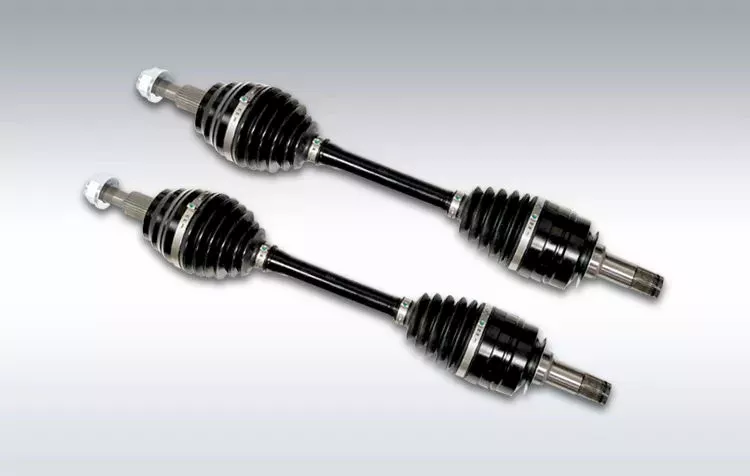
How do manufacturers ensure the compatibility of drive shafts with different equipment?
Manufacturers employ various strategies and processes to ensure the compatibility of drive shafts with different equipment. Compatibility refers to the ability of a drive shaft to effectively integrate and function within a specific piece of equipment or machinery. Manufacturers take into account several factors to ensure compatibility, including dimensional requirements, torque capacity, operating conditions, and specific application needs. Here’s a detailed explanation of how manufacturers ensure the compatibility of drive shafts:
1. Application Analysis:
Manufacturers begin by conducting a thorough analysis of the intended application and equipment requirements. This analysis involves understanding the specific torque and speed demands, operating conditions (such as temperature, vibration levels, and environmental factors), and any unique characteristics or constraints of the equipment. By gaining a comprehensive understanding of the application, manufacturers can tailor the design and specifications of the drive shaft to ensure compatibility.
2. Customization and Design:
Manufacturers often offer customization options to adapt drive shafts to different equipment. This customization involves tailoring the dimensions, materials, joint configurations, and other parameters to match the specific requirements of the equipment. By working closely with the equipment manufacturer or end-user, manufacturers can design drive shafts that align with the equipment’s mechanical interfaces, mounting points, available space, and other constraints. Customization ensures that the drive shaft fits seamlessly into the equipment, promoting compatibility and optimal performance.
3. Torque and Power Capacity:
Drive shaft manufacturers carefully determine the torque and power capacity of their products to ensure compatibility with different equipment. They consider factors such as the maximum torque requirements of the equipment, the expected operating conditions, and the safety margins necessary to withstand transient loads. By engineering drive shafts with appropriate torque ratings and power capacities, manufacturers ensure that the shaft can handle the demands of the equipment without experiencing premature failure or performance issues.
4. Material Selection:
Manufacturers choose materials for drive shafts based on the specific needs of different equipment. Factors such as torque capacity, operating temperature, corrosion resistance, and weight requirements influence material selection. Drive shafts may be made from various materials, including steel, aluminum alloys, or specialized composites, to provide the necessary strength, durability, and performance characteristics. The selected materials ensure compatibility with the equipment’s operating conditions, load requirements, and other environmental factors.
5. Joint Configurations:
Drive shafts incorporate joint configurations, such as universal joints (U-joints) or constant velocity (CV) joints, to accommodate different equipment needs. Manufacturers select and design the appropriate joint configuration based on factors such as operating angles, misalignment tolerances, and the desired level of smooth power transmission. The choice of joint configuration ensures that the drive shaft can effectively transmit power and accommodate the range of motion required by the equipment, promoting compatibility and reliable operation.
6. Quality Control and Testing:
Manufacturers implement stringent quality control processes and testing procedures to verify the compatibility of drive shafts with different equipment. These processes involve conducting dimensional inspections, material testing, torque and stress analysis, and performance testing under simulated operating conditions. By subjecting drive shafts to rigorous quality control measures, manufacturers can ensure that they meet the required specifications and performance criteria, guaranteeing compatibility with the intended equipment.
7. Compliance with Standards:
Manufacturers ensure that their drive shafts comply with relevant industry standards and regulations. Compliance with standards, such as ISO (International Organization for Standardization) or specific industry standards, provides assurance of quality, safety, and compatibility. Adhering to these standards helps manufacturers meet the expectations and requirements of equipment manufacturers and end-users, ensuring that the drive shafts are compatible and can be seamlessly integrated into different equipment.
8. Collaboration and Feedback:
Manufacturers often collaborate closely with equipment manufacturers, OEMs (Original Equipment Manufacturers), or end-users to gather feedback and incorporate their specific requirements into the drive shaft design and manufacturing processes. This collaborative approach ensures that the drive shafts are compatible with the intended equipment and meet the expectations of the end-users. By actively seeking input and feedback, manufacturers can continuously improve their products’ compatibility and performance.
In summary, manufacturers ensure the compatibility of drive shafts with different equipment through a combination of application analysis, customization, torque and power capacity considerations, material selection, joint configurations, quality control and testing, compliance with standards, and collaboration with equipment manufacturers and end-users. These efforts enable manufacturers to design and produce drive shafts that seamlessly integrate with various equipment, ensuring optimal performance, reliability, and compatibility in different applications.
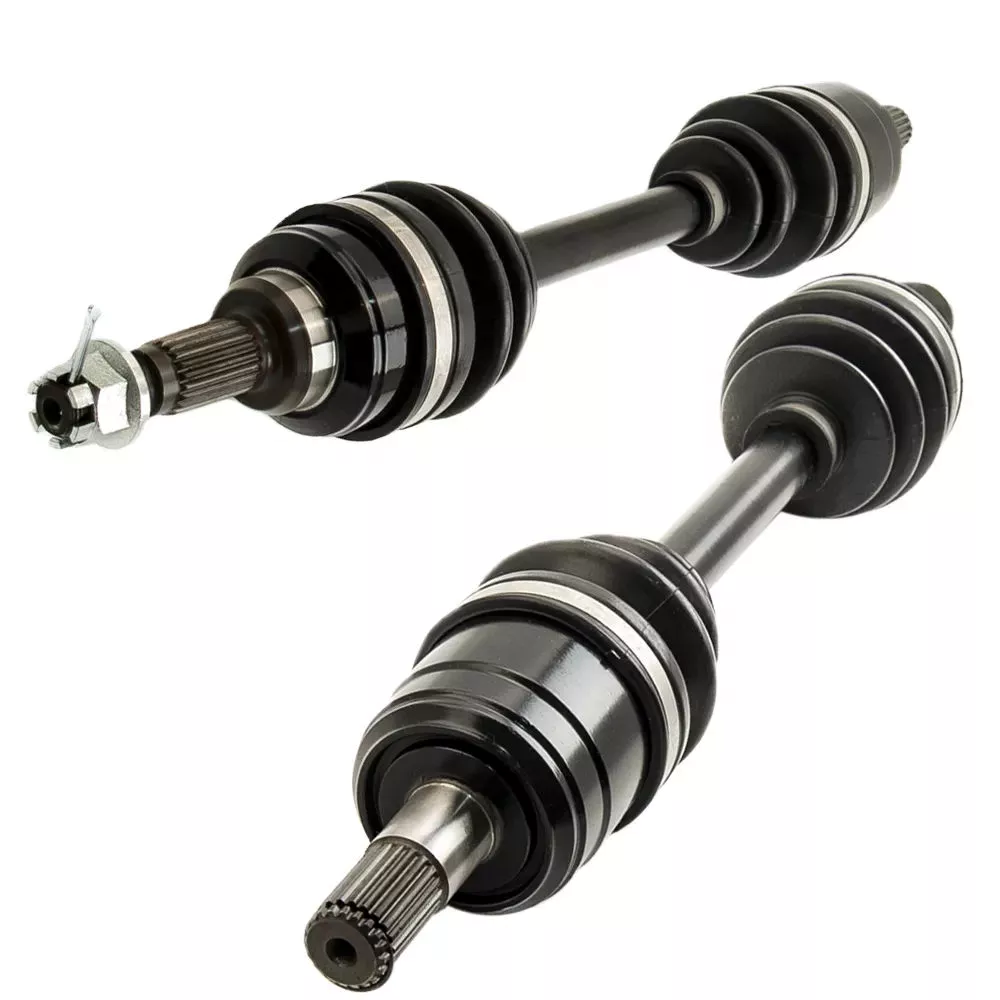
Tahrik milleri, çalışma sırasında yük ve titreşimdeki değişimleri nasıl karşılar?
Tahrik milleri, çeşitli mekanizmalar ve özellikler kullanarak çalışma sırasında yük ve titreşimdeki değişimleri karşılayacak şekilde tasarlanmıştır. Bu mekanizmalar, düzgün güç aktarımını sağlamaya, titreşimleri en aza indirmeye ve tahrik milinin yapısal bütünlüğünü korumaya yardımcı olur. İşte tahrik millerinin yük ve titreşim değişimlerini nasıl ele aldığına dair ayrıntılı bir açıklama:
1. Malzeme Seçimi ve Tasarım:
Tahrik milleri genellikle çelik alaşımları veya kompozit malzemeler gibi yüksek mukavemet ve rijitliğe sahip malzemelerden yapılır. Malzeme seçimi ve tasarımı, uygulamanın beklenen yüklerini ve çalışma koşullarını dikkate alır. Uygun malzemeler kullanılarak ve tasarım optimize edilerek, tahrik milleri aşırı sapma veya deformasyon yaşamadan beklenen yük değişimlerine dayanabilir.
2. Tork Kapasitesi:
Tahrik milleri, beklenen yüklere karşılık gelen belirli bir tork kapasitesiyle tasarlanır. Tork kapasitesi, tahrik kaynağının güç çıkışı ve tahrik edilen bileşenlerin tork gereksinimleri gibi faktörleri dikkate alır. Yeterli tork kapasitesine sahip bir tahrik mili seçilerek, yükteki değişimler tahrik milinin sınırlarını aşmadan ve arıza veya hasar riski oluşturmadan karşılanabilir.
3. Dinamik Dengeleme:
Üretim sürecinde, tahrik milleri dinamik dengelemeye tabi tutulabilir. Tahrik milindeki dengesizlikler, çalışma sırasında titreşimlere neden olabilir. Dengeleme işlemi sırasında, tahrik milinin düzgün dönmesini ve titreşimlerin en aza indirilmesini sağlamak için stratejik olarak ağırlıklar eklenir veya çıkarılır. Dinamik dengeleme, yük değişimlerinin etkilerini azaltmaya ve tahrik milinde aşırı titreşim olasılığını düşürmeye yardımcı olur.
4. Sönümleyiciler ve Titreşim Kontrolü:
Tahrik milleri, titreşimleri daha da en aza indirmek için amortisörler veya titreşim kontrol mekanizmaları içerebilir. Bu cihazlar genellikle yük değişimlerinden veya diğer faktörlerden kaynaklanabilecek titreşimleri emmek veya dağıtmak için tasarlanmıştır. Amortisörler, burulma amortisörleri, kauçuk izolatörler veya tahrik mili boyunca stratejik olarak yerleştirilmiş diğer titreşim emici elemanlar şeklinde olabilir. Titreşimleri yöneterek ve azaltarak, tahrik milleri sorunsuz çalışmayı sağlar ve genel sistem performansını artırır.
5. CV Mafsalları:
Sabit Hız (CV) mafsalları, çalışma açılarındaki değişimleri karşılamak ve sabit bir hızı korumak için genellikle tahrik millerinde kullanılır. CV mafsalları, tahrik eden ve tahrik edilen bileşenler farklı açılarda olsa bile tahrik milinin güç iletmesini sağlar. Çalışma açılarındaki değişimleri karşılayarak, CV mafsalları yük değişimlerinin etkisini en aza indirmeye ve tahrik hattı geometrisindeki değişikliklerden kaynaklanabilecek potansiyel titreşimleri azaltmaya yardımcı olur.
6. Yağlama ve Bakım:
Tahrik millerinin yük ve titreşim değişimlerini etkili bir şekilde karşılayabilmesi için uygun yağlama ve düzenli bakım şarttır. Yağlama, hareketli parçalar arasındaki sürtünmeyi azaltarak aşınmayı ve ısı oluşumunu en aza indirir. Bağlantı noktalarının incelenmesi ve yağlanması da dahil olmak üzere düzenli bakım, tahrik milinin optimum durumda kalmasını sağlayarak yük değişimlerinden kaynaklanan arıza veya performans düşüşü riskini azaltır.
7. Yapısal Rijitlik:
Tahrik milleri, eğilme ve burulma kuvvetlerine karşı koyacak yeterli yapısal rijitliğe sahip olacak şekilde tasarlanmıştır. Bu rijitlik, yük değişimlerine maruz kaldığında tahrik milinin bütünlüğünü korumaya yardımcı olur. Sapmayı en aza indirerek ve yapısal bütünlüğü koruyarak, tahrik mili performansı tehlikeye atmadan veya aşırı titreşimlere neden olmadan gücü etkili bir şekilde iletebilir ve yük değişimlerini yönetebilir.
8. Kontrol Sistemleri ve Geri Besleme:
Bazı uygulamalarda, tahrik milleri tork, hız ve titreşim gibi parametreleri aktif olarak izleyen ve ayarlayan kontrol sistemleriyle donatılabilir. Bu kontrol sistemleri, yük veya titreşimlerdeki değişimleri tespit etmek ve performansı optimize etmek için gerçek zamanlı ayarlamalar yapmak üzere sensörler ve geri bildirim mekanizmaları kullanır. Yük değişimlerini ve titreşimleri aktif olarak yöneterek, tahrik milleri değişen çalışma koşullarına uyum sağlayabilir ve sorunsuz çalışmayı sürdürebilir.
Özetle, tahrik milleri, dikkatli malzeme seçimi ve tasarımı, tork kapasitesi hususları, dinamik dengeleme, amortisörlerin ve titreşim kontrol mekanizmalarının entegrasyonu, CV mafsallarının kullanımı, uygun yağlama ve bakım, yapısal rijitlik ve bazı durumlarda kontrol sistemleri ve geri besleme mekanizmaları yoluyla çalışma sırasında yük ve titreşimdeki değişimleri yönetir. Bu özellikler ve mekanizmaları birleştirerek, tahrik milleri, yük değişimlerinin ve titreşimlerin genel sistem performansı üzerindeki etkisini en aza indirirken, güvenilir ve verimli güç aktarımını sağlar.

What benefits do drive shafts offer for different types of vehicles and equipment?
Drive shafts offer several benefits for different types of vehicles and equipment. They play a crucial role in power transmission and contribute to the overall performance, efficiency, and functionality of various systems. Here’s a detailed explanation of the benefits that drive shafts provide:
1. Efficient Power Transmission:
Drive shafts enable efficient power transmission from the engine or power source to the wheels or driven components. By connecting the engine or motor to the driven system, drive shafts efficiently transfer rotational power, allowing vehicles and equipment to perform their intended functions. This efficient power transmission ensures that the power generated by the engine is effectively utilized, optimizing the overall performance and productivity of the system.
2. Çok yönlülük:
Drive shafts offer versatility in their applications. They are used in various types of vehicles, including cars, trucks, motorcycles, and off-road vehicles. Additionally, drive shafts are employed in a wide range of equipment and machinery, such as agricultural machinery, construction equipment, industrial machinery, and marine vessels. The ability to adapt to different types of vehicles and equipment makes drive shafts a versatile component for power transmission.
3. Torque Handling:
Drive shafts are designed to handle high levels of torque. Torque is the rotational force generated by the engine or power source. Drive shafts are engineered to efficiently transmit this torque without excessive twisting or bending. By effectively handling torque, drive shafts ensure that the power generated by the engine is reliably transferred to the wheels or driven components, enabling vehicles and equipment to overcome resistance, such as heavy loads or challenging terrains.
4. Flexibility and Compensation:
Drive shafts provide flexibility and compensation for angular movement and misalignment. In vehicles, drive shafts accommodate the movement of the suspension system, allowing the wheels to move up and down independently. This flexibility ensures a constant power transfer even when the vehicle encounters uneven terrain. Similarly, in machinery, drive shafts compensate for misalignment between the engine or motor and the driven components, ensuring smooth power transmission and preventing excessive stress on the drivetrain.
5. Kilo Verme:
Drive shafts contribute to weight reduction in vehicles and equipment. Compared to other forms of power transmission, such as belt drives or chain drives, drive shafts are typically lighter in weight. This reduction in weight helps improve fuel efficiency in vehicles and reduces the overall weight of equipment, leading to enhanced maneuverability and increased payload capacity. Additionally, lighter drive shafts contribute to a better power-to-weight ratio, resulting in improved performance and acceleration.
6. Durability and Longevity:
Drive shafts are designed to be durable and long-lasting. They are constructed using materials such as steel or aluminum, which offer high strength and resistance to wear and fatigue. Drive shafts undergo rigorous testing and quality control measures to ensure their reliability and longevity. Proper maintenance, including lubrication and regular inspections, further enhances their durability. The robust construction and long lifespan of drive shafts contribute to the overall reliability and cost-effectiveness of vehicles and equipment.
7. Safety:
Drive shafts incorporate safety features to protect operators and bystanders. In vehicles, drive shafts are often enclosed within a protective tube or housing, preventing contact with moving parts and reducing the risk of injury in the event of a failure. Similarly, in machinery, safety shields or guards are commonly installed around exposed drive shafts to minimize the potential hazards associated with rotating components. These safety measures ensure the well-being of individuals operating or working in proximity to vehicles and equipment.
In summary, drive shafts offer several benefits for different types of vehicles and equipment. They enable efficient power transmission, provide versatility in various applications, handle torque effectively, offer flexibility and compensation, contribute to weight reduction, ensure durability and longevity, and incorporate safety features. By providing these advantages, drive shafts enhance the performance, efficiency, reliability, and safety of vehicles and equipment across a wide range of industries.


editor by CX 2023-11-17























